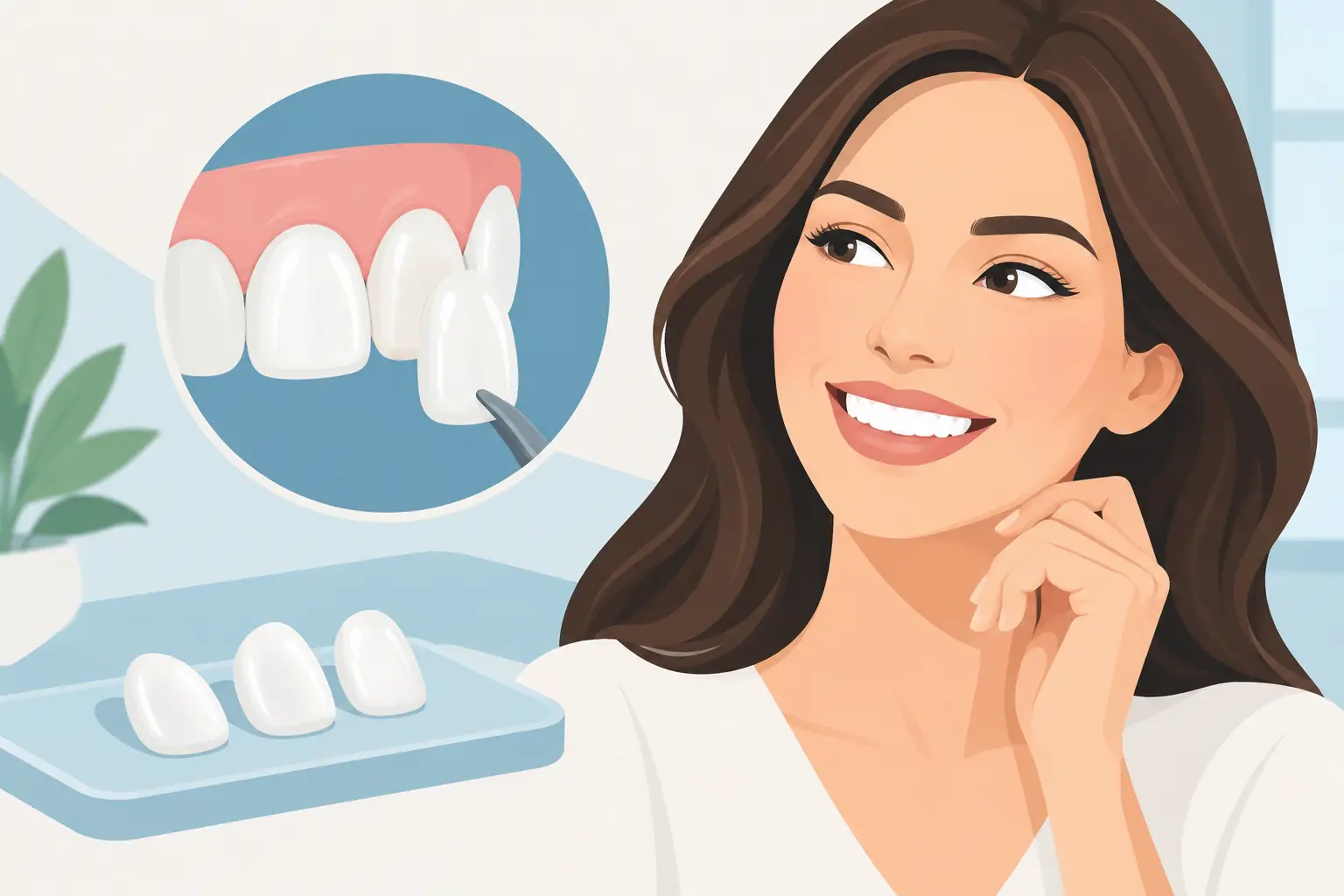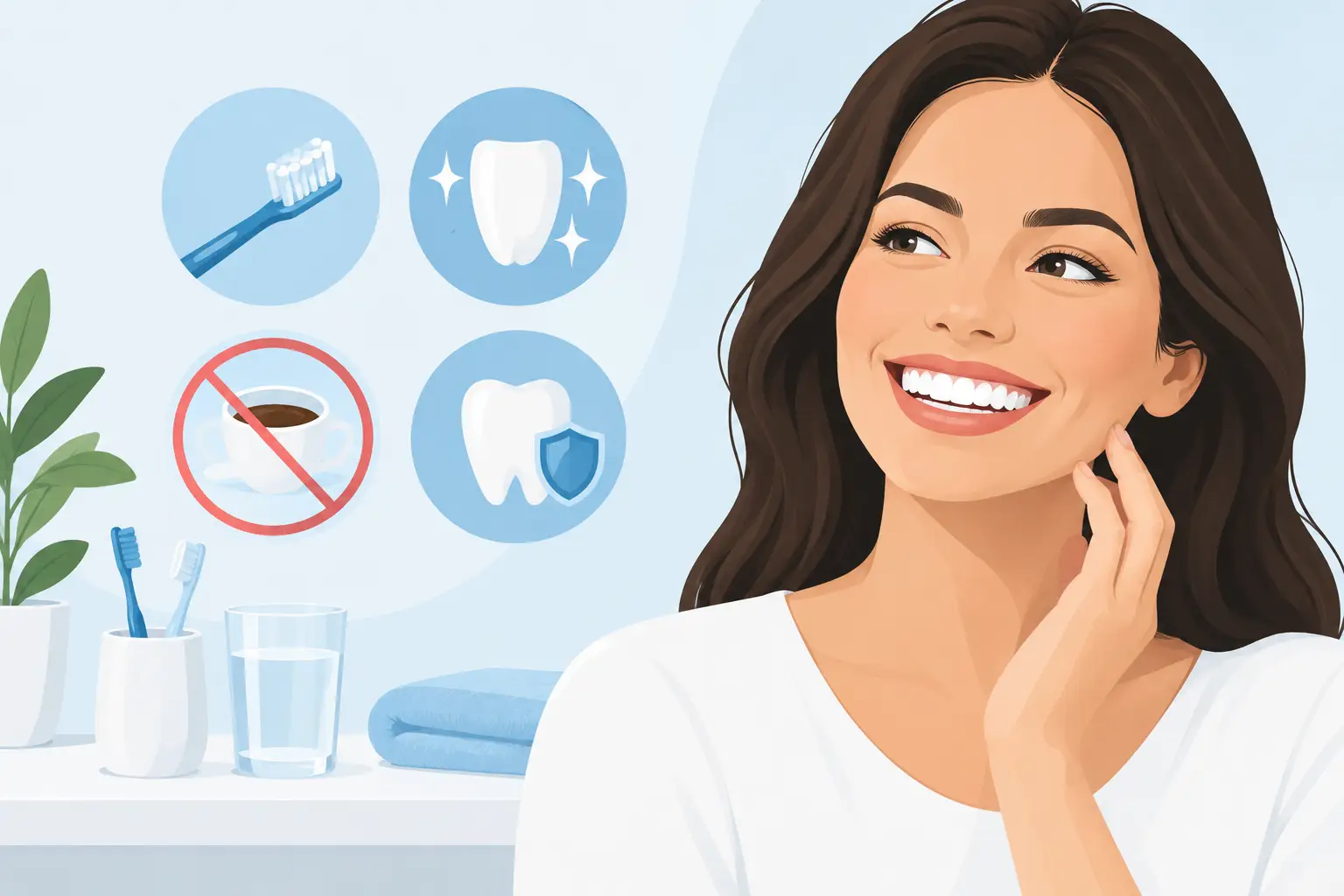
A veneer can make a tooth look beautifully natural, but it is still part of your daily bite. Coffee runs, busy workdays, crunchy snacks, and nighttime teeth grinding can all affect the teeth and gums supporting your new smile. Knowing how to care for veneers helps protect their smooth finish, preserve the bond to your teeth, and keep your smile looking consistently healthy.
Porcelain veneers are durable and stain-resistant, but they are not indestructible. The good news is that most veneer care looks a lot like good everyday oral care: gentle brushing, daily cleaning between teeth, regular professional visits, and a few smart habits that prevent chips or unnecessary pressure.
How to Care for Veneers Every Day
Start with a soft-bristled toothbrush and brush twice a day for two minutes. Clean along the gumline carefully, where plaque naturally collects. Veneers cover the front surface of a tooth, but the gums and tooth structure around them still need the same attention as the rest of your mouth.
Choose a non-abrasive fluoride toothpaste. Many whitening toothpastes contain gritty polishing agents that may gradually dull the glaze on porcelain or create tiny surface scratches on composite veneers. Fluoride remains helpful because the natural tooth structure around and behind a veneer can still develop decay.
Floss once each day. Some people worry that flossing will loosen a veneer, but proper flossing does not damage a securely bonded veneer. Instead, it protects the gum tissue and helps prevent cavities at the edges of the restoration. Slide floss gently between the teeth and curve it around each tooth rather than snapping it hard against the gums.
If you use an electric toothbrush, it is generally a safe choice for veneers. Use a soft brush head and avoid pushing aggressively. A light touch is more effective than scrubbing, and it is kinder to both your gums and the margins around your veneers.
Watch What You Bite, Not Just What You Eat
You do not need a restrictive diet after receiving veneers. You can enjoy most foods normally once your dentist confirms that your veneers are fully bonded and your bite feels comfortable. The bigger concern is using your front teeth as tools or putting concentrated force on their edges.
Avoid biting fingernails, opening packages with your teeth, chewing ice, or holding hard objects such as pens between your teeth. These habits can chip porcelain, crack composite material, or place stress on the bonding underneath a veneer. Hard foods such as nuts, hard candy, and crusty bread are not automatically off-limits, but it is wise to bite carefully and use your back teeth when possible.
Be especially mindful of sticky candy. Caramel, taffy, and similar treats can pull at dental work and are difficult to clean away completely. They also feed cavity-causing bacteria, which can threaten the natural tooth at the veneer’s edge.
Protect Veneers From Grinding and Clenching
Teeth grinding, also called bruxism, is one of the most common reasons veneers chip or wear prematurely. Some people notice jaw soreness or flattened teeth, while others grind only during sleep and have no idea it is happening.
If you clench or grind, a custom night guard can be one of the best ways to protect your investment. It creates a cushion between the upper and lower teeth, reducing the pressure that reaches veneers and natural enamel. An over-the-counter guard may be better than no protection at all in some situations, but a professionally made guard is designed for your bite and is typically more comfortable and reliable.
Tell your dentist if your veneers feel like they hit first when you bite down. Even a small bite imbalance can place excessive force on one tooth. A simple adjustment may prevent a small issue from becoming a cracked veneer or a sore jaw.
Keep Stains Away From the Surrounding Teeth
Porcelain is highly resistant to stains from coffee, tea, red wine, and tobacco. However, natural teeth can still darken over time, and the bonding material around a veneer may pick up discoloration. This can make an otherwise attractive veneer look less uniform next to your changing natural tooth color.
Rinse with water after dark beverages when brushing is not convenient, and keep up with professional hygiene visits. If you smoke or use tobacco, stopping is one of the most meaningful steps you can take for your smile, gum health, and overall health.
Whitening deserves a little planning when you have veneers. Whitening products do not change the color of porcelain or composite material. If your natural teeth become lighter, your veneers may no longer match exactly. Before starting whitening treatment, ask your dentist whether your current shade will still look balanced. For patients considering veneers, whitening natural teeth first may sometimes help create a more predictable final shade.
Do Not Skip Dental Cleanings
Routine cleanings and exams are essential after veneer treatment. Your dental team can remove plaque and tartar around the gums, check the veneer margins, evaluate your bite, and look for early signs of wear, leakage, or decay. Problems are usually simpler to address when they are found early.
Let your hygienist and dentist know you have veneers, especially if you are seeing a new provider. Dental professionals can select instruments and polishing methods that are appropriate for porcelain or composite restorations. Veneers should never require harsh cleaning techniques to look good.
How often you need cleanings depends on your gum health, home care, and history of periodontal disease. Many patients do well with visits every six months, while others benefit from more frequent periodontal maintenance. The right schedule is personal, not one-size-fits-all.
Know the Difference Between Normal and Concerning Changes
A veneer should feel smooth and natural. Mild sensitivity can occur shortly after placement, particularly with cold foods or drinks, but it should improve as your tooth settles. Persistent pain, pressure, or sensitivity that gets worse should be evaluated.
Call your dental office if a veneer chips, feels loose, develops a rough edge, or changes color near the gumline. Also seek care if you notice bleeding gums, swelling, bad breath that does not improve with brushing and flossing, or pain when biting. These signs do not always mean the veneer has failed, but they deserve professional attention.
Do not try to glue a loose veneer back in place yourself. Household adhesives are not safe for use in the mouth and can make a proper repair more difficult. Save the veneer if it has come off, keep it protected, and contact your dentist promptly.
Veneer Care Is Also Gum Care
The most beautiful veneers still depend on healthy gums. Inflamed or receding gums can expose veneer edges and change the appearance of your smile. Gentle brushing, daily flossing, and regular cleanings protect the foundation around every cosmetic restoration.
At Finesse Family Dental, veneer care is approached as part of your long-term oral health, not simply a cosmetic checklist. A comfortable fit, a balanced bite, healthy gums, and realistic home-care habits all help a smile stay attractive for years.
Your veneers should let you smile, speak, and enjoy meals with confidence, not make you worry about every bite. Treat them with the same thoughtful care you give your natural teeth, and bring any small change to your dentist’s attention before it has a chance to become a larger problem.