A veneer can make a chipped, stained, uneven, or worn front tooth look like it was always meant to be part of your smile. But before choosing cosmetic treatment, many patients ask: are porcelain veneers permanent? The most accurate answer is that the treatment is permanent in one important way, while the veneers themselves will eventually need replacement.
Porcelain veneers are designed for long-term beauty and function. With excellent care, they often last 10 to 15 years and may last longer. However, because a small amount of enamel is usually reshaped to make room for each veneer, the prepared tooth will always need a veneer or another restoration to protect and cover it in the future.
Are Porcelain Veneers Permanent on Your Teeth?
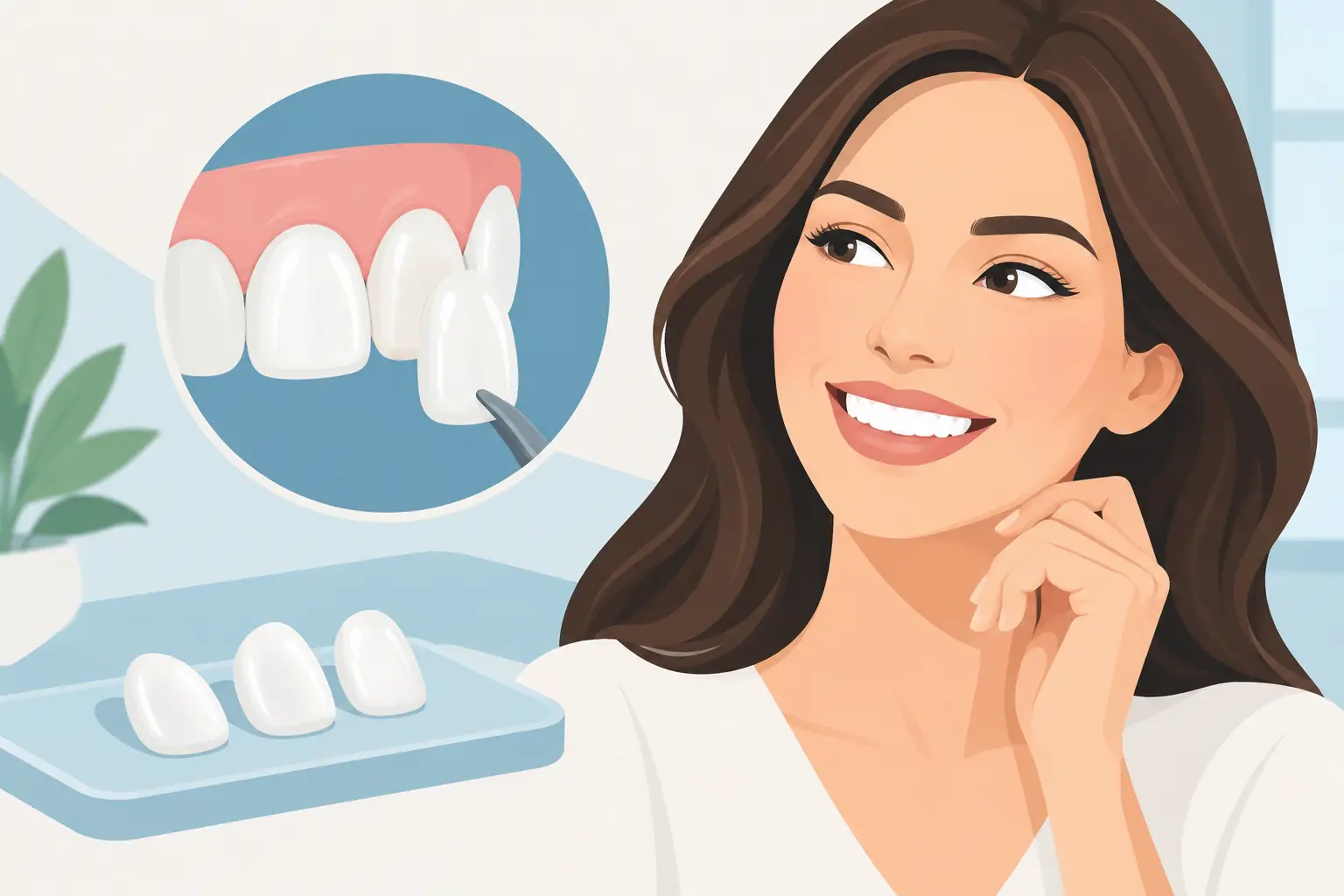
A porcelain veneer is a thin, custom-made shell bonded to the front surface of a tooth. It can change the tooth’s color, shape, length, or apparent position while preserving far more natural tooth structure than a crown typically requires.
For conventional veneers, your dentist removes a conservative amount of enamel so the finished tooth does not look bulky. Enamel does not grow back. That means the decision to place a traditional veneer is generally irreversible, even though the porcelain itself is not meant to last forever.
If a veneer reaches the end of its lifespan, chips, loosens, or develops a visible edge over time, it is usually replaced with a new veneer. The underlying tooth is still there, but it has been prepared and needs continued coverage. This distinction helps patients make a confident decision: veneers are not a temporary cosmetic trial, but they can be maintained and renewed for many years.
What about no-prep veneers?
Some patients may be candidates for minimal-prep or no-prep veneers, which require little to no enamel removal. These options can be appropriate in select situations, such as when teeth are naturally small or have spaces that need to be closed. They are not right for every smile.
A veneer that is too thick can affect speech, bite comfort, gum health, and the natural look of the result. A careful examination and smile design discussion are more valuable than choosing a treatment based on the word “reversible.” The best approach depends on your tooth shape, bite, enamel health, and cosmetic goals.
How Long Do Porcelain Veneers Last?
Porcelain is durable, stain resistant, and made to withstand normal chewing forces. Still, veneers live in a demanding environment. Every meal, clench, temperature change, and bite puts stress on your teeth and restorations.
Many well-made porcelain veneers last a decade or more. Some last 15 to 20 years with healthy gums, a stable bite, and consistent dental care. Others need attention sooner because of trauma, nighttime grinding, decay near the veneer edge, or changes in the gums.
The quality of planning matters as much as the porcelain. A dentist should evaluate not only the teeth you want to improve, but also the condition of your gums, your bite, existing fillings or crowns, and signs of clenching or grinding. Cosmetic dentistry looks best and lasts longest when it is built on a healthy foundation.
Signs a veneer may need replacement
A veneer does not always fail suddenly. You may notice a small chip, a rough area, a dark line near the edge, sensitivity, or a veneer that no longer matches surrounding teeth. Gum recession can also expose a small amount of the natural tooth near the gumline, which may affect appearance.
Contact your dentist if a veneer feels loose, your bite feels different, or you notice sensitivity that does not resolve. A damaged veneer should be evaluated promptly. Trying to ignore it can allow bacteria to reach the tooth underneath or lead to additional damage.
What Can Shorten the Life of Veneers?
Porcelain is strong, but it is not indestructible. Veneers can crack or chip when used to open packaging, tear tags, bite fingernails, or crunch hard objects such as ice. Front teeth are designed for biting food, not for being used as tools.
Grinding and clenching are another major concern. Some people wake with jaw soreness or headaches and know they grind, while others have no idea they are doing it at night. If your dentist sees wear patterns or you have symptoms of bruxism, a custom night guard can help protect both your veneers and your natural teeth.
Oral hygiene also matters. Porcelain does not decay, but the natural tooth and gum tissue around it can. Plaque buildup can lead to cavities at the veneer margins or gum inflammation that changes the look of your smile. Veneers do not replace the need for brushing, flossing, and routine professional care.
Caring for Porcelain Veneers Every Day
Caring for veneers is straightforward and should feel very similar to caring for healthy natural teeth. Brush twice daily with a soft-bristled toothbrush and nonabrasive toothpaste, floss once a day, and keep regular dental hygiene appointments. Your dental team can monitor the margins of each veneer, check your gums, and polish the porcelain safely when appropriate.
Avoid highly abrasive whitening toothpastes and harsh DIY whitening products unless your dentist recommends them. These products will not whiten porcelain, and aggressive abrasives may dull the polished surface or irritate gum tissue. If your surrounding natural teeth become darker over time, professional whitening may be considered, but the veneers themselves will keep their original shade.
If you wear a sports guard or night guard, bring it to dental visits so its fit can be checked. A guard that no longer fits properly may not offer the protection you need.
Are Veneers the Right Choice for Every Cosmetic Concern?
Not always. Veneers are an excellent option for many people who want to improve the appearance of visible teeth, but they are not a one-size-fits-all answer. Whitening may be enough for healthy teeth with surface discoloration. Invisalign may be a better first step when spacing, crowding, or bite alignment is the primary issue. Bonding can be a more conservative option for small chips or minor shape changes, although it may stain or wear more easily than porcelain.
If a tooth has extensive decay, a large existing filling, or has had root canal treatment, a crown may provide better protection than a veneer. Active gum disease must also be treated before cosmetic work is planned. Healthy gums frame a beautiful smile, and they are essential to the long-term success of veneers.
A personalized consultation should include a conversation about what you want to change, what you would like to preserve, and what level of maintenance feels comfortable for you. Photos, digital planning, and a close examination can help make the expected result clear before treatment begins.
Making a Long-Term Decision With Confidence
Choosing porcelain veneers is not simply about making teeth look whiter or straighter. It is a long-term commitment to maintaining a more refined smile. For the right patient, that commitment can be deeply worthwhile: porcelain offers natural translucency, reliable color, and a result that can feel remarkably like your own teeth.
At Finesse Family Dental, veneer planning starts with listening to your concerns and evaluating your oral health, bite, and goals carefully. Whether veneers are the right path or a more conservative treatment would serve you better, you deserve recommendations that support both your confidence and your long-term dental health.
A beautiful smile should never require guesswork. Ask questions, understand the commitment, and choose a treatment plan that feels right for the smile you will live with every day.