A tooth extraction is often a relief when a tooth is painful, damaged, or infected. The hours and days afterward matter, though. Knowing how to prevent dry socket helps protect the healing area, reduce discomfort, and give your mouth the best conditions to recover comfortably.
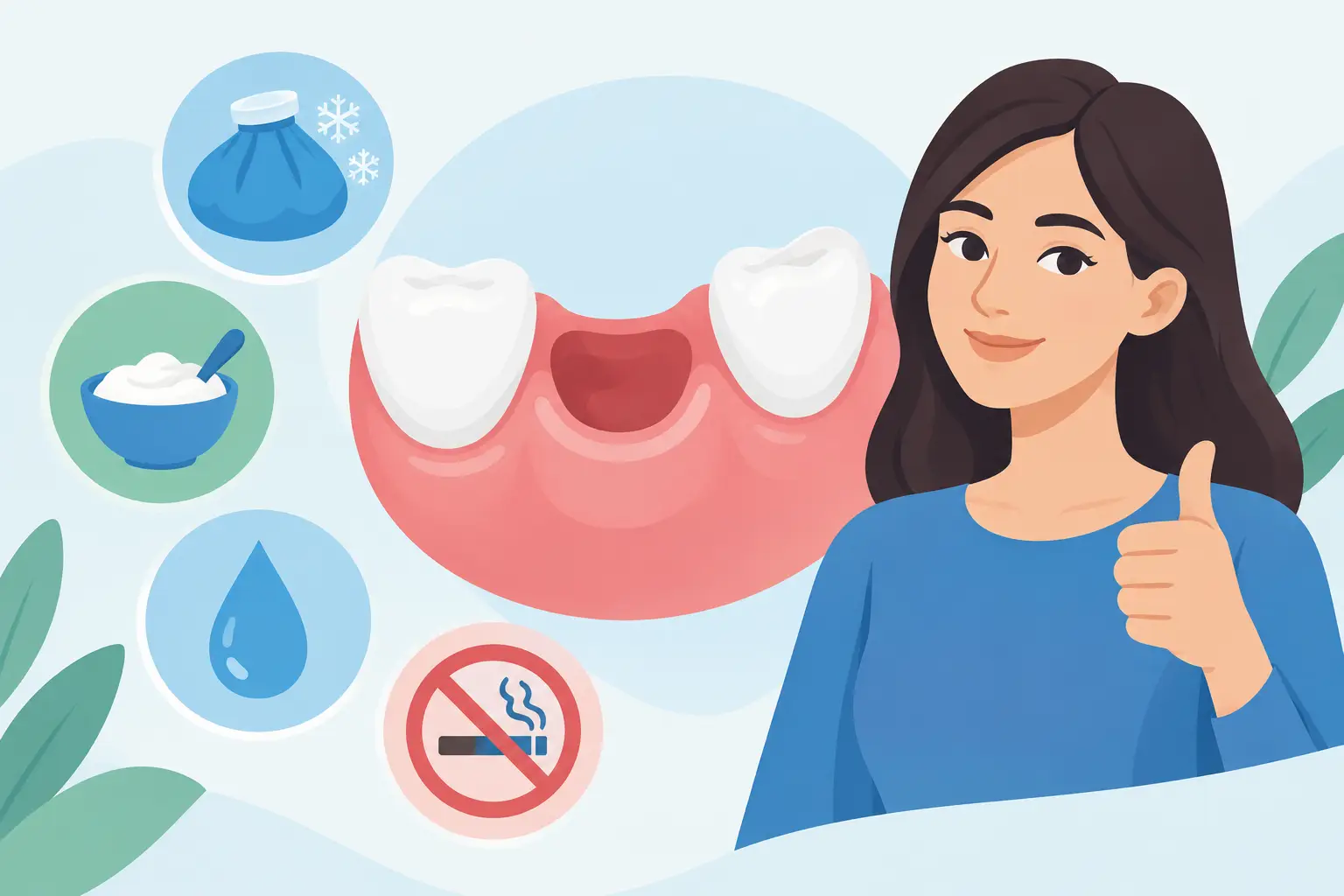
Dry socket is a relatively uncommon but painful complication that can occur after a tooth is removed, especially after wisdom tooth extraction. It happens when the protective blood clot at the extraction site dissolves, is dislodged, or does not form as it should. That clot is not something to worry about or try to clean away. It is your body’s natural bandage, covering the bone and nerve endings while new tissue develops.
Why the Blood Clot Needs Protection
After an extraction, your dentist places gauze over the site and asks you to bite down with gentle, steady pressure. This helps the blood clot form. During the first several days, the clot can be disturbed by forceful rinsing, spitting, smoking, or even drinking through a straw.
When the clot is lost too early, the underlying bone and nerves may be exposed. Rather than improving day by day, pain can become more intense, often starting two to five days after the extraction. It may radiate toward the ear, temple, or jaw on the same side. A bad taste or odor can also occur.
Following your personalized post-extraction instructions is the most reliable way to lower your risk. Your needs can vary based on the tooth removed, whether the procedure was surgical, your medical history, and medications you take.
How to Prevent Dry Socket: The First 24 Hours
The first day is when you need to be most protective of the extraction site. Keep the initial gauze in place for the amount of time your dentist recommends, commonly 30 to 60 minutes. If you are still bleeding afterward, replace it with fresh gauze as instructed and continue applying gentle pressure. A small amount of oozing or pink-tinged saliva can be normal.
Avoid rinsing your mouth, forcefully spitting, or touching the area with your finger or tongue. These actions can pull at the clot before it has a chance to stabilize. If saliva collects in your mouth, let it fall out gently rather than spitting.
Rest with your head elevated and avoid strenuous workouts, heavy lifting, and bending over repeatedly. Increased blood pressure can restart bleeding and interfere with early healing. Plan for soft foods that require little chewing, such as yogurt, applesauce, mashed potatoes, scrambled eggs, soup that has cooled to a safe temperature, or smoothies eaten with a spoon.
Take medications exactly as prescribed or recommended by your dentist. If local anesthesia was used, be cautious with hot foods and drinks until numbness has fully worn off. It is easy to burn your mouth or accidentally bite your cheek, lip, or tongue when you cannot feel it well.
Habits to Avoid While You Heal
Smoking and vaping are among the strongest risk factors for dry socket. The suction involved can dislodge the clot, while nicotine and other chemicals can restrict blood flow and slow healing. Ideally, avoid all tobacco and vaping products for as long as your dentist advises, and at least during the critical early recovery period. If stopping feels difficult, let your dental team know before the procedure so you can discuss a realistic plan.
Straws create a similar suction effect. Skip them for at least several days, even if you are having a smoothie or protein drink. Drink from a cup instead, or use a spoon.
Alcohol should also wait. It can irritate the healing tissue and may interact with prescription pain medication or antibiotics. Avoid it until your dentist says it is safe and you are no longer taking medications that should not be combined with alcohol.
Chewy, crunchy, spicy, or hard foods can irritate the surgical area or leave particles behind. For the first few days, choose soft foods and chew on the opposite side of your mouth whenever possible. As soreness improves, gradually return to your usual meals according to your dentist’s guidance.
Keep Your Mouth Clean, Gently
A clean mouth supports healing, but timing and technique matter. Do not brush directly over the extraction site on the day of your procedure. You can usually brush and floss your other teeth carefully, keeping the brush away from the surgical area.
Beginning the day after surgery, many patients are advised to use gentle warm saltwater rinses. Mix a small amount of salt into warm water, let the water move lightly around your mouth, and then allow it to flow out without force. Your dentist may give you different instructions, particularly after a more involved surgical extraction, so their guidance should always come first.
Do not use a commercial mouthwash unless your dentist has approved it. Some products contain alcohol and may sting or irritate healing tissue. If you have been prescribed a medicated rinse, use it exactly as directed.
Food particles can be frustrating, but do not probe the socket with a toothpick, fingernail, or toothbrush. If your dentist provides a syringe for gentle irrigation, wait until the specific day they tell you to begin. Starting too early can disturb the clot.
Understand Your Personal Risk Factors
Dry socket can happen even when a patient follows instructions carefully. However, certain factors can make it more likely. Lower wisdom teeth and complicated extractions tend to carry more risk than a simple extraction. Previous dry socket, smoking or vaping, poor oral hygiene, gum infection near the tooth, and some hormonal changes may also play a role.
Be open with your dentist about your full health history. Mention medications, supplements, tobacco use, pregnancy, contraceptive use, blood-thinning medications, diabetes, immune conditions, and any past problems after dental treatment. This information helps your dental team plan the extraction and aftercare around your needs.
If you have diabetes or another condition that affects healing, keeping it well managed around the time of your procedure is especially helpful. Do not stop or change any medication on your own. Your dentist and physician can advise you if adjustments are needed.
What Normal Healing Can Feel Like
Some soreness, swelling, tenderness, and mild jaw stiffness are expected after an extraction. These symptoms are usually most noticeable during the first couple of days and then begin to improve. Using a cold pack on the outside of your cheek during the first 24 hours, in brief intervals, can help reduce swelling. After that, your dentist may recommend warmth if jaw stiffness continues.
You may see a dark clot or light-colored healing tissue in the socket. Both can be part of normal healing. The area does not need to look perfectly closed right away. Trying to inspect it repeatedly can cause unnecessary worry and may irritate the site.
Pain medication should make you reasonably comfortable when used as directed. If you have questions about whether a symptom is normal, it is always appropriate to call your dental office. Reassurance is part of good aftercare.
When to Call Your Dentist
Contact your dentist promptly if pain becomes severe or noticeably worse after initially improving, especially two to five days after the extraction. Other reasons to call include pain that travels to your ear or jaw, a persistent foul taste or odor, fever, increasing facial swelling, trouble swallowing, uncontrolled bleeding, or a reaction to medication.
Do not try to treat suspected dry socket at home with clove oil, aspirin placed on the gums, or other remedies. These can burn or irritate oral tissue and delay appropriate care. Your dentist can gently clean the area and place a soothing medicated dressing when needed. Treatment is focused on relieving pain and supporting proper healing.
If you have difficulty breathing, severe swelling that affects your airway, or signs of a serious allergic reaction, seek emergency medical care immediately.
A calm, well-planned recovery makes a real difference after an extraction. At Finesse Family Dental, patients receive clear, personalized instructions and compassionate support so they know what to expect after treatment. Protect the clot, keep the area clean without being aggressive, and call your dentist early if something does not feel right. That simple attention gives your smile the strongest start toward healing.