If you have been told you need laser gum treatment, one question usually comes first: is Waterlase painful? For many patients, Waterlase treatment is more comfortable than they expect. The technology is designed to treat gum concerns with a gentle combination of laser energy and a fine water spray, often reducing the pressure, vibration, and scraping associated with traditional methods.
That said, no dental treatment feels exactly the same for every person. Your comfort can depend on the health of your gums, the extent of treatment needed, and your own sensitivity. A caring dentist will never assume that “less invasive” means you should simply push through discomfort. Your comfort should be checked throughout the visit, with numbing options available whenever they are appropriate.
What Waterlase Treatment Actually Feels Like
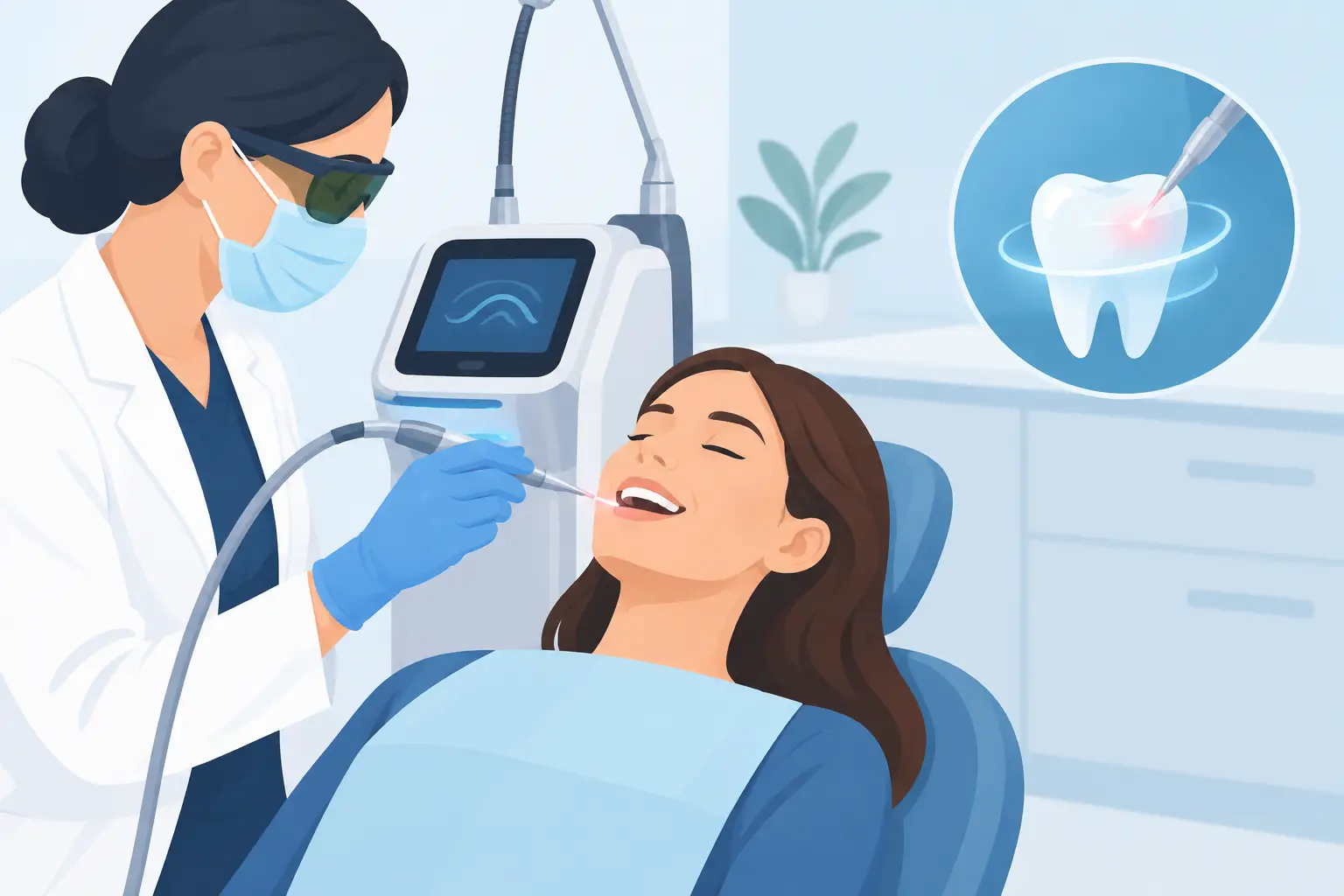
Waterlase is a dental laser system that uses laser energy and water to gently remove unhealthy tissue and bacteria while supporting the treatment of gum disease. Rather than relying solely on manual instruments, the dentist can precisely target the treatment area with a small handpiece.
Patients commonly describe the feeling as a light spray, a mild tapping sensation, or brief warmth. You may hear the device working and notice the sound of suction, much like you would during a cleaning. The water spray also helps keep the area comfortable and clear during treatment.
For mild gum treatment, some patients need little or no anesthetic. Others prefer local anesthetic simply because they want to feel as relaxed as possible. Neither choice is a measure of how well you handle dental care. It is about tailoring treatment to you.
Is Waterlase Painful During Gum Treatment?
Waterlase is not automatically pain-free, but it is often associated with less discomfort than conventional gum procedures. The laser can be highly precise, which means there may be less trauma to nearby healthy tissue. Many patients also experience less bleeding and swelling than they expect.
The answer depends most on the condition being treated. Gums that are inflamed, infected, or very tender can be sensitive before treatment even begins. Deep periodontal pockets, advanced gum disease, or treatment across several areas of the mouth may call for local anesthetic to keep you comfortable.
Your dental team may also recommend numbing if you have a low pain threshold, a strong gag reflex, dental anxiety, or a previous history of discomfort during periodontal care. Asking for numbing is always reasonable. Gentle dentistry means listening to what helps you feel secure, not using a one-size-fits-all approach.
Why Some Patients Find It More Comfortable
Traditional deep cleaning techniques can involve hand instruments and ultrasonic tools working beneath the gumline. Those approaches remain valuable in many situations, but they can create a sensation of pressure or scraping that some patients dislike.
Waterlase may feel gentler because it can remove diseased tissue and bacteria with a focused laser and water stream. The treatment is controlled and targeted, which can help limit unnecessary irritation to surrounding areas. For patients who avoid dental care because they fear discomfort, that difference can make it easier to receive needed gum treatment before the condition progresses.
What Happens After Waterlase?
After treatment, it is normal to have some mild tenderness as your gums begin to heal. The degree of soreness varies. A patient receiving limited treatment for early gum inflammation may feel almost back to normal quickly, while someone treated for more advanced periodontal disease may notice sensitivity for a few days.
Your gums may feel tender when brushing, flossing, or chewing foods with sharp edges. Small changes in temperature sensitivity can also happen temporarily. Your dentist will provide instructions based on your treatment, but patients are often advised to choose softer foods for a short time, brush gently, and maintain careful home hygiene.
If anesthetic was used, avoid chewing until the numbness has worn off so you do not accidentally bite your cheek, lip, or tongue. Over-the-counter pain relief may be recommended when appropriate for your health history. Severe or worsening pain is not something to ignore. Contact your dental office if you have concerns, especially if discomfort increases rather than improves.
Waterlase Comfort Depends on More Than Technology
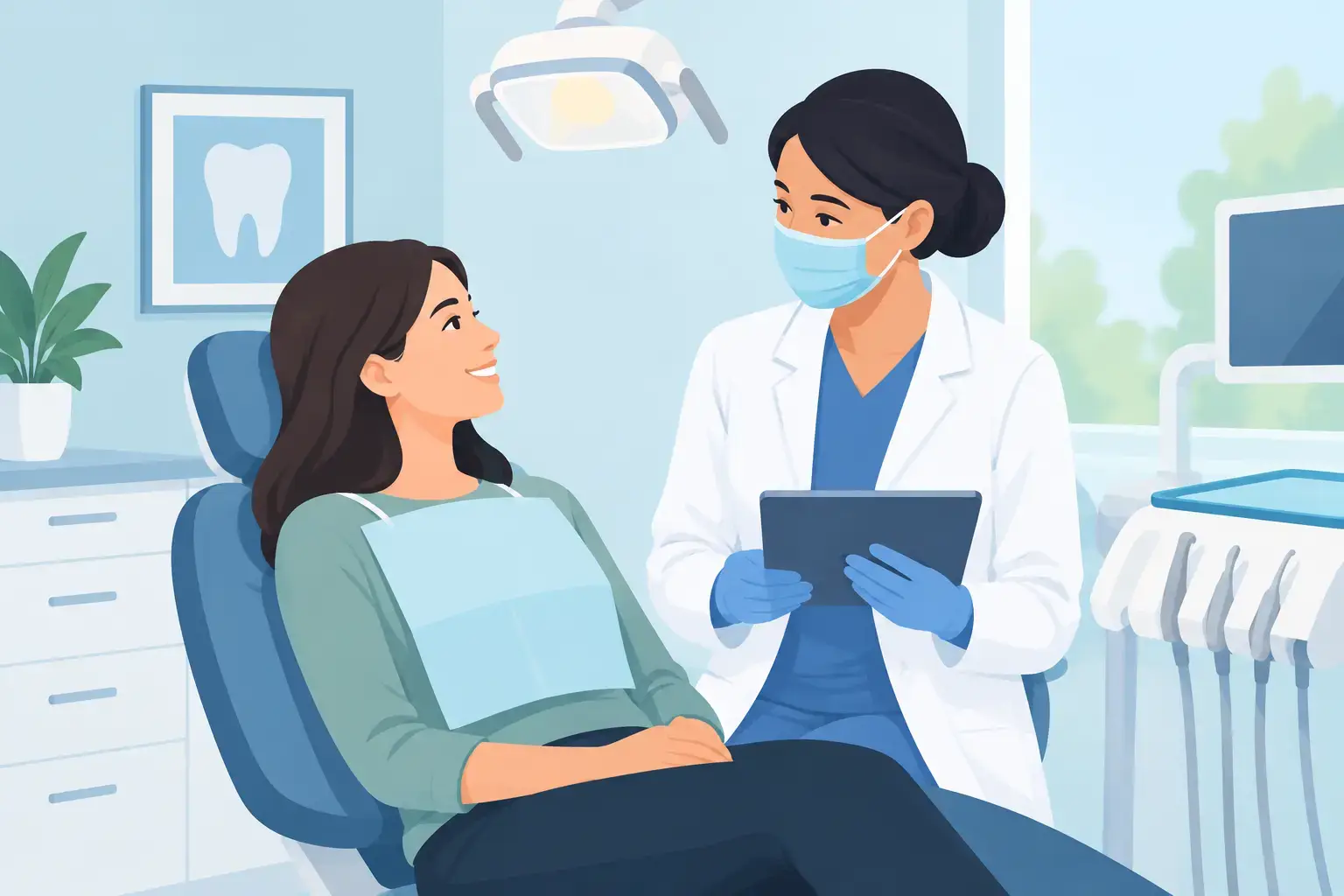
Technology matters, but the experience also depends on planning and communication. Before beginning treatment, your dentist should explain why Waterlase is being recommended, what part of the mouth will be treated, and whether anesthetic is advised. You should know what to expect before you sit back in the chair.
Let your dental team know if you are nervous, sensitive to sound, concerned about gagging, or worried about pain. Even a simple hand signal can make a meaningful difference. It gives you a way to pause the procedure if you need a break.
At Finesse Family Dental, personalized care means considering the person behind the diagnosis. Some patients want every detail explained as treatment progresses. Others feel calmer when the team checks in briefly and lets them rest. Both preferences are valid, and sharing yours helps create a more positive appointment.
When Numbing May Still Be Needed
One of the common misconceptions about laser dentistry is that anesthesia is never needed. While Waterlase may reduce the need for anesthetic in certain cases, it is not a promise that every procedure will be performed without numbing.
Local anesthetic is often a sensible choice when treatment extends deep below the gumline, when infection or inflammation is significant, or when multiple areas need care in one visit. It may also be appropriate if you have particularly sensitive teeth or gums. The goal is not to avoid numbing at all costs. The goal is to provide effective treatment without unnecessary discomfort.
There can be a practical trade-off, too. Choosing anesthetic may add a little time to the visit and leave you numb afterward, but it can allow the dentist to treat the area thoroughly while you remain comfortable. Your dentist can help you weigh that choice based on the details of your periodontal health.
How to Make Your Appointment Easier
Arriving rested, eating a light meal beforehand if your dentist has not given different instructions, and allowing enough time so you do not feel rushed can all help. If dental anxiety is part of the picture, mention it when scheduling rather than waiting until treatment begins. Your office can plan for extra communication, comfort measures, or a slower pace.
Continue following your home-care routine unless your dentist tells you otherwise. Healthy daily habits do not replace professional periodontal treatment, but brushing thoroughly, cleaning between teeth, and keeping regular appointments can support healing and help protect your results.
Pain should not be the reason gum disease goes untreated. If you are concerned about how Waterlase may feel, a consultation can replace uncertainty with a clear plan for your comfort, your oral health, and the next step toward healthier gums.