If you have searched “what to expect at first dental visit,” you may be feeling a mix of curiosity and nerves. That is completely normal. A first appointment is not a test you need to pass. It is a chance for your dentist to understand your health, hear your concerns, and help you make confident decisions about your smile.
At a caring family dental office, the experience should feel organized, unhurried, and personal. Whether you are coming in for a routine checkup, returning to dentistry after several years, bringing in a child, or seeking help for discomfort, your visit begins with a conversation – not a lecture.
What to Expect at Your First Dental Visit
Most first dental visits include time for paperwork, diagnostic records, a comprehensive exam, and a discussion of next steps. Depending on your needs and the reason for your appointment, you may also receive a cleaning that day. If more time is needed for a detailed exam, periodontal care, or treatment, your dental team may schedule the cleaning or procedure separately so it gets the attention it deserves.
A typical appointment often lasts between 60 and 90 minutes. The exact timing depends on your oral health history, whether you have current pain, and when you last had dental X-rays or a professional cleaning.
Before you arrive: paperwork and practical details
Plan to arrive a little early for your first appointment. You will usually complete forms about your medical history, current medications, allergies, past dental treatment, and insurance coverage. This information matters because conditions such as diabetes, pregnancy, heart disease, dry mouth, or certain medications can affect your gums, healing, and treatment recommendations.
Bring a photo ID, your dental insurance card if you have one, and any recent dental records or X-rays you can access. If you have a PPO plan, the office can help review your benefits and explain estimated out-of-pocket costs. Insurance is useful, but it does not always cover every recommended service in full. A clear discussion early on helps prevent surprises later.
If dental visits make you anxious, say so when you schedule and again when you arrive. Fear of discomfort, embarrassment about the condition of your teeth, a sensitive gag reflex, or a difficult experience elsewhere are all concerns your dental team should take seriously. Sharing them allows the office to adjust the pace, explain what is happening, and focus on your comfort.
A conversation about your goals and concerns
Before looking at your teeth, your dentist or hygienist will want to know why you came in. You may be concerned about a toothache, bleeding gums, bad breath, sensitivity, a broken filling, or a smile you would like to improve. You may also simply want a dependable place for regular preventive care for yourself or your family.
Be direct about what you have noticed and how long it has been happening. Mention if pain wakes you up, occurs when chewing, lingers after hot or cold foods, or has caused swelling. These details can help identify whether the issue may involve decay, a cracked tooth, gum infection, or the nerve inside a tooth.
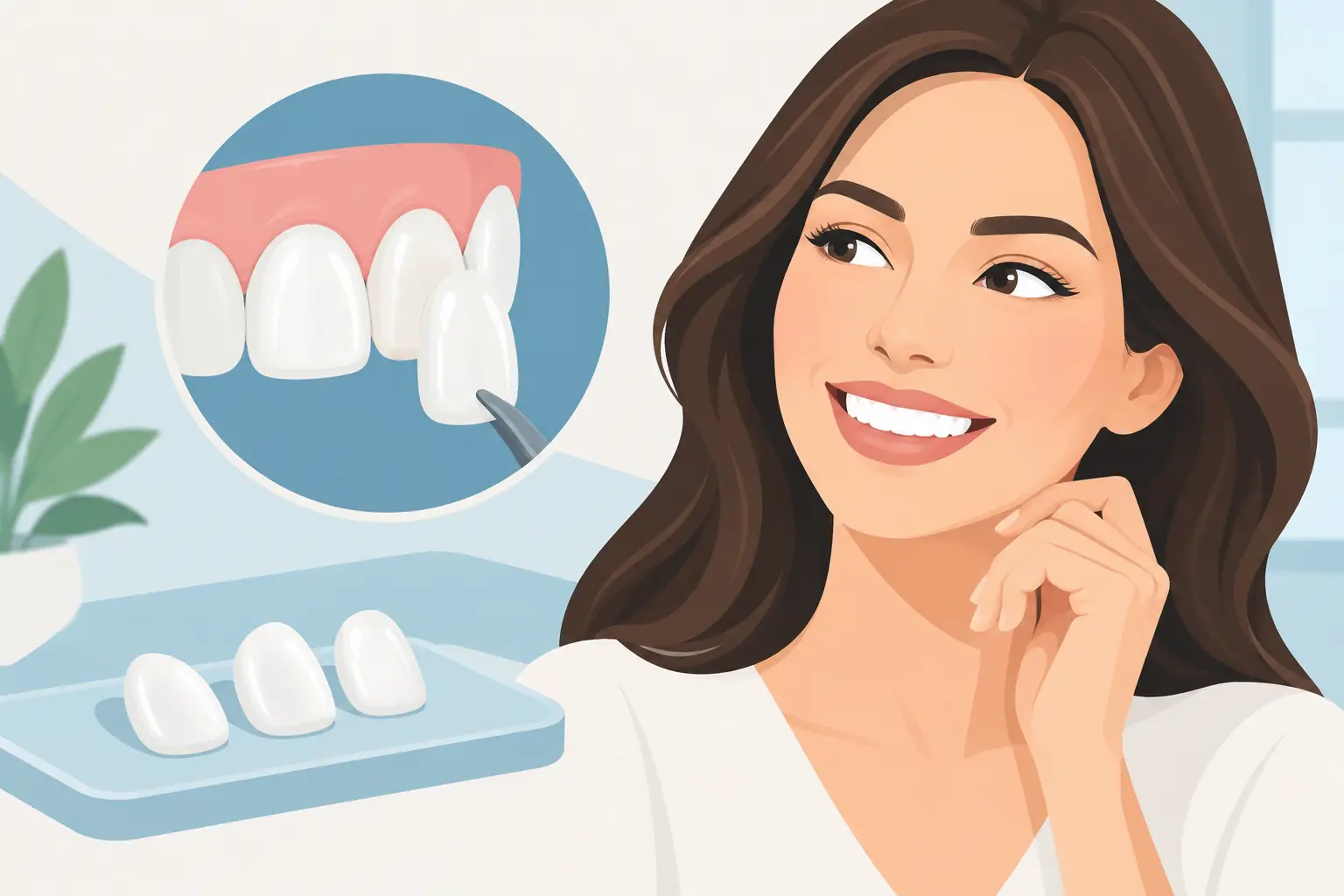
Your priorities matter too. Some patients want to protect their natural teeth for the long term. Others are exploring whitening, veneers, Invisalign, implants, or a more complete smile makeover. A good first visit connects those goals with a realistic plan for your oral health, timeline, and budget.
Your exam: more than checking for cavities
The clinical exam is a detailed evaluation of your teeth, gums, bite, and the tissues in and around your mouth. Your dentist checks for cavities, worn or fractured teeth, loose or failing restorations, signs of infection, and concerns with your bite or jaw. They also screen for changes in the cheeks, tongue, lips, throat, and other soft tissues.
Your gums receive close attention because gum disease can progress quietly. The team may measure the small spaces between your gums and teeth, called periodontal pockets. Healthy gums generally have shallow measurements and little to no bleeding. Deeper pockets, bleeding, recession, or bone loss can point to inflammation or periodontal disease that needs more than a standard cleaning.
This process is not meant to make you feel judged. It gives your dentist a baseline. Even if it has been years since your last visit, the most helpful next step is to understand where you are now and start from there.
Why X-rays may be recommended
Dental X-rays let your dentist see areas that cannot be evaluated with the eyes alone, including between teeth, below existing fillings or crowns, the roots, and the supporting bone. They can reveal early decay, infection, bone loss, impacted teeth, and other issues before they become more painful or expensive to treat.
You may not need a full set of new X-rays if you have recent, usable images from another office. The type and number recommended depend on your age, symptoms, risk for decay, gum health, and dental history. Modern digital X-rays use low radiation, and your dentist should explain why the images are appropriate for your care.
In some cases, intraoral photos or a digital scan may also be used. These records can make it easier for you to see what your dentist sees and track changes over time.
Will you get a cleaning at the first visit?
Often, yes. If your gums are healthy and your appointment allows enough time, a hygienist may provide a routine cleaning during the same visit. This removes plaque, tartar, and surface stains, then leaves your teeth feeling smooth and refreshed.
However, a routine cleaning is not right for every patient. If the exam shows significant gum inflammation, deeper pockets, or hardened deposits below the gumline, you may need periodontal treatment instead. This is a different type of care designed to treat the infection and protect the bone supporting your teeth. It can be disappointing to learn that a quick cleaning is not the best option that day, but choosing the appropriate treatment is safer and more effective.
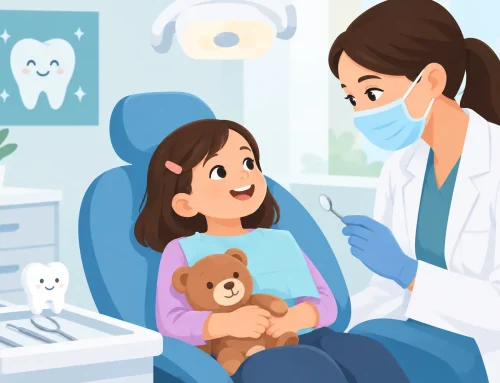
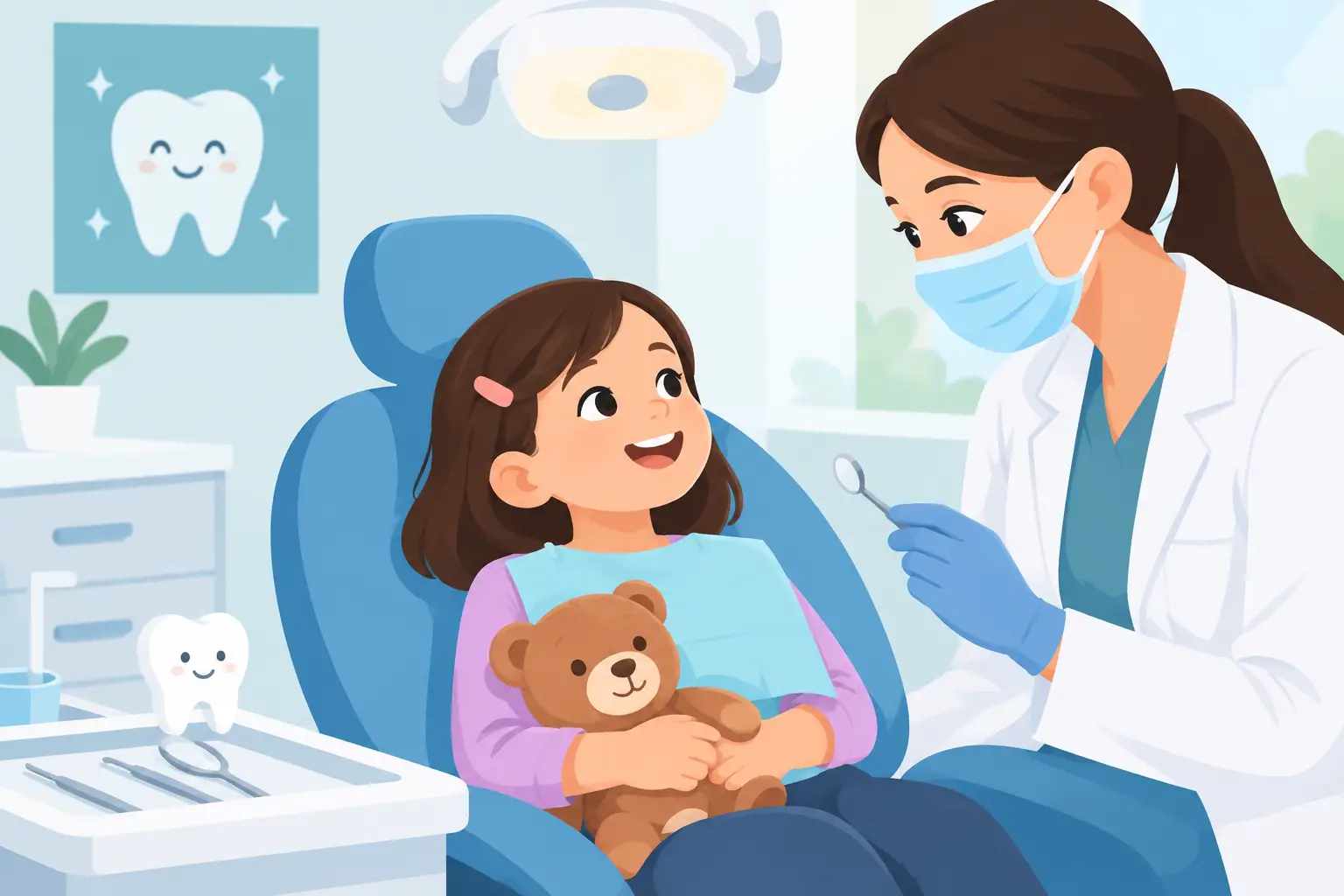
For children, the first visit may be shorter and more focused on comfort, familiarization, cavity prevention, and healthy brushing habits. The approach depends on the child’s age, cooperation, and dental needs. A positive early experience can make future appointments much easier.
Reviewing your care plan without pressure
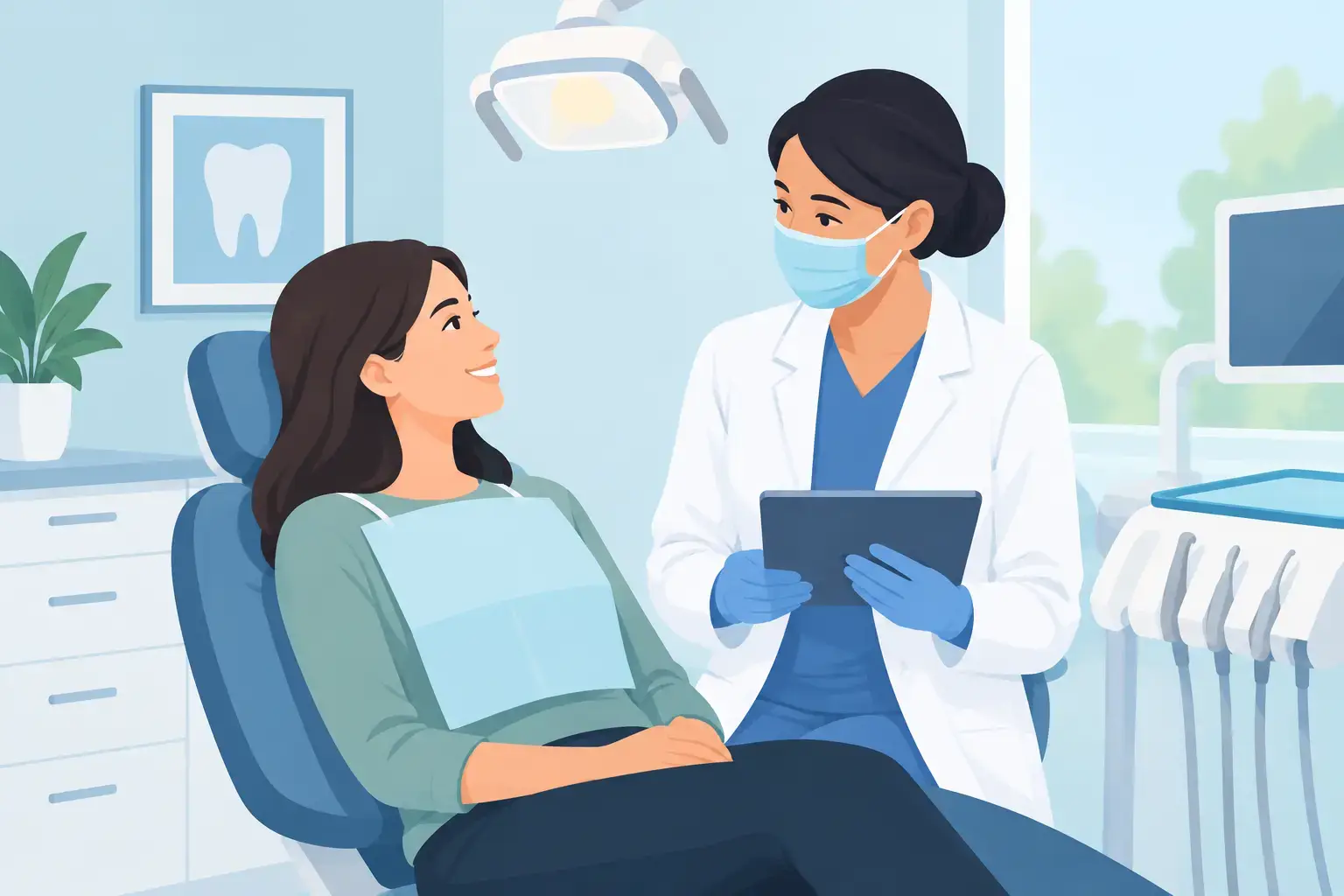
At the end of your appointment, your dentist will review the findings in clear language. If treatment is needed, you should understand what is urgent, what can be monitored, and what may be elective. For example, a painful infection or broken tooth may need prompt care, while whitening or cosmetic bonding can be planned around your schedule.
A thoughtful plan may include preventive visits, fillings, crowns, gum treatment, root canal therapy, extractions, implants, orthodontic options, or cosmetic services. Not every issue needs to be treated immediately. The right order depends on your comfort, health, priorities, insurance benefits, and financial considerations.
Ask questions until you feel comfortable. It is reasonable to ask what a treatment does, what may happen if you wait, how many visits it requires, what it will cost, and what alternatives are available. You deserve straightforward answers and time to decide.
At Finesse Family Dental, patients in Fremont and the East Bay can receive preventive, restorative, periodontal, cosmetic, orthodontic, and surgical care in one professional setting. That breadth can be especially helpful when your needs change over time, from a simple cleaning to more advanced treatment.
How to make your first visit easier
Eat a light meal beforehand unless the office gives you different instructions. Brush and floss as you normally would, but do not worry about making your teeth look perfect. Your dentist needs an honest view of your oral health, not a polished performance.
Write down your questions before you come in, especially if you are worried about pain, treatment options, insurance, or the appearance of your smile. If you have dental anxiety, consider asking for simple accommodations such as a signal to pause, explanations before each step, or breaks during treatment. Small adjustments can change the entire experience.
Your first dental visit is the beginning of a relationship built on trust, not a one-time evaluation. Show up with your questions, your health history, and your goals. The rest should feel like compassionate, professional care moving at a pace that helps you feel ready for a healthier smile.