When chewing starts to hurt, old dental work keeps failing, or you avoid smiling in photos, the problem usually is not just one tooth. A full mouth restoration guide helps you understand the bigger picture – how dentists rebuild comfort, function, and appearance when several issues are happening at once.
For many patients, full mouth restoration is not about vanity. It is about eating without pain, speaking clearly, treating gum disease, replacing missing teeth, and fixing years of wear or damage in a thoughtful order. The goal is a healthy bite that feels stable and looks natural, not a rushed collection of temporary fixes.
What full mouth restoration really means
Full mouth restoration, sometimes called full mouth rehabilitation, is a personalized treatment plan that restores most or all of the teeth in the upper and lower arches. That can include repairing damaged teeth, replacing missing teeth, improving the way the bite comes together, and treating problems in the gums or jaw that affect long-term results.
This is different from a simple cosmetic refresh. Whitening or veneers can improve appearance, but full mouth restoration usually starts with health and function first. If you have infection, broken teeth, loose restorations, advanced wear, or bite problems, those concerns need to be addressed before cosmetic details make sense.
Every case looks a little different. One patient may need crowns, implants, and periodontal treatment. Another may need root canal therapy, bridges, and replacement of worn fillings. The treatment mix depends on what is causing the damage, how much healthy tooth structure remains, and what outcome you want.
Signs you may need a full mouth restoration guide
Patients often assume they need “a lot of dental work” without knowing whether the issues connect. In reality, several small problems can be part of one larger pattern.
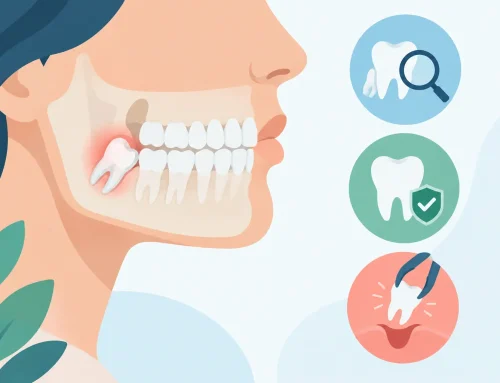
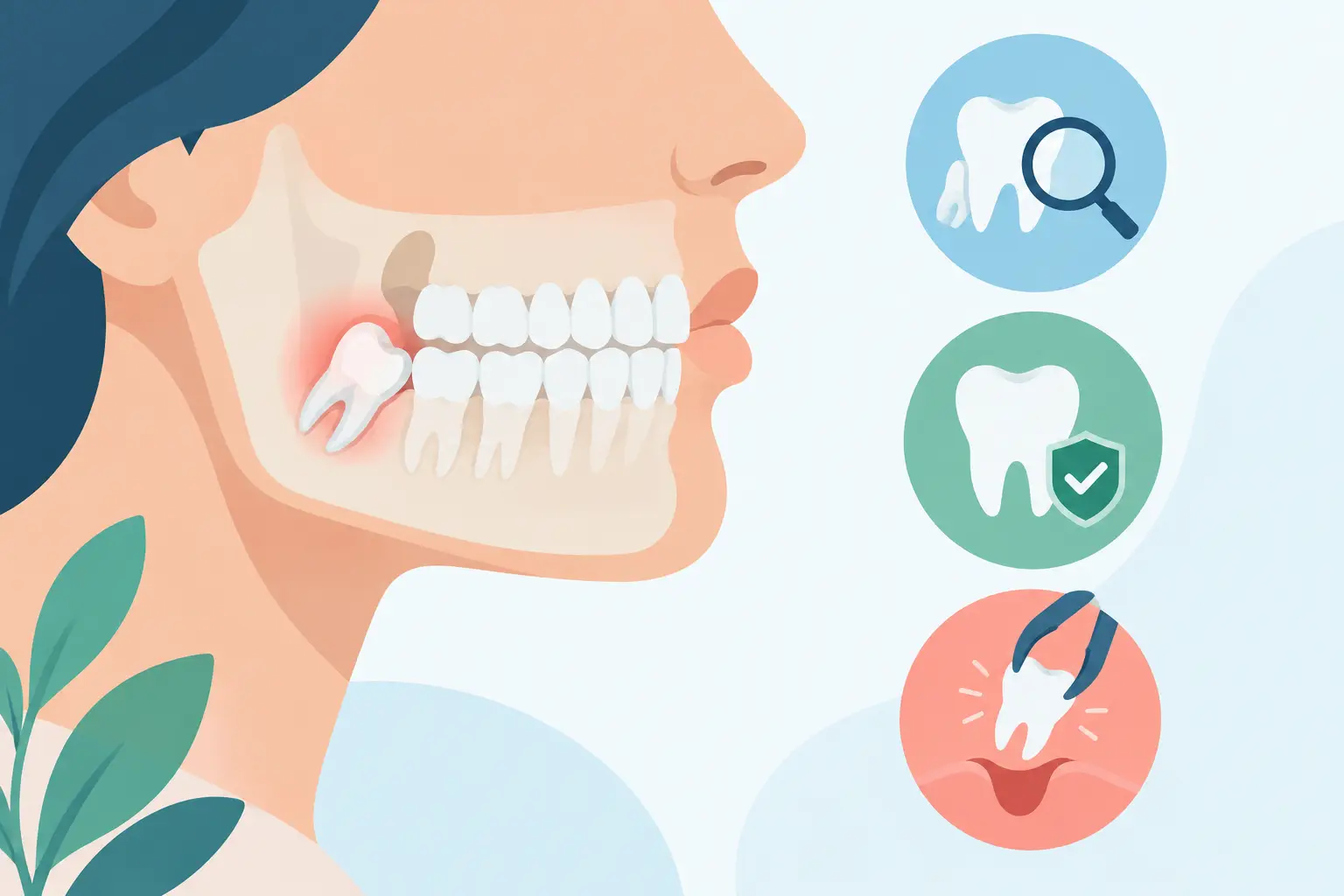
You may be a candidate for full mouth restoration if you have multiple missing teeth, teeth that are cracked or severely worn down, repeated dental pain, difficulty chewing, advanced gum disease, or older dental work that is breaking down across the mouth. Some people also seek treatment after years of grinding, trauma, untreated decay, or long-term acid erosion.
Another clue is when your bite no longer feels even. If certain teeth hit first, your jaw feels tired, or you avoid chewing on one side, the imbalance can keep creating new problems. Treating one tooth at a time may not solve it if the overall bite needs correction.
What happens during the planning phase
A good full mouth restoration guide should make one point clear: planning matters as much as treatment. Before any major work begins, your dentist needs a complete view of your oral health.
That usually includes a detailed exam, digital X-rays, photos, and discussion of your symptoms, goals, and history. In some cases, impressions or digital scans are used to study your bite and how your teeth fit together. If gum disease, infection, or jaw concerns are present, those findings shape the sequence of care.
This is also when practical decisions come in. How quickly do you want to move? Which concerns are urgent, and which can be phased over time? What is realistic for your budget and insurance? The best treatment plans are thorough, but they are also personal. There is rarely only one correct path.
Common treatments used in full mouth restoration
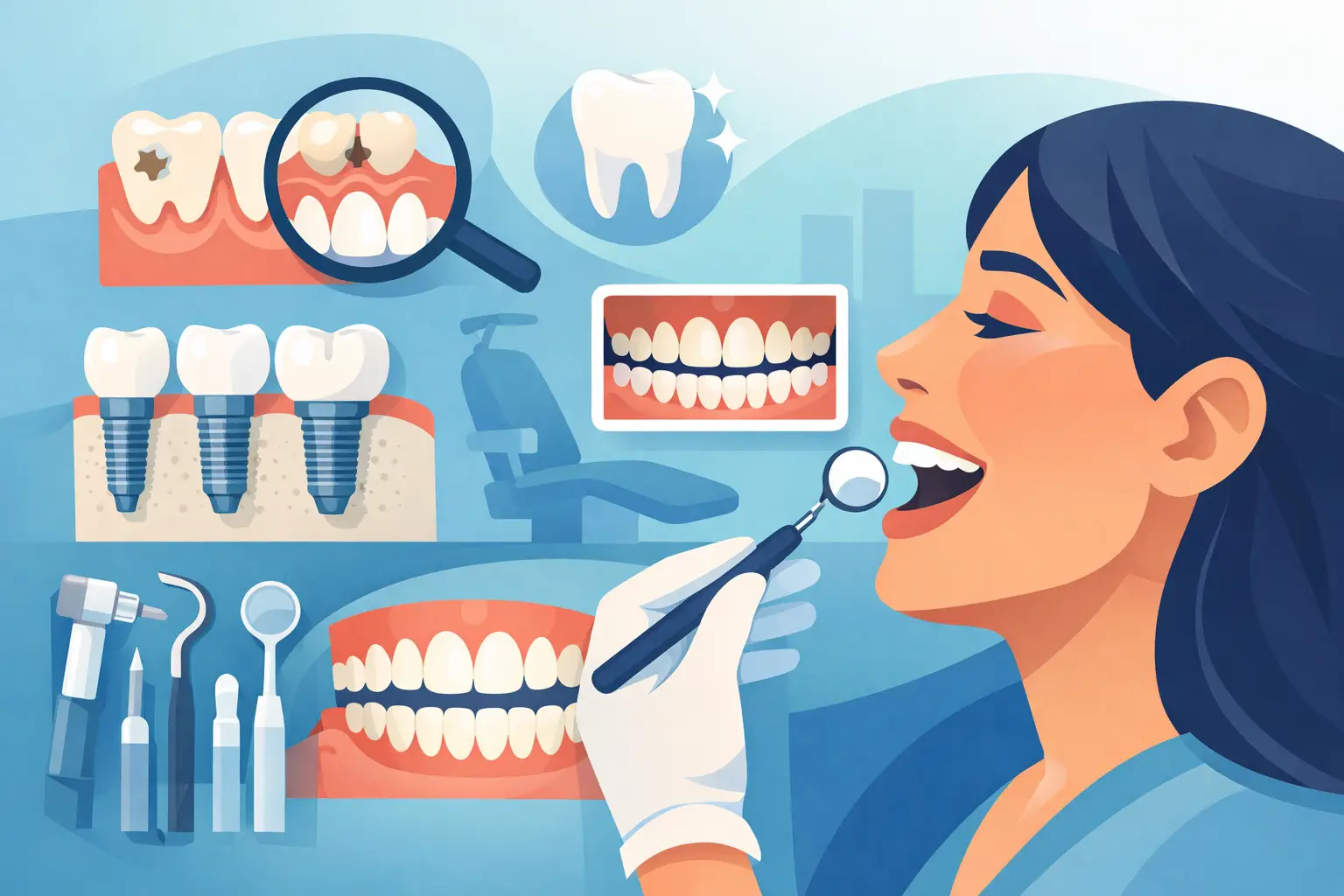
Most full mouth cases involve a combination of services rather than a single procedure. Crowns are often used to protect weakened teeth and rebuild shape. Fillings or inlays may restore teeth with moderate damage. Root canal therapy can save teeth with deep infection.
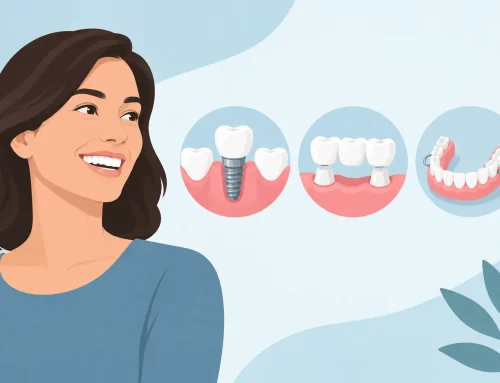
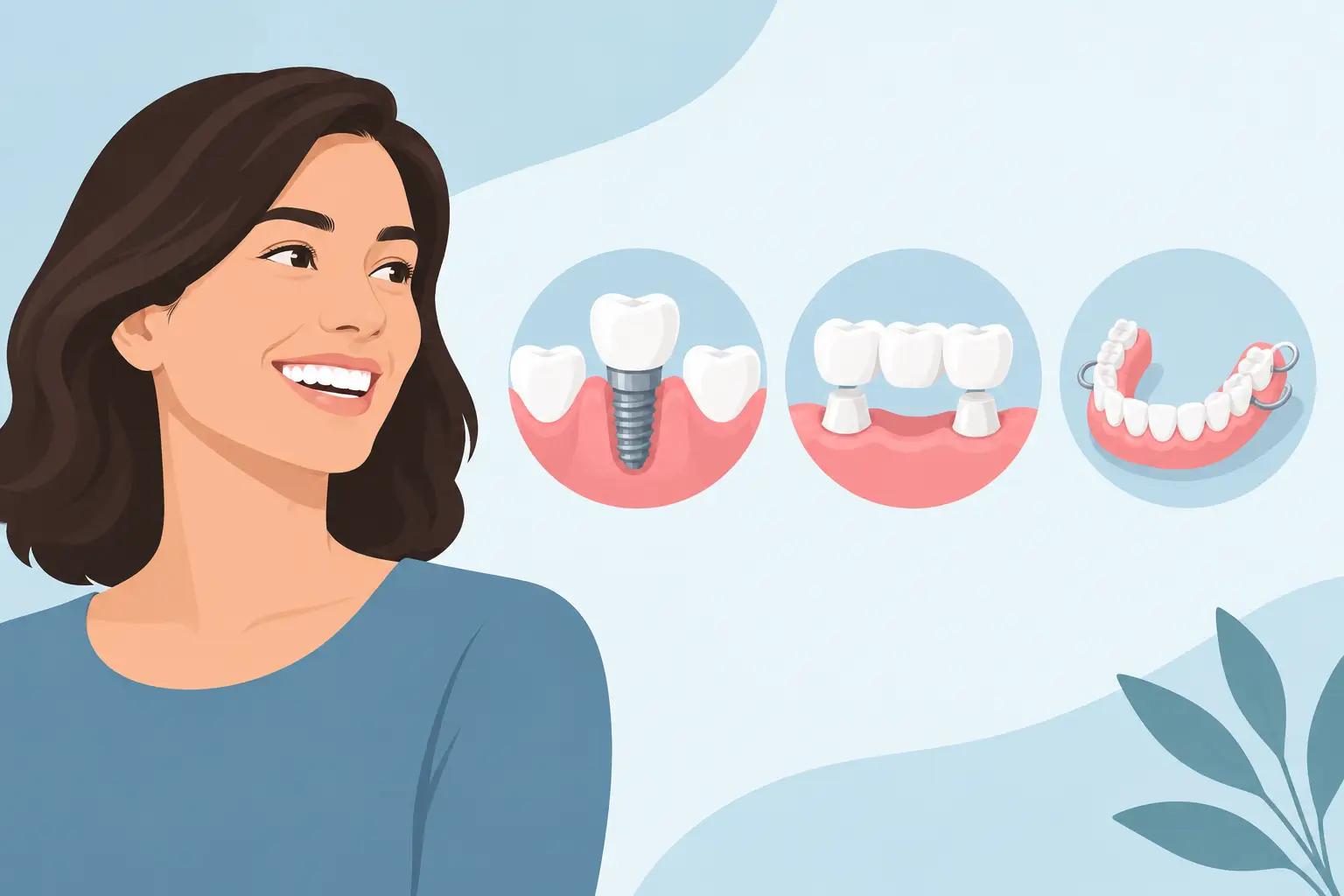
When teeth are missing, bridges, dentures, or dental implants may be recommended. Each option has trade-offs. Implants can feel very stable and help preserve bone, but they require adequate bone support, healing time, and a higher upfront investment. Bridges can be an effective fixed option in the right case, but they rely on neighboring teeth. Dentures can restore many teeth efficiently, though some patients want more stability than removable appliances provide.
Gum treatment is also a major part of many restorations. If the foundation is unhealthy, even excellent dental work will be harder to maintain. Periodontal therapy may be needed before restorative care can move forward with confidence.
Cosmetic procedures may come later in the process. Veneers, whitening, or refinement of tooth shape can be part of the final result, but they work best after bite issues, disease, and structural problems are under control.
Why treatment order matters
One of the biggest mistakes in complex dentistry is treating visible damage without addressing the cause. If teeth are breaking because of grinding, acid wear, or an unstable bite, simply replacing the broken parts may lead to more breakage.
That is why sequence matters. Dentists often start with disease control – treating decay, infection, and gum problems first. Next comes stabilization, which can include extractions of hopeless teeth, temporary restorations, or bite adjustment. After that, the dentist can place longer-term restorations with a clearer picture of how everything should function.
Sometimes orthodontic treatment is part of the plan, especially if tooth position is affecting spacing, bite, or restorative options. It depends on the case. Moving teeth first can sometimes reduce the amount of drilling or make replacement work more predictable.
How long does full mouth restoration take?
Patients often want one number, but timelines vary widely. A simpler case may be completed in a few months. A more involved case that includes gum treatment, implants, healing periods, or staged bite reconstruction can take much longer.
The timeline also depends on your schedule and preferences. Some people want to complete care as efficiently as possible. Others prefer a phased approach that spreads appointments and costs over time. Neither approach is wrong if the plan remains organized and protective of your long-term outcome.
What matters most is not speed for its own sake. It is getting durable results. In many cases, careful staging reduces setbacks and helps each phase support the next one.
Cost, insurance, and value
A full mouth restoration can be a significant investment, so cost deserves a clear and honest conversation. The final amount depends on the number of teeth involved, the condition of the gums and bone, the type of restorations used, and whether treatment includes implants, surgery, or cosmetic finishing.
Insurance may help with certain medically necessary parts of treatment, such as exams, periodontal therapy, fillings, crowns, or extractions, depending on your plan. Cosmetic portions are often handled differently. Because coverage varies, it helps to review benefits early so there are fewer surprises.
It is also worth thinking beyond the initial fee. A lower-cost option can be appropriate in some situations, but it is not always the best value if it solves only part of the problem. Good dentistry should make daily life better – less pain, easier chewing, fewer emergencies, and more confidence when you speak and smile.
Choosing the right dentist for full mouth care
This kind of treatment works best when your dentist can see the whole case, not just one isolated tooth. You want a provider who is experienced in comprehensive care, communicates clearly, and can explain why one sequence or solution makes more sense than another.
Comfort matters too. Large treatment plans can feel overwhelming, especially for patients who have delayed care because of fear, embarrassment, or past negative experiences. A practice that combines modern technology, broad in-house services, and a gentle approach can make the process much more manageable. For patients in Fremont and the East Bay, that kind of coordinated care can save time and reduce the stress of being sent from office to office.
At Finesse Family Dental, this patient-centered approach is a major part of comprehensive treatment planning. The goal is not to pressure patients into major dentistry. It is to help them understand their options, prioritize what matters most, and move forward with confidence.
Questions to ask at your consultation
When you meet with a dentist, ask what is causing the current problems, which treatments are essential now, and which can be phased later. Ask how the bite will be evaluated, what alternatives exist for missing teeth, and how long the full process may take.
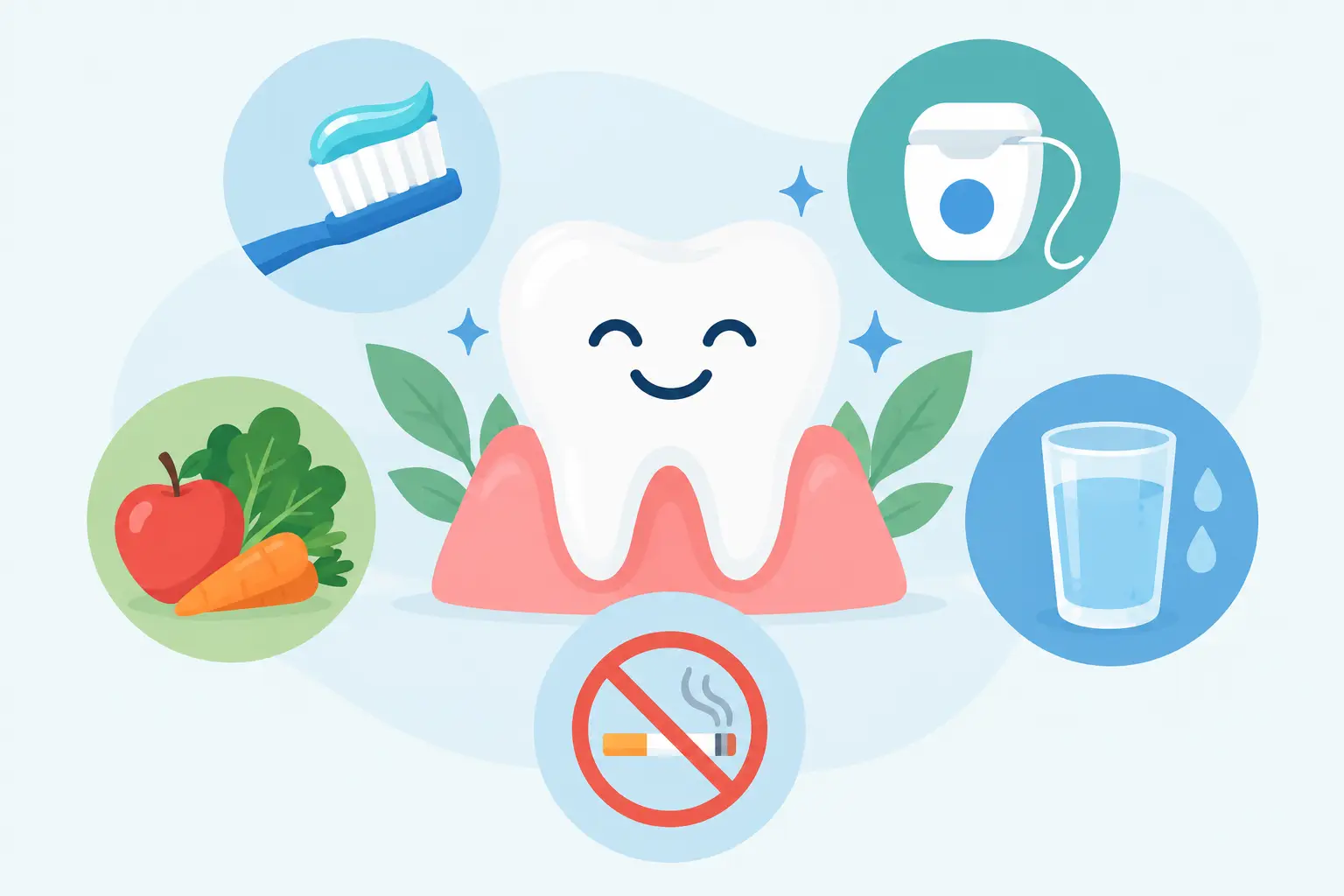
You should also ask about maintenance. Even excellent restorative work needs ongoing cleanings, home care, and sometimes a night guard if grinding is part of the picture. A strong result is not just about getting through treatment. It is about keeping your mouth healthy afterward.
If you are considering major dental work, give yourself permission to ask for explanations in plain language. The right plan should feel clear, practical, and tailored to your needs. When treatment is built on careful diagnosis and genuine care, restoring your mouth can also restore a sense of ease you may have been missing for years.