A tooth can feel perfectly fine while a small cavity is growing between teeth or early gum inflammation is developing below the gumline. That is why a preventive dental care guide is about more than avoiding a toothache. It is a practical plan for finding small concerns early, protecting the work already in your smile, and helping your family avoid disruptive treatment later.
For busy Fremont families and professionals, prevention should feel manageable, not like another complicated task. The right daily habits, regular professional care, and a dentist who knows your history can make a meaningful difference in both comfort and long-term oral health.
What Preventive Dental Care Actually Does
Preventive dentistry focuses on stopping oral health problems when possible and detecting them when they are still easier to treat. Brushing and flossing are central to that effort, but they cannot remove every deposit or reveal every issue. Professional exams, dental cleanings, and diagnostic images each play a different role.
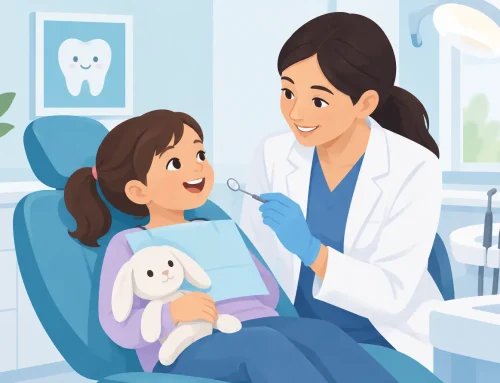
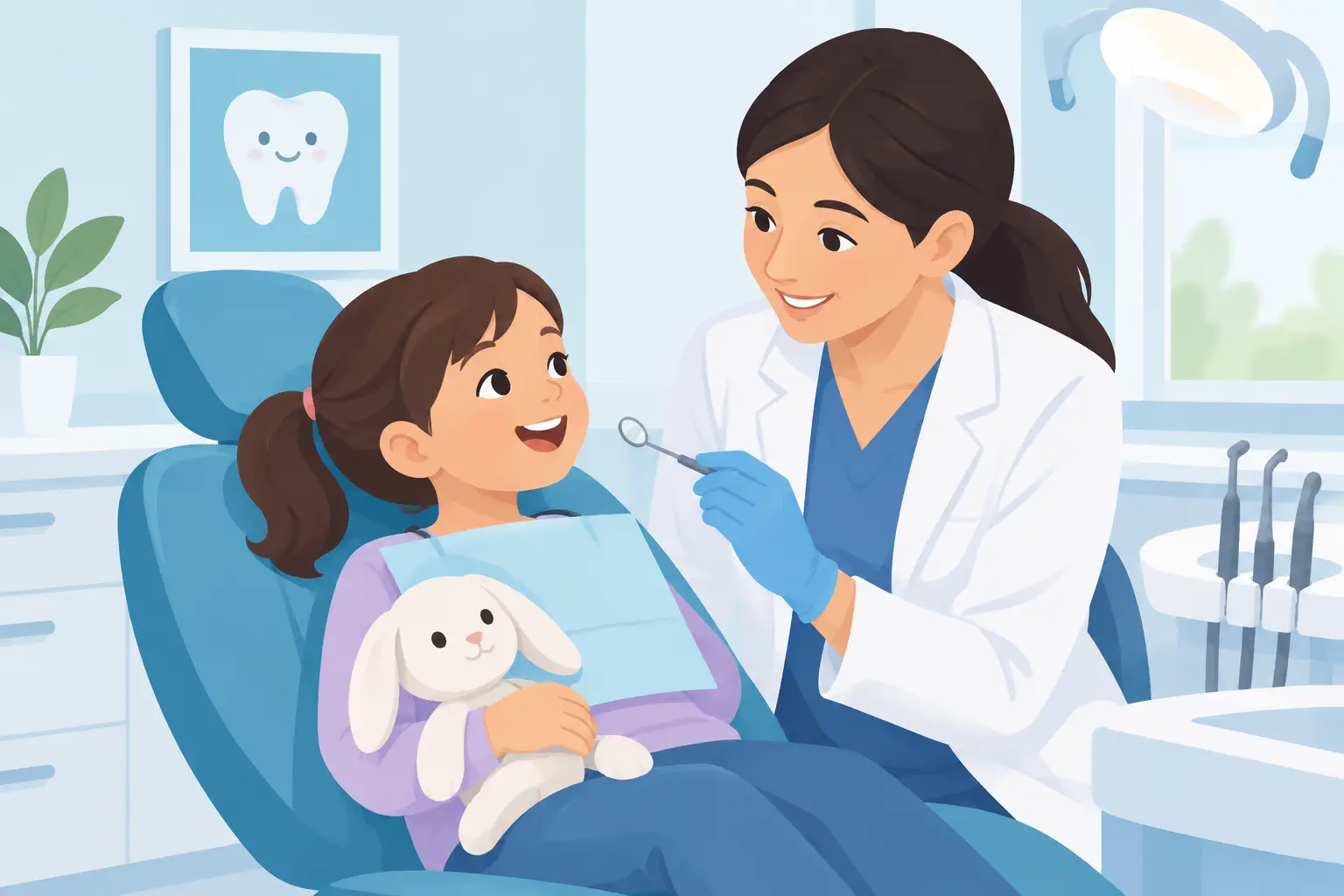
At a routine visit, your dental team looks beyond visible cavities. They assess gum health, plaque and tartar buildup, bite changes, worn enamel, damaged fillings, oral cancer concerns, and signs that clenching or grinding may be affecting your teeth. For children, preventive visits also help track tooth development and guide healthy habits before dental anxiety has a chance to take hold.
Prevention does not promise that you will never need a filling, crown, or other treatment. Genetics, medications, dry mouth, injuries, diet, and past dental work all matter. It does, however, give you the best chance of addressing problems on a smaller scale, often with fewer appointments and less discomfort.
Your Preventive Dental Care Guide at Home
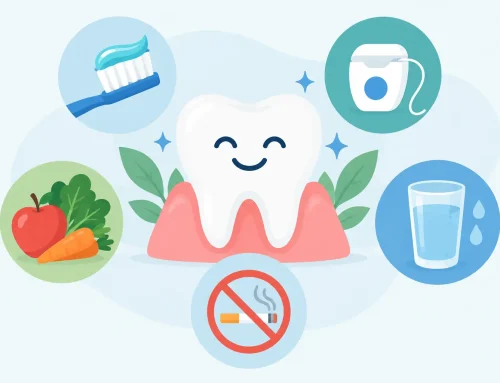
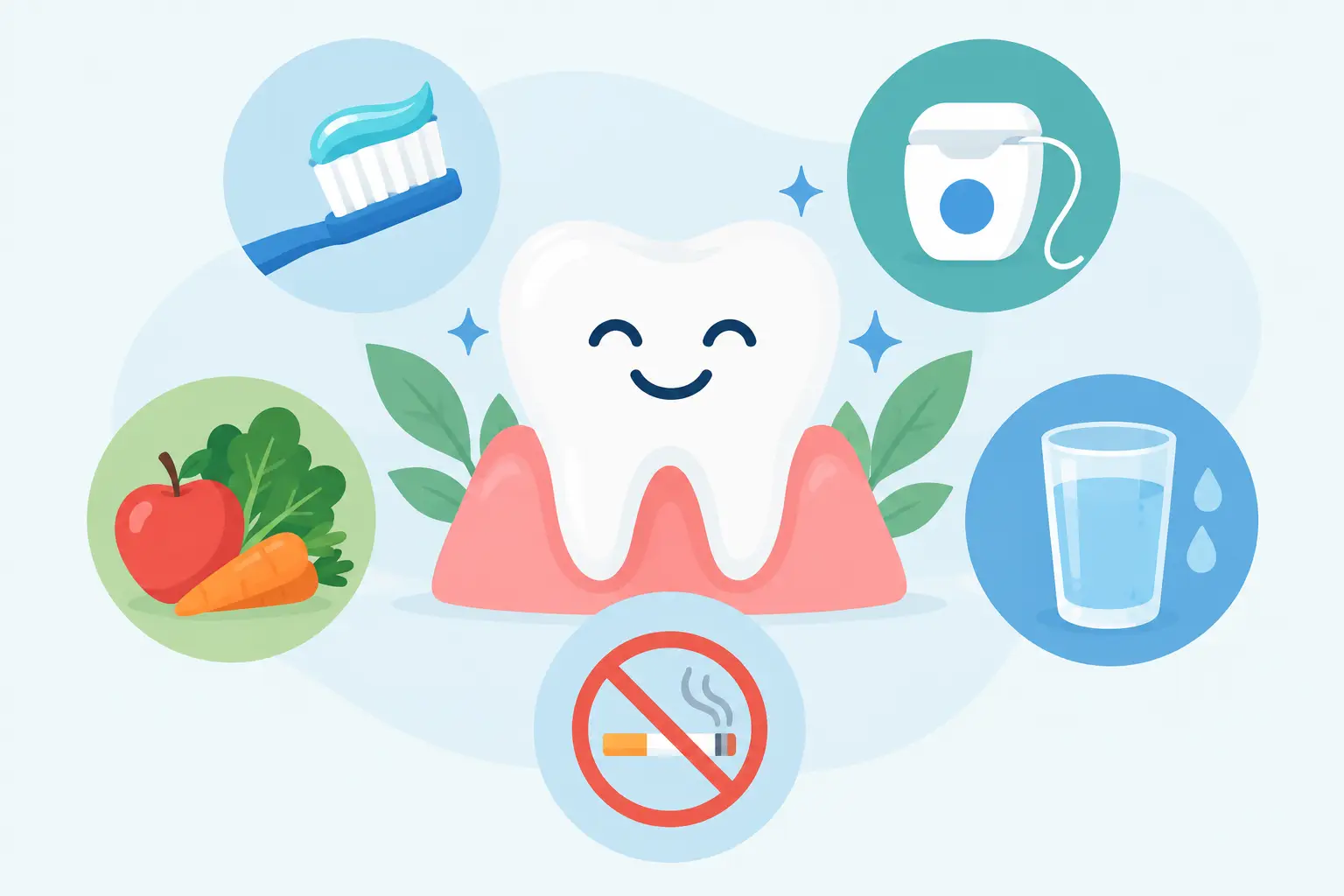
The most effective home routine is consistent rather than elaborate. Brush twice each day for two minutes with a soft-bristled toothbrush and fluoride toothpaste. Fluoride strengthens enamel and helps teeth resist decay, which is especially valuable if you are prone to cavities or enjoy frequent snacks and beverages.
Angle the brush gently toward the gumline and use small, controlled motions. Brushing harder is not better. Aggressive brushing can irritate gums and contribute to wear near the roots of teeth. Replace your toothbrush or electric brush head about every three months, or sooner if the bristles are splayed.
Clean between your teeth once a day. Floss is a reliable choice for many people, while interdental brushes, floss picks, or a water flosser may be easier for patients with braces, bridges, implants, or limited hand mobility. The best option is the one you will use carefully and consistently. If you are unsure which tool fits your smile, ask during your next hygiene visit.
Mouthwash can be a helpful addition, but it is not a replacement for brushing and between-tooth cleaning. A fluoride rinse may benefit some patients at higher risk for decay. An antibacterial rinse may be recommended for specific gum concerns. Because certain rinses are not intended for long-term daily use, personalized guidance matters.
Small Daily Choices That Protect Teeth
Oral health is influenced by how often teeth are exposed to sugar and acid, not just how much sugar is consumed at one time. Sipping sweetened coffee, soda, sports drinks, juice, or flavored beverages throughout the day repeatedly feeds cavity-causing bacteria and exposes enamel to acid. Water is the easiest everyday choice, especially between meals.
You do not need to avoid every treat to care for your teeth well. It is generally easier on teeth to enjoy a sweet food with a meal than to snack on it repeatedly over several hours. After acidic foods or drinks, rinse with water and wait around 30 minutes before brushing. Brushing immediately after acid exposure can rub softened enamel.
If you grind your teeth, wake with jaw soreness, or notice chipped edges, do not assume it is only stress. A custom night guard may help protect teeth from further wear, though the right approach depends on your bite and symptoms. Store-bought guards can be useful in limited situations, but they do not provide the precision or durability of a professionally made appliance.
Why Professional Cleanings and Exams Matter
Even excellent brushers develop tartar, a hardened buildup that cannot be removed with a toothbrush at home. Professional cleanings remove tartar and polish away surface stains, while regular exams allow your dentist to compare changes over time. That record is valuable. A small crack, early gum recession, or shifting tooth can be easier to identify when it is monitored from one visit to the next.
Many patients benefit from checkups and cleanings about every six months. Others need a different schedule. Someone with healthy gums and a low cavity risk may need less frequent monitoring, while a patient with gum disease, diabetes, dry mouth, frequent cavities, pregnancy-related gum changes, or extensive restorative work may need cleanings more often.
Dental X-rays are not necessarily taken at every appointment. Your dentist recommends them based on your oral health history, symptoms, risk level, and what can or cannot be seen during an exam. They can reveal decay between teeth, bone changes associated with gum disease, infection, and issues beneath existing restorations before those concerns become painful.
Pay Attention to Your Gums
Bleeding gums are often dismissed as a sign that you should stop flossing. Usually, the opposite is true. Bleeding can be an early sign of inflammation caused by plaque buildup along and below the gumline. With consistent cleaning and professional care, early gingivitis can often improve.
Gum disease becomes more serious when inflammation affects the bone and supporting tissues around teeth. It may progress quietly, sometimes with little pain. Warning signs include persistent bleeding, swollen or tender gums, bad breath that does not improve, receding gums, loose teeth, or changes in the way your teeth fit together.
Treatment depends on the stage of disease. Some patients need improved home care and more frequent cleanings, while others require deeper periodontal treatment. Modern approaches, including laser-assisted options when appropriate, can help make gum care more comfortable and targeted. The key is not waiting until teeth feel loose or painful.
Prevention for Children, Teens, and Adults
A family approach works best when every person has a plan suited to their age and needs. For young children, parents should help with brushing until the child has the coordination to do it thoroughly, often closer to the age when they can tie their own shoes. Use a rice-sized smear of fluoride toothpaste for children under 3 and a pea-sized amount for children ages 3 to 6, with supervision to limit swallowing.
As permanent teeth come in, sealants may be recommended for deep grooves in back teeth that are difficult to clean. For teens, prevention also includes discussing sports mouthguards, orthodontic hygiene, energy drinks, vaping, and the importance of keeping regular appointments even when school and activities are demanding.
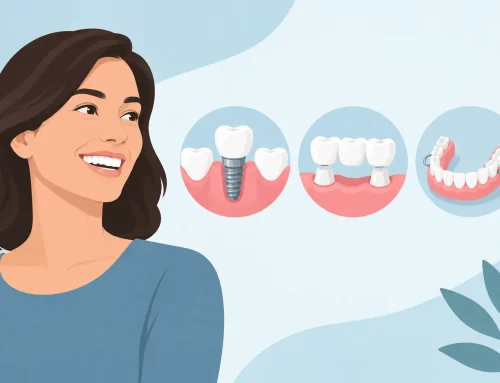
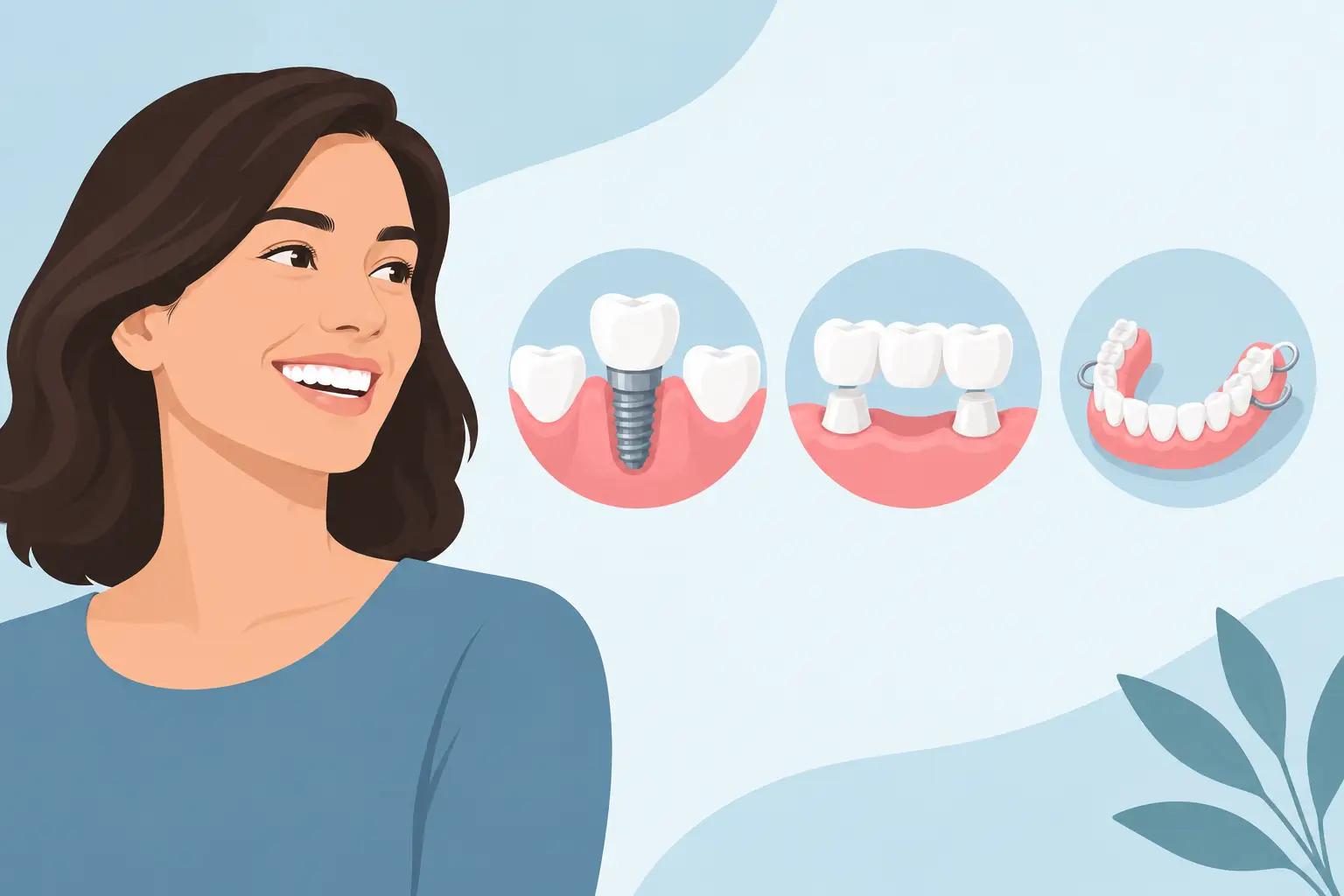
Adults often have different risk factors. Pregnancy, certain prescriptions, reflux, sleep apnea appliances, tobacco use, diabetes, and reduced saliva flow can all affect oral health. Cosmetic work and restorations also need ongoing care. Veneers, crowns, bridges, implants, and dentures are durable solutions, but they are not maintenance-free. Healthy gums, daily cleaning, and regular exams protect the investment you have made in your smile.
Make Dental Visits Easier to Keep
For many people, the barrier is not knowing what to do. It is finding time, managing insurance questions, or overcoming worry from a past dental experience. Choosing one full-service practice can simplify care because your routine hygiene, restorative needs, cosmetic goals, and urgent concerns can be coordinated in one place.
If dental visits make you nervous, say so when scheduling and again when you arrive. A caring dental team can explain what to expect, check in throughout treatment, and create a calmer pace. At Finesse Family Dental, personalized care and modern technology are part of making preventive and restorative visits feel more comfortable for patients of all ages.
Bring up changes you have noticed, even if they seem minor. Sensitivity to cold, a rough tooth edge, a sore spot, dry mouth, a clicking jaw, or food consistently getting caught in one area can offer useful clues. There is no benefit in waiting for a concern to become an emergency.
Your next cleaning is a good place to ask one simple question: what is the most important thing I can do at home for my smile right now? A clear, personal answer can turn a routine appointment into a healthier direction for the months ahead.