Missing a tooth changes more than your smile. You may start chewing on one side, avoiding certain foods, or feeling self-conscious in photos and conversations. If you are researching dental implants Fremont CA options, you are probably looking for something that feels stable, looks natural, and lets you get back to normal life without worrying about a slipping denture or a visible gap.
Dental implants are one of the most reliable ways to replace missing teeth because they restore both the visible tooth and the root beneath it. That matters. When a tooth is lost, the jawbone in that area can begin to shrink over time. A bridge can replace the crown portion of a tooth, and a denture can replace several teeth, but an implant is designed to support the bone and provide a more secure, long-term foundation.
Why dental implants in Fremont CA are such a popular option
For many adults, implants offer the closest match to the look and function of natural teeth. They are typically made of a small titanium post that is placed in the jawbone, where it heals and bonds with the bone. Once that foundation is stable, a custom restoration such as a crown, bridge, or denture can be attached.
The result is a tooth replacement that does not depend on neighboring teeth for support. That is a big advantage over traditional bridges, which usually require reshaping healthy teeth on either side of the gap. Implants also tend to feel more secure than removable options, which is why many patients say they can eat, speak, and smile with more confidence after treatment.
That said, implants are not a one-size-fits-all decision. The right approach depends on how many teeth are missing, the condition of your gums, your bone support, your overall health, and what kind of timeline and budget make sense for you.
Who is a good candidate for dental implants Fremont CA treatment?
A good candidate is often someone with one or more missing teeth, healthy enough bone to support an implant, and gums that are free from active infection. Even if you have been told in the past that you are not a candidate, it may still be worth getting evaluated. Some patients need preliminary treatment such as periodontal care, an extraction, or bone grafting before moving forward.
This is especially relevant for patients who have had missing teeth for a long time. Bone loss can happen gradually, and many people do not realize it until they come in for an exam. The good news is that modern dentistry offers more options than it used to. A thoughtful implant plan can often address challenges that once seemed like deal-breakers.
Smoking, uncontrolled diabetes, and untreated gum disease can affect healing, so those factors need to be discussed honestly. That does not always rule implants out, but it may change the treatment sequence or require closer monitoring.
What the implant process usually looks like
The first step is a detailed exam. This typically includes digital imaging, a review of your medical and dental history, and a conversation about your goals. Some patients want to replace a single front tooth and keep everything looking as natural as possible. Others are trying to regain chewing function after years of struggling with multiple missing teeth or a loose denture. The plan should fit the person, not just the tooth chart.
If the implant site is healthy and ready, the implant post is placed into the jawbone. After that, a healing period allows the bone to integrate with the implant. This healing phase can take a few months, depending on the location, your health, and whether additional procedures were needed.
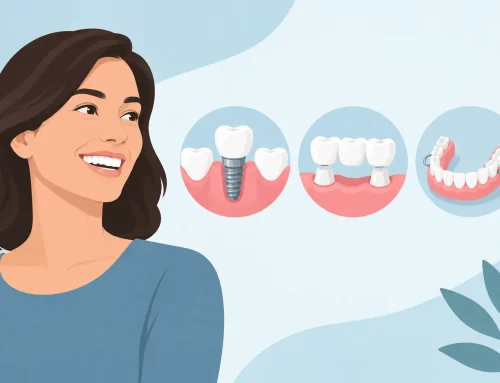
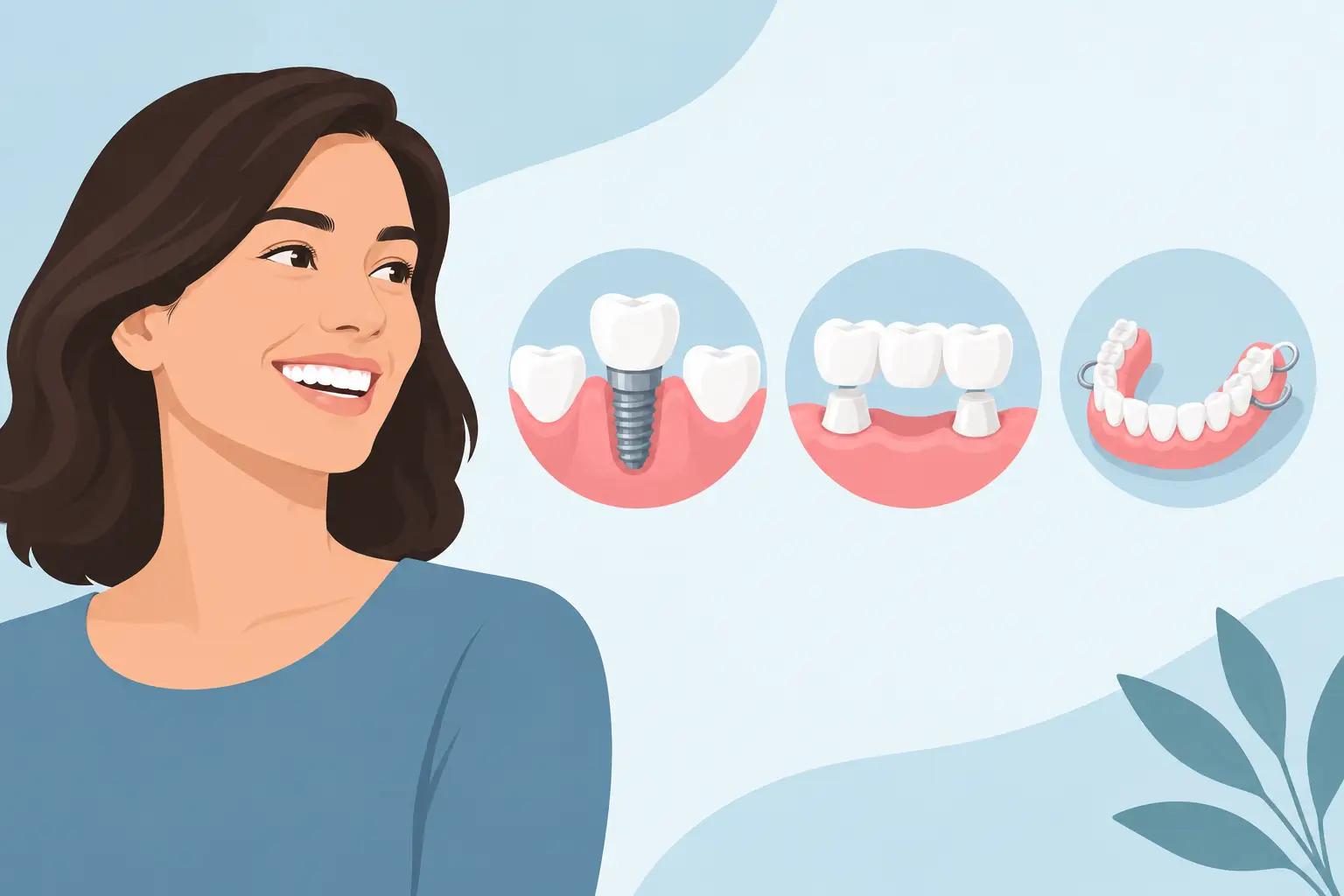
Once the implant is stable, the final restoration is placed. For one missing tooth, that is often a custom crown. For several missing teeth, implants may support a bridge. For patients missing all or most teeth, implant-supported dentures can provide far more stability than traditional removable dentures.
Some cases move faster than others. In select situations, a temporary tooth may be placed earlier in the process. In more complex cases, treatment may take longer because the foundation has to be rebuilt first. Fast is appealing, but long-term success matters more than speed.
Single tooth, multiple teeth, or full-arch replacement
One of the strengths of implant dentistry is flexibility. A single implant can replace one missing tooth without affecting the surrounding teeth. This is often ideal when the adjacent teeth are healthy and do not need crowns.
When several teeth are missing in a row, an implant-supported bridge may replace them without placing an implant for every single tooth. That can make treatment more efficient while still providing excellent support.
For full-arch tooth loss, implant-supported dentures can be life-changing. Patients who have dealt with movement, adhesives, or sore spots from traditional dentures often appreciate the added security and comfort. The best design depends on your anatomy, bite, maintenance preferences, and budget. There is not one perfect solution for every patient, which is why planning matters so much.
How implants compare with bridges and dentures
If you are weighing options, the trade-offs are worth understanding.
A bridge is often faster to complete and may have a lower upfront cost, but it usually relies on neighboring teeth for support. If those teeth are already heavily restored, a bridge may make sense. If they are healthy, preserving them can be a strong argument for an implant.
A removable denture can replace many teeth and may be the most affordable starting point, but it can shift during eating or speaking and does not provide the same direct stimulation to the jawbone. Some patients do very well with dentures. Others find them frustrating from day one.
Implants usually involve more planning, a surgical phase, and a higher initial investment. In return, many patients get better stability, easier chewing, and a more natural feel. The best choice depends on your priorities, oral health, and long-term goals.
Does getting an implant hurt?
This is one of the first questions people ask, and understandably so. Most patients are relieved to learn that implant placement is typically more comfortable than they expected. The area is numbed thoroughly, and the procedure is done with attention to precision and comfort.
Afterward, some soreness, swelling, or tenderness is normal for a few days. Many patients manage well with common pain relief recommendations and a short period of softer foods. Recovery varies from person to person, especially if extractions or grafting are part of the same appointment, but the process is usually very manageable.
A caring dental team makes a real difference here. When treatment is explained clearly and performed gently, patients tend to feel much more at ease from the start.
Cost, insurance, and long-term value
Cost is an important part of the decision, and patients deserve straightforward information. Implant treatment can vary widely depending on the number of implants needed, whether bone grafting or extractions are required, and what type of final restoration is used.
While implants can cost more upfront than some alternatives, they may offer strong long-term value because of their durability and function. A well-maintained implant can serve for many years. That does not mean they are maintenance-free. You still need regular dental visits, healthy gums, and good home care. But for many patients, the combination of comfort, confidence, and longevity makes the investment worthwhile.
Insurance coverage varies. Some PPO plans may help with parts of treatment, while others may have limitations. A dental office that helps patients understand benefits and treatment options can make the process less stressful and more predictable.
Choosing the right implant dentist
When comparing providers, experience and technology matter, but so does the patient experience. Implant care should feel organized, personalized, and respectful of your concerns. You want a practice that can evaluate the full picture, from gum health and bone support to cosmetic outcome and bite function.
That is one reason many Fremont patients prefer a practice that offers comprehensive care under one roof. If you need periodontal treatment, a surgical procedure, a custom crown, or full-mouth planning, coordinated treatment can be more efficient and less overwhelming. At Finesse Family Dental, that patient-centered approach is part of what helps people feel more comfortable moving forward with treatment.
Implants are not just about replacing teeth. They are about restoring comfort, function, and confidence in a way that fits your life. If you have been putting off care because you were unsure, nervous, or trying to sort through too many options, a personalized consultation can bring real clarity. The next step does not have to feel complicated when you have a team that listens carefully and guides you with skill and kindness.