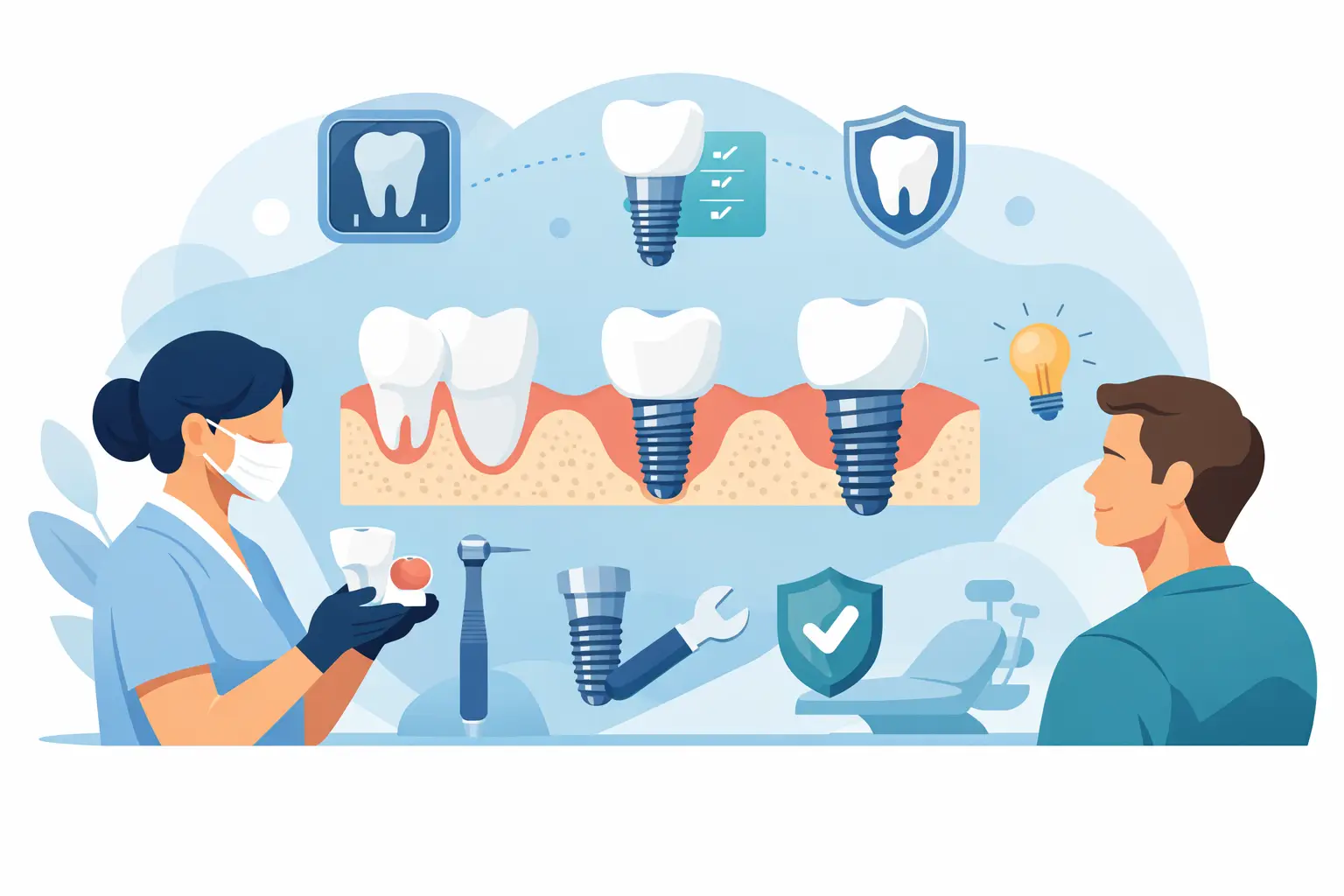
Losing a tooth changes more than your smile. It can affect how you chew, how clearly you speak, and how confident you feel in everyday moments. If you have been researching options, this dental implant process guide will walk you through what really happens from the first exam to the final restoration, so you can make a decision with more clarity and less stress.
What a dental implant actually does
A dental implant replaces the root of a missing tooth with a small titanium post placed in the jawbone. Once it heals and bonds with the bone, that post supports a crown, bridge, or denture. The goal is not just to fill a gap. It is to restore stability, function, and a natural look in a way that feels secure when you eat and speak.
For many adults, implants are the closest replacement to a natural tooth. Unlike a removable denture, an implant stays in place. Unlike a traditional bridge, it often does not require reshaping healthy teeth next to the space. That said, implants are not the right choice for every patient, and the process does take time.
The dental implant process guide, step by step
Most implant cases follow the same general path, but the exact timeline depends on your oral health, bone support, and the number of teeth being replaced.
Step 1: Consultation and exam
Your first visit is about planning, not rushing. The dentist examines your teeth, gums, bite, and the area where the implant may go. Digital imaging helps evaluate bone height and width, the position of nearby teeth, and the location of important structures such as nerves or sinuses.
This appointment is also the time to talk honestly about your health history. Conditions like diabetes, active gum disease, smoking, and certain medications can affect healing. None of these automatically rule out implants, but they do shape the treatment plan.
Step 2: Treatment planning
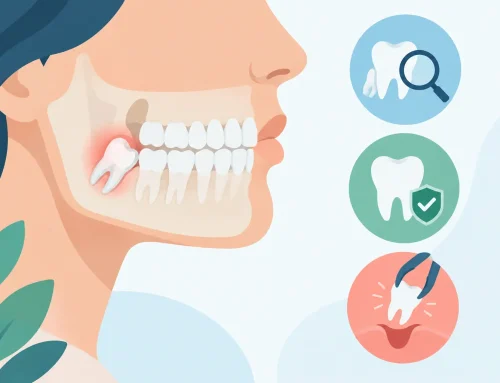
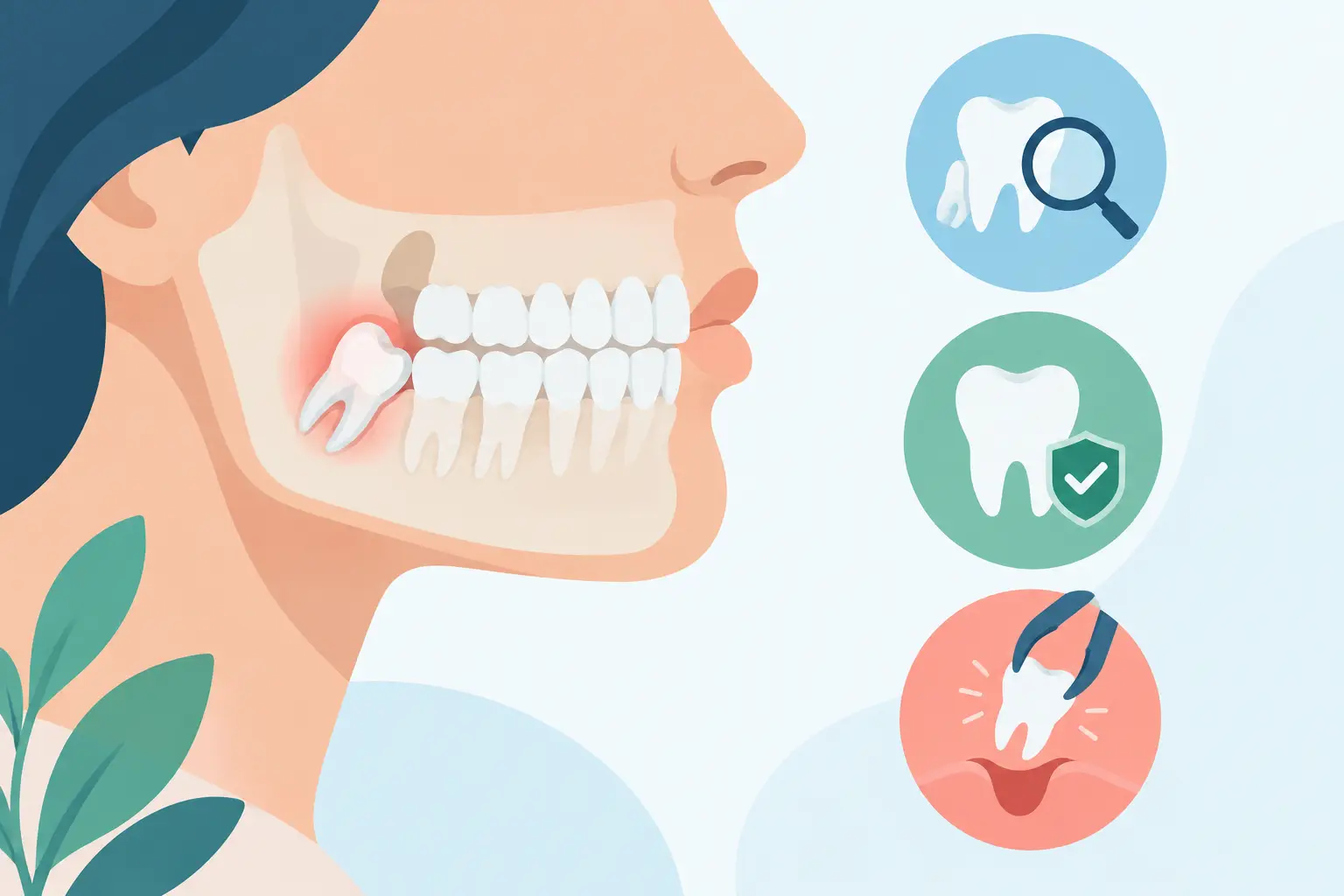
After the exam, your dentist creates a plan based on your needs. A single missing tooth is different from replacing several teeth or stabilizing a full denture. Some patients can move directly to implant placement. Others need preparatory care first, such as a tooth extraction, periodontal treatment, or bone grafting.
This is where a good practice makes a big difference. When implant treatment is planned carefully and explained clearly, patients tend to feel more comfortable and know what to expect at each stage.
Step 3: Preparing the site if needed
Not every patient has enough healthy bone for an implant right away. If a tooth has been missing for a long time, the jawbone may have shrunk in that area. In those cases, bone grafting may be recommended to build up support before implant placement.
If the tooth is still present but cannot be saved, it may need to be extracted first. Sometimes an implant can be placed right after extraction. Sometimes it is better to let the area heal first. It depends on infection, bone condition, and how much initial stability the implant can achieve.
Step 4: Implant placement
The implant is placed into the jaw during a minor surgical procedure. For many patients, this is easier than they expected. The area is numbed thoroughly, and sedation options may be discussed depending on the case and your level of anxiety.
Once the implant is positioned, the site is closed or covered with a healing cap. You may go home with instructions to eat soft foods for a short period, keep the area clean, and avoid pressure on the implant while early healing begins.
Step 5: Healing and integration
This part requires patience. Over the next few months, the implant fuses with the surrounding bone in a process called osseointegration. That connection is what gives an implant its strength.
Healing time varies, but many patients wait about three to six months before the final restoration is attached. Some situations move faster, and some take longer. If grafting was needed, the overall timeline may extend further.
Step 6: Abutment and final restoration
After the implant has integrated successfully, the next step is attaching the connector piece, called an abutment, and then the final tooth replacement. That restoration may be a crown for one tooth, a bridge for several teeth, or a denture supported by implants.
The final result is designed to blend with your smile and fit your bite comfortably. When done well, it should look natural and feel stable.
What the recovery period is really like
One of the most common questions patients ask is whether implant treatment hurts. During the procedure, local anesthesia keeps the area comfortable. Afterward, most people describe the recovery as manageable, often similar to or easier than a standard extraction.
Mild swelling, tenderness, and soreness for a few days are normal. Your dentist may recommend pain relief, ice packs, and temporary diet adjustments. Good home care matters during this period. Gentle brushing, following aftercare instructions, and keeping follow-up appointments all support healing.
If discomfort increases instead of improving, or if you notice bleeding, swelling, or signs of infection that seem unusual, it is important to call your dental office promptly.
Who is a good candidate for dental implants
A healthy candidate for implants usually has enough jawbone, generally healthy gums, and habits that support healing. That does not mean you need perfect oral health from the start. Many patients first need treatment for gum disease, decay, or other concerns before moving forward.
Smoking can reduce implant success because it interferes with healing. Teeth grinding may also affect planning, especially for back teeth that take more force. Medical conditions do not always prevent implants, but they should be discussed early so treatment can be adjusted safely.
This is one reason a personalized exam matters so much. The best answer is not whether implants are good in general. It is whether they are a good fit for you.
How long dental implants last
Dental implants are designed to be a long-term solution. With good placement, healthy gums, and consistent home care, they can last for many years. The implant itself can often last longer than the crown attached to it, since crowns may eventually wear and need replacement.
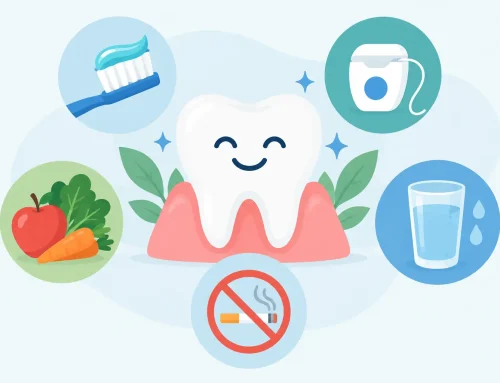
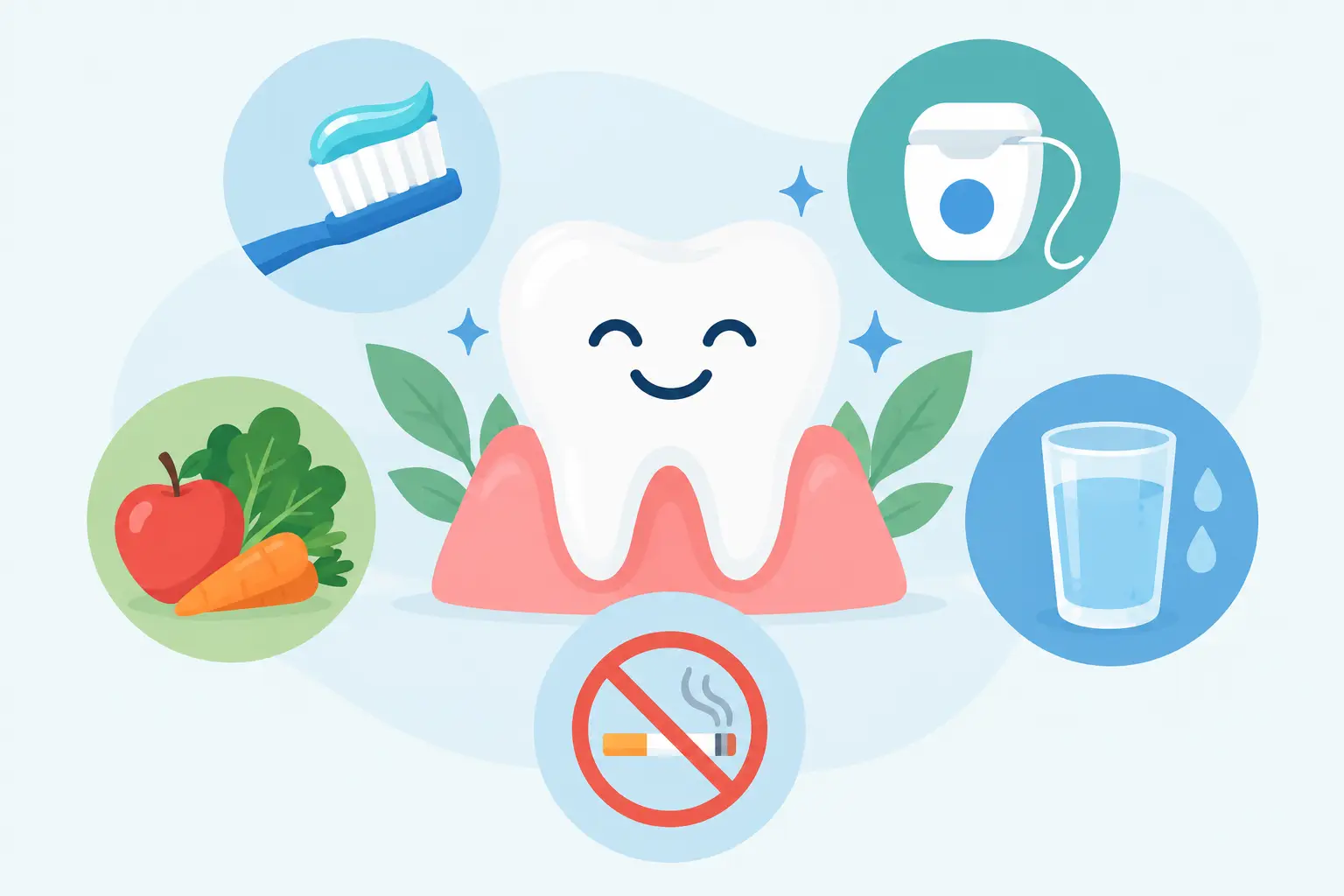
Daily brushing, flossing or other recommended cleaning tools, and regular dental checkups are essential. Implants do not get cavities, but the gum and bone around them still need care. Without that maintenance, complications can develop.
Cost factors and why estimates vary
Implant cost depends on more than the post itself. The full price may include imaging, extraction, grafting, the surgical phase, the abutment, and the final crown or prosthetic. A simple single-tooth case is very different from full-arch treatment.
This is where comparing quotes can be tricky. A lower number may not reflect the complete process. A clear treatment plan should explain what is included, what may be needed before placement, and whether insurance may help with parts of treatment. Many patients appreciate working with a practice that can coordinate comprehensive care in one place, which can make the process more efficient and less stressful.
Questions worth asking at your consultation
A strong consultation should leave you feeling informed, not pressured. Ask how long the process is expected to take in your case, whether grafting is likely, what kind of restoration will be used, and what the recovery will involve. It is also reasonable to ask about the dentist’s experience with implant cases and what kind of follow-up care you will need.
At Finesse Family Dental, that kind of conversation is part of the experience patients value most. Clear guidance, modern technology, and gentle care can make a complex treatment feel much more approachable.
Why planning matters as much as the procedure
Implants have a strong reputation for a reason, but success does not come from the implant alone. It comes from careful diagnosis, healthy gum support, proper bite design, and a restoration that fits well over time. Rushing the process can create problems. So can treating the implant like a stand-alone fix when the rest of the mouth needs attention too.
The most successful cases usually happen when patients see the bigger picture. Replacing the missing tooth matters, but so does protecting the surrounding teeth, keeping the gums healthy, and making sure your bite functions comfortably every day.
If you are considering dental implants, give yourself permission to ask questions and move at a pace that feels right. The right treatment plan should restore more than a tooth. It should help you feel confident that your smile is in good hands.