A family’s dental routine rarely looks picture-perfect. Mornings are rushed, toddlers resist brushing, teens may reach for sports drinks, and adults often put off their own appointments while caring for everyone else. The best family dental care tips are the ones that fit real life while protecting each person’s smile at every stage.
Healthy teeth and gums are built through small, consistent decisions: brushing well, choosing tooth-friendly snacks, attending preventive visits, and acting early when something feels wrong. With a dependable routine and a dental team your family trusts, care can feel less stressful and far more manageable.
Best Family Dental Care Tips Start With Daily Habits
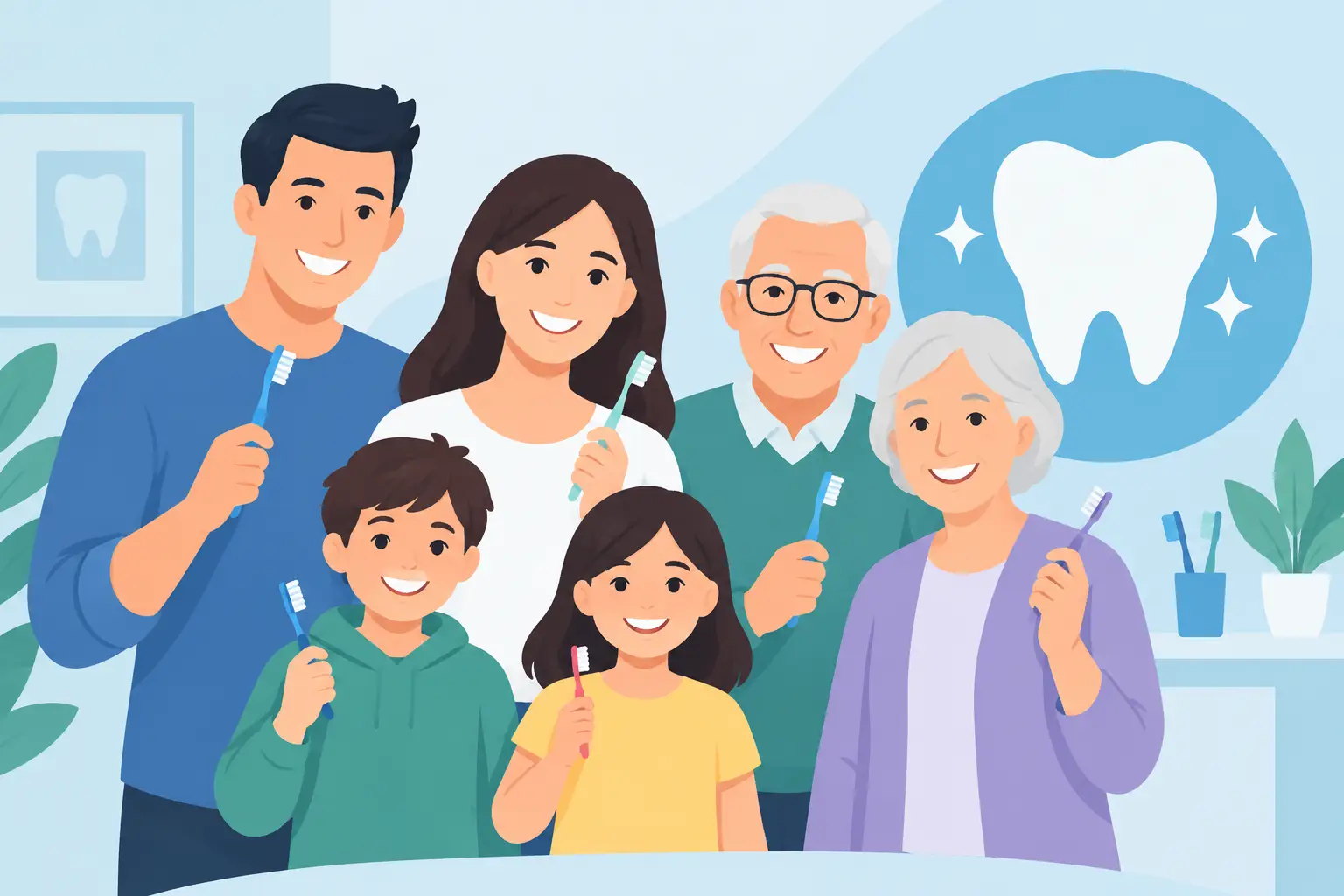
The foundation is simple: brush twice daily for two full minutes and clean between teeth once a day. What changes from person to person is the amount of help, the type of toothpaste, and the tools that make the habit easier to maintain.
For children under 3, use a rice-sized smear of fluoride toothpaste as soon as the first tooth appears. From age 3 through 6, a pea-sized amount is usually appropriate, with adult supervision to make sure toothpaste is spit out rather than swallowed. Parents should brush or closely assist until a child has the hand control to do a thorough job independently, often around ages 7 to 8.
Adults and teens benefit from the same consistency, but they may need extra attention around the gumline, behind lower front teeth, and around orthodontic appliances, crowns, bridges, or implants. A soft-bristled toothbrush and fluoride toothpaste are effective choices for most people. Electric toothbrushes can be especially helpful for children, older adults, and anyone who tends to rush.
Flossing is not an optional finishing touch. A toothbrush cannot fully clean the tight spaces where plaque collects between teeth. Traditional floss works well, while floss picks, water flossers, or interdental brushes can be practical alternatives when braces, limited dexterity, or a busy schedule make regular floss difficult. The best tool is the one your family will use correctly and consistently.
Make Brushing Easier to Repeat
A routine lasts longer when it has fewer obstacles. Keep age-appropriate supplies where they are easy to reach, let younger children choose a toothbrush color or timer, and brush together when possible. For children, a two-minute song, sticker chart, or simple reward for consistency can turn resistance into familiarity.
Avoid making dental care a punishment. If a child misses a brushing session or has a cavity, respond calmly and focus on the next helpful step. Confidence and consistency are more valuable than perfection.
Help Your Family Eat and Drink With Teeth in Mind
Cavities are not caused by one dessert or one soda. The bigger concern is how often teeth are exposed to sugar and acids throughout the day. Frequent sipping and grazing give mouth bacteria more opportunities to produce acids that weaken enamel.
Water is the best everyday drink, especially fluoridated tap water when available. Encourage children to drink water after snacks and during school hours. Milk can also be a good option with meals. Juice, sports drinks, soda, sweetened coffee, energy drinks, and flavored waters can be hard on teeth when consumed often, even when they seem like a healthier choice.
You do not need to ban every treat. It is usually better to enjoy sweets with a meal rather than nibbling on them over several hours. Foods such as cheese, plain yogurt, crunchy vegetables, nuts when age-appropriate, and fresh fruit can be easier on teeth than sticky candy, crackers, or constant packaged snacks.
For babies and toddlers, avoid putting a child to bed with a bottle containing milk, juice, or any sweetened drink. Prolonged contact with sugars can lead to early childhood cavities. If a bedtime bottle is still part of the routine, water is the safer choice after teeth are brushed.
Keep Preventive Visits on the Family Calendar
Regular dental checkups allow your dentist to spot early changes before they become painful, expensive, or disruptive. A small cavity can often be treated more simply than a toothache that has progressed to infection. Early gum inflammation can frequently improve with professional hygiene care and better home habits before it develops into more serious periodontal disease.
Most patients benefit from preventive visits every six months, although some people need more frequent care. The right schedule depends on cavity risk, gum health, medical conditions, pregnancy, medications that cause dry mouth, orthodontic treatment, and past dental history.
These visits are also a chance to ask practical questions. Is your child brushing effectively? Are wisdom teeth developing normally? Is bleeding during flossing a sign of gum disease? Is sensitivity related to grinding, recession, or a worn filling? Personalized advice is more useful than a one-size-fits-all routine.
For families in Fremont and the East Bay, choosing a practice that can provide preventive, restorative, pediatric, periodontal, and cosmetic care in one familiar office can make follow-through easier. At Finesse Family Dental, patients can receive individualized care designed to support long-term comfort, function, and confidence.
Do Not Ignore Bleeding Gums, Sensitivity, or Bad Breath
Some dental concerns develop quietly. Bleeding gums are commonly a sign of inflammation, not a reason to stop flossing. If bleeding continues after a week or two of gentle daily cleaning, schedule an evaluation. Persistent bad breath, swollen gums, gum recession, loose teeth, or a change in how teeth fit together also deserve professional attention.
Tooth sensitivity can have several causes. It may come from exposed roots, worn enamel, a cracked tooth, tooth decay, gum disease, or clenching and grinding. Sensitivity toothpaste can help some patients, but it will not solve every underlying issue. A dental exam can identify whether the concern is minor or needs treatment.
Pain, facial swelling, a pimple-like bump on the gums, fever, or difficulty swallowing should never be treated as something to wait out. Dental infections can worsen quickly. Call a dentist promptly for guidance, especially if swelling spreads or affects breathing.
Protect Teeth During Sports and Sleep
A properly fitted mouthguard is one of the most practical ways to protect a child’s or teen’s smile during contact and high-impact sports. Store-bought guards can offer basic protection, but a custom option may provide a more secure, comfortable fit for athletes who wear braces or play regularly.
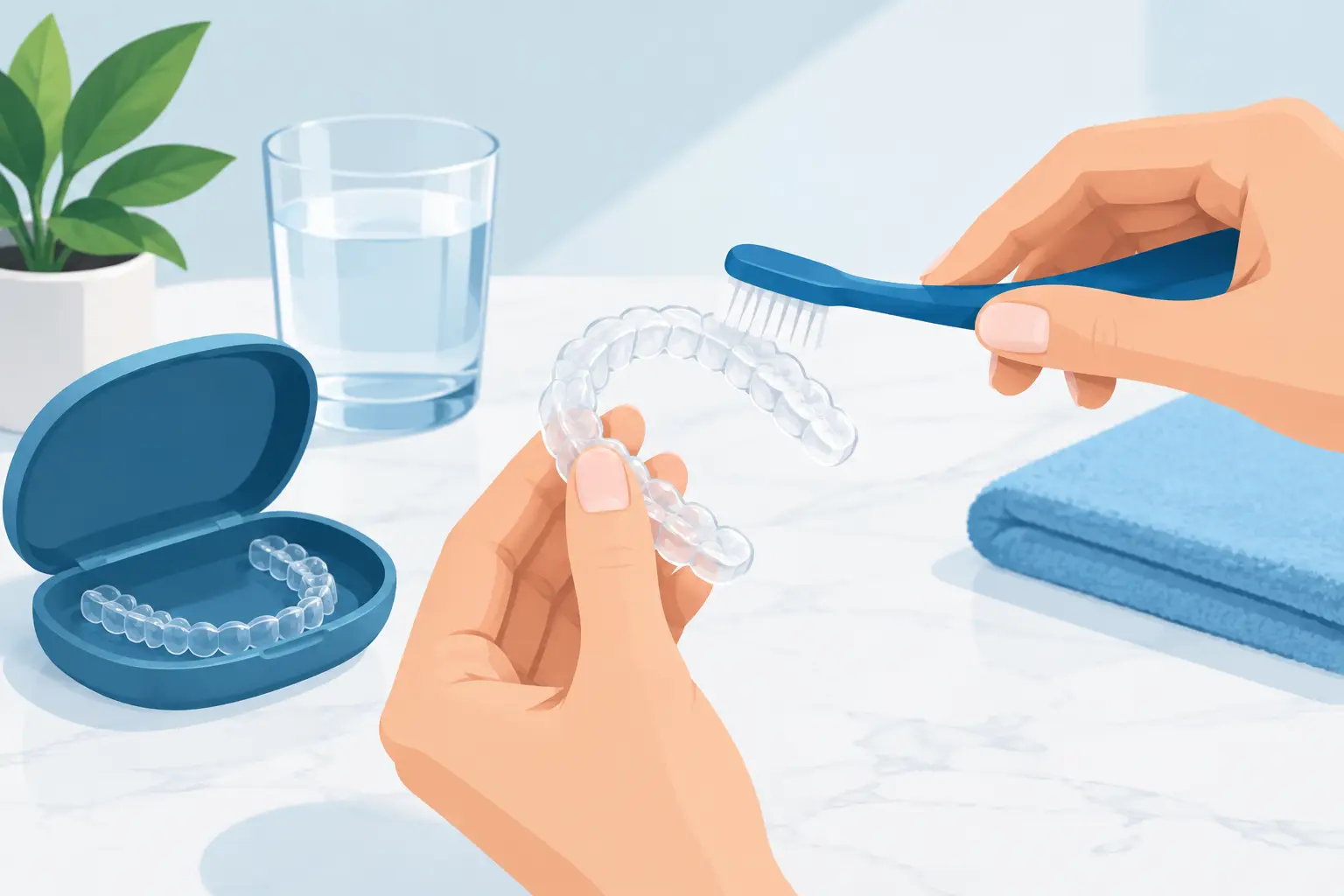
Nighttime grinding is another concern for both children and adults. Occasional grinding may not require treatment, but frequent jaw soreness, morning headaches, worn or chipped teeth, and broken restorations are signs to discuss with a dentist. A custom nightguard may help protect teeth, while the dentist can also assess bite issues and other contributing factors.
If a permanent tooth is knocked out, time matters. Hold the tooth by the crown, not the root, and gently rinse it if dirty. If possible, place it back in the socket. If that is not possible, keep it moist in milk or saliva and seek urgent dental care. Do not try to reinsert a baby tooth, as that can harm the developing permanent tooth.
Give Kids a Positive First Impression of Dental Care
Children learn a great deal from the way adults talk about appointments. Avoid using a dental visit as a threat or sharing frightening stories about your own past experiences. Instead, use calm language: the dentist will count teeth, check the smile, and help keep it strong.
A child may still feel nervous, and that is normal. A caring dental team can explain each step in age-appropriate terms, move at a comfortable pace, and help children feel successful during the visit. Positive early experiences can shape how a child approaches dental care for years.
Adults deserve the same reassurance. Whether someone has dental anxiety, has avoided care for a long time, or needs more involved treatment such as a crown, root canal, implant, or gum therapy, a clear conversation about comfort options and treatment steps can reduce uncertainty.
Treat Dental Care as Part of Whole-Family Health
Oral health is closely connected to everyday wellness. Painful teeth can interfere with sleep, eating, school performance, work concentration, and confidence. Gum health also deserves attention for patients managing conditions such as diabetes, because inflammation and blood sugar control can affect one another.
The goal is not a flawless smile at every moment. It is a family culture where oral care is routine, concerns are addressed early, and each person feels comfortable asking for help. Start with tonight’s brushing, schedule the preventive visit you have been meaning to make, and give every smile in your household the steady care it deserves.