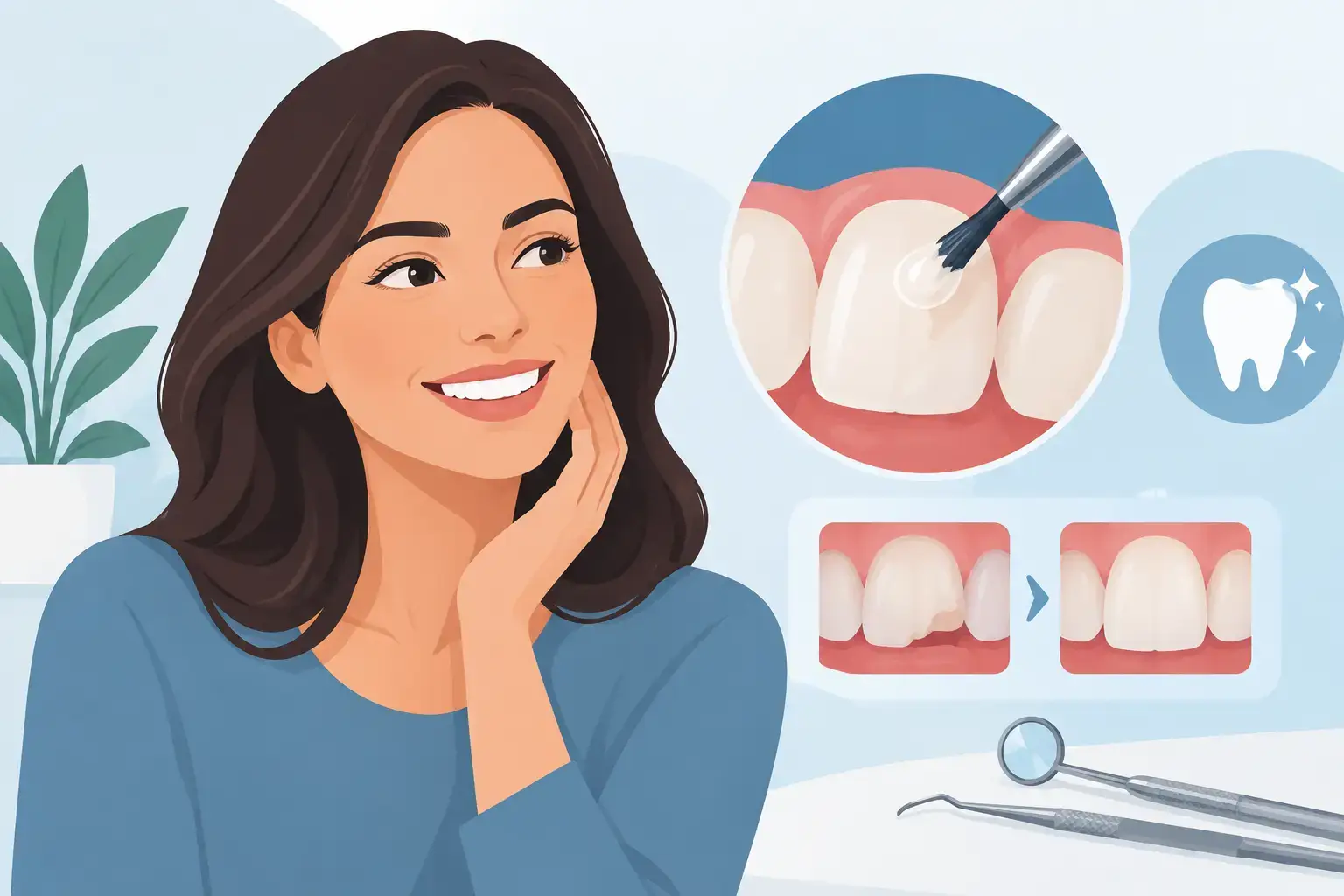
A small chip on a front tooth can change how you feel about every photo, meeting, or conversation. This dental bonding review explains why bonding is often a practical option for repairing minor smile concerns quickly, conservatively, and with a natural-looking result – while also being honest about where it works best and where another treatment may be a better fit.
Dental bonding uses tooth-colored composite resin to reshape, repair, or enhance a tooth. Because the material is applied directly to the tooth and sculpted by your dentist, it can often address a visible concern in one visit without removing much, if any, healthy enamel.
What Dental Bonding Can Improve
Dental bonding is a cosmetic and restorative treatment with a wide range of uses. It may be recommended for a chipped tooth, a small crack, worn edges, uneven tooth shape, minor gaps, or discoloration that does not respond well to whitening. It can also protect an exposed area of a tooth after a small cavity or injury.
For many patients, the appeal is simple: bonding can make a noticeable difference without committing to a more extensive procedure. A carefully matched composite resin can blend with the surrounding enamel, creating a result that looks like it belongs in your smile rather than standing out from it.
Bonding is especially helpful when the concern is limited to one or two teeth. For example, a patient with a slightly chipped front tooth may not need veneers or a crown. Thoughtful bonding may restore a smoother, more balanced appearance while preserving the natural tooth structure.
That said, it is not a one-size-fits-all cosmetic solution. Larger gaps, significant bite problems, severely stained teeth, or teeth with major structural damage may call for orthodontic treatment, veneers, crowns, or another restorative option. The right choice depends on your smile goals, bite, tooth health, and long-term expectations.
Dental Bonding Review: What Happens During Treatment
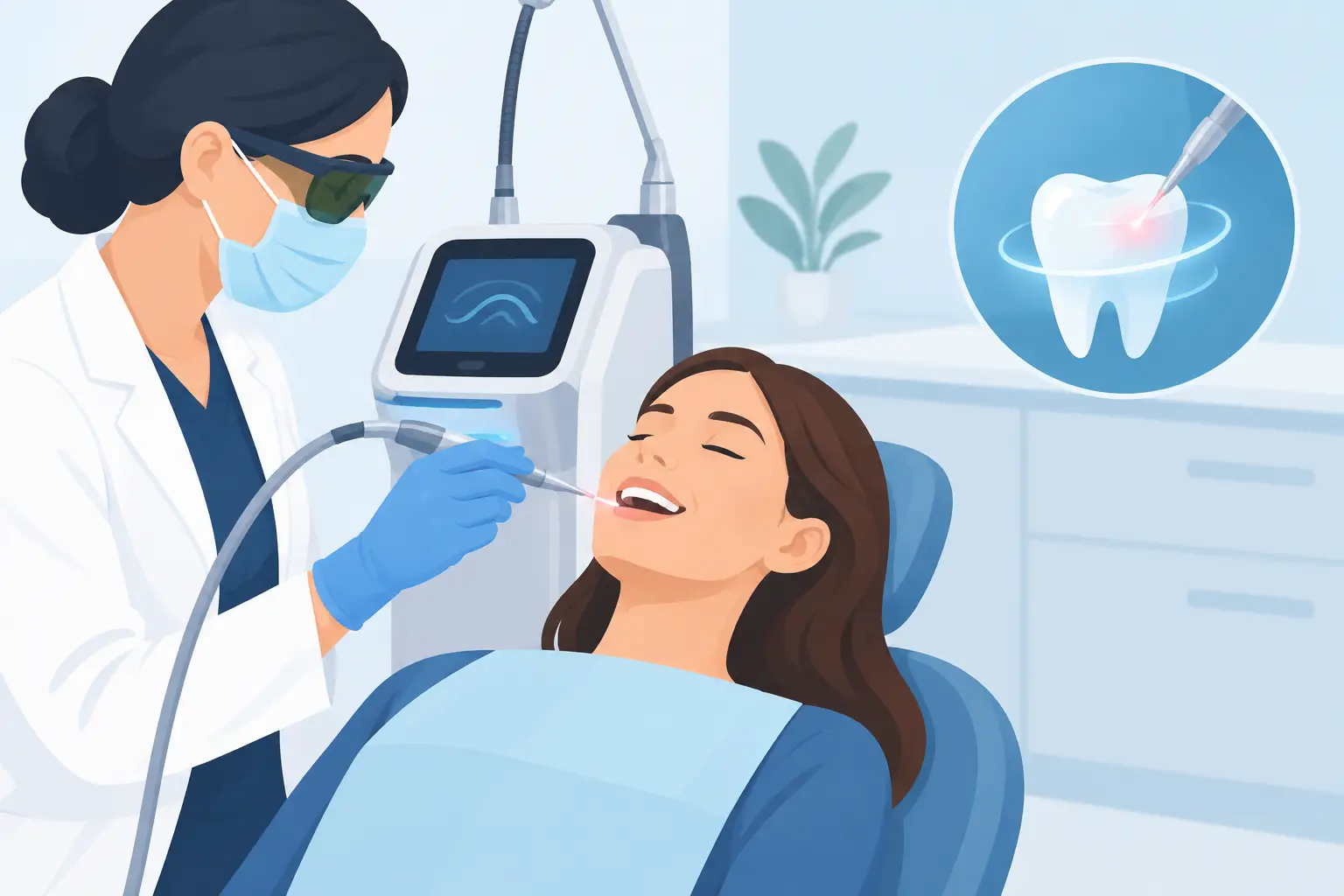
A bonding appointment is usually straightforward and comfortable. In many cases, anesthesia is not needed unless bonding is being used alongside cavity treatment or the tooth requires more involved preparation.
Your dentist begins by evaluating the tooth, discussing the desired change, and selecting a composite shade that complements your natural enamel. The surface is gently prepared so the resin can adhere properly. The composite is then placed in layers, shaped to create the appropriate contour, and hardened with a curing light.
The final step matters just as much as the first. Your dentist refines the shape, checks how your teeth meet when you bite, and polishes the material. On a front tooth, subtle details such as edge length, light reflection, and symmetry can make the difference between a result that looks merely improved and one that looks naturally balanced.
Most small bonding cases are completed in a single visit. More complex cosmetic work involving several teeth may require additional planning or appointments to ensure the color, shape, and proportions feel right for your overall smile.
The Benefits Patients Appreciate
Dental bonding is popular because it is conservative, efficient, and versatile. Unlike a crown, which covers the tooth, bonding typically changes only the specific area that needs attention. Compared with veneers, it often requires less enamel modification and may be easier to repair if it chips later.
The treatment is also customizable. Composite resin can be shaped to soften a pointed tooth, lengthen a worn edge, close a small space, or create a more uniform look. For patients who want a modest cosmetic refresh before an event, professional milestone, or family photos, this can be an appealing option.
Cost is another reason patients ask about bonding. The fee generally depends on the number of teeth, the size of the repair, the complexity of the shaping, and whether any underlying dental treatment is needed first. Cosmetic bonding is not always covered by dental insurance, but bonding used to repair damage or decay may have different coverage considerations. Checking your specific PPO benefits before treatment can help you plan with fewer surprises.
Durability: What to Expect Over Time
Composite resin is durable, but it is not as hard or stain-resistant as natural enamel or porcelain. Many bonding results last several years, and often longer with good care. A realistic range is commonly about three to 10 years, though lifespan varies considerably from person to person.
Where the bonding is placed makes a difference. Material added to the edge of a front tooth faces more risk if you bite nails, chew ice, open packages with your teeth, or clench and grind at night. Bonding on a surface that receives less biting pressure may last longer.
Coffee, tea, red wine, tobacco, and deeply colored foods can gradually stain composite resin. Unlike natural enamel, the bonding material will not lighten when you whiten your teeth. If you are considering both whitening and bonding for front teeth, whitening first is often the better sequence. Your dentist can then match the bonding to your brighter tooth color.
A small chip does not necessarily mean starting over. One advantage of bonding is that it can often be repaired or refreshed. Regular dental visits allow your dentist to monitor the edges, polish the surface, and identify minor concerns before they become more noticeable.
Caring for Bonded Teeth
Daily care for bonded teeth is much like caring for your natural teeth: brush twice daily with a nonabrasive toothpaste, floss every day, and maintain regular hygiene appointments. Consistent home care supports the health of the tooth and gums around the bonding, which is essential for keeping the result looking its best.
A few practical habits can protect your investment. Avoid chewing ice, pens, or hard candy, and do not use your teeth as tools. If you play contact sports, wear a properly fitted mouthguard. If you wake with jaw soreness, notice worn tooth edges, or have been told you grind your teeth, ask whether a nightguard would help protect your teeth and cosmetic work.
Call your dental office if bonding feels rough, develops a sharp edge, chips, or changes the way your teeth come together. These problems are often easier to address when they are small. Trying to smooth the material at home can damage the finish or irritate nearby gum tissue.
Bonding, Veneers, and Crowns: Choosing the Right Option
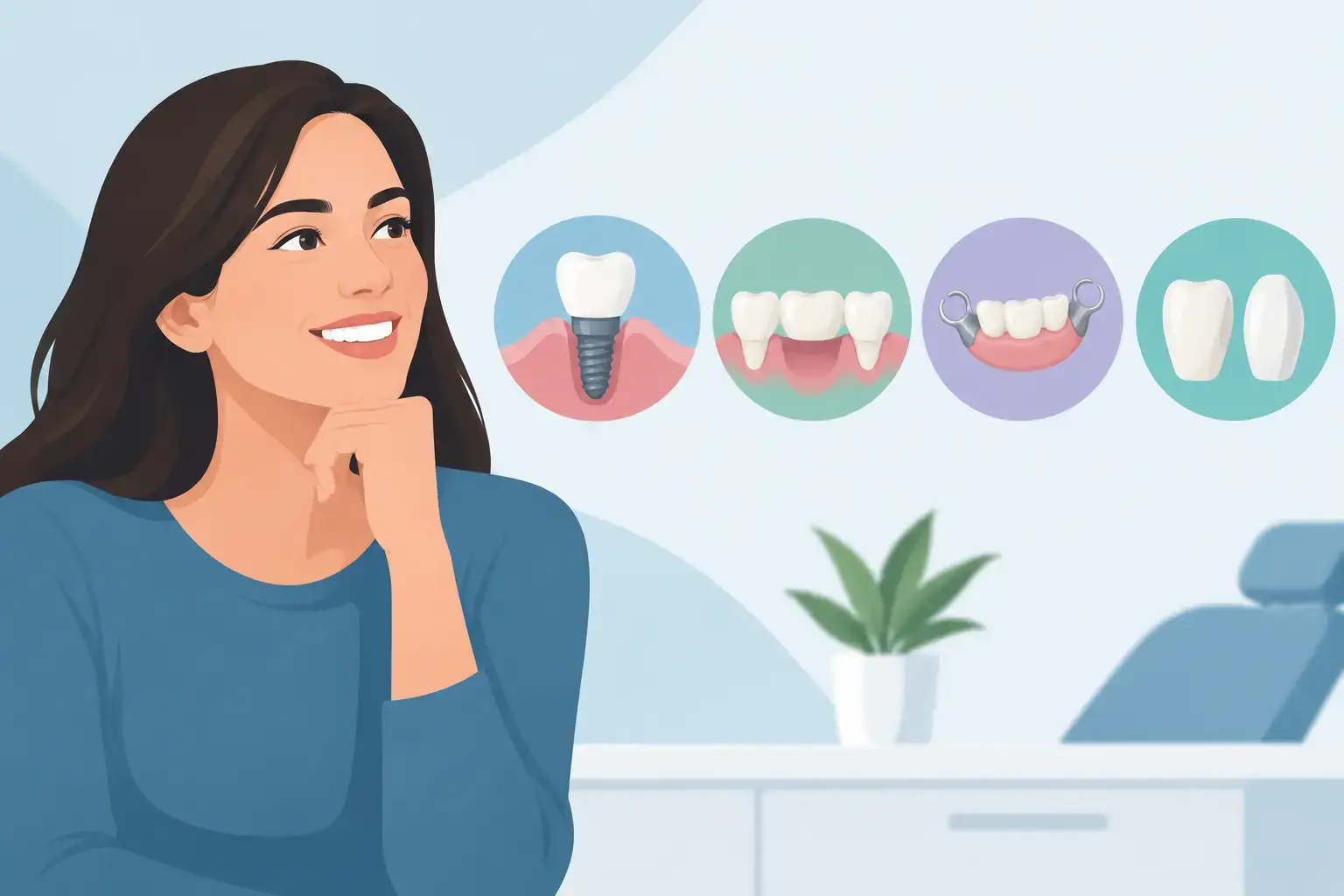
Patients often compare bonding with veneers because both can improve the appearance of front teeth. Bonding is usually the more conservative choice for minor changes. It can be a smart starting point when you want to preserve enamel, limit treatment time, or correct a small isolated flaw.
Porcelain veneers may be worth considering when several visible teeth need a more dramatic, uniform change in color, shape, or surface texture. Porcelain is generally more stain-resistant and may offer longer-lasting cosmetic results, but veneers require a greater commitment and are usually a more involved investment.
Crowns serve a different purpose. They are commonly recommended when a tooth has substantial decay, a large fracture, a weakened structure after root canal treatment, or an existing restoration that no longer provides adequate protection. In those cases, choosing bonding simply because it is less extensive may not give the tooth the support it needs.
The best recommendation should never be based on appearance alone. A complete examination considers your tooth structure, gums, bite, habits, and oral health. At Finesse Family Dental, that conversation is designed to be clear and personal, so you can understand the benefits, limitations, and expected upkeep before moving forward.
Is Dental Bonding a Good Choice for You?
You may be a strong candidate for bonding if your teeth and gums are healthy, your cosmetic concern is relatively minor, and you want a conservative improvement. It can be especially effective for patients who have one chipped tooth, a small space, uneven edges, or a tooth that looks shorter or differently shaped than the rest.
Treatment may need to wait if active decay, gum disease, or significant clenching is present. Addressing the underlying issue first protects both your oral health and the appearance of any cosmetic work. A healthy foundation makes every restorative or cosmetic treatment more predictable.
A good dental bonding result should look comfortable, feel natural when you bite, and support your confidence without asking more of your tooth than the material can reasonably provide. A personal consultation can turn a vague concern in the mirror into a thoughtful plan for a healthier, more polished smile.