A small chip on a front tooth can change the way you smile in photos, talk in meetings, or laugh without thinking about it. When patients ask about dental bonding vs veneers, they are usually not looking for a cosmetic trend. They want a solution that looks natural, feels comfortable, and makes sense for their timeline and budget.
Both treatments can improve the appearance of front teeth, but they work differently. One is usually quicker and more conservative. The other is often more durable and better for larger cosmetic changes. The right choice depends on what you want to fix, how long you want the result to last, and how much change your smile needs.
Dental bonding vs veneers: the basic difference
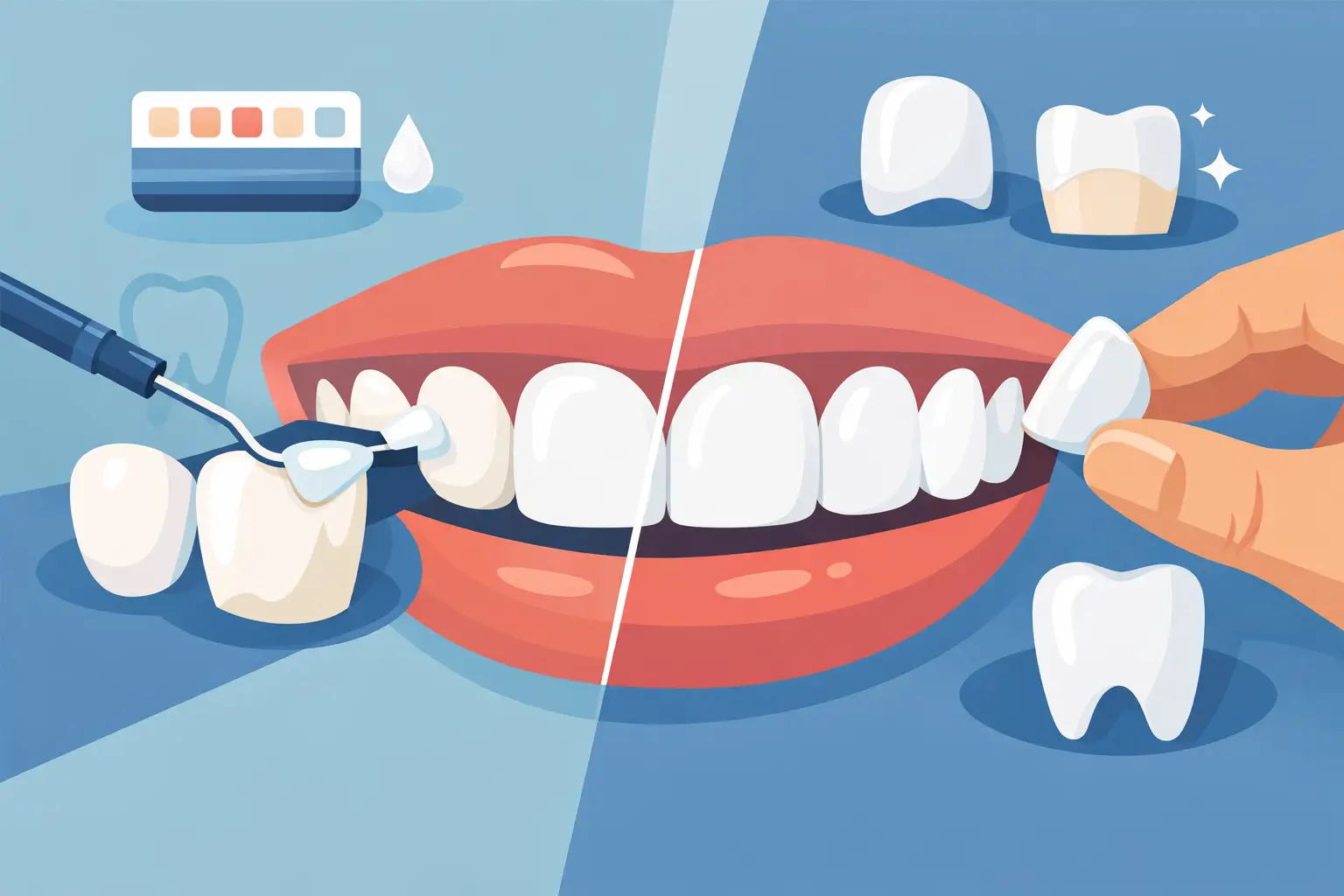
Dental bonding uses a tooth-colored composite resin that is shaped directly onto the tooth. Your dentist applies the material, sculpts it, and hardens it with a curing light. It is often used to repair small chips, close minor gaps, soften uneven edges, or improve the look of discoloration.
Veneers are thin custom shells, usually made from porcelain, that cover the front surface of the tooth. They are designed in advance and bonded into place after the tooth is prepared. Veneers can change color, shape, size, and symmetry more dramatically than bonding.
In simple terms, bonding is more like artistic reshaping with composite, while veneers are a more planned and comprehensive cosmetic upgrade. Neither is automatically better. The better option is the one that matches your goals.
When dental bonding makes the most sense
Bonding is often a good fit when the changes you want are modest. If you have a small chip, one slightly uneven tooth, a narrow gap, or a minor area of staining, bonding can often deliver a very pleasing result without changing much of the natural tooth.
Another advantage is efficiency. In many cases, bonding can be completed in one visit. That appeals to busy professionals, parents, and anyone who wants visible improvement without a long process. It also tends to be more budget-friendly upfront than veneers.
Bonding is also conservative. Very little, if any, natural enamel may need to be removed. For patients who prefer a lighter-touch cosmetic treatment, that can be a major benefit.
That said, bonding has limits. Composite resin is durable, but it is not as stain-resistant or long-lasting as porcelain. If you drink a lot of coffee, tea, or red wine, or if you tend to bite your nails or chew ice, bonding may wear or discolor sooner. It can also chip more easily under pressure.
When veneers are the better choice
Veneers are often the better option when the cosmetic concerns are more noticeable or involve several teeth. If you want to correct multiple issues at once, such as worn edges, deep discoloration, uneven tooth shape, visible gaps, and mild misalignment, veneers can create a more uniform and longer-lasting result.
Porcelain veneers are especially valued for their appearance. They reflect light in a way that closely mimics natural enamel, and they resist stains better than composite. For patients who want a brighter, polished smile that holds its look over time, veneers are often worth considering.
Veneers also tend to last longer than bonding with proper care. While every case is different, porcelain veneers generally offer better long-term durability. That can make them a smart investment for patients who want a stable cosmetic result and are ready for a more involved treatment process.
The trade-off is that veneers usually require more planning, more cost, and some enamel removal. They are not the best choice for every small cosmetic issue, especially when a simpler option could work well.
Appearance: which one looks more natural?
This is one of the most common questions, and the honest answer is that both can look very natural when done well.
Bonding can blend beautifully with surrounding teeth, especially for small repairs. If only one area needs improvement, composite bonding can be a subtle way to restore the tooth without making it look overly done.
Veneers usually offer more control over the final appearance. Because they are custom-designed, they can create smoother symmetry, more even color, and refined contours across multiple teeth. If your goal is a broader smile makeover, veneers usually provide more consistency.
What matters most is careful treatment planning. The best cosmetic dentistry does not make teeth look fake or bulky. It should fit your face, your bite, and your natural features.
Cost and long-term value
For many patients, cost is part of the decision, and it should be. Bonding usually costs less upfront than veneers. If you need a small fix and want an affordable cosmetic improvement, bonding can be an excellent value.
Veneers typically involve a higher initial investment because they require custom lab fabrication, more detailed design, and multiple steps. But long-term value is not just about the first bill. It is also about maintenance, longevity, and how often repairs or touch-ups may be needed.
If bonding stains, chips, or wears down over time, you may need periodic refinishing or replacement. Veneers generally hold up better and stay brighter longer. For some patients, that makes veneers more economical over the long run.
This is where personal goals matter. If you want a quick improvement for one tooth, bonding may be the smarter financial choice. If you want a bigger transformation designed to last, veneers may justify the added cost.
Dental bonding vs veneers for durability
If durability is your top priority, veneers usually come out ahead. Porcelain is strong, stain-resistant, and better at maintaining its appearance over the years. Patients who want a treatment that looks polished and stable for a long time often prefer veneers for that reason.
Bonding is durable enough for many everyday cosmetic needs, but it is more vulnerable to chipping and staining. That does not mean it is a poor option. It means it performs best in the right situations and with realistic expectations.
Your habits matter here. If you clench or grind your teeth, either option may need protection with a night guard. If you use your teeth to open packages or bite hard objects, both treatments are at greater risk. Cosmetic dentistry lasts longer when it is supported by healthy habits.
Which option is better for damaged or unhealthy teeth?
Cosmetic treatment works best when the teeth and gums are healthy first. If a tooth has decay, a large fracture, or structural weakness, bonding or veneers may not be the first step. Some teeth need restorative care such as a filling or crown before cosmetic work is considered.
Gum health also matters. If you have inflammation or periodontal issues, those should be addressed before moving forward with cosmetic treatment. A healthy foundation makes for better-looking and longer-lasting results.
This is one reason patients appreciate a full-service dental office. When cosmetic goals are evaluated alongside oral health, the treatment plan tends to be more thoughtful and more predictable.
How to choose between bonding and veneers
The best way to decide is to think about three things: how much change you want, how long you want it to last, and how much treatment you are comfortable with.
If your concern is minor and you want a fast, conservative, lower-cost solution, bonding is often a very good place to start. It can make a noticeable difference with minimal treatment.
If you want a more dramatic upgrade, better stain resistance, and a result that can reshape several teeth at once, veneers may be the stronger option. They ask for more commitment, but they also offer more control and longevity.
There is also a middle ground. Some patients do not need veneers on every tooth. Others benefit from bonding in one area and a different treatment elsewhere. Cosmetic dentistry is not one-size-fits-all, and the best plans are customized.
At Finesse Family Dental, that conversation starts with listening. A good cosmetic consultation should not push you toward the most expensive treatment. It should help you understand what is possible, what is appropriate for your teeth, and what will help you smile with more confidence.
If you are deciding between dental bonding and veneers, the answer is not about choosing the more popular option. It is about choosing the one that fits your smile, your lifestyle, and the kind of result that will still feel right when you look in the mirror months from now.