A tooth that throbs when you sip coffee, wakes you up at night, or hurts when you bite down rarely gets better by waiting. If you are searching for a root canal dentist Fremont patients can rely on, you are probably looking for two things at once – real relief from pain and confidence that you are in gentle, capable hands.
That combination matters more than people think. Root canal treatment has an old reputation for being stressful, but modern dentistry has changed the experience in a big way. With the right diagnosis, careful technique, and a team that knows how to keep patients calm, a root canal is often the treatment that stops discomfort and helps you keep your natural tooth.
When you may need a root canal dentist in Fremont
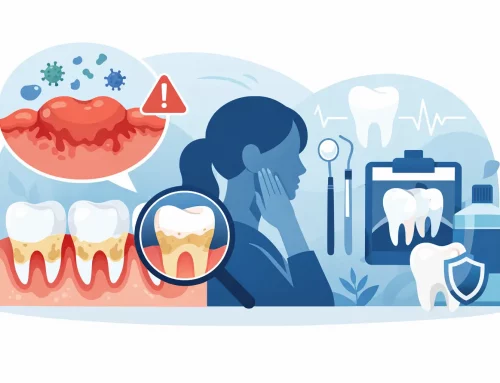
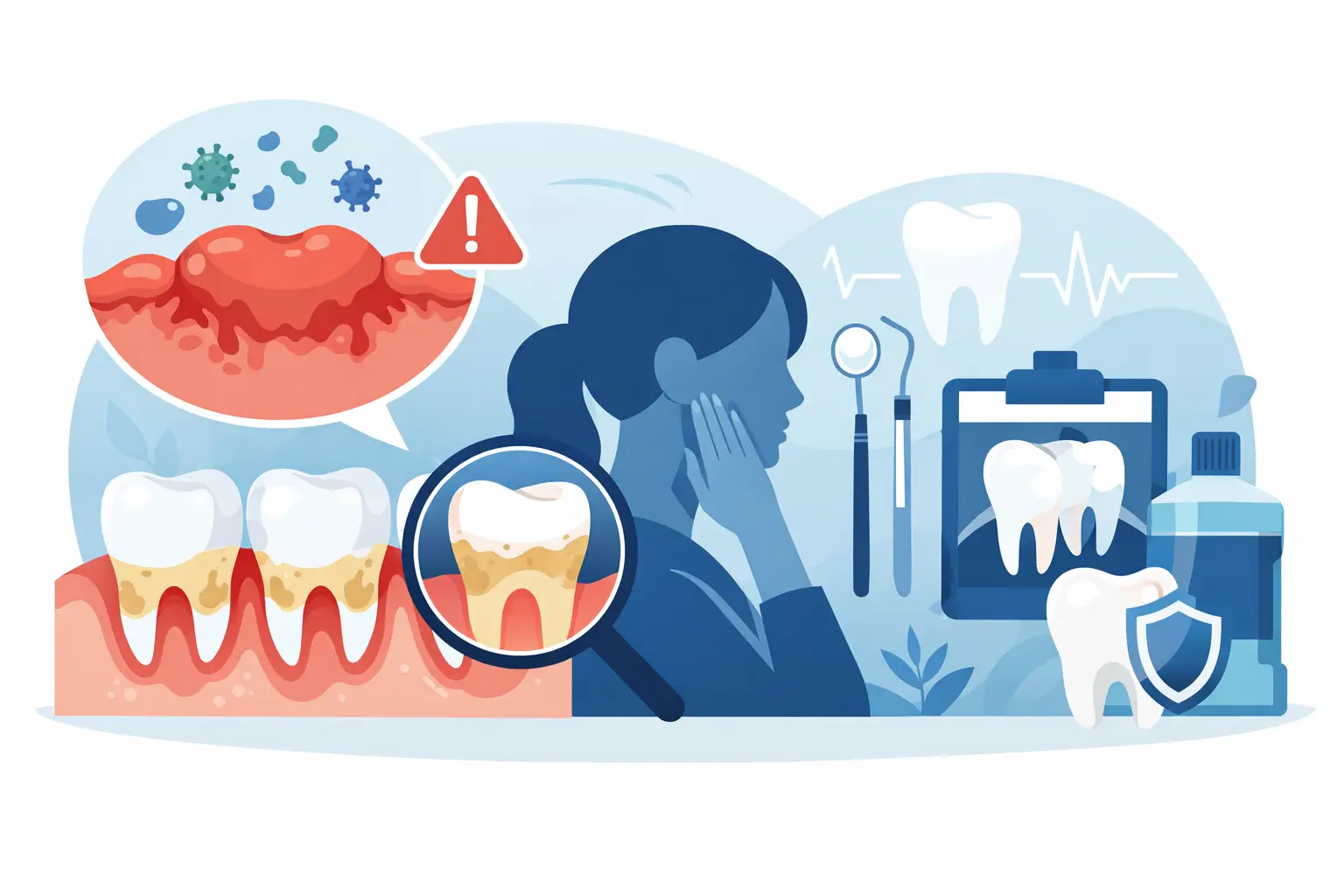
Not every toothache means you need root canal treatment, but some symptoms deserve attention sooner rather than later. Lingering sensitivity to hot or cold, pain when chewing, swelling near the gums, a darkened tooth, or a pimple-like bump on the gum can all point to infection or inflammation inside the tooth.
The inside of each tooth contains soft tissue called pulp. When that tissue becomes infected from deep decay, a crack, trauma, or repeated dental work, the tooth may no longer be able to heal on its own. At that point, the goal is to remove the damaged tissue, clean the inside of the tooth, and seal it so the infection does not continue.
There is some nuance here. A sore tooth could also be caused by a cavity, gum inflammation, grinding, a bite issue, or even sinus pressure. That is why a good exam matters. The best next step is not guessing from symptoms online. It is getting an accurate diagnosis from a dentist who can explain what is happening and what your options are.
What a root canal actually does
A root canal does not remove the whole tooth. It treats the inside of the tooth so the healthy outer structure can stay in place. For many patients, that is the biggest misconception. They hear the phrase and assume something major and painful is about to happen. In reality, the purpose of the procedure is to save the tooth and get rid of the source of pain.
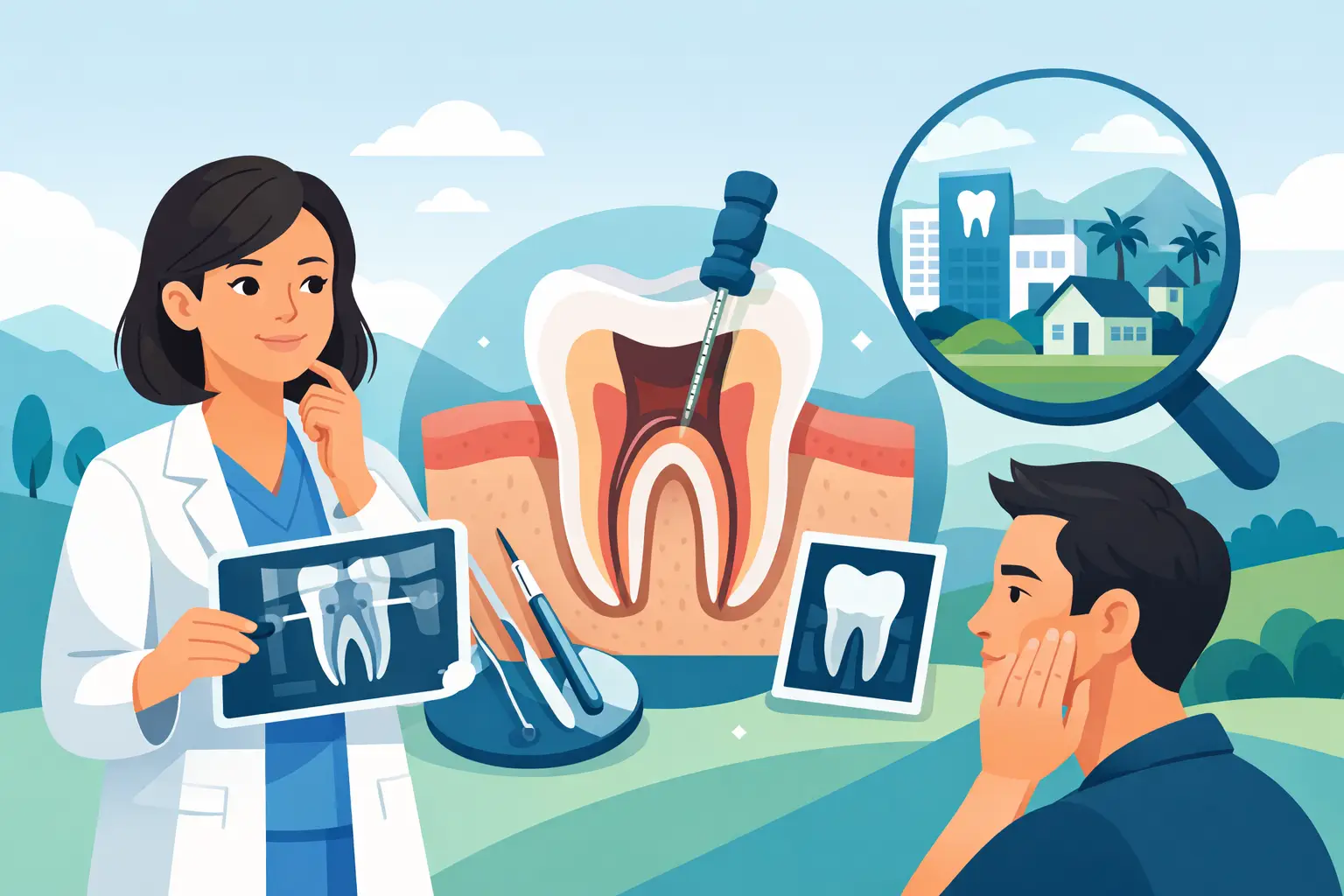
After the area is numbed, the dentist creates a small opening in the tooth, removes the infected or inflamed pulp, cleans and shapes the canals, and places a filling material inside to seal them. In many cases, the tooth is then restored with a crown for strength and long-term protection.
Whether a crown is needed depends on the tooth and how much healthy structure remains. Back teeth usually take more chewing force, so they often benefit from full coverage after a root canal. Front teeth may not always need the same type of restoration. This is one of those situations where the right answer depends on your specific tooth, not a one-size-fits-all rule.
Why patients often feel better after treatment
People tend to focus on the procedure itself, but the real issue is the infection or inflammation already causing pain. Once that damaged tissue is removed, pressure inside the tooth is reduced and the source of discomfort is addressed.
Most patients say the experience feels more like getting a filling than they expected. Some soreness after treatment is normal, especially if the tooth was badly infected beforehand, but that is very different from the untreated pain that led you to call the dentist in the first place.
This is also why timing matters. An infected tooth does not usually stay the same. Waiting can lead to more pain, more swelling, and in some cases a tooth that becomes harder to save. Early treatment is often simpler and more comfortable than delayed treatment.
How to choose the right root canal dentist Fremont patients trust
If you are comparing dental offices, look beyond whether root canals are listed on a services page. The better question is how the practice handles the full patient experience.
Start with diagnosis. You want a dentist who takes time to examine the tooth carefully, review digital imaging, and explain whether a root canal is truly needed. If another option could solve the problem, that should be part of the conversation.
Comfort is just as important. For many patients, dental anxiety is real, especially when they are already in pain. A practice that prioritizes a calm environment, clear communication, and gentle care can make a difficult day feel manageable. You should never feel rushed, dismissed, or confused about what comes next.
It also helps to choose a full-service office. If your root canal is followed by a crown or other restorative work, there is real value in staying with one team that knows your case from start to finish. That means fewer handoffs, fewer scheduling headaches, and better continuity of care.
Experience and technology matter too. Modern imaging, efficient techniques, and a dentist with strong restorative judgment can improve both comfort and outcome. A root canal is not just about cleaning the tooth. It is also about restoring it properly so it can function well for years.
What to expect at your appointment
The first step is an exam and imaging to confirm the source of the problem. If root canal treatment is recommended, your dentist will explain the condition of the tooth, how the procedure works, and whether the tooth will need a final restoration such as a crown.
During treatment, the tooth and surrounding area are numbed thoroughly. Many patients are surprised by how routine this part feels once they are comfortable. The procedure is precise, but it is not something you need to be afraid of when it is handled by an experienced, attentive team.
Afterward, you may be advised to avoid chewing on that tooth for a short period, especially if a final crown has not yet been placed. You will also receive instructions for managing temporary soreness and keeping the area clean. Following through with the permanent restoration is important because it helps protect the treated tooth from fracture.
Root canal vs extraction – which is better?
Sometimes patients ask whether it is easier to just remove the tooth. In some cases, extraction is necessary. If a tooth is too damaged to restore, or if there are structural or periodontal issues that make long-term success unlikely, removing it may be the better choice.
But when a tooth can be saved, keeping your natural tooth is usually worth serious consideration. Natural teeth help maintain normal biting function, support jaw alignment, and avoid the added cost and planning involved with replacing a missing tooth later. An extraction may seem like the simpler fix in the moment, but it can lead to decisions about bridges, implants, or shifting teeth down the road.
That said, there is no universal answer. The best treatment depends on the level of infection, the condition of the tooth, your overall oral health, your timeline, and your budget. A trustworthy dentist will walk you through those trade-offs honestly.
Why local, full-service care makes a difference
When you are dealing with tooth pain, convenience is not a small detail. It matters to be able to get seen promptly, understand your insurance options, and continue treatment in one familiar place.
That is one reason many East Bay families prefer a local dental office that offers both urgent restorative care and long-term preventive support. A practice like Finesse Family Dental can evaluate the tooth, provide treatment, and restore your smile with the same patient-centered approach that builds long-term trust.
For busy professionals, parents managing family schedules, and anyone who wants less stress around dental visits, that continuity makes the process feel much more manageable. It turns a painful interruption into a clear plan.
The real goal is not just fixing a tooth
A root canal is about more than treating infection. It is about helping you eat comfortably, sleep without throbbing pain, and stop worrying that the problem will flare up at the worst time.
The right dentist will treat the clinical issue and the human side of it too. That means listening, explaining, and making sure you feel cared for from the first call to the final restoration. If your tooth has been sending warning signs, getting it checked now can spare you a lot of discomfort later – and help you keep your natural smile with confidence.