Bleeding when you brush is easy to dismiss. Swollen gums, bad breath, or tenderness can also seem minor at first. But these are often early signs that you may need gum disease treatment Fremont patients rely on to stop infection before it leads to bone loss, loose teeth, or ongoing discomfort.
Gum disease does not always cause dramatic pain in the beginning, which is why many people wait too long to get help. The earlier it is treated, the simpler and more conservative your care can be. For many patients, that means less time in the chair, less stress, and a better chance of keeping their natural teeth healthy for the long term.
Why gum disease should not be ignored
Gum disease begins when plaque and bacteria collect around the gumline. At the earliest stage, called gingivitis, the gums may look red or puffy and may bleed when brushing or flossing. At this point, treatment is often very manageable, especially when combined with improved home care and regular professional cleanings.
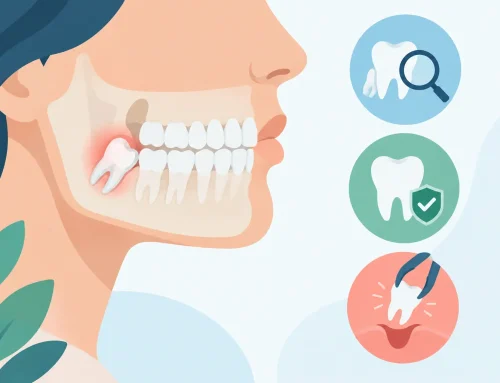
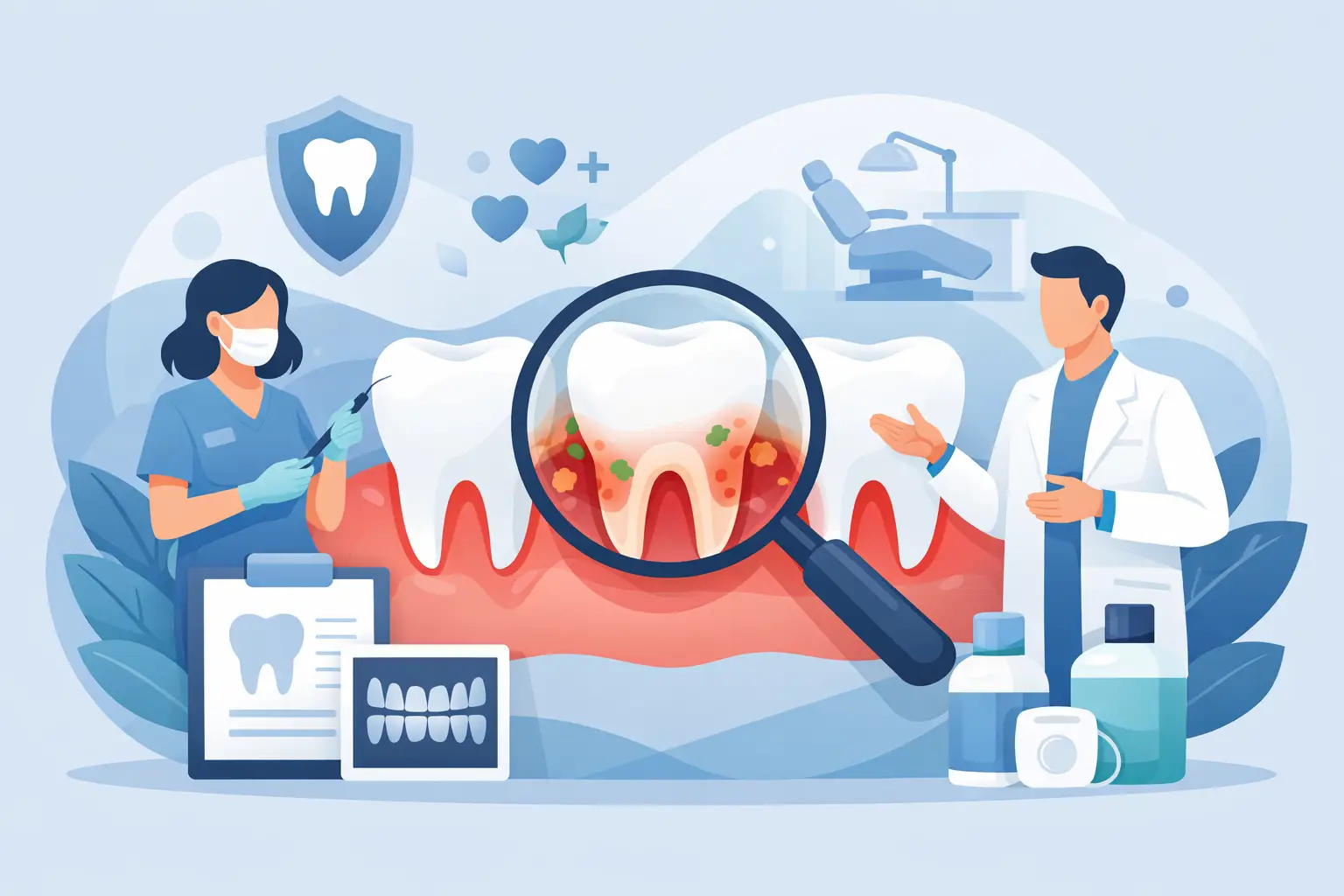
If the infection progresses, it can move below the gumline and begin affecting the tissues and bone that support your teeth. This more advanced stage, often called periodontitis, is more serious. The gums may start pulling away from the teeth, pockets can form, and bone loss can occur over time. Some patients notice sensitivity, recession, or shifting teeth. Others are surprised to learn they have gum disease during a routine exam because the symptoms were subtle.
That is one reason regular dental visits matter so much. A gentle but thorough exam can catch changes early, before treatment becomes more involved.
Signs you may need gum disease treatment in Fremont
A lot of patients assume that if they are brushing every day, they are in the clear. Good habits absolutely help, but gum disease can still develop due to genetics, inconsistent flossing, smoking, clenching, dry mouth, certain medications, diabetes, or simply years of plaque buildup in hard-to-reach areas.
Warning signs can include gums that bleed easily, chronic bad breath, gum recession, tenderness while eating or brushing, loose teeth, or a bad taste in the mouth that does not seem to go away. In some cases, people also notice their teeth look longer than they used to, which is often a sign that the gums have receded.
If any of these sound familiar, it is worth getting checked. Waiting usually does not make gum problems resolve on their own. It typically gives the infection more time to spread.
What gum disease treatment Fremont care may include
The right treatment depends on how advanced the condition is. There is no one-size-fits-all answer, and that is actually a good thing. A personalized approach allows your dentist to treat the infection effectively while keeping your experience as comfortable as possible.
For mild cases, a professional cleaning and improved home care may be enough to reverse early inflammation. If the disease has progressed below the gumline, a deeper periodontal cleaning may be recommended to remove bacteria and tartar from the root surfaces. This helps reduce pocket depth and gives the gums a better chance to heal.
Some patients need treatment in one area of the mouth, while others need more comprehensive care. It depends on pocket depth, the amount of buildup present, how much inflammation is visible, and whether any bone loss has occurred. X-rays and periodontal measurements help create a clear picture of what is going on beneath the surface.
The goal is not just to clean the teeth. It is to control infection, protect the supporting structures around the teeth, and create conditions where the gums can become healthier and easier to maintain.
The benefit of Waterlase technology
For patients who feel nervous about periodontal treatment, modern technology can make a meaningful difference. One option used in advanced gum care is Waterlase technology, which combines laser energy with a gentle spray of water to target infected tissue and bacteria.
This approach can be appealing for patients who want a more comfortable experience. In the right cases, it may reduce the need for more traditional instruments, support precision during treatment, and help preserve healthy tissue. It can also be a good fit for people who have avoided care because they are worried about discomfort.
As with any dental treatment, the best method depends on your clinical needs. Some patients respond well to conservative therapy and close maintenance. Others need a more advanced periodontal approach. The value of a full-service dental office is that your care can be based on what is best for your mouth, not a limited menu of options.
What to expect at your visit
For many people, the hardest part is simply making the appointment. That is especially true if it has been a while since your last dental visit or if your gums have been bothering you for months. A caring office experience matters here. Patients want clear answers, not judgment.
A gum evaluation usually starts with a conversation about your symptoms, health history, and any changes you have noticed. Your dentist or hygienist will examine the gums, measure the spaces around the teeth, and look for signs of inflammation, recession, or bone loss. X-rays may be taken if needed.
Once the cause and severity are understood, your treatment plan can be explained in plain language. You should know what is being treated, why it matters, what your options are, and what kind of follow-up will help protect your results. That kind of communication tends to lower anxiety because there are fewer unknowns.
Is treatment painful?
This is one of the most common concerns, and the honest answer is that it depends on the condition of your gums, the treatment recommended, and your own comfort level. Early treatment is usually easier than treatment for advanced disease. That is another reason not to wait.
The good news is that modern periodontal care is much gentler than many patients expect. Local anesthesia, careful technique, and technologies designed for comfort can make treatment much more manageable. If your gums are sore now, treatment often brings relief because it addresses the source of the irritation instead of letting it continue.
After treatment, maintenance matters
Successful periodontal care does not end after one appointment. Gum disease is a chronic condition for many patients, which means maintenance is part of keeping it under control. That does not mean your situation is hopeless. It means ongoing care is the best way to protect the progress you have made.
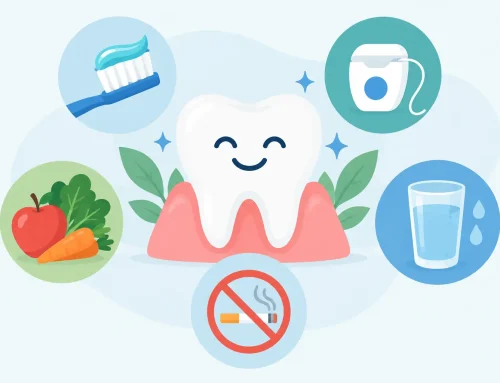
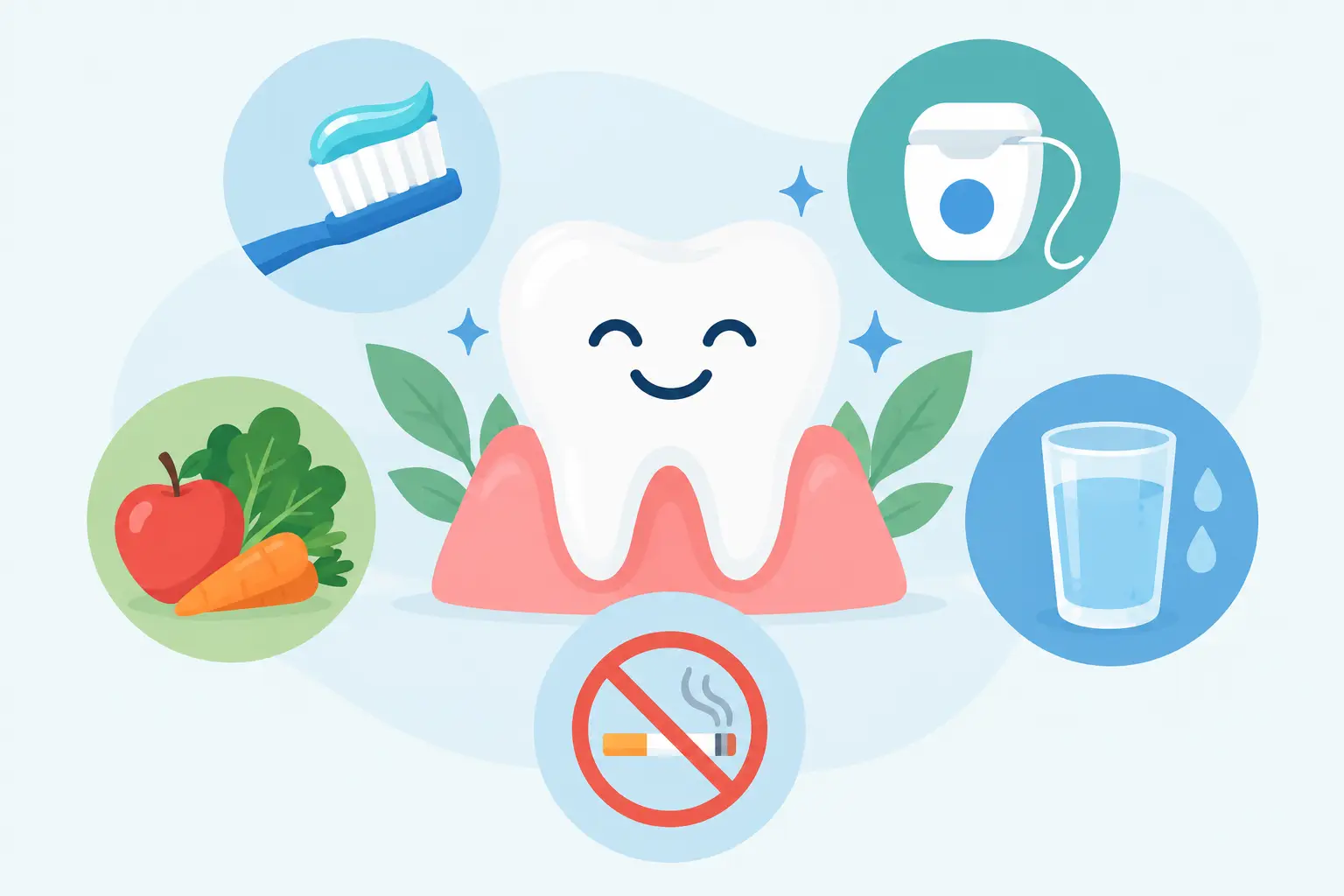
You may need more frequent cleanings than someone with no history of gum disease. Your at-home routine also becomes especially important. Brushing twice a day, flossing or using other interdental cleaning tools, and following the recommendations given by your dental team can help reduce the risk of recurrence.
This is where personalized care really matters. Some patients need coaching on technique. Others need help managing dry mouth, improving consistency, or choosing the right products. The most effective care plan is the one you can realistically maintain.
Choosing the right provider for gum disease treatment Fremont
When you are comparing dental offices, convenience matters, but experience and approach matter just as much. Gum treatment should feel thorough, respectful, and tailored to your needs. You want a provider who can explain your condition clearly, offer modern treatment options, and help you feel comfortable from the first visit onward.
That combination is especially important for busy adults and families who prefer to receive preventive, restorative, and periodontal care in one place. A practice like Finesse Family Dental can make that process easier by combining advanced technology with a warm, patient-focused experience. If you are using PPO insurance, it also helps to choose an office that understands how to make care more accessible and straightforward.
No two cases of gum disease look exactly the same. Some people need prompt intervention for active infection. Others need maintenance and monitoring after prior treatment. The right next step is simply getting an accurate diagnosis and a plan that makes sense for your health, schedule, and comfort level.
If your gums bleed, feel swollen, or just do not seem as healthy as they used to, trust that signal. Getting help early can protect more than your smile. It can make everyday things like eating, brushing, and speaking feel comfortable again.