Gums do not usually ask for attention until something feels off. You may notice bleeding when you brush, tenderness near one tooth, chronic bad breath, or gums that seem to be pulling away from your teeth. When that happens, many patients want effective treatment without the fear that often comes with traditional gum procedures. That is where waterlase gum treatment can make a real difference.
This approach uses laser technology, along with a gentle spray of water, to target infected or inflamed gum tissue with precision. For many patients, it means a more comfortable experience, less bleeding during treatment, and an easier recovery than they expected. It is not magic, and it is not the right answer for every case, but it can be an excellent option when gum disease or localized periodontal problems need attention.
What is waterlase gum treatment?
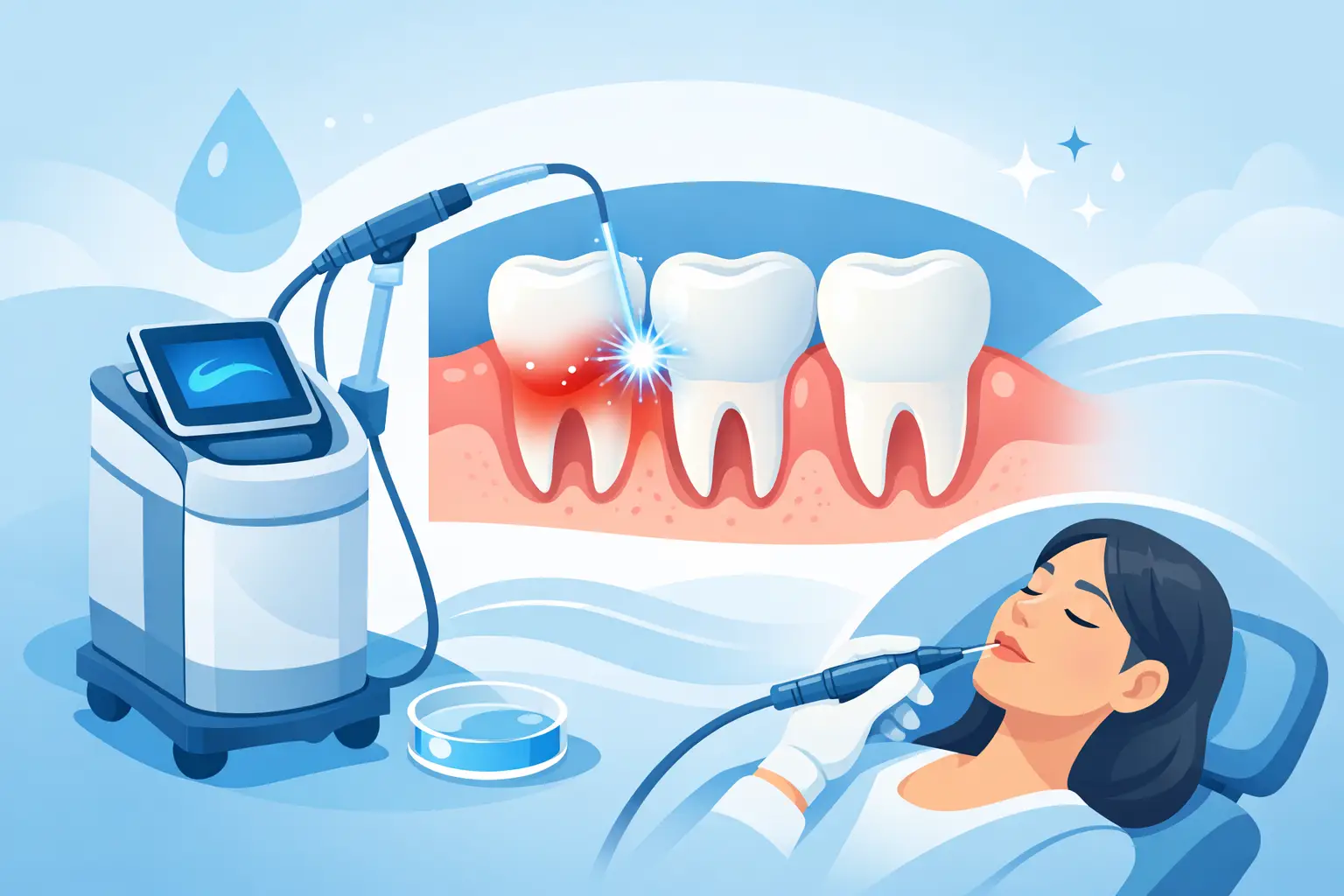
Waterlase gum treatment is a modern periodontal treatment that uses laser energy and water to remove diseased tissue, reduce bacteria, and help support healing around the teeth. Instead of relying only on scalpels or other conventional surgical tools, the dentist can use this technology to work more precisely in the gum area.
That precision matters. Gum tissue is delicate, and when inflammation is present, the area is often already sensitive. A treatment method that can target unhealthy tissue while being gentler on surrounding tissue may help reduce discomfort and make the process feel less intimidating.
Patients often hear the word laser and assume the treatment is aggressive. In practice, many find the opposite. The Waterlase system is designed to be conservative and controlled. Depending on the extent of the gum problem, it may be used to treat periodontal pockets, manage infected areas, reshape soft tissue, or assist in other gum-related procedures.
Why patients choose Waterlase for gum care
Comfort is one of the biggest reasons patients ask about Waterlase. Many people put off gum treatment because they are worried about pain, stitches, or a difficult recovery. While every patient experiences treatment differently, laser-assisted gum therapy often feels less invasive than traditional methods.
There can also be less bleeding during the procedure because the laser helps manage the tissue in a more controlled way. Swelling may be reduced as well. For busy adults and parents juggling full schedules, that can matter just as much as the clinical result. If treatment is effective and easier to recover from, it becomes much easier to say yes.
Another benefit is accuracy. Gum disease treatment is not just about removing infection. It is also about preserving as much healthy structure as possible. When the treatment is more targeted, your dentist has better control over how the area is managed.
That said, not every gum condition should be treated the same way. Some patients need a deep cleaning below the gumline. Others may need a more advanced periodontal procedure. In certain cases, a combination of therapies gives the best outcome. The right plan depends on how far the disease has progressed, how deep the pockets are, and how your gums respond to treatment.
When waterlase gum treatment may be recommended
Waterlase gum treatment is often considered when patients have signs of gum disease that go beyond simple gingivitis. If plaque and bacteria have moved below the gumline and started to create pockets around the teeth, treatment needs to do more than clean the surface.
You may be a candidate if you have persistent bleeding gums, inflammation that does not improve with routine cleanings, gum pockets, tenderness, or early signs of gum recession. It may also be used when a specific area of gum tissue is infected or needs contouring for health or function.
In mild cases, conservative care may be enough. A professional cleaning, improved home care, and regular periodontal maintenance can sometimes stop the problem before it gets worse. In more advanced cases, Waterlase may be recommended as part of a more involved treatment plan.
This is why a thorough exam matters. Gum disease is not always obvious to patients, especially in the early stages. You may not feel much pain even when infection is active. Measuring the gums, reviewing X-rays, and checking for bone loss all help determine what treatment makes sense.
What to expect during the appointment
One of the most helpful things for anxious patients is simply knowing what will happen. Waterlase gum treatment begins with an exam and diagnosis, followed by a discussion about the area being treated and the goals of care. Your dentist will explain whether the focus is infection control, pocket reduction, soft tissue removal, or another periodontal need.
The area is prepared, and local anesthetic may be used depending on the procedure and your comfort level. Some patients need very little anesthetic, while others prefer to be fully numb. There is no one right answer. Comfortable treatment is always the goal.
During the procedure, the Waterlase system directs laser energy and water to the treatment site. Diseased tissue and bacteria can be removed with more precision than many patients expect. If the treatment is being used around a tooth with periodontal pocketing, the goal is to clean and disinfect the area while helping create better conditions for healing.
The visit length depends on how many areas are being treated. A small localized procedure is different from treating multiple sites of periodontal disease. Your dentist can give you a more accurate time estimate after the exam.
Recovery after waterlase gum treatment
Recovery is often one of the biggest concerns, especially for working professionals and parents who cannot take several days away from normal life. In many cases, healing after Waterlase is manageable and more comfortable than patients feared.
You may have mild tenderness, sensitivity, or minor swelling for a short period. Soft foods may be recommended for a day or two, and you may be asked to avoid anything too spicy, crunchy, or hot while the area settles. Good home care is still essential, but your dentist may give you temporary instructions on how to brush or rinse around the treated site.
Some patients return to their normal routine quickly. Others need a little more time, especially if the treatment area was larger or the gum condition was more advanced. Recovery is not identical for everyone, and that is normal.
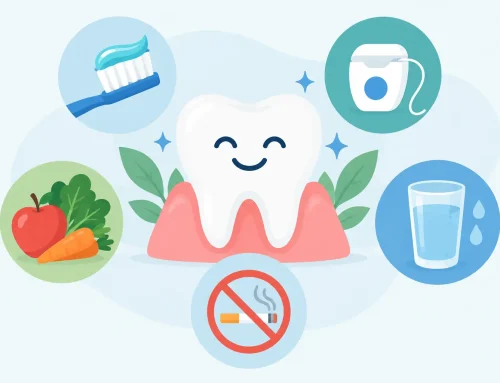
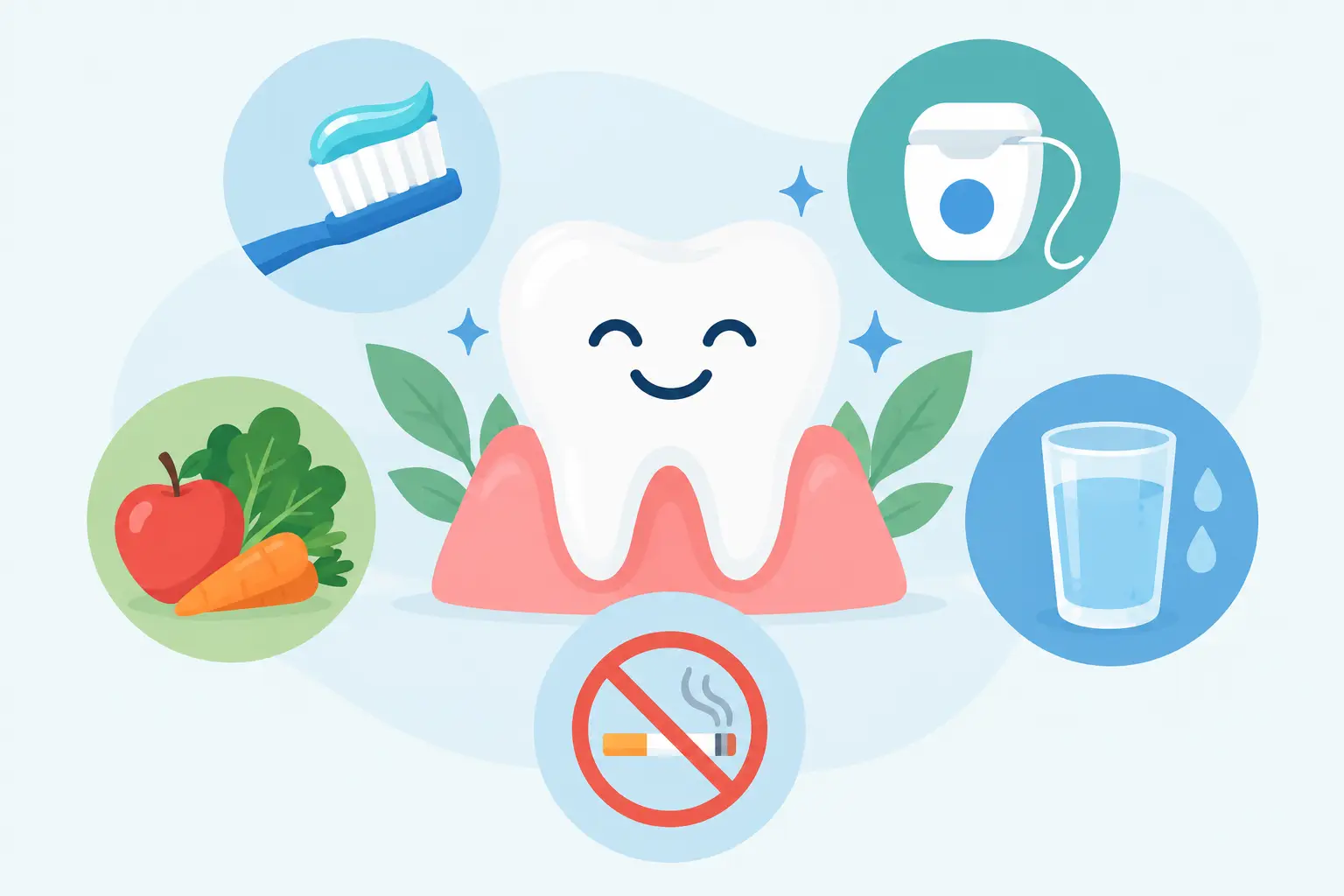
Follow-up care matters just as much as the procedure itself. Gum disease is a bacterial infection, which means long-term success depends on maintenance. Professional cleanings, periodontal maintenance visits, and consistent brushing and flossing all play a role in protecting your results.
How Waterlase compares with traditional gum treatment
For many patients, the question is simple: is Waterlase better? The honest answer is that it depends on the condition being treated.
Traditional methods are still effective and, in some cases, necessary. There are situations where conventional periodontal treatment remains the best choice. What Waterlase offers is a different way to treat many gum concerns with a focus on precision, comfort, and tissue preservation.
If you are a patient who has delayed care because you are nervous about surgery, this technology may make treatment feel more approachable. If you have significant periodontal damage, your dentist may recommend Waterlase as part of care, not necessarily as the only step. The value is in choosing the right tool for the right clinical situation.
At a practice like Finesse Family Dental, that decision is guided by both technology and experience. Modern equipment only helps when it is used thoughtfully, with a clear understanding of what the patient needs and what will support lasting oral health.
Why timing matters with gum disease
Many people wait until gum problems become painful, but gum disease often progresses quietly. By the time teeth feel loose or gums have receded noticeably, the condition may already be more advanced. Earlier treatment is usually simpler, more conservative, and easier to recover from.
That is one reason regular dental visits are so important. Bleeding gums are easy to dismiss, especially if they come and go. But healthy gums generally do not bleed with normal brushing and flossing. If they do, it is worth getting checked before the issue becomes harder to treat.
Choosing care early does more than protect your gums. It helps protect the bone that supports your teeth, your overall comfort, and your long-term smile.
If your gums have been bothering you or you have been told you need periodontal treatment, asking about waterlase gum treatment is a smart next step. The best treatment is the one that fits your condition, your comfort level, and your long-term health goals. Sometimes a gentler approach is exactly what helps patients move forward with care they have been putting off for far too long.