A laser treatment for your gums should feel like modern dental care, not a leap into the unknown. Gum laser safety begins with a careful diagnosis, the right technology for the procedure, and a dental team that explains what will happen before treatment starts. For patients managing gum disease or considering gum reshaping, understanding these safeguards can make the appointment feel far more comfortable.
At Finesse Family Dental, laser dentistry is approached as one part of personalized periodontal care. A laser is not automatically the right choice for every concern, but when it is appropriate, Waterlase technology can support gentle, precise treatment with patient comfort in mind.
What Gum Laser Safety Means in Dentistry
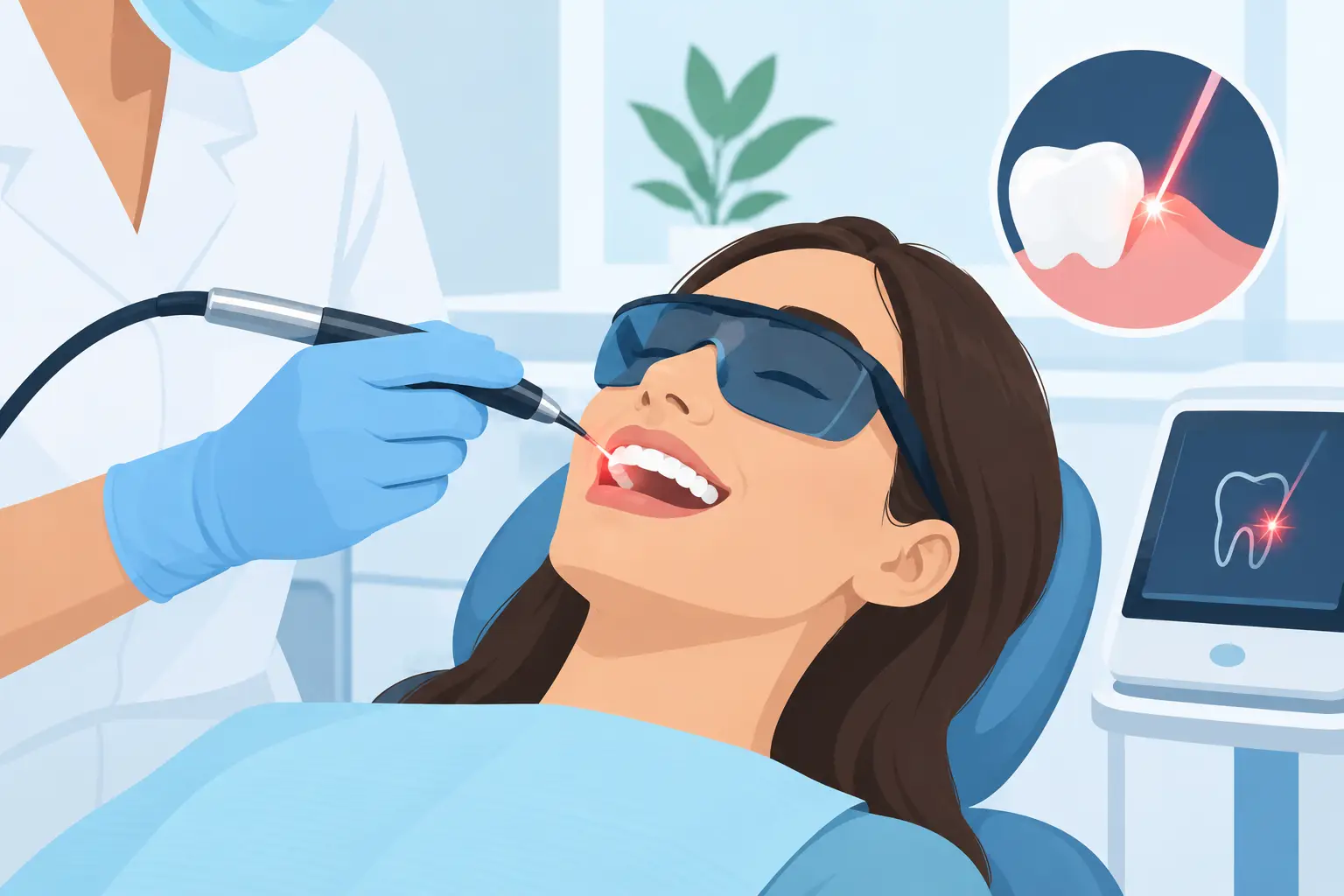
Dental lasers use focused light energy to work on specific areas of soft tissue and, with certain systems, hard tissue. In gum care, a laser may help remove diseased tissue, reduce bacteria in periodontal pockets, reshape the gumline, or assist with other procedures. The goal is precision: treating the area that needs care while limiting unnecessary impact on surrounding tissue.
Safety is not simply about the laser device itself. It involves the full clinical process, including a thorough exam, periodontal measurements, medical history review, proper settings, protective equipment, and clear aftercare instructions. A trained dentist adjusts treatment based on the condition of your gums, the depth of infection, your comfort level, and the type of laser being used.
Waterlase technology combines laser energy with a fine spray of water and air. This approach may reduce heat and vibration compared with some traditional methods. Many patients appreciate that it can allow for a gentler experience, although every procedure and every patient is different.
How Dental Teams Protect You During Laser Gum Treatment
A professional dental office follows established clinical protocols before, during, and after laser procedures. These steps are designed to protect your oral tissues, eyes, and overall health while helping your treatment proceed efficiently.
Your diagnosis comes first
Bleeding gums, tenderness, bad breath, gum recession, and loose teeth can all point to periodontal disease, but they can also have other causes. Your dentist will evaluate your gums, measure pocket depths, review X-rays when needed, and look for factors such as plaque buildup, bone loss, decay, or bite issues.
This evaluation matters because laser treatment is not a substitute for an accurate diagnosis. Mild gingivitis may respond well to professional cleaning and improved home care. More advanced gum disease may require scaling and root planing, laser-assisted therapy, surgery, or a combination of treatments. Choosing the appropriate care is one of the most meaningful parts of gum laser safety.
Protective eyewear is standard
Both patients and dental team members wear laser-specific protective eyewear during treatment. These glasses are selected for the wavelength of the laser in use. Regular eyeglasses or sunglasses are not an alternative.
Your clinician should also control access to the treatment area, use appropriate warning procedures, and confirm that the laser is operating at settings suitable for the planned procedure. These details may not be dramatic, but they reflect a disciplined approach to patient care.
The laser is used with precise settings
Different dental lasers work in different ways. The dentist selects the correct wavelength, power level, pulse duration, and technique for the tissue being treated. Using a laser effectively requires training, clinical judgment, and an understanding of when conventional instruments may be the better option.
With Waterlase, the water spray helps manage heat at the treatment site. Even so, precision remains essential. The dentist continually evaluates the tissue response and adjusts technique as needed rather than treating every patient with the same settings.
Infection control remains part of the process
Laser treatment does not replace routine infection-control practices. A safe office uses sterilized instruments, disposable barriers where appropriate, gloves, masks, and carefully cleaned treatment spaces. If your procedure involves periodontal infection, your dentist may also discuss ways to control bacteria through cleaning, home care, and follow-up visits.
Is Laser Gum Treatment Safe for Everyone?
For many patients, laser gum treatment can be a safe option when provided by a qualified dental professional. Still, the best treatment depends on your health history and the condition of your mouth.
Tell your dentist about prescription medications, over-the-counter supplements, allergies, pregnancy, immune conditions, diabetes, bleeding disorders, and past dental experiences. Some medications can affect bleeding or healing. Uncontrolled diabetes can make gum disease harder to manage. Tobacco use can also slow healing and increase the risk that periodontal disease will return.
Patients with advanced periodontal disease may need more than laser therapy alone. Deep pockets, significant bone loss, mobile teeth, or complex anatomy can call for additional periodontal treatment. A trustworthy recommendation should explain what the laser can help address and where its limits are.
Laser care may also be used for cosmetic gum contouring, such as evening an uneven gumline. In these cases, safety includes protecting the underlying tooth structure and respecting the natural dimensions of the gums. A quick cosmetic fix is not worth compromising long-term gum health.
What Treatment and Recovery May Feel Like
One reason patients ask about gum laser safety is that they worry about pain, swelling, or a long recovery. The experience varies based on the procedure, the extent of treatment, and your individual sensitivity. Local anesthetic may be used to keep you comfortable, particularly when treating deeper periodontal areas.
During treatment, you may notice the sound of the device, water spray, suction, and mild pressure. You should not try to push through sharp pain. Let your dentist know right away if you are uncomfortable so the team can make an adjustment.
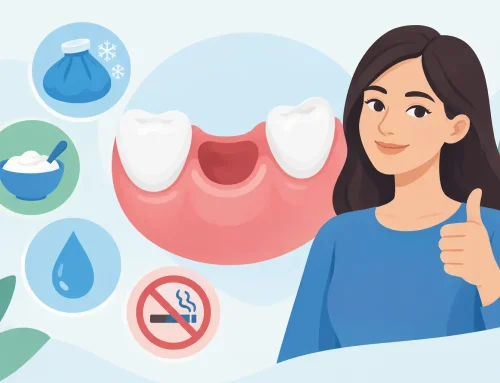
Afterward, some tenderness, mild swelling, or sensitivity can be normal. Your gums may feel different as they heal, especially after treatment for inflammation or infection. Your dentist may recommend soft foods for a short period, gentle brushing, a prescribed rinse, or avoiding spicy and crunchy foods while the tissue recovers.
Follow the specific instructions you receive, since aftercare differs between a small gum-contouring procedure and treatment for periodontal disease. Contact the office promptly if you experience worsening pain, persistent bleeding, fever, increasing swelling, or any concern that does not seem right.
Questions to Ask Before a Laser Gum Procedure
A good conversation before treatment helps you make an informed decision. Ask what condition is being treated, why a laser is recommended, and whether another approach could work as well. You can also ask what type of laser will be used, whether anesthetic is planned, what recovery should look like, and how follow-up care will support lasting results.
It is reasonable to ask about expected benefits and realistic limitations. Laser therapy may help make certain gum procedures more comfortable and precise, but it does not eliminate the need for daily brushing, cleaning between teeth, and regular periodontal maintenance. Gum disease is a chronic condition for many patients, and maintaining results takes ongoing care.
Protecting Your Results at Home
The safest laser treatment is one supported by healthy habits after you leave the office. Brush twice daily with a soft-bristled toothbrush, clean between your teeth every day, and keep the periodontal maintenance schedule recommended by your dentist. If you use tobacco, reducing or stopping is one of the strongest steps you can take for gum healing and long-term oral health.
Pay attention to changes such as renewed bleeding, persistent bad breath, gum recession, or tooth sensitivity. These symptoms do not always mean a serious problem, but they are worth addressing early. Gum disease is often easier to manage before it progresses.
Modern technology should always serve a simple purpose: helping you receive careful treatment with confidence. When your dental team takes the time to assess your needs, explain your options, and guide your recovery, you can move forward with a healthier smile and greater peace of mind.