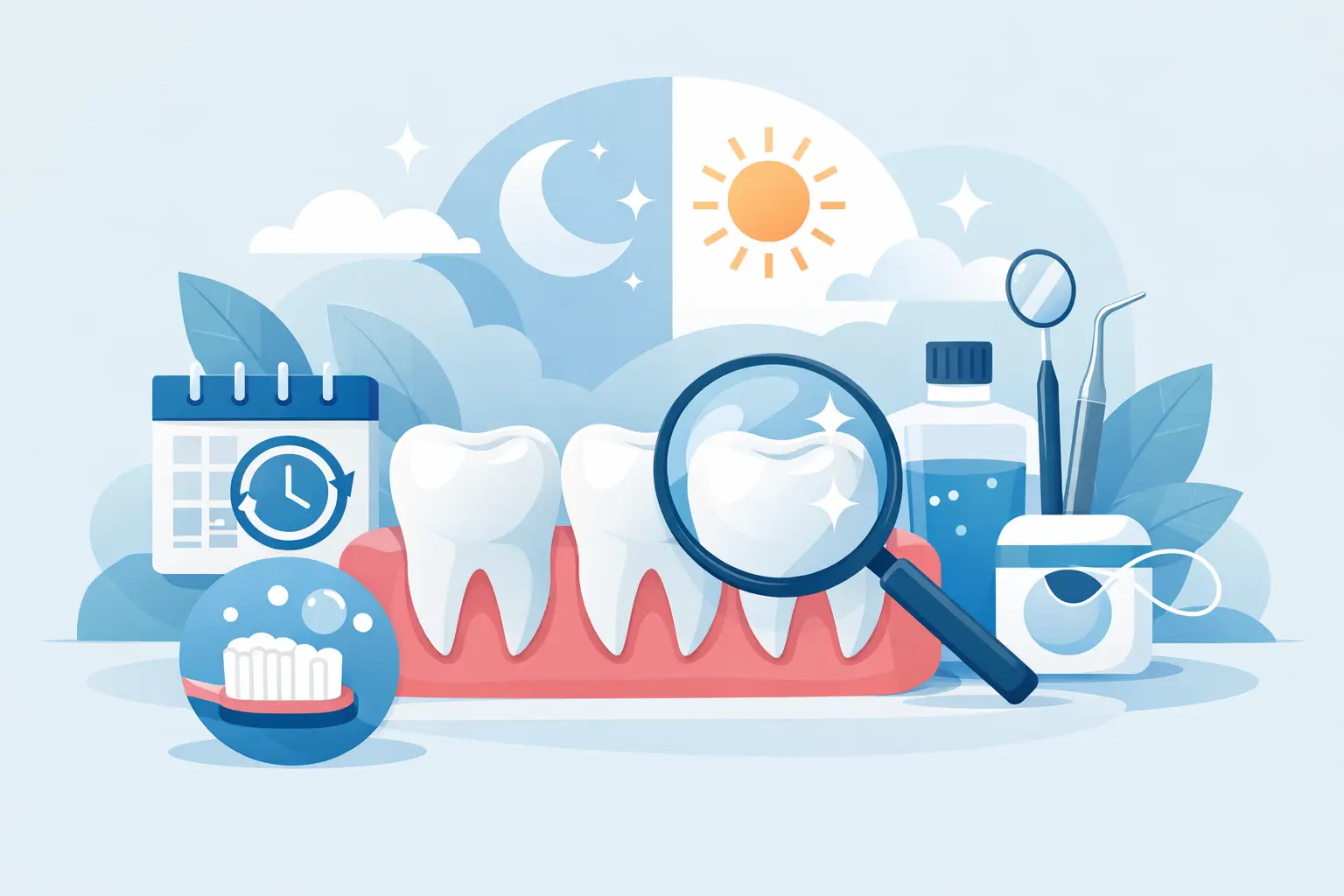
If you have ever wondered how often should teeth be cleaned, the short answer is usually every six months – but that is not the full story. Some patients do very well on a twice-a-year schedule, while others need cleanings more often to stay ahead of plaque buildup, gum inflammation, or a history of dental problems. The right timeline depends on your mouth, your habits, and your risk for cavities and gum disease.
That matters because dental cleanings are not just about making teeth feel smooth. A professional cleaning removes hardened tartar that brushing and flossing cannot handle at home. It also gives your dentist and hygienist a chance to catch small issues early, before they turn into bigger, more expensive problems.
How often should teeth be cleaned for most people?
For many healthy adults and children, a dental cleaning every six months is a solid standard. That schedule works well because plaque forms constantly, and over time some of it hardens into tartar along the gumline and between teeth. Once tartar is there, it needs to be removed with professional instruments.
Six-month visits also help keep routine care truly routine. Small cavities can be spotted sooner. Early gum irritation can be treated before it becomes periodontal disease. For busy families and working professionals, regular preventive visits are often the easiest way to avoid dental surprises later.
Still, six months is a guideline, not a rule that fits every patient equally. Dentistry is personal. Two people can brush twice a day and have very different cleaning needs.
When you may need cleanings more often
Some patients benefit from seeing the dental team every three to four months instead of twice a year. This is especially common when there is a higher risk of gum disease, heavy tartar buildup, or recurring decay.
If your gums bleed easily, your breath stays unpleasant even with good home care, or you tend to build tartar quickly, more frequent cleanings may be the better choice. The same is true if you have had periodontal treatment in the past. Maintenance visits at shorter intervals can help keep inflammation under control and protect the bone and tissue that support your teeth.
Patients with braces, crowded teeth, or dental work such as crowns and bridges may also need closer monitoring. These situations can create extra places for plaque to collect, which means a standard six-month interval may not be enough.
What determines your ideal cleaning schedule?
A dentist does not pick your cleaning frequency at random. Several factors shape the recommendation.
Your gum health
Healthy gums are firm, pink, and do not bleed easily. If your gums are swollen, tender, or bleeding during brushing and flossing, that is often a sign that plaque is irritating the tissue. In those cases, waiting six months can allow the problem to worsen.
If you have gingivitis, more frequent cleanings can help reverse it. If you have periodontitis, regular periodontal maintenance is often necessary to keep the condition stable.
Your cavity risk
Some patients rarely get cavities. Others seem to get them despite making a real effort at home. Diet, dry mouth, oral bacteria, and enamel strength all play a role.
If you have a history of frequent decay, your dentist may want to see you more often. Shorter intervals create more opportunities for preventive care, fluoride support, and early detection.
How quickly tartar builds up
Not everyone accumulates tartar at the same rate. Saliva chemistry, tooth alignment, brushing technique, and flossing habits all affect how much buildup appears between visits.
If heavy deposits return quickly, more frequent cleanings can make your appointments easier and your mouth healthier.
Medical conditions and medications
Diabetes, immune system concerns, and some medications can affect oral health. Dry mouth is a common example. When saliva flow is reduced, cavity risk often goes up because saliva helps protect teeth.
Pregnancy can also increase gum sensitivity and inflammation. During these times, preventive dental care becomes even more valuable.
Tobacco use
Smoking and tobacco use raise the risk of gum disease, staining, delayed healing, and other oral health issues. Patients who use tobacco often benefit from more frequent professional care and closer observation.
Teeth cleanings for children, teens, and adults
Children usually do well with cleanings every six months, especially as they learn brushing and flossing habits. Those early visits help track development, watch for cavities, and build comfort with dental care.
Teens can be a little more variable. Orthodontic treatment, sports drinks, snacks, and inconsistent hygiene may increase the need for preventive visits. A teenager with braces, for example, may need extra support keeping plaque away from brackets and wires.
Adults often assume the schedule stays the same forever, but that is not always true. Risk changes with age, health history, stress, medications, and past dental work. Someone who had few problems at 25 may need a different plan at 45.
What happens if you wait too long?
A delayed cleaning does not always cause immediate damage, but the risk grows as more time passes. Plaque and tartar sit against the gums, which can trigger inflammation. Stains become more stubborn. Small issues may go unnoticed until they hurt or require more involved treatment.
The most common pattern is not a dramatic dental emergency. It is a slow drift. Gums bleed a little more. Tartar gets thicker. A small cavity becomes a larger one. That is why preventive care matters so much – it keeps routine problems from becoming disruptive ones.
For patients who feel nervous about dental visits, postponing appointments can also make anxiety worse. Cleanings tend to be simpler and more comfortable when they are done regularly.
Are more frequent cleanings ever unnecessary?
Yes, sometimes they are. If you have excellent gum health, low cavity risk, little tartar buildup, and strong home care habits, twice-yearly visits may be exactly right. More frequent cleanings are not automatically better for every person.
This is where a personalized recommendation matters. Good dental care is not about overdoing treatment. It is about giving each patient the level of preventive support that matches their needs.
How to make your cleanings more effective
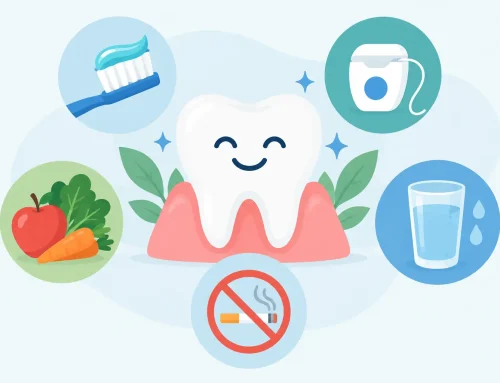
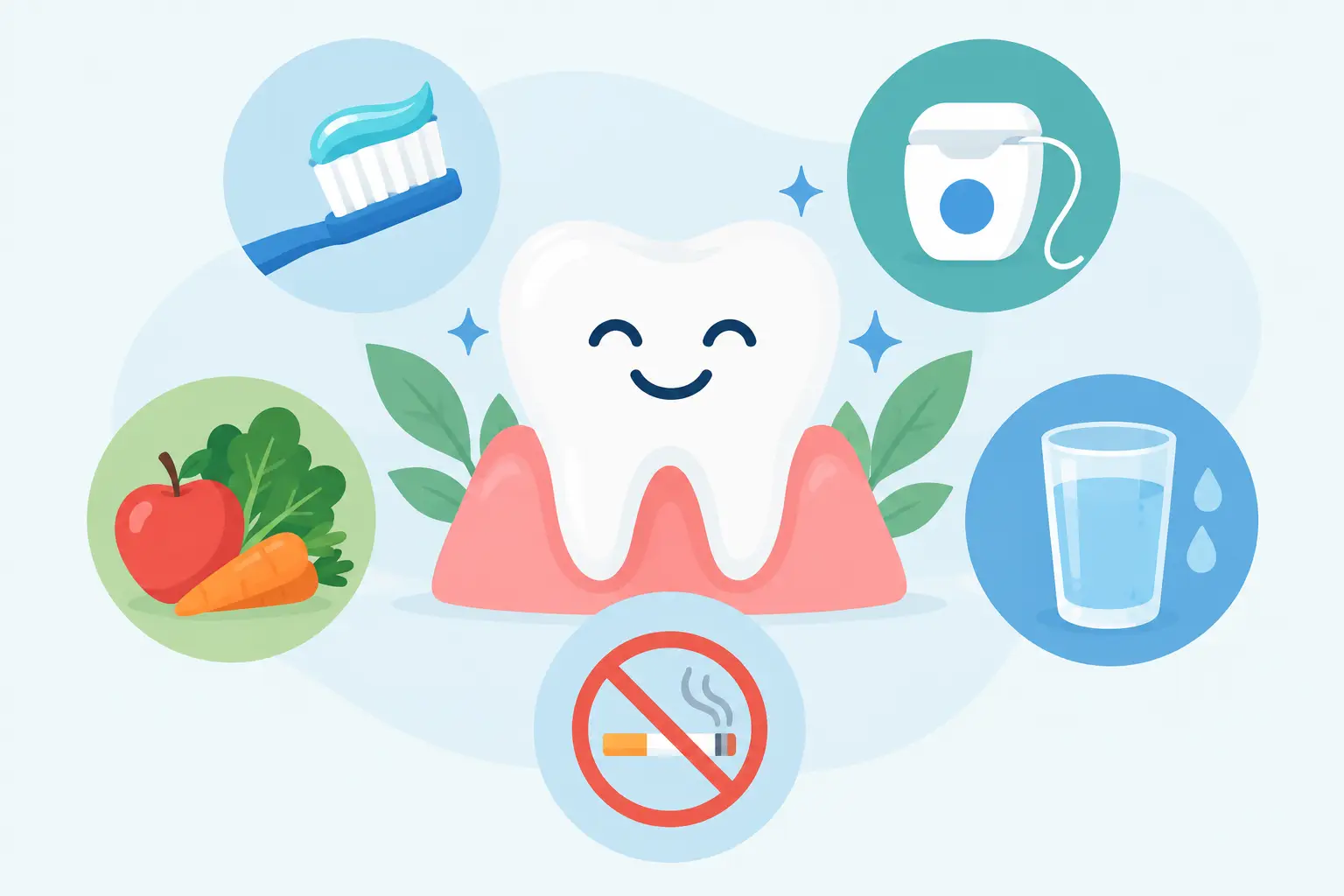
The time between appointments matters just as much as the visit itself. Brushing twice a day with fluoride toothpaste, flossing daily, and keeping up with any special instructions from your dentist all help you get the most from professional cleanings.
Diet matters too. Frequent snacking, sugary drinks, and acidic beverages can increase plaque growth and cavity risk. Even patients who come in on schedule can run into trouble if home habits are working against them.
If you have dental anxiety, let the office know. A gentle, modern approach can make a real difference. At Finesse Family Dental, many patients appreciate care that is efficient, personal, and designed to make preventive visits feel less stressful.
How often should teeth be cleaned if you have gum disease?
If you have active gum disease or a history of periodontal treatment, the answer is often every three to four months. That schedule is commonly called periodontal maintenance rather than a standard cleaning.
The goal is different from a routine hygiene visit. Instead of simply removing everyday buildup, periodontal maintenance helps control the bacteria and inflammation that can damage gum tissue and bone. Waiting too long between visits can allow the disease process to restart.
This is one area where following your dentist’s advice closely really matters. Gum disease can be managed very well, but it responds best to consistency.
The best answer is personal, not generic
So, how often should teeth be cleaned? For many people, every six months is the right place to start. For others, every three or four months is the smarter plan. The difference comes down to your gum health, cavity risk, medical history, and how your mouth responds over time.
The best cleaning schedule is the one that keeps your teeth and gums healthy without letting small issues slip by. If it has been a while since your last visit, that does not mean you have failed – it just means this is a good time to get back on track and find the routine that works for you.