Most people do not walk into a dental office hoping to hear they need an extraction. Usually, the question comes after days of pain, a broken tooth, swelling, or a dentist pointing out a problem that can no longer be fixed predictably. If you have been wondering when is tooth extraction needed, the short answer is this: a tooth is removed when keeping it would put your comfort, oral health, or long-term function at risk.
That said, extraction is rarely the first option. A good dentist will usually try to save a natural tooth whenever that makes sense. Fillings, crowns, root canals, gum treatment, and other restorative care can often solve the problem. Extraction becomes the right choice when those treatments are unlikely to work well, would not last, or would leave you with ongoing pain or infection.
When is tooth extraction needed in adults?
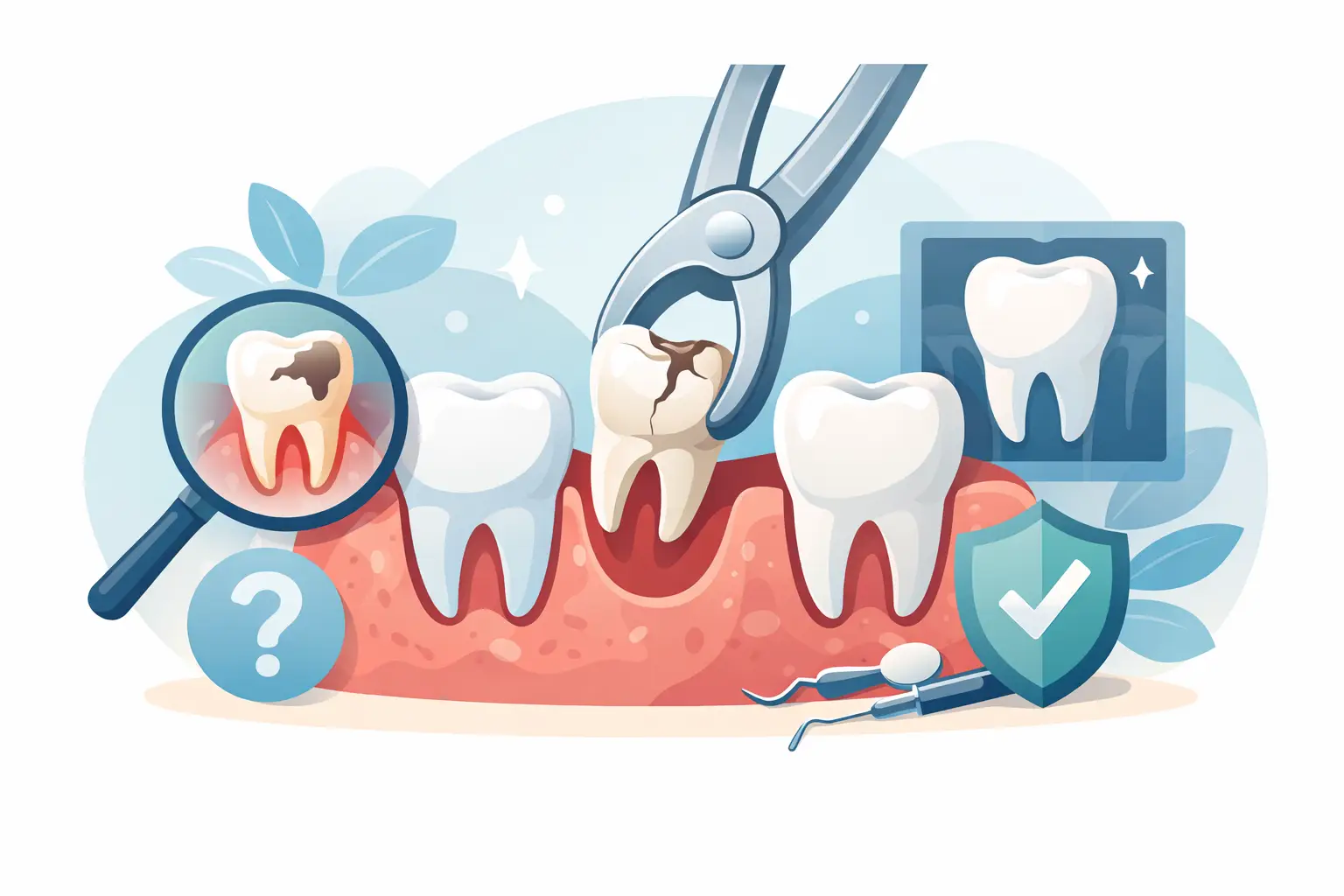
In adult dentistry, extractions are recommended for a few clear reasons. The most common is severe decay. If a cavity has destroyed too much of the tooth structure, there may not be enough healthy tooth left to support a filling or crown. In that case, trying to save the tooth can lead to repeated treatment, more expense, and disappointing results.
Advanced infection is another major reason. Sometimes a root canal can save an infected tooth, but not always. If the infection is extensive, if the tooth has cracked below the gumline, or if prior treatment has failed and the tooth cannot be predictably restored, removal may be the healthier choice.
Gum disease can also lead to extraction. When periodontal disease causes major bone loss, a tooth may become loose and uncomfortable. Even if the tooth itself is not badly decayed, the supporting structures may be too damaged to keep it stable. Removing a hopeless tooth can make it easier to treat the gums and protect the surrounding teeth.
There are also cases where a tooth is removed for functional reasons rather than pain. A crowded mouth may need selective extractions before orthodontic treatment. A severely broken tooth from trauma may not be repairable. Sometimes an extra tooth blocks normal alignment or affects the bite.
Signs a tooth may not be savable
Patients often ask how dentists decide whether a tooth can be repaired or not. That decision depends on more than one factor. Pain matters, but X-rays, gum health, the amount of remaining tooth structure, and your bite all play a role.
A tooth may need extraction if it is cracked deeply into the root, broken at or below the gumline, or weakened to the point that a crown will not stay secure. Repeated infections around the same tooth can also be a warning sign, especially if prior treatment has already been done. In other cases, the issue is not the tooth alone but the bone around it. If there is not enough healthy support left, saving the tooth may not serve you well.
This is where experience and a careful exam matter. The goal is not simply to remove a problem tooth. The goal is to choose the treatment that gives you the best chance at comfort, chewing function, and long-term oral health.
When pain does and does not mean extraction
Pain can be a sign that extraction is needed, but not every painful tooth has to come out. Sensitivity from a cavity, a cracked filling, or inflammation inside the tooth may still be treatable. A root canal and crown can often save a tooth that hurts badly.
On the other hand, some teeth that need extraction are not especially painful at all. A loose tooth from advanced gum disease or a tooth with a hidden fracture may only cause mild symptoms at first. That is one reason regular exams are so valuable. Catching these issues early gives you more options and helps prevent sudden emergencies.
Wisdom teeth and impacted teeth
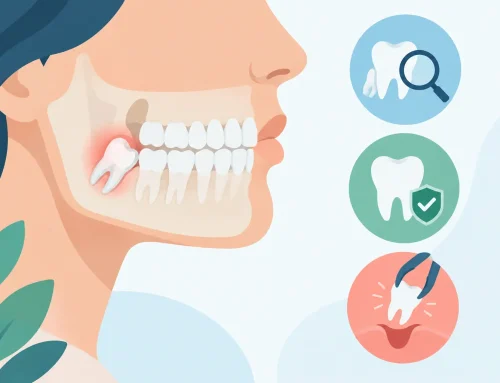
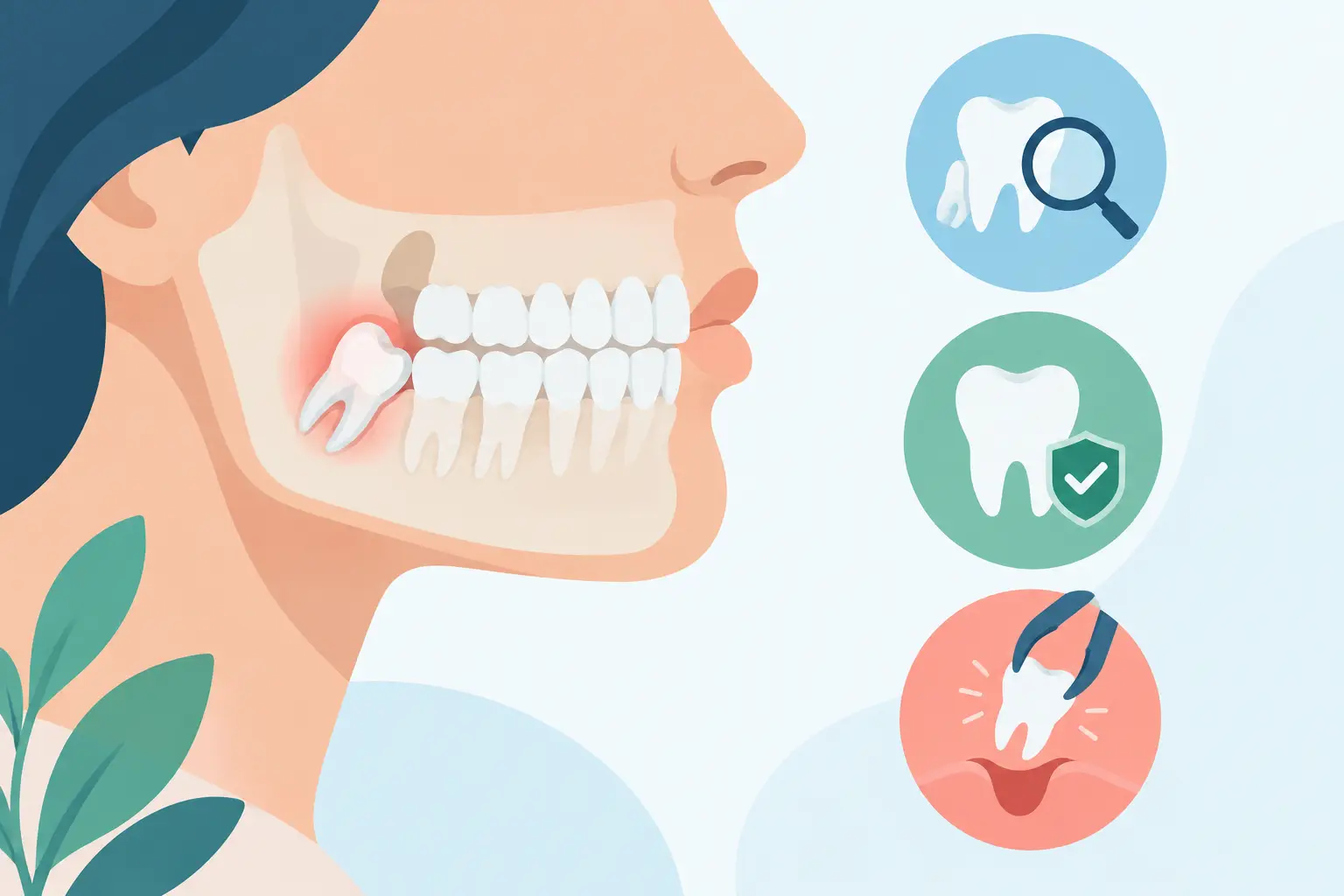
Wisdom teeth are a separate category because they are often removed even when they are not causing obvious pain. If a wisdom tooth is impacted, trapped under the gums, growing at an angle, or crowding nearby teeth, extraction may be recommended before it creates bigger problems.
Partially erupted wisdom teeth are especially troublesome because they can trap food and bacteria around the gumline. That can lead to repeated infections, swelling, bad breath, and decay in both the wisdom tooth and the tooth beside it. In these situations, removing the wisdom tooth can prevent a cycle of recurring discomfort.
Not every wisdom tooth has to be extracted. If it has fully erupted, is healthy, easy to clean, and not affecting the bite or neighboring teeth, it may be monitored instead. This is a good example of how dental care is rarely one-size-fits-all.
When baby tooth extraction is needed
Parents sometimes hear that a child needs a tooth removed and immediately worry that something has gone very wrong. In many cases, it is much simpler than that. A baby tooth may need extraction if it has severe decay, infection, or damage from trauma. Sometimes a baby tooth does not fall out on schedule and blocks the permanent tooth from coming in properly.
There are also orthodontic situations where removing a baby tooth helps guide normal eruption. The key is making the decision carefully so your child stays comfortable and the developing smile stays on track.
What dentists consider before recommending an extraction
A thoughtful dentist does not look at extraction as an isolated procedure. They look at what comes next. If a back tooth is removed, how will that affect chewing? If a visible tooth is removed, what is the plan for restoring appearance and function? If infection is present, what treatment is needed to help the area heal well?
Before recommending extraction, your dentist will usually consider the condition of the tooth, the health of the surrounding gums and bone, your symptoms, your overall dental history, and the likely success of alternatives. Cost can matter, but it should not be the only deciding factor. Sometimes saving a tooth is best. Other times, extracting it and replacing it with a more stable solution can be the better investment in your health.
This is one reason many patients value a full-service office. When care is planned in one place, it is easier to think beyond the immediate problem and map out what supports your bite, appearance, and comfort over time.
What happens after a tooth is removed?
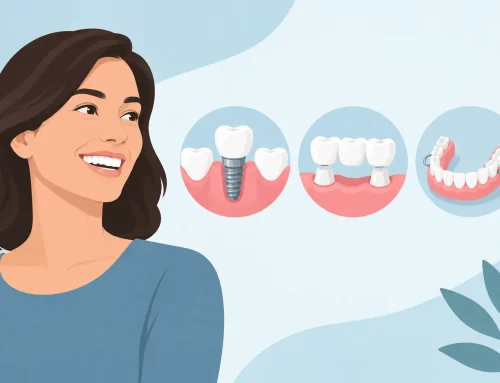
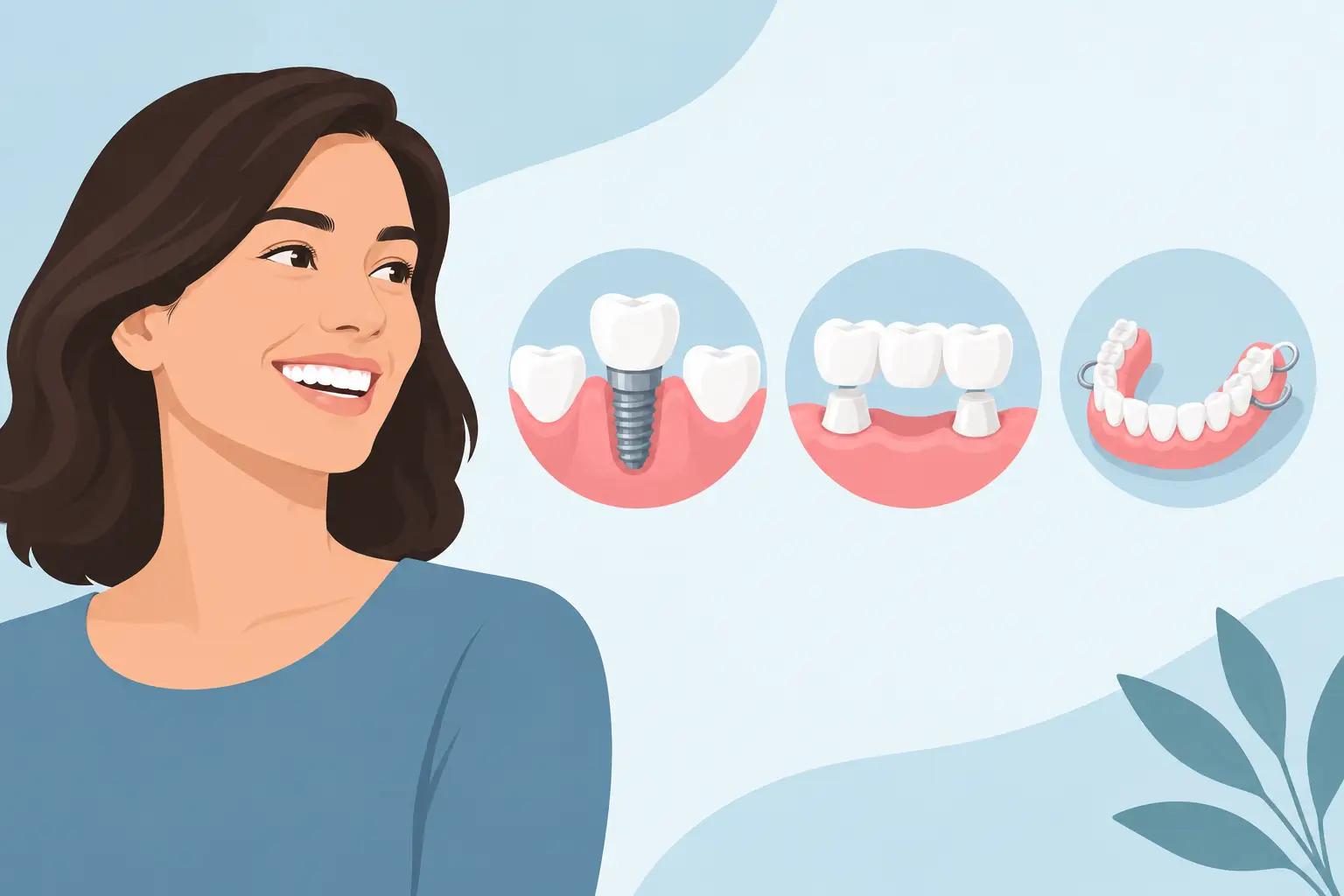
An extraction is often a relief because it removes the source of pain or infection. Still, the next step matters. Depending on the location of the tooth, your dentist may talk with you about replacement options such as a bridge, denture, or dental implant.
Not every extracted tooth must be replaced right away, and sometimes not at all. A wisdom tooth is the clearest example. But many other missing teeth should be restored to keep nearby teeth from shifting and to maintain chewing balance. Leaving a gap untreated for too long can change the bite and make future treatment more involved.
Healing also tends to go more smoothly when the procedure is planned carefully and the aftercare instructions are followed closely. Most patients are surprised that the anticipation is worse than the procedure itself, especially when the dental team takes time to keep them informed and comfortable.
When is tooth extraction needed right away?
Some situations are less urgent and can be scheduled normally. Others should be addressed promptly. Significant swelling, signs of spreading infection, uncontrolled pain, trauma that has split the tooth, or severe mobility can all call for fast attention. In these moments, waiting too long can make treatment harder and recovery slower.
If you are not sure whether your situation is urgent, it is still worth calling. A quick evaluation can tell you whether the tooth can be stabilized, treated conservatively, or should be removed before the problem worsens.
At Finesse Family Dental, this kind of decision is approached with both clinical judgment and compassion. Patients want honest guidance, not pressure. They want to know whether a tooth can be saved, what the trade-offs are, and what treatment will help them feel better and protect their smile.
The best time to ask about an extraction is before pain becomes impossible to ignore. If a tooth feels off, looks damaged, or has been causing repeated problems, getting it checked now can give you more choices and a calmer path forward.