A small cavity does not always call for the same kind of repair. When patients ask about inlays versus fillings, the best choice usually comes down to how much healthy tooth structure remains, where the damage is located, and how much pressure that tooth handles when you chew. Both treatments can restore comfort and function. The goal is to choose a restoration that treats the problem conservatively while helping the tooth stay strong for years to come.
Inlays Versus Fillings: The Core Difference
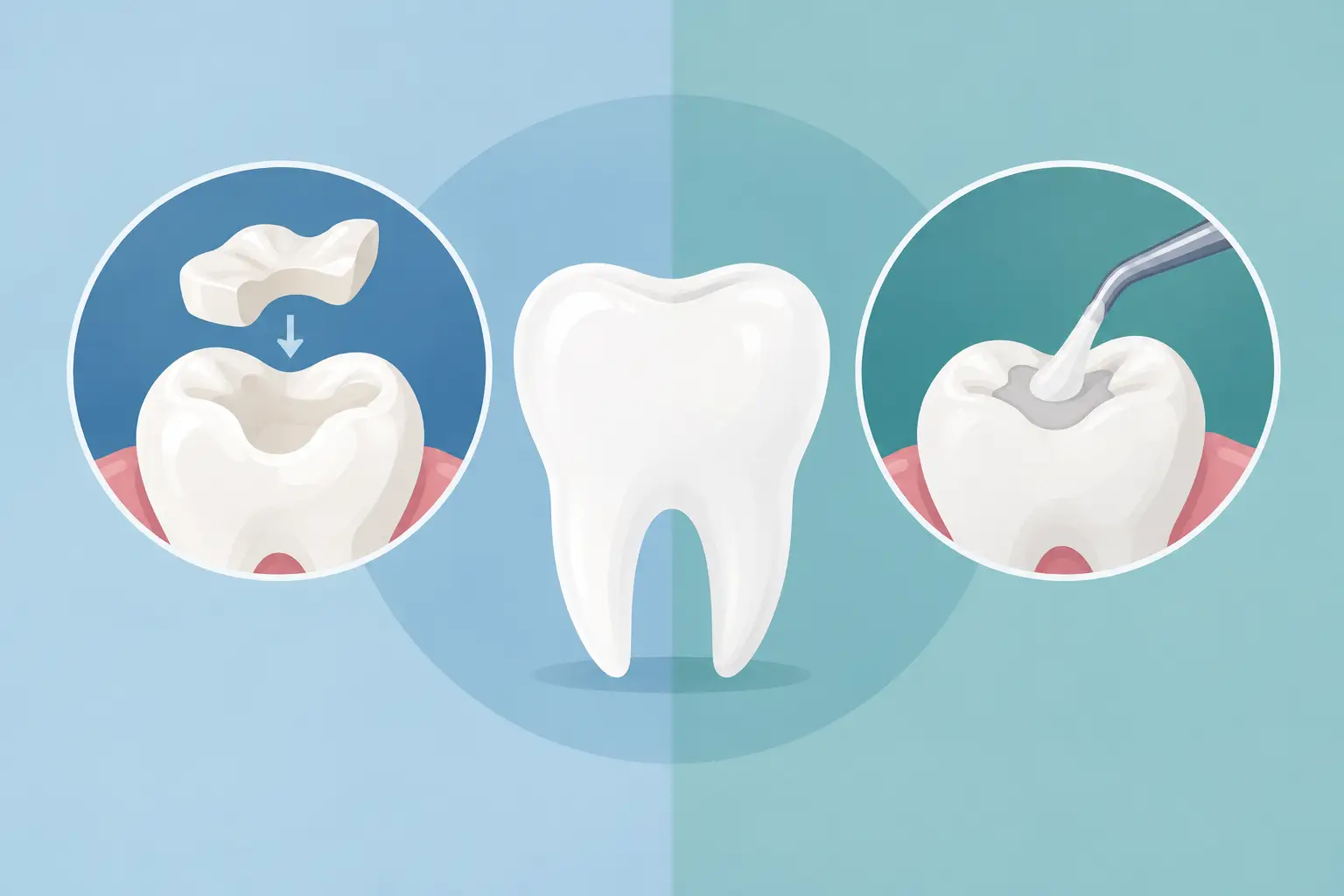
A filling is placed directly into a tooth after decay or a failing restoration has been removed. Composite fillings are tooth-colored and shaped by the dentist during the visit, then hardened with a curing light. They are a common, effective option for small to moderate areas of damage.
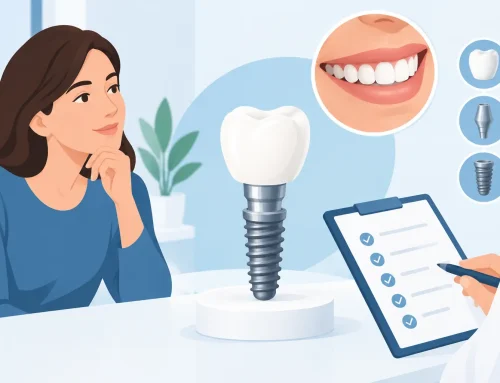
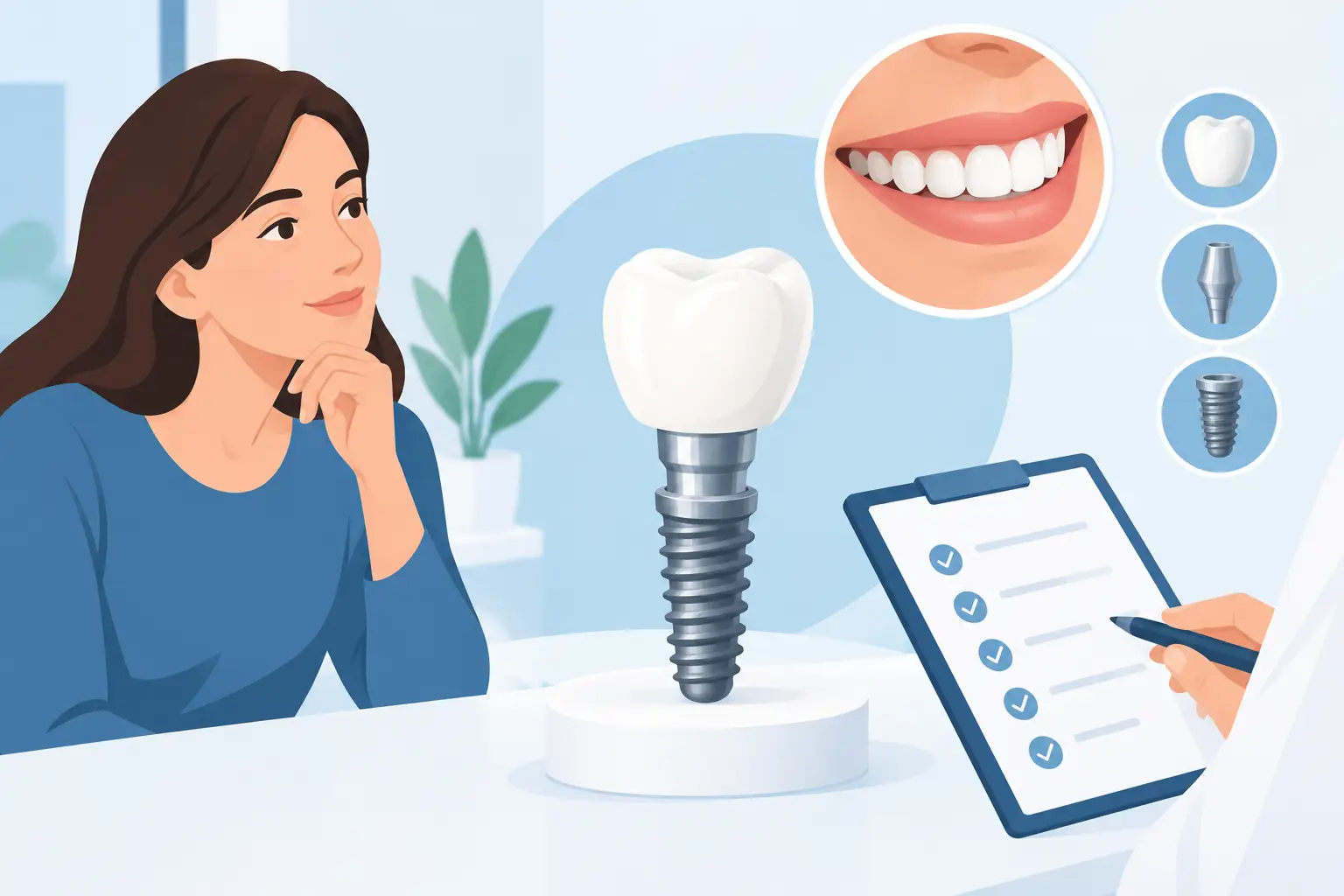
An inlay is a custom-made restoration that fits inside the chewing surface of a tooth. It repairs the area between the pointed outer edges of the tooth, called cusps, without covering those cusps. Inlays may be made from porcelain or composite material and are created from a precise impression or digital scan before being bonded into place.
The distinction matters because a filling is formed directly in the mouth, while an inlay is fabricated to fit the prepared space with a high degree of precision. For a tooth with more extensive damage than a simple filling can reliably support, but not enough damage to require a crown, an inlay can be a thoughtful middle-ground solution.
When a Filling May Be the Right Choice
Fillings are often the most conservative treatment for early decay, small fractures, or a minor chip. After the damaged area is removed, the dentist can restore the tooth in one appointment in many cases. For busy adults and families, that efficiency can be especially helpful.
Tooth-colored composite fillings blend naturally with surrounding enamel, making them a popular choice for both front and back teeth. They also allow the dentist to preserve as much healthy tooth structure as possible. A properly placed filling can serve a patient well for many years with consistent brushing, flossing, regular exams, and attention to habits such as clenching or chewing ice.
However, size matters. As a filling becomes larger, there may be less natural tooth structure available to support it. Large fillings in back teeth must withstand significant chewing force every day. Over time, the tooth or restoration may crack, wear, or develop leakage at the edges. That does not mean a filling is a poor treatment. It simply means the restoration should match the condition of the tooth rather than being selected only because it is the quickest option.
When an Inlay May Be Recommended
An inlay is often considered when decay or an old restoration is too extensive for a routine filling, yet the tooth’s cusps remain healthy and strong. It can be particularly useful for a molar or premolar with damage across part of its chewing surface.
Because an inlay is custom fabricated, it can provide a precise fit and restore the tooth’s shape and contact with neighboring teeth. A well-designed porcelain inlay also offers excellent color matching and resistance to staining. For patients who want a natural-looking repair in a visible or heavily used area, that can be an appealing advantage.
Inlays generally require more planning than fillings. The tooth is prepared, a scan or impression is taken, and a temporary restoration may be placed while the final inlay is made. At a later appointment, the dentist checks the fit, bite, and appearance before bonding it securely to the tooth.
This extra process is not necessary for every cavity. It can be worthwhile when the added precision and support are appropriate for the tooth. Your dentist will also consider whether an onlay, which extends over one or more cusps, or a crown would better protect a more seriously weakened tooth.
Comparing Appearance, Durability, and Treatment Time
Patients often want a direct answer about which option lasts longer. The honest answer is that longevity depends on several details: the size and location of the repair, bite force, oral hygiene, diet, grinding habits, material choice, and the condition of the remaining tooth.
A small composite filling may be the ideal long-term solution for a small cavity. In a larger area, a custom inlay may offer more stability than a direct filling because it is fabricated outside the mouth and bonded into a carefully prepared space. Porcelain inlays are also highly resistant to discoloration and can closely resemble natural enamel.
Both options can look natural. Modern composite materials are available in shades that blend with your smile, and porcelain can be customized for realistic color and translucency. The best aesthetic result depends on careful shade selection, placement, and finishing, not simply on choosing one restoration over another.
Treatment time differs more clearly. A filling can often be completed in one visit. A traditional inlay usually involves at least two visits, although the exact timeline depends on the clinical situation and the technology used. If you have sensitivity, a broken restoration, or pain when biting, it is better to schedule an evaluation promptly rather than delaying care to wait for a more convenient time.
Cost and Insurance Considerations
Inlays typically cost more than fillings because they require custom fabrication, additional materials, and more clinical time. The final cost can vary based on the tooth, the size of the restoration, the selected material, and whether other treatment is needed first.
Insurance coverage can also differ. Many PPO plans contribute toward fillings and may provide coverage for inlays under specific restorative benefits, but coverage levels and limitations vary. A treatment estimate is useful before beginning care, especially if you are comparing options. It gives you a clearer picture of your expected out-of-pocket portion and lets you make a decision without surprises.
It is tempting to view the lower initial cost as the only factor. Yet the more meaningful question is whether the restoration is suitable for the tooth. A repair that adequately protects the remaining enamel may help prevent a more involved problem later. At the same time, choosing an inlay for a tiny cavity would not necessarily add value. Good dentistry is about selecting the right level of treatment, not the most extensive one.
What Happens During Your Exam
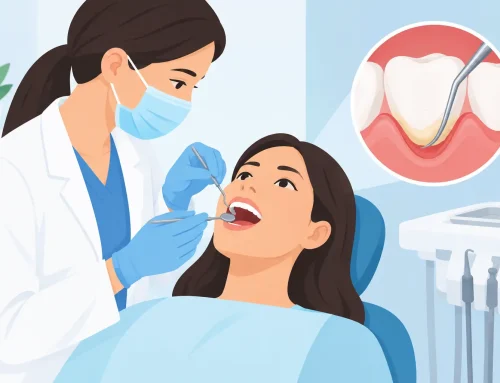
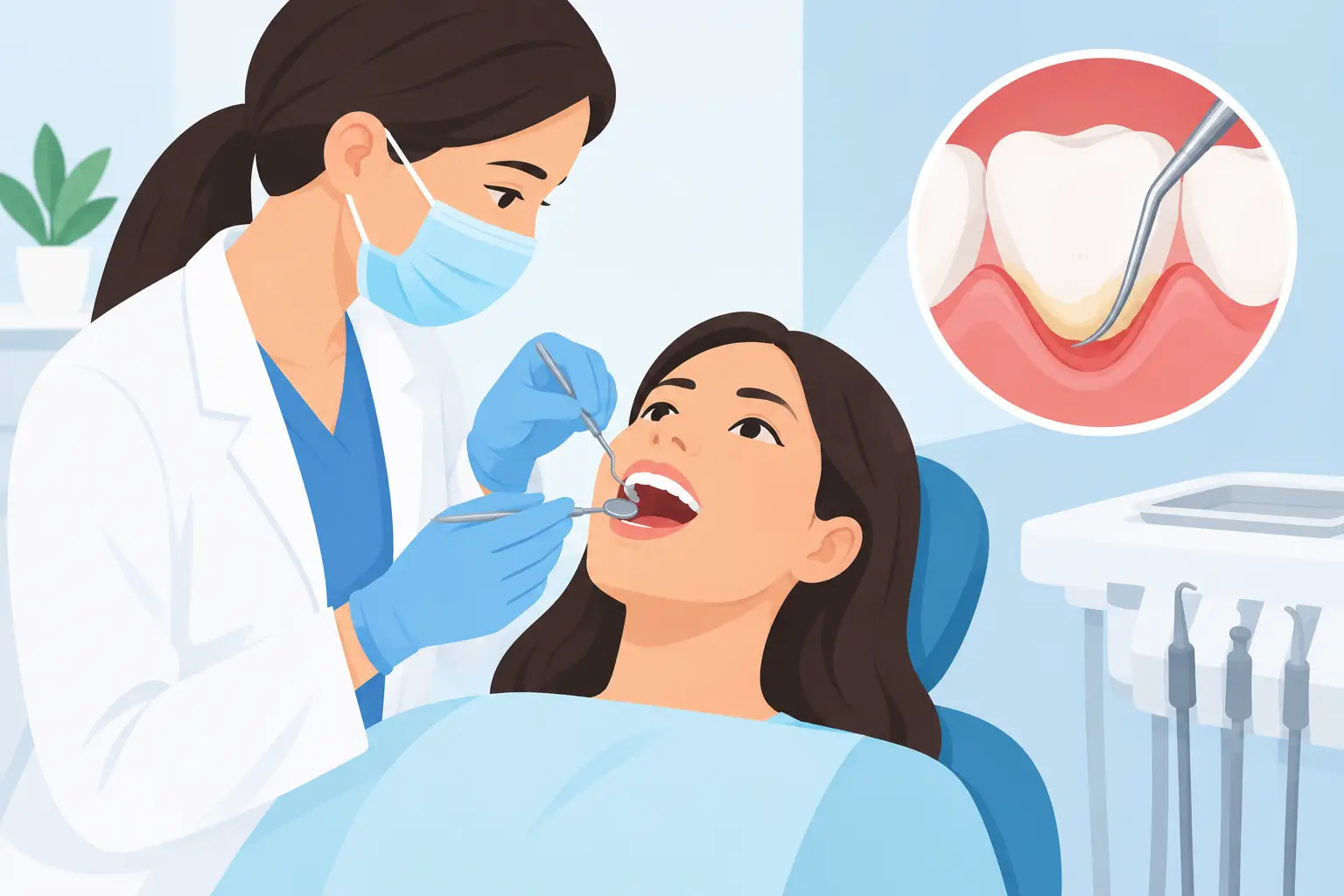
A dentist begins by examining the tooth, reviewing X-rays when needed, and checking the way your teeth meet when you bite. This helps reveal decay between teeth, cracks, wear around an older filling, and signs that a tooth is under excessive pressure.
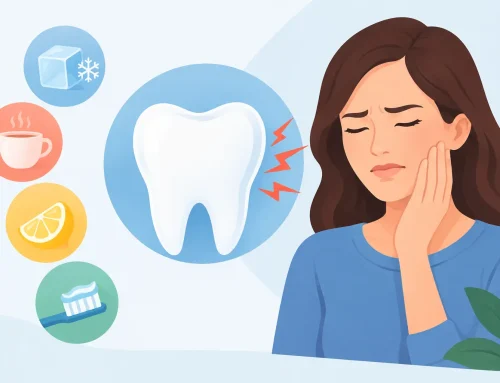
You should also share what you are noticing. Sensitivity to cold, food catching between teeth, a rough edge, pain when chewing, or a filling that feels loose can all help guide the diagnosis. Some failing restorations cause no discomfort at all, which is one reason routine checkups remain so valuable.
After evaluating the tooth, your dentist can explain whether a filling, inlay, onlay, or crown is the most conservative reliable choice. You should feel comfortable asking why a certain treatment is recommended, how long it is expected to take, what material will be used, and what alternatives may be reasonable. A clear conversation helps reduce anxiety and makes it easier to move forward with confidence.
Caring for Either Restoration
Neither an inlay nor a filling can develop decay, but the tooth around it can. Brushing twice daily with fluoride toothpaste, cleaning between teeth each day, and maintaining regular professional cleanings all help protect the margins where a restoration meets natural enamel.
If you clench or grind your teeth, a custom nightguard may help reduce stress on restorations and natural teeth. Limiting hard habits, such as chewing ice, opening packages with your teeth, or biting pens, also makes a meaningful difference. Contact your dentist if you notice a sharp edge, new sensitivity, pain on biting, or a change in how your teeth fit together.
At Finesse Family Dental, treatment recommendations are based on your tooth, your comfort, and your long-term oral health. Whether a conservative filling or a custom inlay is the better fit, a careful evaluation can help you protect your smile without taking on more treatment than you need.