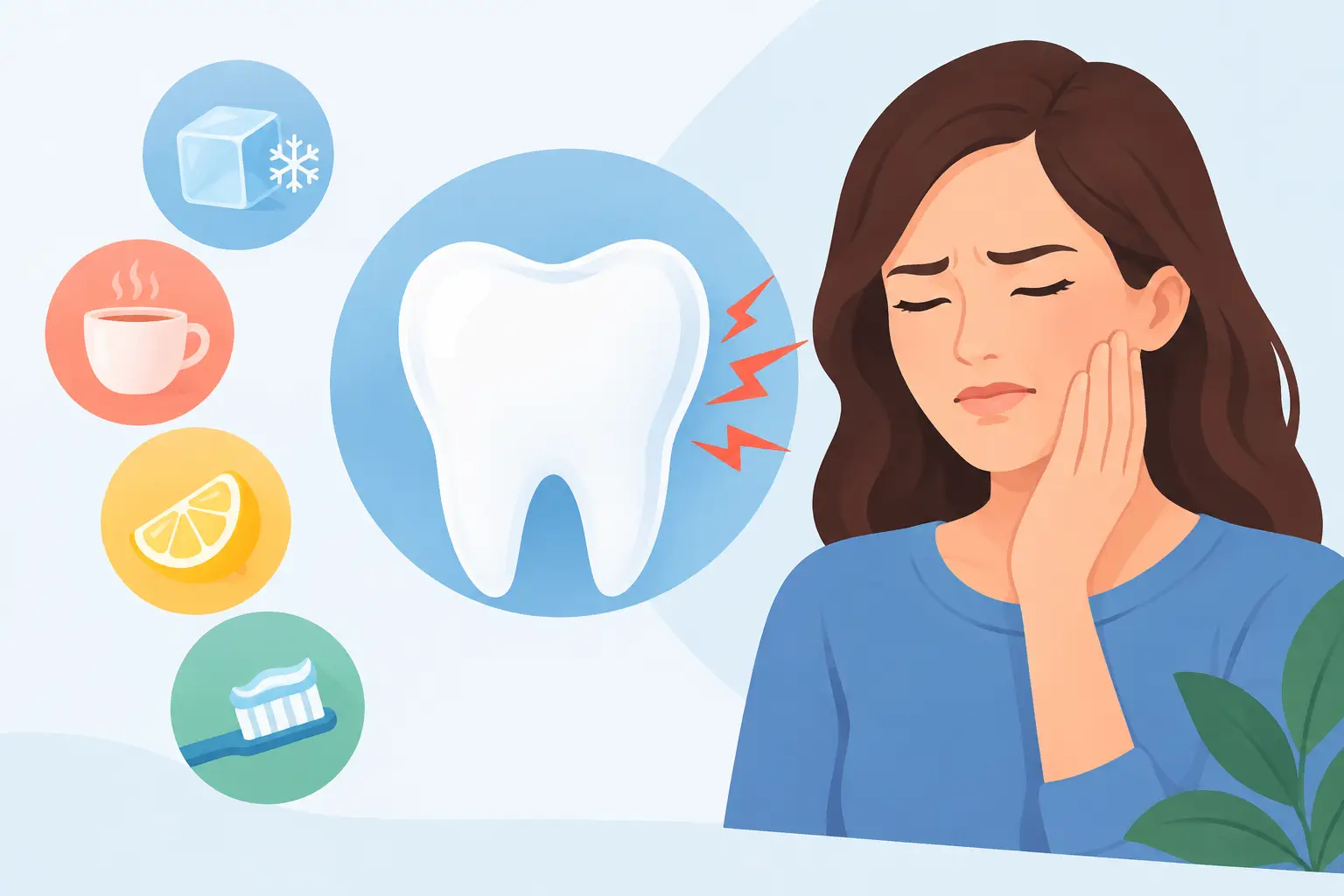
That sharp, sudden jolt when you drink iced water, enjoy hot coffee, or breathe in cool air is more than an inconvenience. It can make everyday meals stressful and lead you to avoid the foods and drinks you enjoy. This tooth sensitivity treatment guide explains what may be causing the discomfort, which steps can safely help at home, and when a dental visit is the right next move.
Tooth sensitivity is common, but it should not be ignored or simply tolerated. The good news is that many cases respond well to gentle, targeted care. The best treatment depends on why the tooth is reacting in the first place.
What Causes Sensitive Teeth?
Sensitivity happens when the inner part of a tooth, called dentin, becomes exposed or irritated. Dentin contains tiny channels that connect to the nerve inside the tooth. When cold, heat, sweetness, pressure, or even air reaches those channels, it can produce a quick flash of pain.
Enamel loss is one common reason. Enamel is the hard outer layer of a tooth, and it can gradually wear down from aggressive brushing, frequent acidic drinks, acid reflux, or clenching and grinding. Gum recession is another frequent cause. As gums pull away from the teeth, they expose the roots, which do not have the same thick enamel protection as the visible crown of the tooth.
Sensitivity can also point to a more specific dental concern, such as a cavity, a cracked tooth, a worn or leaking filling, gum disease, or infection. Recent whitening treatment may cause temporary sensitivity as well. In that situation, the discomfort often improves after treatment ends, but persistent or severe pain still deserves professional attention.
The pattern of your symptoms matters. A brief zing that stops as soon as the cold drink is gone is different from pain that lingers, wakes you at night, or appears when you bite down. Those details help your dentist identify the source and recommend treatment that addresses the problem rather than masking it.
Tooth Sensitivity Treatment Guide: Start With the Cause
There is no single solution for every sensitive tooth. A desensitizing toothpaste may be enough for mild sensitivity caused by exposed dentin, while a cavity or crack needs restorative treatment. That is why an exam is so valuable, especially if the discomfort is new or getting worse.
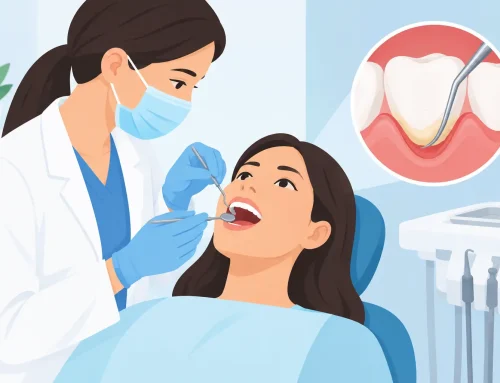
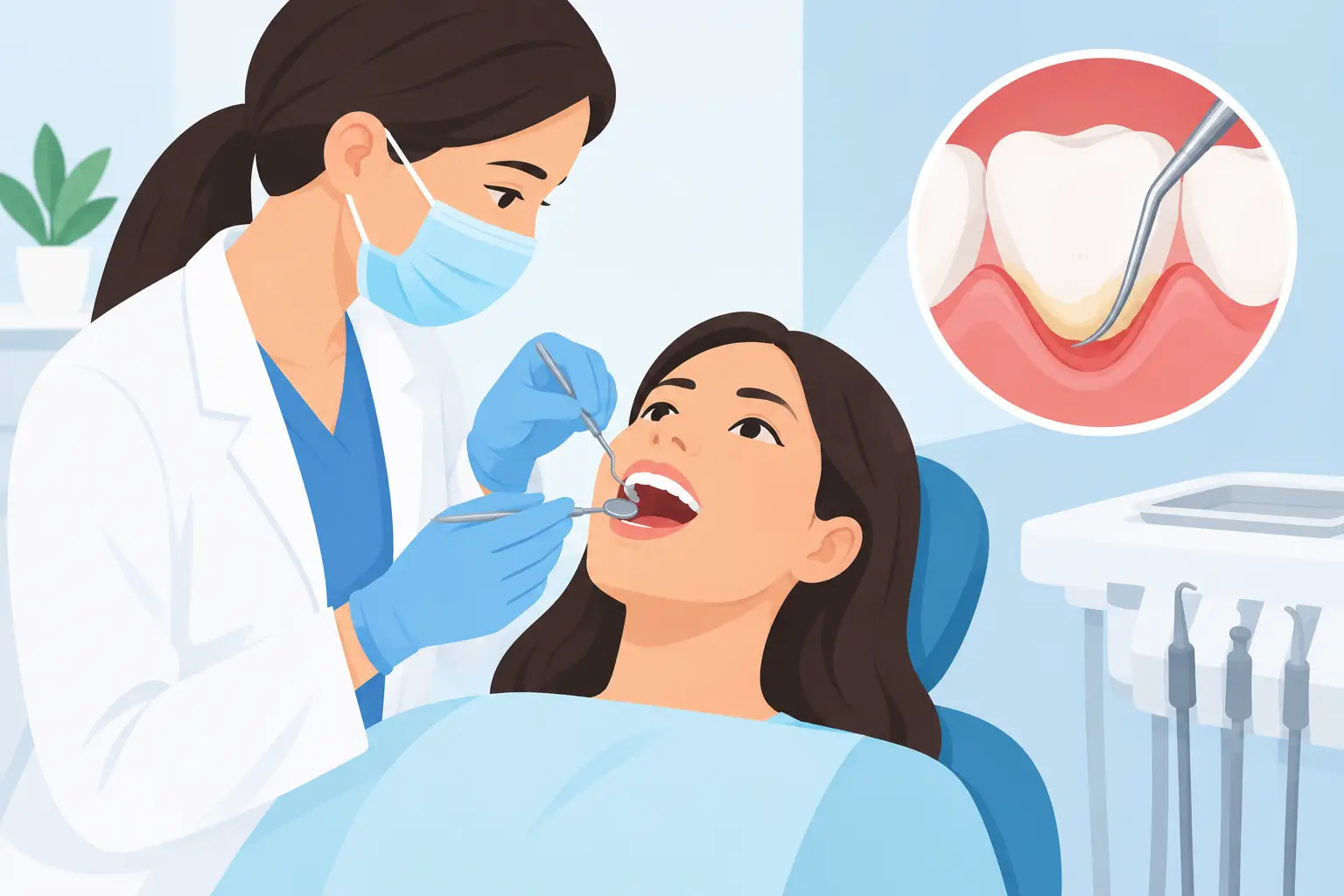
At a dental visit, your provider may ask when the sensitivity started, what triggers it, and whether it is limited to one tooth or affects several. An examination and X-rays, when needed, can reveal decay, gum recession, worn enamel, cracks, or changes below the gumline that are not visible in the mirror.
For Fremont families, this approach means fewer guesses and more confidence. At Finesse Family Dental, the focus is on understanding your comfort concerns and offering care that is both thorough and gentle. Often, the right treatment can be completed without a complicated process.
Desensitizing Toothpaste and Fluoride
For mild, generalized sensitivity, a toothpaste made for sensitive teeth is often a smart first step. These formulas can help block the pathways that carry sensation from the tooth surface to the nerve. Results are not always immediate. Use the toothpaste twice daily as directed, and give it a few weeks of consistent use before deciding whether it is helping.
Professional fluoride treatments can also strengthen enamel and reduce sensitivity. Your dentist may recommend an in-office fluoride application or a prescription-strength product for home use when enamel erosion or a high cavity risk is involved.
Protecting Exposed Roots
When gum recession exposes root surfaces, your dentist may apply a protective bonding material to cover the sensitive area. This can reduce discomfort quickly while also protecting the root from wear and decay.
If gum recession is associated with periodontal disease, treating the gums is an essential part of relieving sensitivity and protecting your smile long term. The appropriate treatment depends on the health of the gum tissue and the amount of root exposure. A personalized plan can range from improved home care and periodontal treatment to additional protective options when needed.
Repairing Decay, Cracks, and Worn Restorations
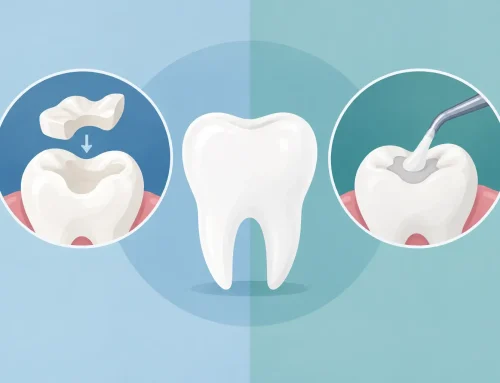
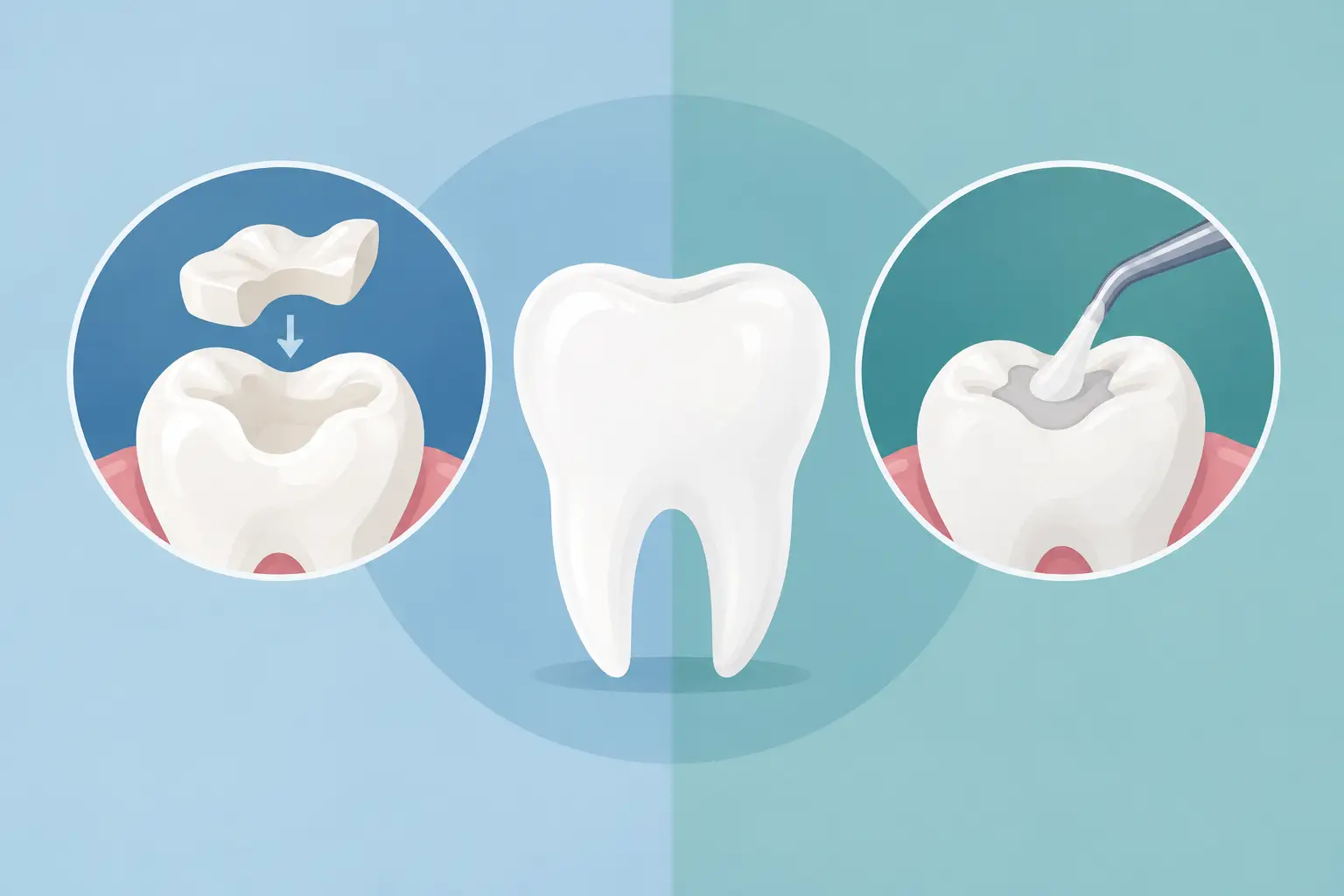
If sensitivity comes from a cavity, a fractured tooth, or a failing filling, toothpaste alone will not correct the underlying issue. A filling, crown, inlay, or other restoration may be recommended to seal and strengthen the tooth.
Cracks deserve particular attention because they can be difficult to spot and may worsen with chewing pressure. You may notice pain when biting or when releasing your bite, especially around hard foods. Protecting the tooth early can sometimes prevent a deeper fracture and a more extensive procedure later.
When Root Canal Treatment Is Needed
Persistent, intense pain can indicate that the tooth nerve is inflamed or infected. Symptoms may include spontaneous throbbing, prolonged sensitivity to heat or cold, swelling, or tenderness when chewing. In these situations, root canal treatment can remove the damaged tissue inside the tooth, relieve pain, and preserve the natural tooth.
The idea of a root canal can understandably create anxiety. Modern techniques and effective local anesthesia are designed to keep patients comfortable throughout treatment. Addressing an infection promptly is usually far easier than waiting for pain or swelling to escalate.
Safe At-Home Habits That Can Make a Difference
Home care cannot repair a cavity or treat an infection, but a few practical changes can reduce irritation and help prevent additional enamel wear. Use a soft-bristled toothbrush and light pressure. Brushing harder does not clean better, and it can wear away enamel near the gumline or irritate the gums.
Choose a sensitivity toothpaste and avoid switching products too quickly. After brushing, spit out the excess toothpaste rather than rinsing vigorously, so helpful ingredients remain on the teeth longer. If your dentist recommends it, a small amount of desensitizing toothpaste can sometimes be placed directly on a sensitive area before bed.
Be mindful of frequent acidic exposures, including soda, sports drinks, citrus, wine, and vinegar-heavy foods. You do not have to eliminate every acidic food or drink, but sipping acidic beverages throughout the day can keep teeth under repeated attack. Drinking water afterward and enjoying acidic items with meals can be gentler on enamel. Wait about 30 minutes to brush after acidic foods or drinks, since enamel may be temporarily softened.
If you clench or grind your teeth, especially during sleep, tell your dentist. A custom night guard may help protect teeth from excessive pressure. Store-bought guards can be useful in limited situations, but they may fit poorly or alter your bite, so professional guidance is usually the better choice for ongoing grinding.
When Tooth Sensitivity Needs Prompt Care
Schedule a dental appointment if sensitivity lasts more than a week or two despite careful home care, becomes more frequent, or is isolated to one tooth. You should also be evaluated if you have pain when biting, a visible chip or crack, swollen or bleeding gums, a bad taste in your mouth, or a loose restoration.
Call promptly for facial swelling, fever, drainage, or severe pain that is not controlled with over-the-counter medication as directed. These symptoms can signal an infection that needs timely treatment. Do not place aspirin directly on the gum or tooth, as it can burn the tissue.
For children, sensitivity may be harder to describe. A child who avoids cold foods, chews on one side, complains about brushing, or suddenly resists favorite snacks may need a dental checkup. Early evaluation can make treatment simpler and help protect developing smiles.
Preventing Sensitivity From Returning
Once sensitive teeth feel better, regular preventive visits help keep the problem from coming back. Cleanings and exams allow your dental team to monitor gum health, enamel wear, older restorations, and early decay before they become painful. If whitening is part of your smile goals, let your dentist know about any history of sensitivity so the approach can be adjusted for comfort.
A sensitive tooth is your body asking for attention, not a reason to give up cold drinks or favorite foods forever. With an accurate diagnosis and a calm, personalized plan, most patients can return to eating, drinking, and smiling more comfortably.