Bleeding when you brush, persistent bad breath, or gums that look swollen are not problems to simply work around. They can be early signs of gum disease, and a periodontal laser case may offer a more comfortable way to treat infected gum tissue while protecting the healthy foundation of your smile.
At Finesse Family Dental, we understand that hearing you need gum treatment can feel intimidating. Our focus is to make every visit clear, gentle, and personal. Laser dentistry, including Waterlase technology when appropriate, gives many patients an advanced option for addressing periodontal concerns with precision and less stress than they may expect.
What Is a Periodontal Laser Case?
A periodontal laser case is an individualized treatment plan that uses a dental laser as part of care for gum disease. Gum disease begins when bacterial plaque builds up along and below the gumline. If it is not removed, the gums can become inflamed and pull away from the teeth, creating deeper spaces called periodontal pockets. Those pockets can collect more bacteria and become difficult to clean with brushing and flossing alone.
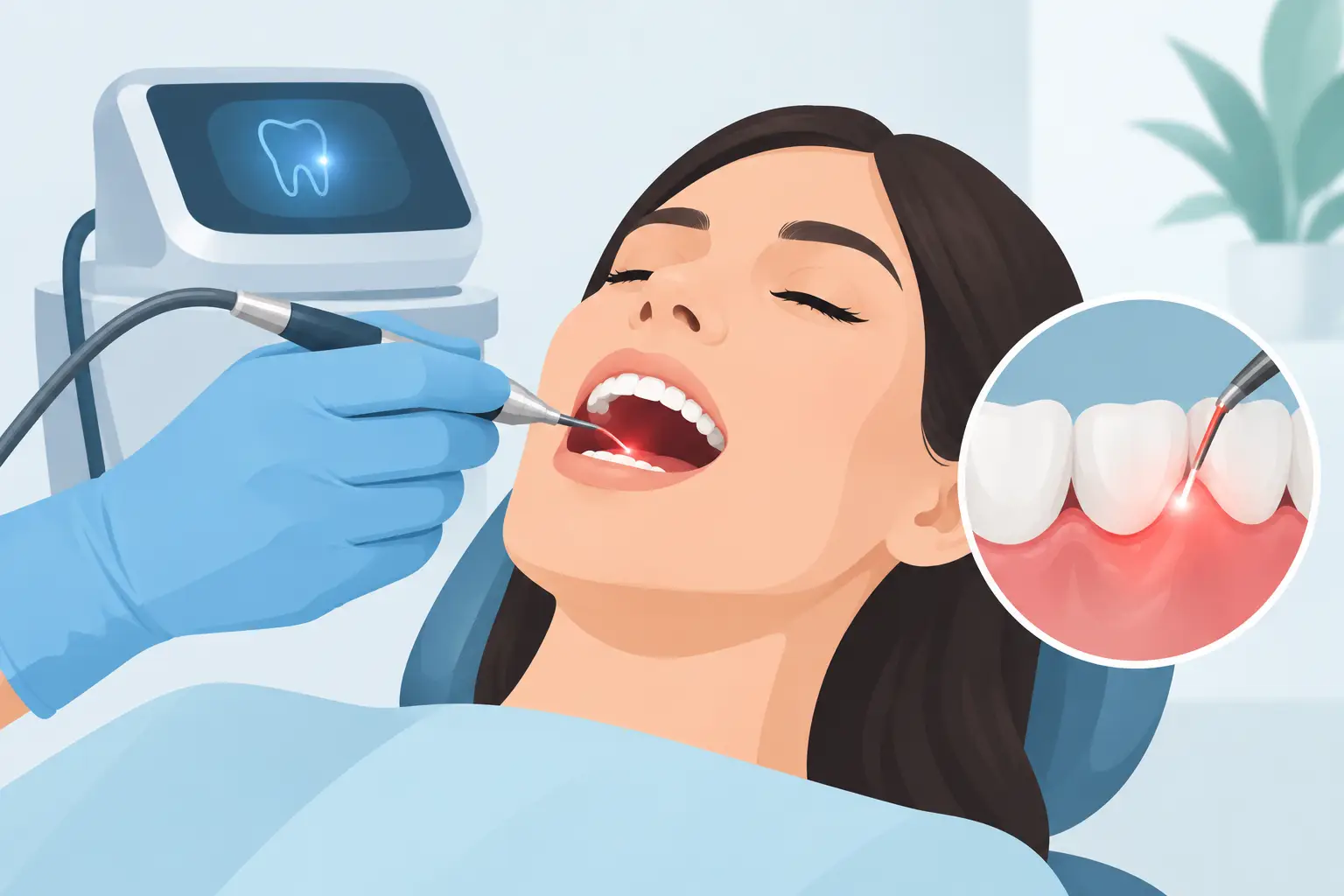
A laser can be used to help remove diseased or inflamed tissue and reduce bacteria within these pockets. Waterlase technology combines laser energy with a gentle spray of water and air, allowing the dentist to work carefully around the gums and teeth. The goal is not simply to make the gums look better. It is to control infection, support healing, and help preserve the bone and tissue that hold teeth in place.
Laser treatment is not a one-size-fits-all answer. The right approach depends on the depth of the pockets, the amount of tartar below the gums, bone health, overall medical history, and how your gums respond to initial treatment. A thorough periodontal evaluation is the first step.
When Laser Gum Treatment May Be Recommended
Many people with early gum inflammation improve with consistent professional cleanings and stronger home care. When gum disease has progressed, a deeper cleaning, often called scaling and root planing, may be needed to remove hardened buildup from below the gumline.
Laser treatment may be considered alongside or after this care when there are persistent pockets, inflamed tissue, or areas that need more targeted bacterial control. It can also be helpful for patients who are anxious about traditional gum procedures and want to ask about less invasive options.
Common findings that prompt a periodontal evaluation include gums that bleed easily, redness or tenderness, gum recession, loose teeth, changes in how teeth fit together, or breath that does not improve with normal hygiene. Gum disease is often painless in its earlier stages, which is why regular exams and periodontal measurements matter even when nothing feels wrong.
What to Expect During Treatment
Your dentist will begin by reviewing your gum measurements, dental X-rays when needed, and the condition of each area of your mouth. You should know why treatment is being recommended, what the expected benefits are, and whether another option may be a better fit for your needs.
During a periodontal laser case, the area is typically numbed for comfort. The dentist uses the laser in a controlled manner to treat unhealthy tissue and target bacteria inside the periodontal pocket. Depending on your condition, scaling and root planing may be completed before, during, or in connection with laser treatment. The exact sequence is based on your diagnosis, not a preset package.
Patients often appreciate that Waterlase treatment can be quieter and gentler than they anticipated. Because the laser uses water and air, some procedures may involve less vibration than conventional instruments. Still, every patient experiences treatment differently. More advanced disease, deeper pockets, or sensitivity may require additional time, local anesthetic, or more than one visit.
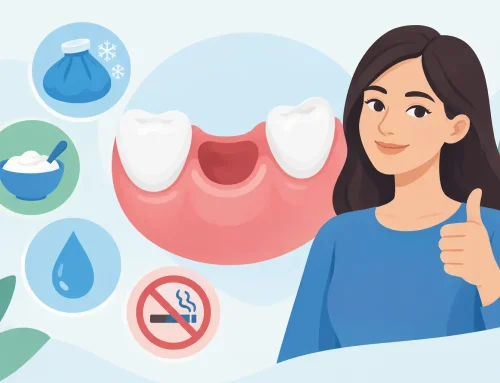
After treatment, it is normal to have some tenderness or sensitivity. Your dentist will provide specific instructions based on the areas treated. These may include eating softer foods for a short period, brushing gently, using any recommended rinse, and taking medications only as directed. Keeping the treatment area clean is essential, but avoid aggressively brushing sore gums while they heal.
Healing Is a Partnership
Laser therapy can support healthier gums, but it cannot replace daily care. Bacteria begin to return after treatment, so long-term success depends on brushing twice a day, cleaning between teeth daily, attending periodontal maintenance visits, and following your dentist’s recommendations.
Smoking or vaping, poorly controlled diabetes, certain medications, dry mouth, and inconsistent home care can affect healing and raise the risk of gum disease returning. This is not about blame. It is about identifying the factors that matter so your care plan is practical and sustainable.
Benefits and Limits of Laser Periodontal Care
The potential advantages of laser-assisted periodontal treatment are meaningful. The technology allows precise treatment of targeted gum areas and may result in less bleeding, swelling, and post-treatment discomfort for some patients. Many people also value a treatment experience that feels less invasive and supports a faster return to normal routines.
However, laser treatment is not automatically better for every case. It does not remove heavy tartar on its own, reverse all bone loss, or eliminate the need for routine cleanings and home hygiene. Severe periodontal disease may still require additional therapies, such as more extensive deep cleaning, surgical treatment, extraction of teeth that cannot be saved, or a coordinated restorative plan.
A trustworthy recommendation begins with diagnosis rather than technology. The best periodontal plan is the one that addresses your disease effectively, fits your overall health, and gives you a realistic path to maintaining results.
Questions to Ask Before You Begin
A good gum disease consultation should leave you feeling informed, not rushed. Ask how deep your periodontal pockets are, whether there is bone loss, and what changes your dentist is monitoring over time. You can also ask how laser treatment fits into your specific plan, what alternatives exist, and what maintenance will be needed after treatment.
It is also reasonable to discuss comfort measures, appointment timing, and costs before beginning. Insurance coverage for periodontal procedures varies by plan and by the details of treatment. Our team can help you understand your benefits and review available options so there are fewer surprises.
Protecting the Foundation of Your Smile
Healthy gums do more than frame a beautiful smile. They support the teeth you use every day to eat, speak, and smile with confidence. Addressing bleeding, swelling, or recession early can often make treatment simpler and help protect your natural teeth for years to come.
If you have noticed changes in your gums or have been told you need periodontal care, a personalized evaluation can provide the answers you need. A calm conversation, a careful exam, and the right treatment plan can turn a concern you have been putting off into a positive step toward better oral health.