Coffee before work, tea in the afternoon, red sauce at dinner – most stains do not happen all at once. If you are looking into teeth whitening Fremont CA patients often want the same thing: a brighter smile that still looks natural, feels healthy, and does not come with unnecessary sensitivity.
That is a reasonable goal, but whitening is not one-size-fits-all. The best option depends on the kind of discoloration you have, the condition of your enamel, and how quickly you want to see results. A little guidance at the start can save you time, frustration, and money.
Teeth whitening in Fremont CA starts with the right diagnosis
Not every tooth darkens for the same reason. Some stains sit on the outer surface of the enamel and come from common habits like drinking coffee, tea, wine, or soda. Tobacco can also cause stubborn yellow or brown staining. These surface stains often respond well to whitening treatment.
Other types of discoloration are deeper inside the tooth. Aging can make teeth look darker over time as enamel thins and the underlying dentin shows through more clearly. Some teeth change color after injury, previous dental work, or medication exposure during development. Those situations can be more complex, and whitening may help only to a point.
This is why a dental exam matters before treatment. If there is decay, gum recession, exposed roots, cracked enamel, or worn fillings, whitening without addressing those problems first can lead to discomfort and uneven results. A healthy foundation usually gives you a better cosmetic outcome.
Your main teeth whitening options
Most patients are choosing between in-office whitening and take-home whitening trays from a dental office. Drugstore strips and over-the-counter kits are also available, but they tend to be less predictable.
In-office whitening
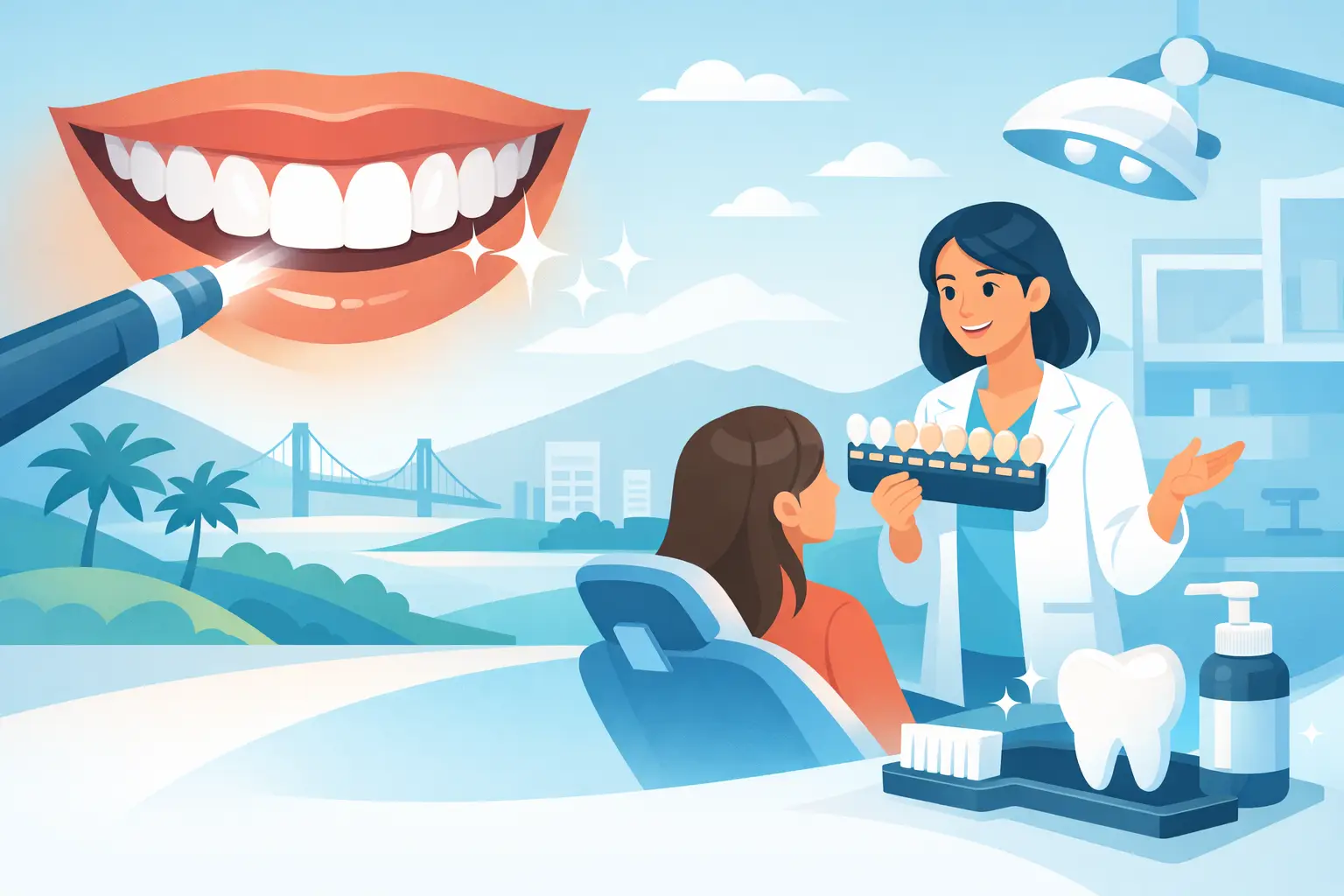
Professional in-office whitening is the fastest option. A stronger whitening gel is applied carefully while your gums and soft tissues are protected. This approach can noticeably brighten teeth in a single visit, which is why many busy professionals and event-focused patients prefer it.
The main advantage is control. Your dentist can monitor sensitivity, apply the material evenly, and help you avoid the patchy look that can happen with generic kits. If you have a wedding, graduation, interview, or photos coming up, in-office treatment often makes the most sense.
The trade-off is that it costs more than store-bought products. Some patients also need more than one session if the starting shade is significantly dark or if staining has built up over many years.
Custom take-home trays
Take-home trays from your dentist offer a good balance of convenience, comfort, and professional oversight. These trays are made to fit your teeth, which helps the whitening gel stay where it belongs and reduces irritation to the gums.
This option works well for patients who want gradual improvement over a couple of weeks and prefer to whiten on their own schedule. It can also be useful for touch-ups later, especially if you know you are a regular coffee or tea drinker.
Results are not as instant as in-office treatment, but they are often more comfortable for people who are prone to sensitivity. For many patients, custom trays are the most practical long-term choice.
Over-the-counter products
Store-bought whitening strips, pens, and trays can help with mild staining, but results vary. The fit is generic, the ingredients are usually less concentrated, and there is no exam beforehand to confirm whether whitening is even the right answer.
They are attractive because they are easy to buy and less expensive upfront. Still, if you have crowns, bonding, uneven discoloration, or sensitive teeth, those products may leave you disappointed. What looks like a simple cosmetic fix can become frustrating when only some areas lighten.
What affects your whitening results
A brighter smile is possible for many people, but results depend on more than the product used. One important factor is the type of stain. Yellow tones often respond better than gray or brown discoloration. Surface stains usually lift more easily than deep internal staining.
Your dental history matters too. Fillings, crowns, veneers, and bonding do not whiten the way natural enamel does. If you have visible dental work in the front of your smile, whitening the surrounding teeth may create a mismatch. In those cases, the timing of cosmetic treatment should be planned carefully.
Daily habits also make a difference. If you whiten your teeth and go right back to frequent coffee, red wine, dark sodas, or tobacco, the brighter look may fade sooner. That does not mean whitening is not worth doing. It just means maintenance matters.
Is teeth whitening safe?
When performed under dental supervision, whitening is considered safe for most healthy adults. The key is making sure your teeth and gums are ready for it. Sensitivity can happen, but it is usually temporary and manageable.
Patients often worry that whitening will damage enamel. Used properly, professional whitening products do not strip away healthy tooth structure the way many people fear. Problems are more likely when people overuse products, skip professional guidance, or try repeated treatments without understanding the cause of discoloration.
If you already deal with tooth sensitivity, do not assume whitening is off the table. It may still be possible with a gentler approach, shorter wear times, or a professionally guided plan. Sometimes spacing treatment out gives you a better experience than trying to force rapid results.
Who is a good candidate for teeth whitening Fremont CA?
Many adults with healthy teeth and gums are good candidates for whitening, especially if they have staining from food, drinks, or natural aging. Patients often choose whitening before an important event, after finishing orthodontic treatment, or simply because they want to feel more confident smiling in everyday life.
Whitening may not be the best first step if you have untreated cavities, active gum disease, or major restorative needs. It may also be less effective if the discoloration comes from trauma or internal changes within the tooth. In those cases, a dentist may recommend a different cosmetic solution such as bonding or veneers.
That does not mean whitening has failed. It just means the right treatment should match the reason your smile looks the way it does.
How to keep your teeth whiter longer
Maintenance is usually where patients get the most value from whitening. A few small habits can make a noticeable difference over time.
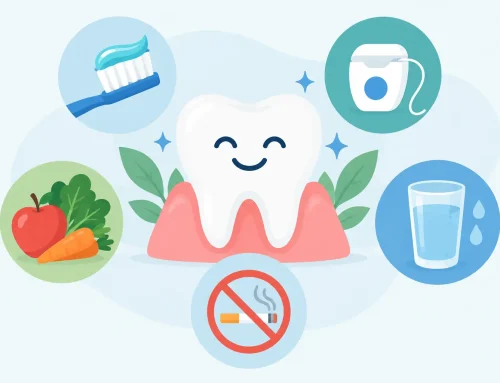
Brushing and flossing consistently help reduce the buildup that dulls enamel. Professional cleanings are also important because plaque and tartar can hold onto stain and make teeth appear darker. If you drink coffee, tea, or wine regularly, rinsing with water afterward can help reduce lingering pigment.
Using a straw for cold dark beverages can help some patients, though it is not a perfect fix. Limiting tobacco is one of the biggest improvements you can make for both whitening and overall oral health. If you choose custom trays, occasional touch-ups can help you maintain a bright but natural shade rather than waiting for heavy staining to return.
Why professional guidance makes a difference
Cosmetic treatment should never feel like guesswork. A good whitening plan takes your smile as it is today and works from there. That means looking at enamel health, existing dental work, sensitivity history, and the result you actually want – not just the brightest shade possible.
For some patients, the best outcome is quick in-office whitening. For others, it is a slower take-home approach that fits into a busy routine. And sometimes the right answer is not whitening at all, but another cosmetic treatment that creates a more even and lasting improvement.
At a full-service practice like Finesse Family Dental, that conversation can happen in one place with a team that understands both the health and appearance of your smile. That matters because cosmetic dentistry tends to work best when it is built on strong, personalized clinical care.
If you are considering whitening, the goal is not just lighter teeth. It is a smile that looks healthy, feels comfortable, and suits you well enough that you do not have to think twice before showing it.