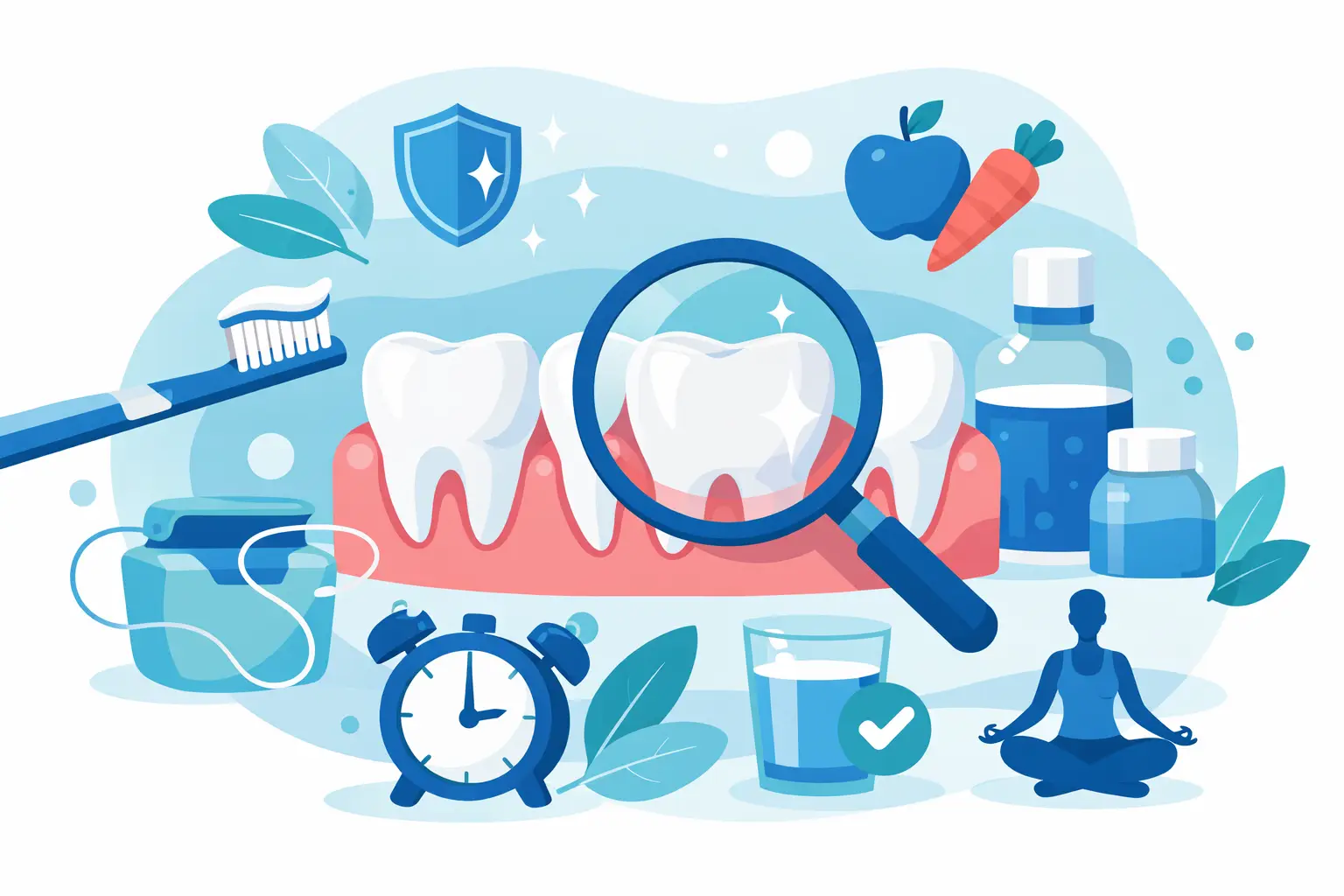
Bleeding when you brush is easy to dismiss, especially when mornings are busy or you have not changed your toothbrush in a while. But healthy gums generally should not bleed, feel tender, or pull away from your teeth. The best habits for healthy gums are not complicated. They are consistent, gentle, and supported by professional care when you need it.
Gum health affects far more than the appearance of your smile. Your gums hold and protect the structures around your teeth. When plaque is allowed to build up along the gumline, it can trigger inflammation that may progress from early gingivitis to more serious gum disease. The encouraging news is that early gum inflammation can often improve with better home care and regular dental cleanings.
1. Brush Twice a Day Without Brushing Too Hard
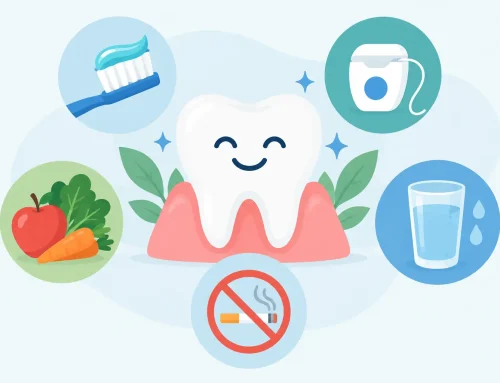
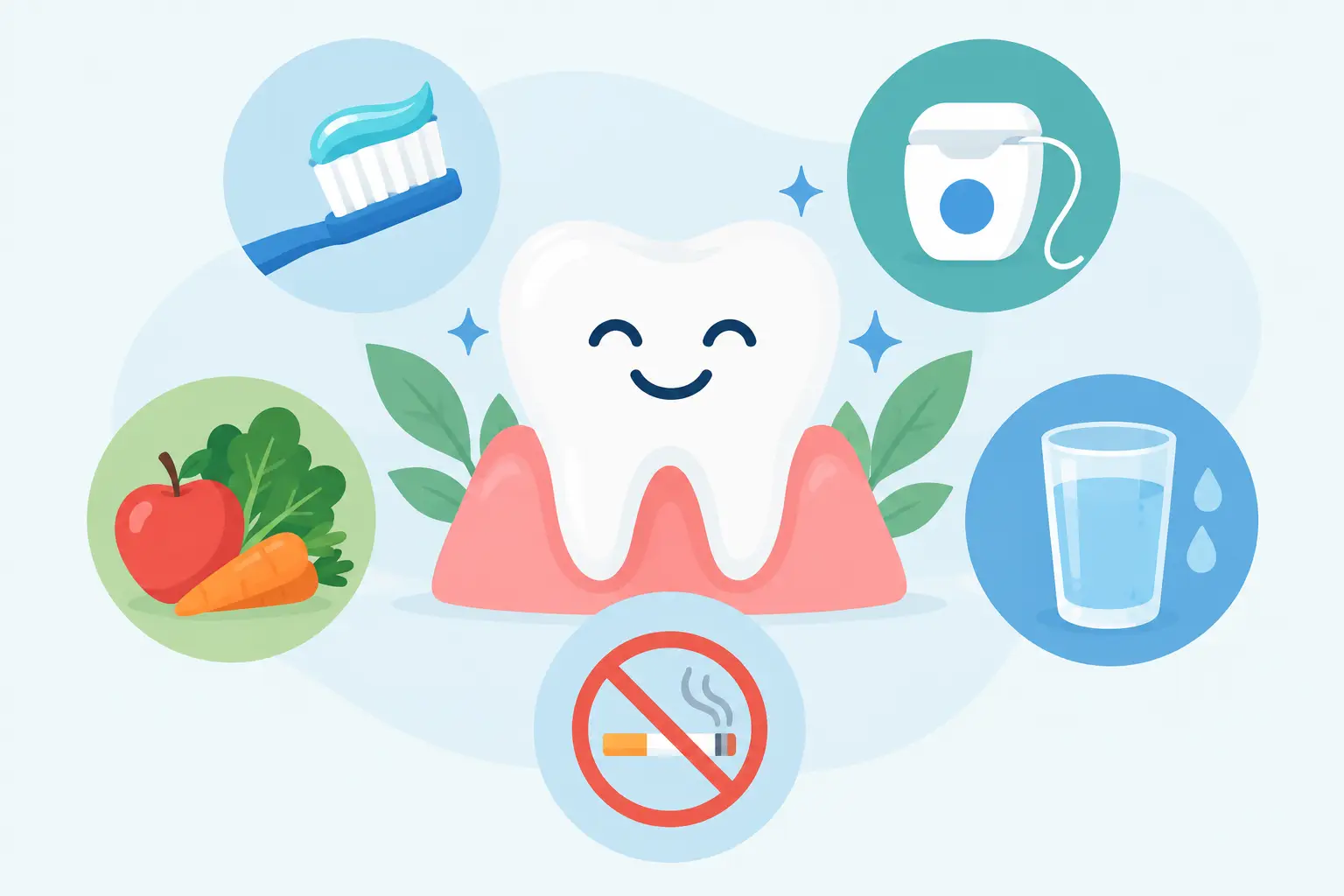
Brush for two full minutes in the morning and before bed using a soft-bristled toothbrush and fluoride toothpaste. Position the bristles at a slight angle toward the gumline, then use small, gentle motions. This removes plaque where it tends to collect without irritating delicate gum tissue.
More pressure does not mean a better clean. Aggressive brushing can wear down enamel near the gums and contribute to gum recession over time. If you notice your brush bristles splaying outward quickly, or your gums feel sore after brushing, your technique may be too forceful.
An electric toothbrush can be a helpful option for many patients because its built-in timer makes it easier to brush long enough. Still, a manual toothbrush can work very well when used carefully and consistently.
2. Clean Between Your Teeth Every Day
A toothbrush does an excellent job on the front, back, and chewing surfaces of teeth, but it cannot thoroughly clean the tight spaces between them. That is where floss, interdental brushes, or a water flosser can make a meaningful difference for your gums.
Traditional floss is effective when you gently curve it around each tooth and move it just below the gumline. Do not snap it down into the gums. If your teeth have wider spaces, bridges, braces, or certain types of dental work, an interdental brush may be easier and more effective. A water flosser can also be a useful addition, particularly for people who find string floss difficult to manage.
The best tool is the one you will use correctly every day. If flossing makes your gums bleed at first, do not stop immediately. Bleeding often reflects inflammation caused by plaque. With gentle daily cleaning, it commonly improves within a week or two. Persistent bleeding deserves a dental evaluation.
3. Replace Your Toothbrush Before It Stops Cleaning Well
Replace your toothbrush or electric brush head about every three months, or sooner if the bristles look frayed. Worn bristles do not clean as effectively and can make it harder to reach the gumline properly.
It is also wise to replace your brush after you have been sick, especially after a contagious illness. Store it upright where it can air-dry, rather than keeping it sealed in a closed container that stays damp.
4. Make Your Diet Friendlier to Your Gums
Your gums benefit when you limit the frequent sugar exposure that feeds harmful oral bacteria. It is not only the amount of sugar that matters. Sipping sweetened coffee, soda, juice, or sports drinks throughout the day repeatedly gives bacteria fuel to produce acids and plaque.
Water is the simplest choice between meals. Crunchy produce, protein-rich foods, dairy or calcium-rich alternatives, and nutrient-dense meals support overall oral health. Vitamin C is particularly relevant for healthy gum tissue, so foods such as berries, citrus, bell peppers, broccoli, and leafy greens can be good additions to a balanced diet.
You do not have to avoid every treat to care for your gums. A practical approach is to enjoy sweets with a meal, rather than grazing on them over several hours, and drink water afterward. If you have dry mouth from medication, medical treatment, or simply not drinking enough water, ask your dental team for personalized guidance. Less saliva means less natural protection against plaque and decay.
5. Do Not Ignore Signs of Gum Trouble
Gum disease does not always cause dramatic pain. In fact, many people do not realize there is a problem until they notice visible changes or hear concerns at a dental visit. Paying attention early gives you more options for protecting your teeth and gums.
Contact a dental office if you notice several of these signs:
- Gums that bleed regularly during brushing or flossing
- Persistent bad breath or an unpleasant taste that does not improve
- Red, swollen, tender, or receding gums
- Teeth that feel loose, shifted, or different when you bite
- Pus around the gums, new spaces between teeth, or changes in how partial dentures fit
These symptoms do not always mean advanced gum disease, but they should not be treated as normal. A professional exam can identify whether the issue is mild inflammation, hardened tartar below the gumline, periodontal disease, or another concern requiring care.
6. Keep Regular Cleanings, Even When Nothing Hurts
Home care is essential, but it cannot remove tartar once plaque has hardened onto teeth. Professional cleanings remove buildup from areas that are difficult to reach and give your dental team a chance to monitor gum health over time.
For many patients, visits every six months are appropriate. Others need more frequent periodontal maintenance because of a history of gum disease, diabetes, smoking, certain medications, pregnancy-related changes, or a tendency to build up tartar quickly. There is no one schedule that fits everyone. The right interval depends on your individual risk and the condition of your gums.
Regular visits also make treatment easier when a problem is developing. Addressing early gingivitis is generally simpler than waiting until infection has affected the bone supporting your teeth.
7. Avoid Tobacco and Be Honest About Nicotine Use
Smoking and other tobacco use significantly increase the risk of gum disease and can make healing less predictable after dental treatment. Nicotine products, including vaping products, may also affect blood flow and gum health. Because nicotine can mask bleeding, gums may appear less inflamed than they actually are.
Stopping tobacco use is one of the strongest decisions you can make for your oral and overall health. If quitting feels difficult, talk with your physician or dental team about resources that can support you. Your care team is there to help, not to judge.
8. Manage Clenching, Grinding, and Stress
Stress does not directly cause gum disease, but it can make healthy routines harder to maintain. It may also contribute to clenching or grinding, which can strain teeth and supporting tissues. If you wake with jaw soreness, have frequent headaches, or notice worn or chipped teeth, mention it at your next appointment.
A custom night guard may be recommended for some patients. It will not replace brushing, flossing, or periodontal care, but it can protect teeth from excessive force and help preserve the work you have put into your smile.
9. Give Gum Disease Treatment the Attention It Deserves
When gum disease is present, routine cleaning alone may not be enough. Depending on the severity, treatment may involve deep cleaning below the gumline, targeted periodontal therapy, or modern techniques designed to reduce bacteria and support healing. Your dentist will recommend care based on measurements around your teeth, X-rays, visible inflammation, and your health history.
This is not a reason to feel embarrassed. Gum disease is common, and it is manageable with timely treatment and consistent maintenance. At Finesse Family Dental, patients can receive personalized gum care in a comfortable setting, with a focus on gentle treatment and clear guidance at every step.
10. Build a Routine You Can Actually Keep
The best habits for healthy gums only work when they fit into real life. Keep floss where you relax in the evening if that is when you are most likely to use it. Set a reminder for a new brush head. Carry a small oral care kit when travel or long workdays disrupt your routine.
Small choices repeated every day protect your gums, freshen your breath, and help preserve your natural teeth. If your gums have been bleeding, feel sore, or have not been checked in a while, a caring dental visit can be a practical first step toward feeling confident about your smile again.