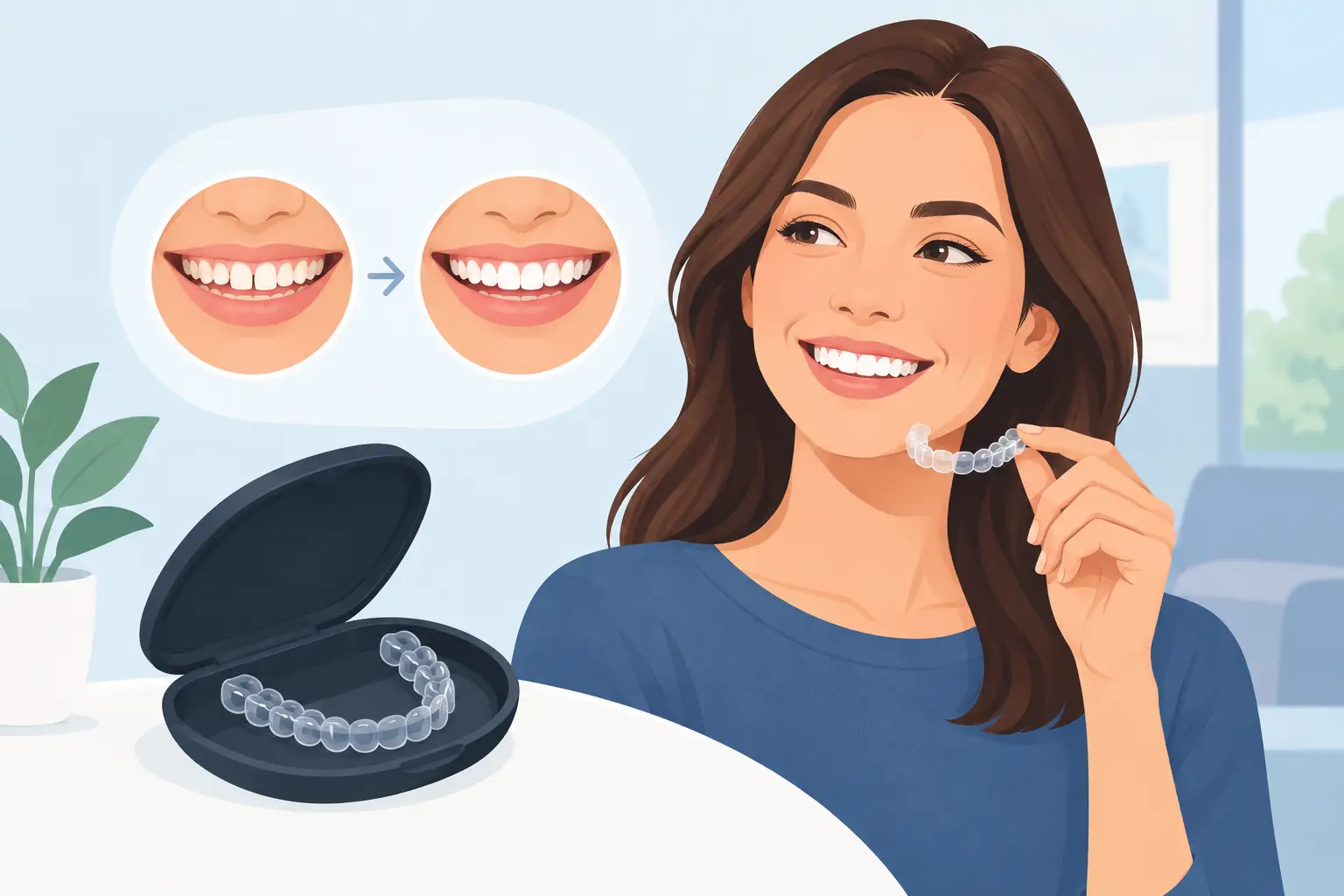
A confident smile can feel especially meaningful in adulthood, whether you are meeting clients, attending family events, or finally addressing teeth that have bothered you for years. This Invisalign review for adults looks beyond the nearly invisible appearance of clear aligners and focuses on the questions that matter in real life: comfort, commitment, timing, cost, and whether treatment fits your goals.
For many adults, Invisalign can be an excellent orthodontic option. It is not automatically the right answer for every bite or every schedule, though. The best experience starts with an honest evaluation, a clear treatment plan, and the willingness to wear and care for aligners consistently.
Invisalign Review for Adults: The Real Appeal
Traditional braces remain a reliable treatment, but many adults prefer an option that is less noticeable in professional and social settings. Invisalign treatment uses a series of custom clear aligners designed to gradually guide teeth into healthier, more attractive positions. Because the aligners are removable, patients can take them out to eat, brush, and floss.
That flexibility is often the biggest advantage. Adults do not have to avoid popcorn, apples, or other foods because of brackets and wires. Brushing and flossing can also stay closer to a normal routine, which can make it easier to protect gum health during orthodontic treatment.
Appearance matters, but convenience is not the only reason to consider clear aligners. Correcting crowding, spacing, and certain bite concerns may improve how teeth function and may make daily cleaning easier. Straightening is cosmetic for many patients, but it can also be part of a long-term oral health plan.
What Wearing Invisalign Is Actually Like
New aligners commonly create a feeling of pressure or tightness for a day or two, particularly when switching to the next set. That sensation is generally a sign that teeth are being guided into position. Most adults describe it as manageable rather than painful, and there are no wires that can poke the cheeks or lips.
Speech can feel slightly different at first. Some people notice a small lisp during the first few days, especially with certain sounds. Reading aloud, talking during normal daily activities, and simply giving the mouth time to adapt usually help. For most patients, this is temporary.
The real adjustment is behavioral. Aligners should typically be worn about 20 to 22 hours a day. They come out for meals and for brushing and flossing, then go back in promptly. Someone who tends to sip sweetened coffee all morning, snack frequently, or leave aligners out after dinner may find the routine more challenging than expected.
Clear aligners are most discreet when they are clean. Rinsing them after removal, brushing them gently as directed, and storing them in their case helps prevent odor, stains, and accidental loss. Wrapping aligners in a napkin is a common mistake and an easy way for them to disappear at a restaurant.
The Commitment Behind the Convenience
Invisalign gives patients more freedom than fixed braces, but that freedom requires responsibility. Braces are working around the clock because they stay on the teeth. Clear aligners work as planned only when they are worn as prescribed.
Adults who do best are often those who can build the process into existing habits. Keep the aligner case with you, brush after meals when possible, and set a reminder if you tend to get distracted during busy workdays. Small routines protect the progress you are paying for.
How Long Does Invisalign Take for Adults?
Treatment length varies because every smile starts in a different place. Minor spacing or crowding may take several months, while more involved alignment and bite correction can take a year or longer. The number of aligner sets, how reliably they are worn, the movement required, and whether refinement aligners are needed all affect the timeline.
A refinement is not necessarily a problem. Teeth and tissues can respond differently than expected, and additional aligners may be recommended to improve the final result. A careful provider plans treatment around the whole bite, not just making the front teeth appear straighter in photos.
Regular progress visits remain valuable even though aligners are removable. They allow the dental team to confirm that teeth are tracking well, answer questions, and make timely adjustments if needed. For adults balancing work and family responsibilities, efficient appointments and clear instructions can make treatment feel much more manageable.
Is Invisalign Worth the Cost?
There is no one-price answer to this part of an Invisalign review for adults. Cost depends on the complexity of your case, the length of treatment, the number of aligners required, and the follow-up care included in the treatment plan. Dental insurance may contribute orthodontic benefits in some situations, although coverage varies by plan and may have age limits or lifetime maximums.
When comparing options, ask what the quoted fee includes. A useful conversation covers digital scans or impressions, progress appointments, possible refinement aligners, retainers, and what happens if an aligner is lost. The lowest initial number is not always the best value if important parts of care are excluded.
For patients considering cosmetic dentistry, aligner treatment may also be worth discussing before whitening, bonding, veneers, or replacement work on visible teeth. Moving natural teeth first can create better spacing and proportions for future cosmetic care. The sequence depends on your oral health and the goals you want to achieve.
Who Is a Good Candidate?
Many adults with mild to moderate crowding, gaps, or certain bite issues can be candidates for Invisalign. Adults who had braces years ago and have experienced gradual shifting are often especially interested in clear aligners. Treatment can also be appropriate for some more complex cases, but an in-person exam is the only dependable way to know.
Healthy gums and teeth provide the best foundation. Active gum disease, untreated cavities, damaged restorations, or tooth pain should be addressed before orthodontic movement begins. If you have crowns, bridges, implants, or a history of periodontal treatment, that does not automatically rule out aligners. It does mean the plan should be personalized carefully.
There are cases where traditional braces, another orthodontic approach, or restorative treatment may be more predictable. Severe bite discrepancies and movements that need more direct control can require a different solution. A trustworthy recommendation should explain both what Invisalign can do and where its limits may be.
Questions Worth Asking at Your Consultation
Before starting, ask how your bite will be evaluated, how often progress will be checked, and whether the fee includes refinements and retainers. You may also want to ask what daily wear expectations apply to your case and how existing dental work will affect the plan.
At Finesse Family Dental, an Invisalign consultation can also consider the condition of your gums, existing restorations, and broader smile goals. That full-picture approach helps ensure that orthodontic treatment supports both appearance and lasting oral health.
Retainers Are Part of the Result
Straightening teeth is not the final step. Teeth naturally have a tendency to shift over time, even after a successful orthodontic result. Retainers help hold them in their new positions while the surrounding tissues stabilize and remain important for maintaining your smile long term.
Your dentist will recommend a retainer schedule based on your treatment and needs. Some patients need more consistent wear at first and then transition to nighttime use. The key is not to view retainers as optional. They are the practical protection for the time, effort, and investment you put into treatment.
A Balanced Adult Invisalign Review
Invisalign can be worth it for adults who want a discreet way to improve alignment and are prepared to follow the daily routine. Its strengths are clear: removable aligners, easier oral hygiene, fewer food restrictions, and a subtle appearance. Its trade-off is equally clear: success depends on wearing the aligners consistently.
The most satisfying results usually come from choosing treatment for the right reasons, not from chasing a perfect promise. If you are ready to make a steady commitment, a personalized consultation can show you what movement is realistic, how long it may take, and what a healthier, more confident smile could look like for you.