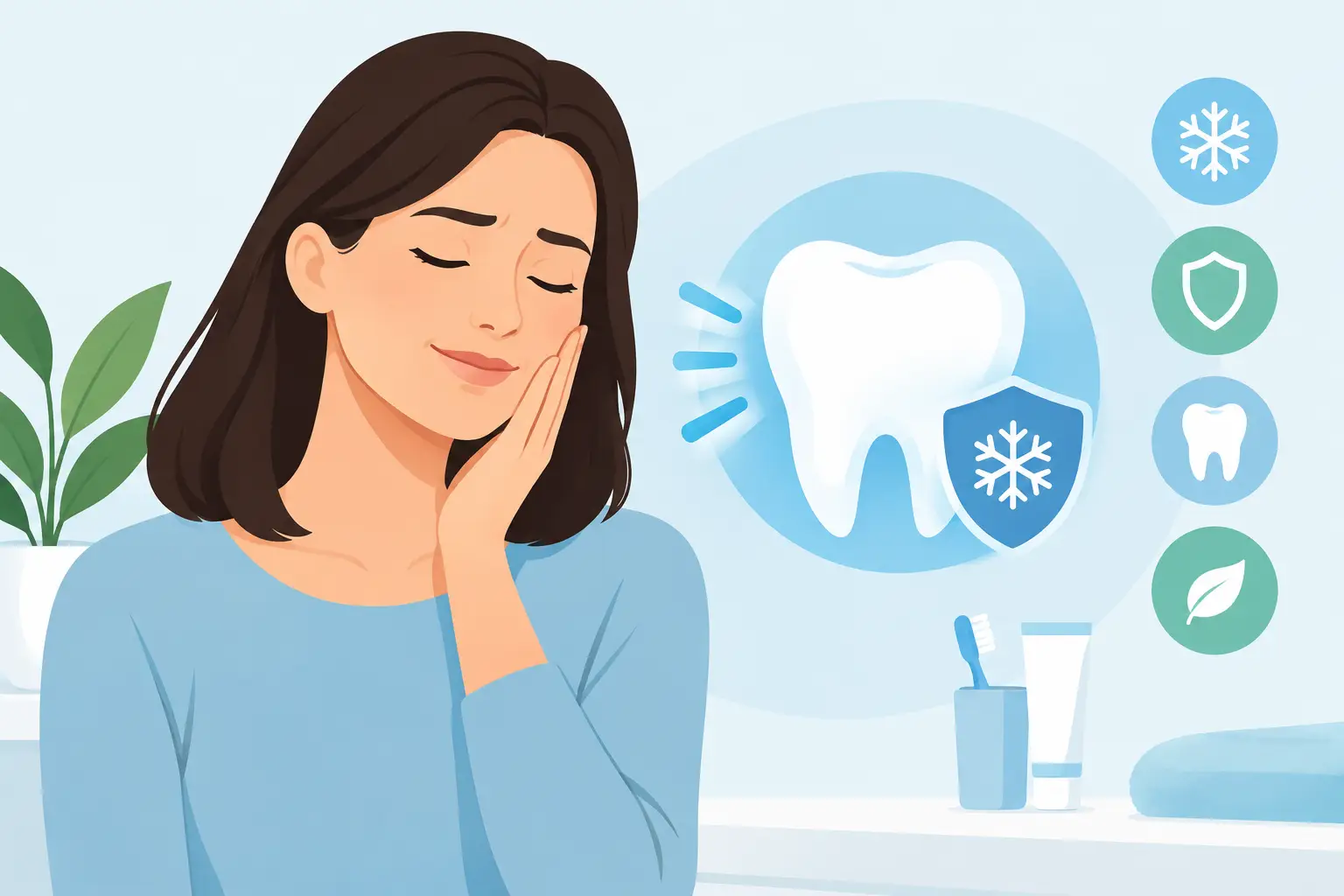
That sharp jolt when you sip iced water, breathe in cool air, or bite into something sweet can make even a small meal feel stressful. If you are wondering how to stop tooth sensitivity, the right answer depends on why the sensitive area is exposed in the first place. Gentle home care can help many people, but ongoing pain deserves a professional diagnosis rather than guesswork.
What Tooth Sensitivity Usually Means
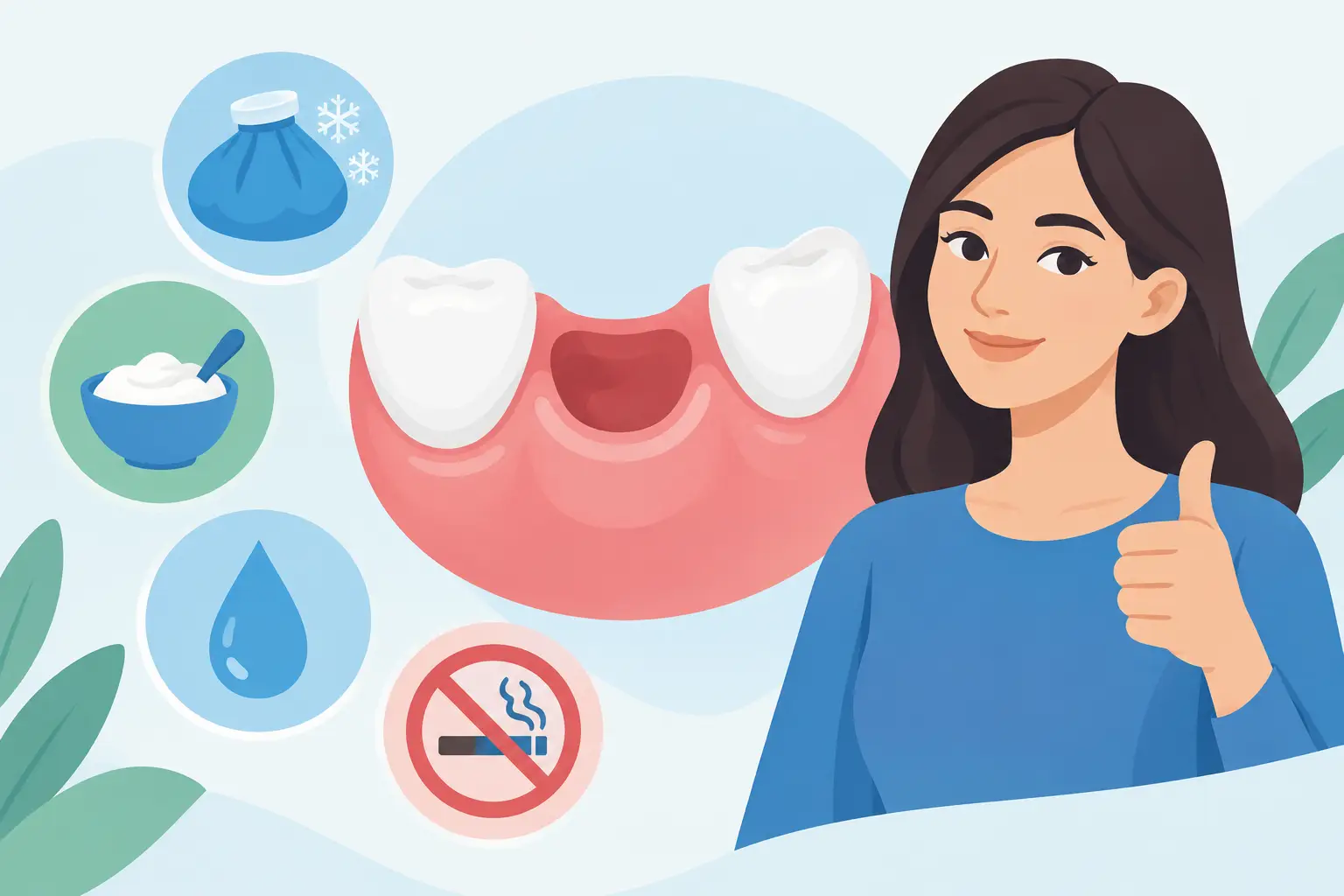
Tooth sensitivity happens when the protective outer enamel wears down or gum tissue recedes, exposing the dentin underneath. Dentin contains tiny channels that lead toward the tooth’s nerve. Cold, heat, sweetness, touch, and sometimes air can travel through those channels and trigger a quick, sharp sensation.
That does not always mean you have a cavity. Sensitivity can develop from everyday habits, including brushing too hard, using a hard-bristled toothbrush, frequent acidic drinks, or teeth grinding. It may also be related to gum disease, a cracked tooth, a worn filling, tooth decay, recent dental work, or whitening treatments.
The pattern matters. A brief sting that stops quickly is often consistent with exposed dentin. Pain that lingers after hot or cold foods, wakes you up, hurts when you bite, or appears in one specific tooth may point to a deeper concern. A dental exam can identify the cause before a manageable problem becomes more complicated.
How to Stop Tooth Sensitivity at Home
The goal at home is to reduce irritation while giving your enamel and gums a better environment to recover. These changes are simple, but consistency matters. It can take two to four weeks to notice meaningful improvement.
Switch to a sensitivity toothpaste
Use a toothpaste made for sensitive teeth twice each day. These formulas are designed to block or calm the pathways that carry sensation to the nerve. Brush gently with a soft-bristled toothbrush for two minutes, especially along the gumline where exposed root surfaces are common.
After brushing at night, spit out the excess toothpaste but avoid rinsing thoroughly with water. Leaving a light coating of toothpaste on the teeth gives the active ingredients more time to work. If sensitivity is isolated to one area, a dentist may also recommend applying a small amount directly to that tooth before bed.
Not every sensitive toothpaste feels the same, and some patients prefer formulas with fluoride for additional enamel support. The best choice depends on your dental history, cavity risk, and whether gum recession is involved.
Check your brushing pressure and technique
Clean teeth do not require aggressive scrubbing. Brushing with too much force can gradually wear enamel near the gumline and irritate the gums, making sensitivity worse. Hold your toothbrush with a light grip, similar to holding a pencil, and use small, gentle circles or short strokes.
A soft-bristled brush is usually the better choice. If you use an electric toothbrush, a pressure sensor can be useful because it alerts you when you are pressing too hard. Flossing once a day is still essential, but guide the floss carefully between teeth instead of snapping it down against the gums.
Reduce acidic foods and drinks
Acid softens enamel temporarily. Citrus, soda, sports drinks, energy drinks, wine, and flavored sparkling waters can all contribute when consumed often. You do not necessarily have to eliminate everything you enjoy, but frequency matters as much as quantity.
Try having acidic drinks with a meal rather than sipping them over several hours. Rinse with plain water afterward, and wait about 30 minutes before brushing. Brushing immediately after an acidic drink can scrub softened enamel more easily.
Take a break from whitening if needed
Whitening products can cause temporary sensitivity, especially if used too often or left on longer than directed. If your teeth became sensitive after whitening strips, trays, or professional whitening, pause treatment and let your dentist know.
This does not mean whitening is off-limits forever. Many patients can return to it with a modified schedule, shorter wear time, a sensitivity toothpaste, or a customized plan. The trade-off is simple: pushing through discomfort may make the experience unpleasant, while a slower approach can be more comfortable and still deliver attractive results.
Protect your teeth if you grind or clench
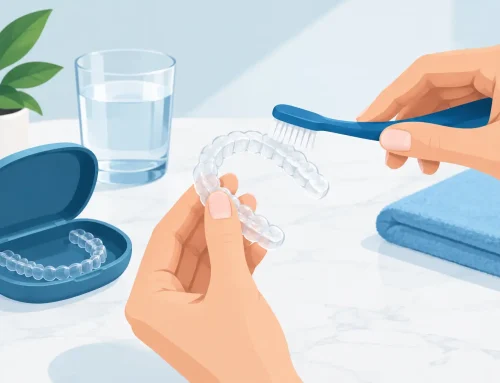
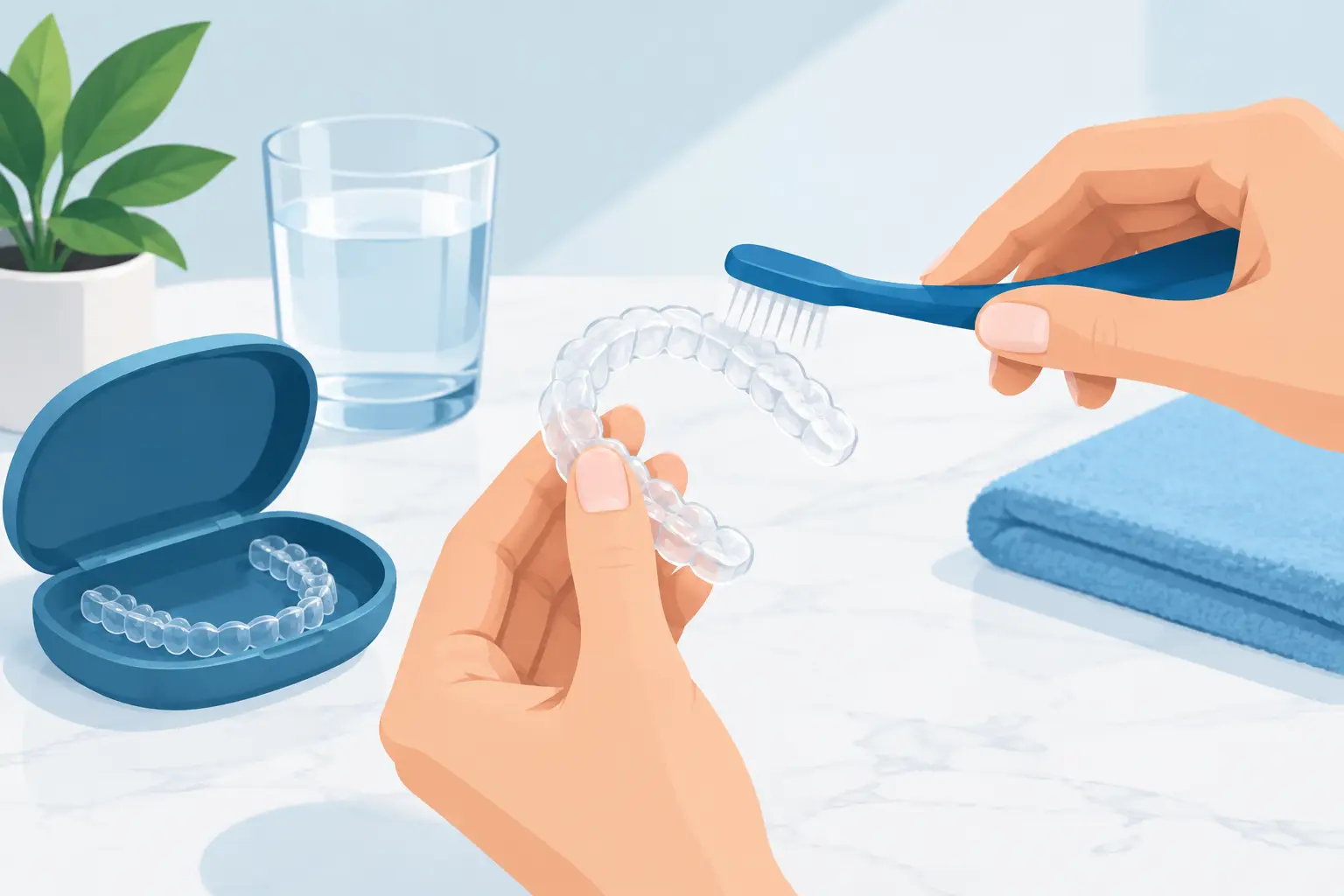
Nighttime grinding can wear down enamel, create small cracks, and strain the teeth and jaw. You may notice morning jaw soreness, headaches, flattened tooth edges, or sensitivity when chewing. An over-the-counter guard may offer limited short-term protection, but a custom night guard fits more accurately and is designed for your bite.
Because clenching can also signal stress, bite issues, or sleep-related concerns, it is worth mentioning during a dental visit. Protecting your teeth early can prevent more extensive restorative treatment later.
When Sensitivity Needs a Dental Exam
At-home care helps with mild sensitivity, but it cannot repair a cavity, seal a crack, treat an infection, or resolve active gum disease. Make an appointment if the discomfort persists for more than a couple of weeks, becomes stronger, or is focused on one tooth.
You should also be seen promptly if you have swelling, fever, a bad taste in your mouth, pain when biting, a chipped tooth, or pain that lasts after hot or cold foods are gone. These signs may indicate decay, a crack, inflammation inside the tooth, or infection. Waiting can allow the problem to progress from a small repair to a need for root canal treatment or extraction.
During an exam, your dentist may evaluate the enamel, gums, bite, older restorations, and X-rays to find the source. Treatment could be as straightforward as a fluoride varnish or desensitizing treatment. Depending on the cause, it may also involve treating a cavity, replacing a leaking filling, addressing gum recession, adjusting your bite, or protecting a cracked tooth with a crown.
Professional Treatments That Can Bring Relief
Dental treatment for sensitivity is not one-size-fits-all. The most appropriate option depends on whether the problem starts with enamel erosion, exposed roots, decay, a damaged restoration, gum disease, or the nerve inside the tooth.
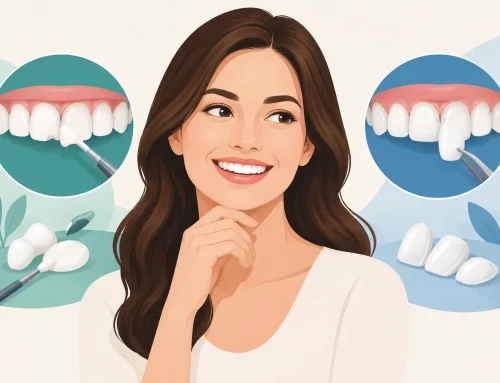
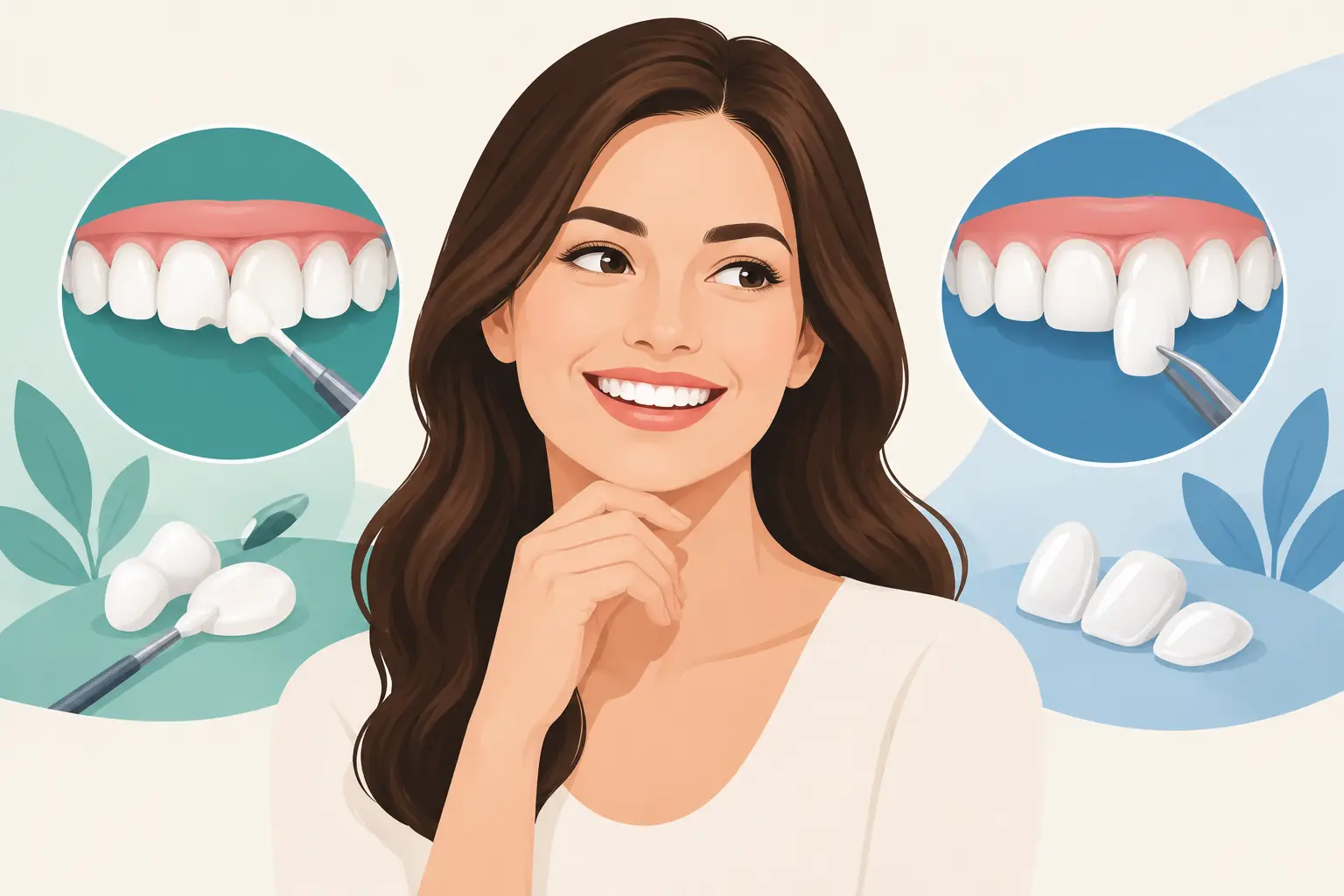
For exposed dentin, a dentist may apply fluoride varnish, desensitizing agents, or bonding material to cover vulnerable areas. For a cavity or worn filling, restoring the tooth removes the damaged area and seals it from temperature changes. A crown may be recommended when a tooth has a significant crack or large area of weakness.
If gum recession has left the roots exposed, periodontal care can help manage the health of the gums and protect the area from further damage. In certain situations, a gum graft may be considered. If the nerve is inflamed or infected, root canal treatment can relieve pain while allowing the natural tooth to remain in place.
Modern dentistry offers comfortable ways to diagnose and treat these concerns. The key is matching the treatment to the actual cause rather than repeatedly changing toothpaste and hoping the pain fades.
Preventing Tooth Sensitivity From Returning
Once your teeth feel better, keep the habits that protected them. Continue using a soft brush and fluoride toothpaste, schedule regular cleanings and exams, and ask about a night guard if you clench or grind. If you enjoy acidic drinks or whitening, moderation and a personalized plan can make a meaningful difference.
Sensitivity is your mouth’s way of asking for attention. A calm, gentle evaluation can provide answers and relief before that quick sting turns into a bigger interruption. For Fremont families who want personalized care in a comfortable setting, Finesse Family Dental can help identify the cause and create a treatment plan that feels clear, practical, and reassuring.