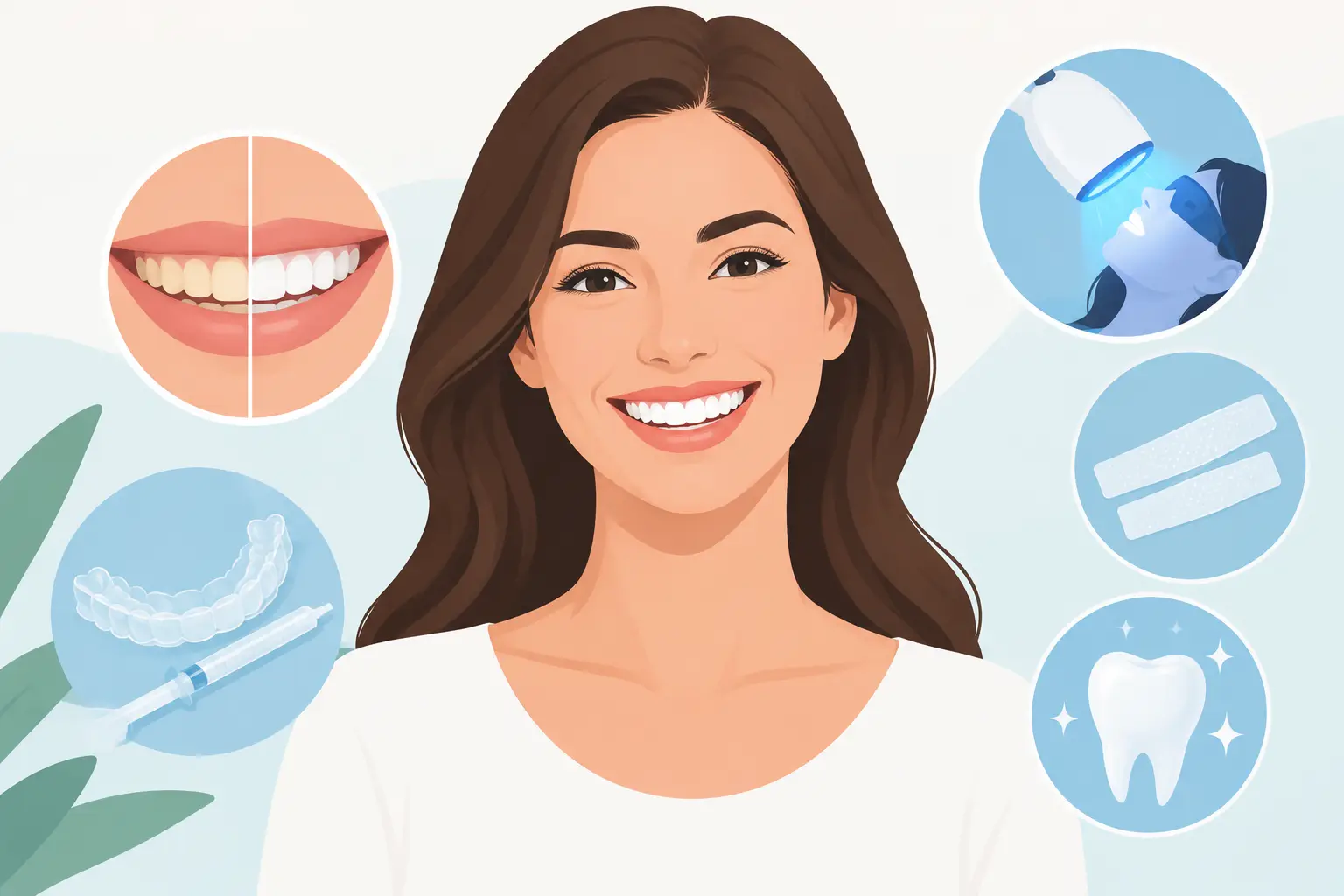
A favorite coffee, a photo with friends, or a quick glance in the mirror can make tooth color feel more noticeable than usual. Teeth whitening is one of the most requested cosmetic dental treatments because a brighter smile can make a meaningful difference in how confident you feel at work, at events, and in everyday conversations. The right approach, however, depends on why your teeth look darker and the condition of your oral health.
At a dental office, whitening is never just about choosing the strongest product. It starts with understanding your smile, protecting your teeth and gums, and setting realistic expectations for a natural-looking result.
Why Teeth Change Color
Teeth can gradually lose brightness for many reasons. Coffee, tea, red wine, dark berries, tomato-based sauces, and tobacco are common sources of surface staining. These pigments can collect in the microscopic texture of tooth enamel, particularly when regular cleanings are delayed.
Age also plays a role. Enamel naturally becomes thinner over time, allowing more of the yellow-toned dentin beneath it to show through. Some medications, past dental trauma, excessive fluoride exposure during childhood, and naturally darker tooth color can cause deeper discoloration that does not respond in the same way as ordinary surface stains.
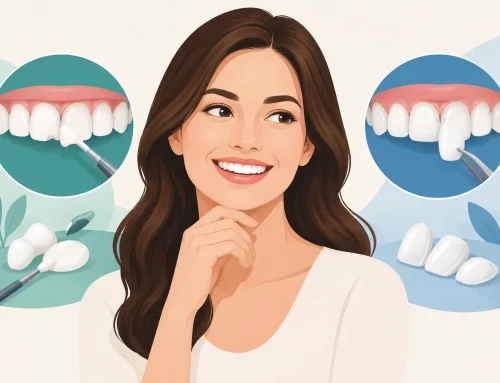
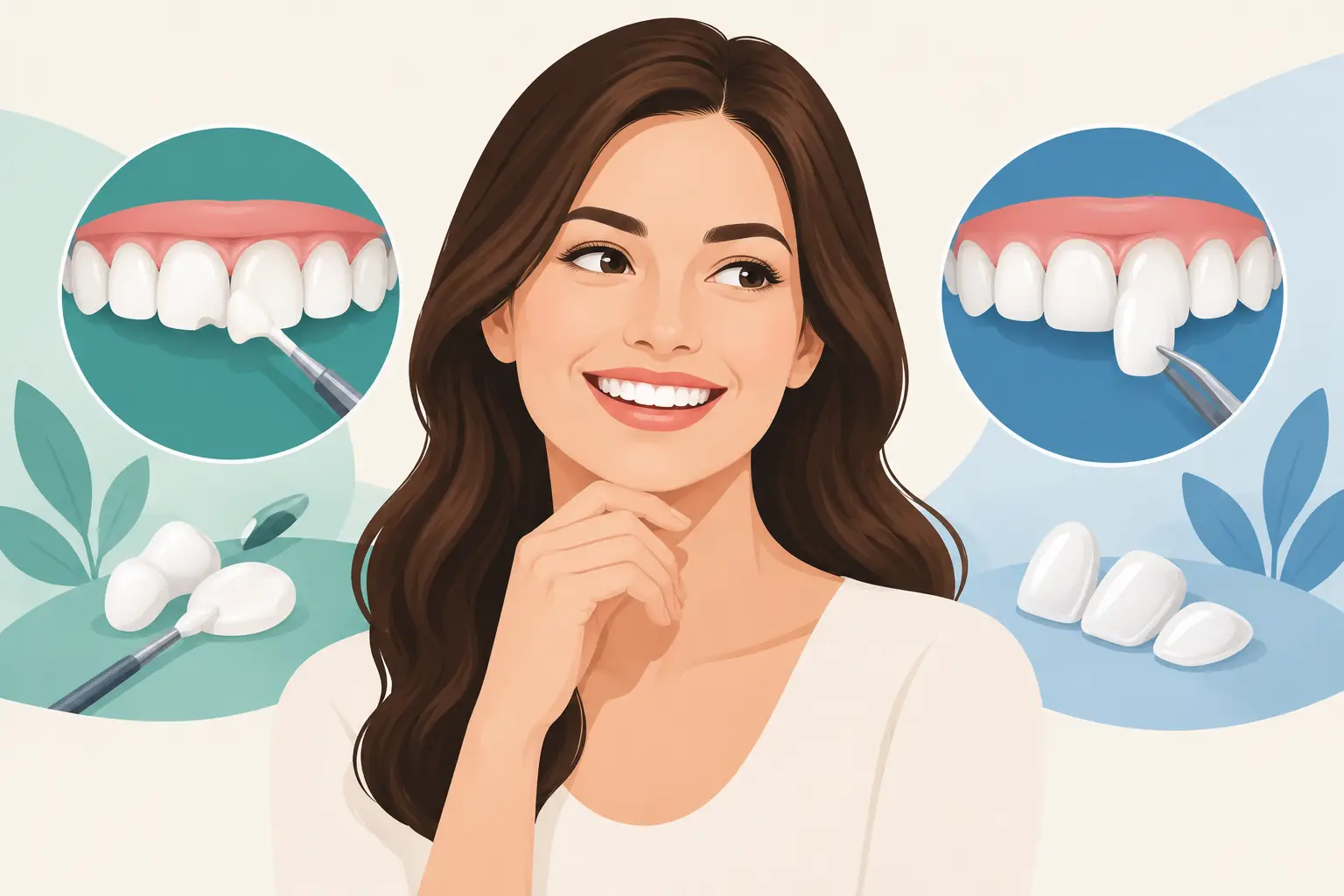
This is why two people can use the same whitening treatment and see different results. A patient with coffee stains may see a dramatic improvement, while someone with internal discoloration may need a different cosmetic solution, such as bonding or veneers, to reach their goals.
Start With a Healthy Foundation
Before whitening, a dentist should examine your teeth and gums. Cavities, cracked teeth, leaking fillings, gum inflammation, and exposed roots deserve attention first. Whitening gel can reach sensitive areas through a cavity or crack, which may cause unnecessary discomfort.
A professional cleaning may also be the best first step for some patients. Removing plaque, tartar, and surface stains can brighten the smile on its own and gives whitening products a cleaner surface to work on. If bleeding gums, persistent bad breath, or gum recession are present, addressing those concerns supports both a more comfortable treatment and better long-term oral health.
Patients should also know that crowns, veneers, fillings, bonding, bridges, and implants do not whiten. These materials keep their existing color. If a visible front crown or filling is darker than surrounding teeth, whitening the natural teeth first may help your dentist plan whether a restoration should be replaced afterward to create a more even smile.
Professional Teeth Whitening vs. Store-Bought Products
Both professional and over-the-counter products can lift certain stains, but they are not interchangeable. The best choice comes down to your starting shade, dental history, desired timeline, and sensitivity level.
In-office whitening
In-office whitening is designed for patients who want a noticeable change quickly, often for a wedding, reunion, professional photos, or another upcoming occasion. A dental team applies a professional-strength whitening gel while carefully protecting the gums and soft tissues. Treatment is supervised from start to finish, making it a strong option for patients who want efficient care and clear guidance.
The trade-off is that in-office whitening may cause temporary sensitivity, especially in people who already react to cold drinks or have worn enamel. The result is typically immediate, but it still needs maintenance because new stains can develop over time.
Custom take-home trays
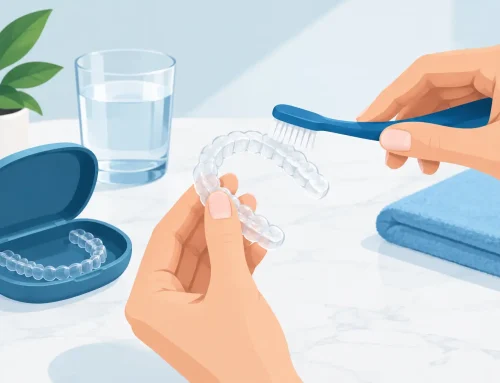
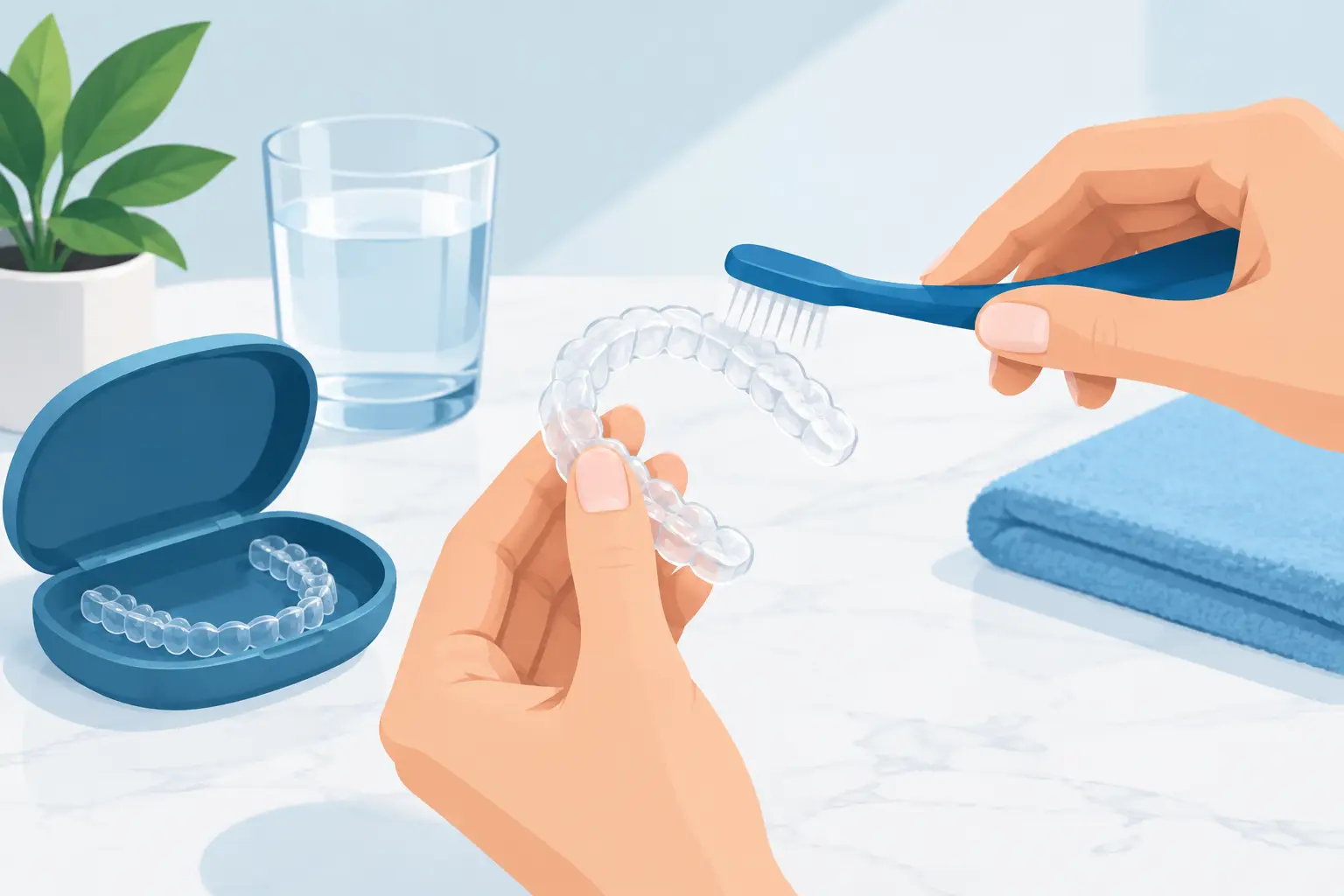
Custom trays provide a gradual, controlled way to brighten teeth at home. A dentist creates trays that fit closely around your teeth, helping keep whitening gel where it belongs instead of spreading onto the gums. Many patients appreciate the flexibility of whitening on their own schedule while still using a professional plan tailored to their smile.
Take-home treatment often takes days or a few weeks, depending on the product and your goals. It can be particularly useful for patients who prefer a slower change or want a convenient way to refresh their smile before an event.
Whitening strips and other retail products
Store-bought strips, toothpastes, pens, and rinses can be useful for mild surface stains or maintenance between professional treatments. Their lower cost and easy availability are appealing. However, they are less customized, may not contact every tooth evenly, and can irritate gums when used incorrectly.
Whitening toothpaste deserves special mention. It may remove some surface stains through polishing ingredients, but it usually does not change the underlying color of teeth as significantly as peroxide-based whitening. Aggressive or overly frequent use of abrasive products can also contribute to enamel wear, so more is not always better.
What Results Can You Expect?
A good whitening result looks brighter while still looking like your smile. Most people do not need an unnaturally white shade to see a difference. Your dentist can help you select a goal that complements your complexion, existing dental work, and personal preferences.
The amount of change varies. Yellow-toned stains often respond well, while gray, blue-gray, or deeply internal discoloration can be more resistant. Results also depend on consistent use of take-home products and following directions precisely. Leaving gel on longer than recommended does not guarantee whiter teeth, but it can increase sensitivity and irritate gum tissue.
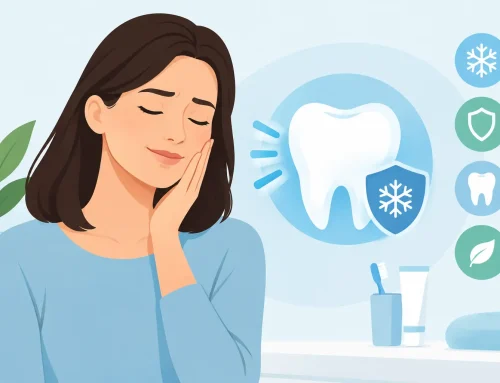
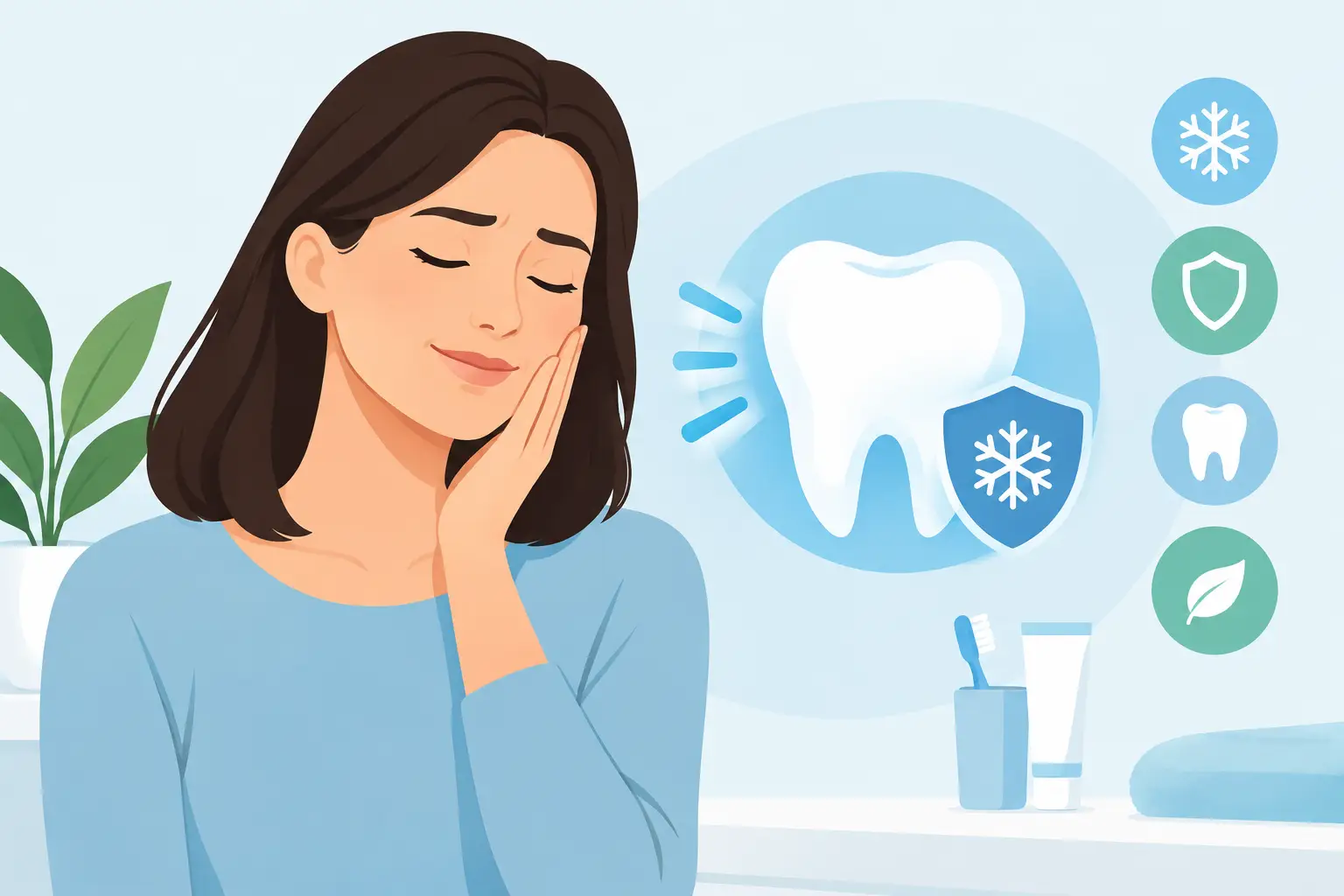
Temporary sensitivity is the most common side effect. It may feel like quick zings in the teeth or increased sensitivity to cold. Let your dental team know if this happens. Adjusting wear time, spacing treatments farther apart, using a sensitivity toothpaste, or choosing a lower-strength option can often make treatment more comfortable.
Keeping Your Smile Bright After Whitening
Whitening is not permanent, but thoughtful habits can help extend your results. You do not have to give up coffee or tea completely. Rinsing with water after darker drinks, using a straw for cold beverages when practical, and keeping up with regular hygiene visits can reduce the buildup of fresh stains.
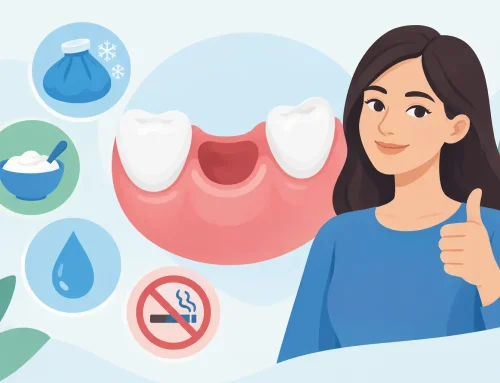
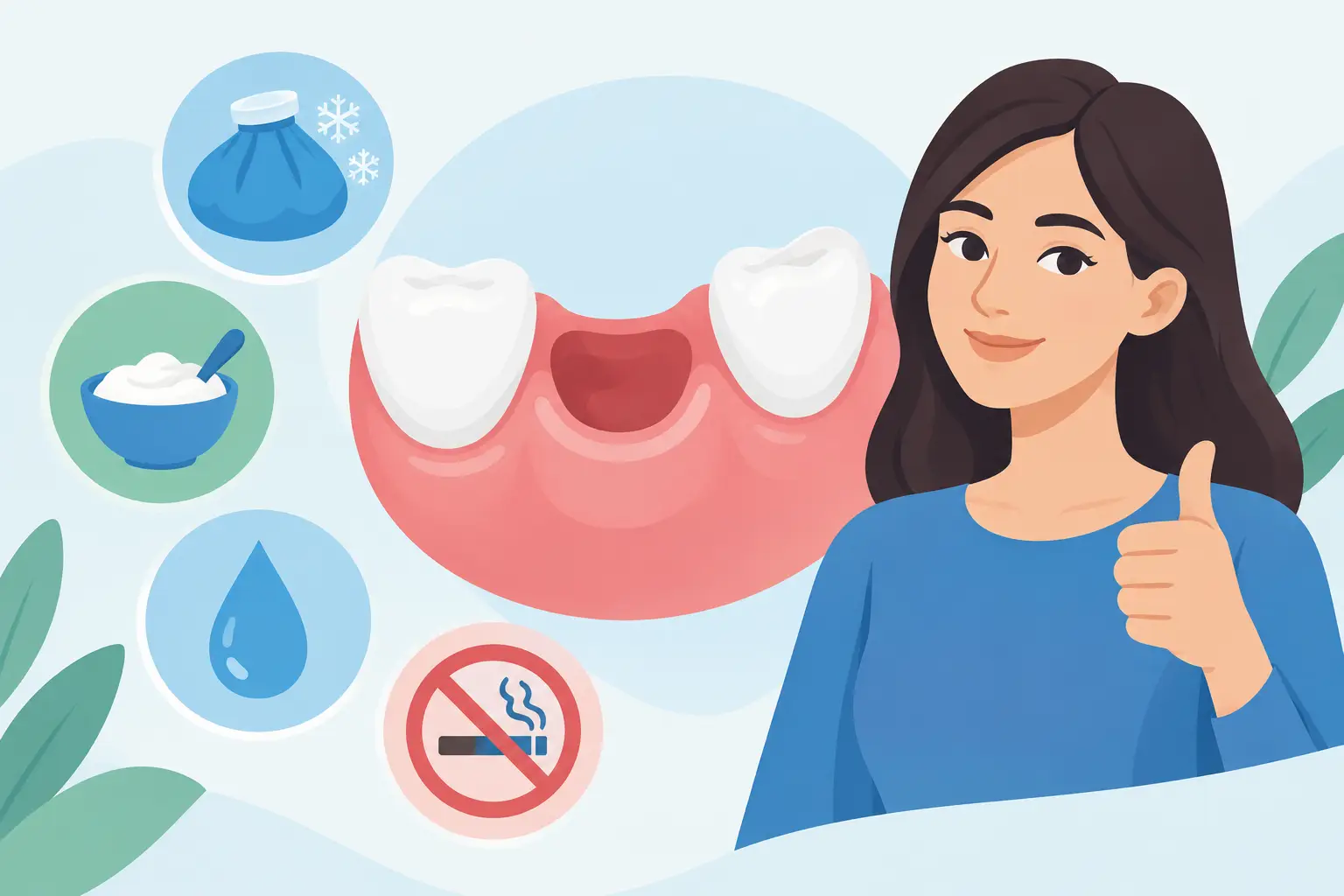
For the first day or two after an intensive whitening session, teeth may be more likely to pick up pigment. Choosing lighter-colored foods and drinks during that period can be helpful. Think water, milk, rice, chicken, cauliflower, bananas, and other low-pigment choices rather than coffee, cola, red wine, curry, or marinara sauce.
Smoking and other tobacco use can rapidly darken teeth again and affect gum health, breath, and healing throughout the mouth. Reducing or quitting tobacco is one of the most effective ways to protect both the appearance and health of your smile.
Regular cleanings remain essential. They remove the buildup that makes teeth look dull and give your dental team a chance to spot small concerns before they become more complex. Many patients choose occasional touch-up whitening as part of their long-term cosmetic care plan.
When Whitening Is Not the Best Answer
Whitening is highly effective for many healthy adult smiles, but it is not the right treatment for everyone. Pregnant or nursing patients may be advised to wait. Children and teens may need a dentist’s assessment before any whitening treatment, since their teeth and nerves are still developing.
If uneven color comes from old restorations, enamel defects, trauma, or severe internal staining, cosmetic bonding, veneers, or replacement restorations may offer a more predictable result. A personalized conversation prevents spending time and money on a treatment that cannot address the actual cause of discoloration.
At Finesse Family Dental, patients can discuss whitening in the context of their complete oral health, not as a one-size-fits-all cosmetic service. A careful evaluation helps identify the safest option, whether that means a cleaning, professional whitening, sensitivity support, or a different smile-enhancing treatment.
A brighter smile should feel like a comfortable extension of your natural appearance. When whitening is planned around healthy teeth, healthy gums, and your personal goals, it can be a simple, confidence-building change that still looks completely like you.