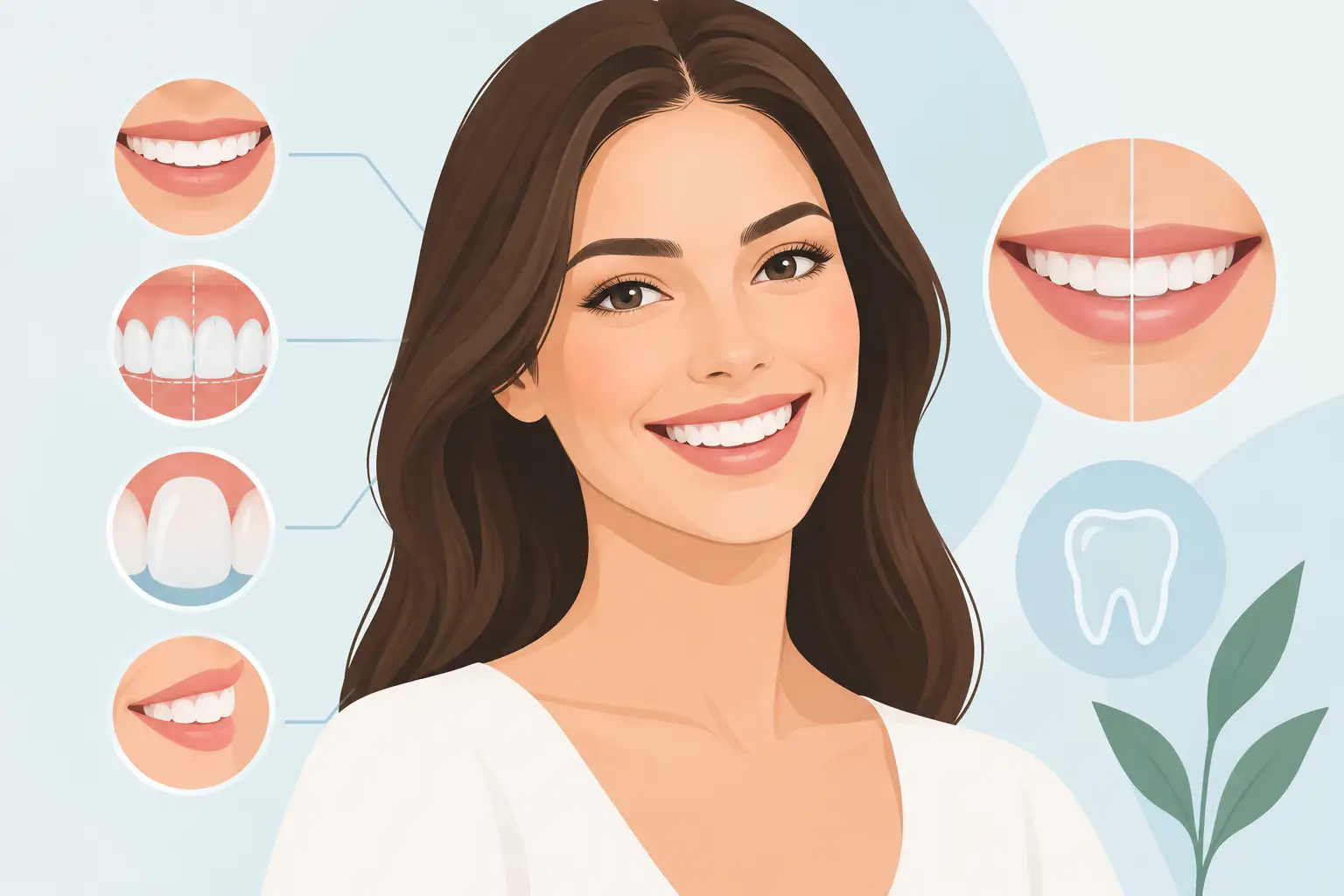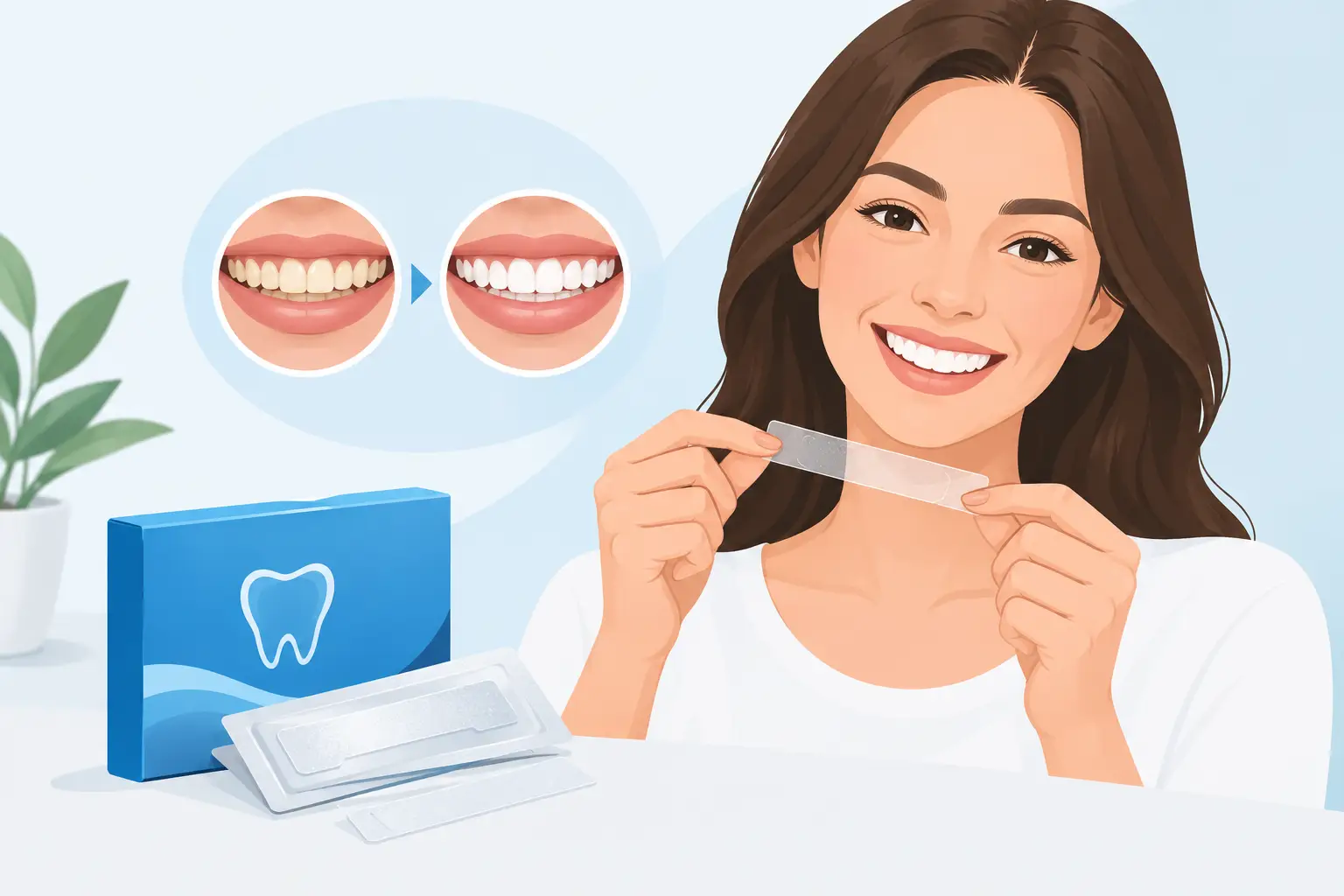
A whitening-strip box can make a brighter smile sound easy: apply, wait, peel away. But do whitening strips work well enough to make a visible difference? For many people, yes. They can lighten natural teeth with mild to moderate yellowing. The best results depend on the cause of discoloration, the product’s strength, and whether your teeth and gums are healthy enough for whitening in the first place.
For Fremont patients who want a more confident smile without unnecessary guesswork, understanding those details can help you choose an option that feels worthwhile, comfortable, and safe.
How Whitening Strips Work
Most whitening strips use peroxide, usually hydrogen peroxide or carbamide peroxide, as the active whitening ingredient. The thin, flexible strips hold the whitening gel against the front surfaces of your teeth for a set amount of time. Peroxide breaks apart stain molecules within the enamel and dentin, making teeth appear lighter.
That distinction matters. Whitening does not simply scrub away surface stains like toothpaste does. It changes the color of natural tooth structure to some degree, which is why results can be noticeable even when brushing alone has not made much difference.
Whitening strips tend to work best on yellow-toned teeth affected by coffee, tea, red wine, tobacco, or normal aging. They may be less predictable for gray, brown, or deeply discolored teeth. Teeth that changed color after an injury, a root canal, certain medications, or developmental conditions often need a dentist’s evaluation before whitening.
Do Whitening Strips Work as Well as Professional Whitening?
Whitening strips can brighten teeth, but they are not the same as professional whitening. Store-bought strips generally use lower concentrations of whitening ingredients than dentist-supervised systems. That lower strength can be appropriate for at-home use, yet it also means results may be more gradual and more limited.
A person with mild surface-related yellowing may be pleased after one course of strips. Someone hoping to lift several shades, brighten uneven discoloration, or achieve a more polished cosmetic result may find that strips fall short. The strips can also be difficult to position perfectly, especially near the gumline, along the sides of teeth, or on teeth that are slightly rotated or crowded.
Professional whitening offers more control. Your dental team can examine your teeth and gums first, recommend the right method, and help manage sensitivity. Treatment can be tailored to your current shade, cosmetic goals, and any dental work already in your smile. For patients with an upcoming wedding, job interview, reunion, or other important event, that predictability can be especially valuable.
What Results Can You Realistically Expect?
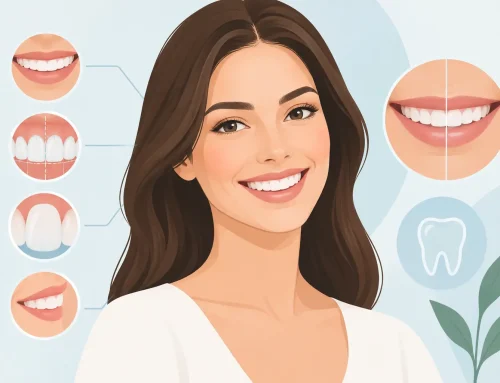
Results vary, and a realistic expectation is a natural-looking improvement rather than an artificially white shade. Many people see a modest change after consistent use over several days or weeks, depending on the product directions. Some notice a difference quickly; others need the full recommended course.
The starting color of your teeth is one factor. So are your daily habits. If you drink coffee every morning, sip dark tea throughout the day, or use tobacco, new stains can gradually return after whitening. Good brushing, flossing, routine cleanings, and rinsing with water after staining foods and drinks can help preserve your results.
There is also a limit to what strips can change. Crowns, veneers, fillings, bonding, and implants will not whiten with peroxide. If a front tooth has a crown or visible bonding, whitening nearby natural teeth may create a color mismatch. A dentist can help you plan treatment in the right order, particularly if you are considering cosmetic work.
When Strips May Not Be the Right Choice
Whitening strips are not a solution for every kind of discoloration. They will not remove tartar, treat cavities, repair worn enamel, or correct gum disease. In fact, applying whitening gel over untreated dental problems can cause unnecessary discomfort.
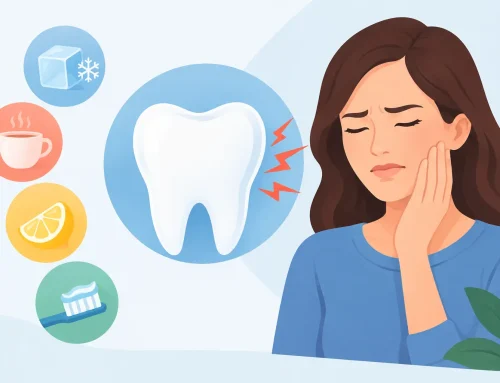
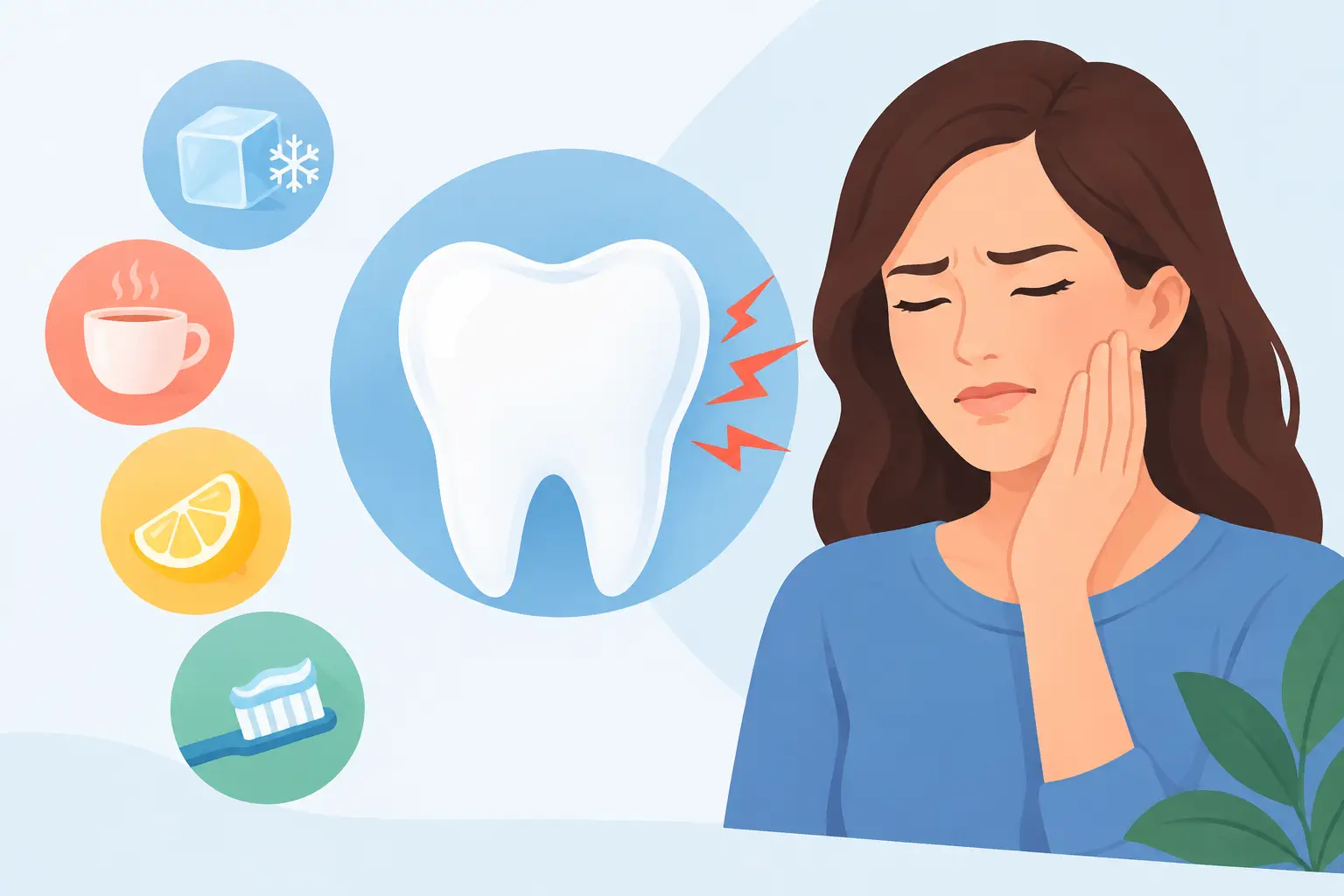
It is wise to pause and schedule an exam if you have tooth pain, bleeding gums, swollen gums, sensitivity that is already frequent, loose restorations, or a cracked tooth. Whitening can temporarily increase sensitivity, and exposed roots may react more strongly than healthy enamel. Addressing the underlying concern first protects your comfort and your oral health.
Children and teens should also speak with a dentist before whitening. Their teeth and gums may still be developing, and the right approach depends on the individual patient.
How to Use Whitening Strips More Safely
Following the package directions is the most effective way to use whitening strips. More time or more applications do not necessarily mean better results. Overusing whitening products can irritate gum tissue and make teeth feel sensitive to cold, air, or sweet foods.
Before applying the strips, gently brush and floss to remove food debris. Avoid aggressive brushing right beforehand, since irritated gums can be more uncomfortable when exposed to whitening gel. Drying the front teeth lightly with a clean tissue can help strips adhere, but avoid rubbing the gums.
Place each strip as directed and press it gently onto the teeth. If excess gel spreads onto your gums, remove it carefully. When the recommended wear time is over, take off the strips, discard them, and rinse your mouth or brush gently if the instructions allow. Do not sleep in strips unless the specific product is designed for overnight use.
If sensitivity develops, taking a short break between treatments may help. A toothpaste made for sensitive teeth can also be useful. However, sharp pain, gum burning, whitening-related discomfort that does not improve, or a sudden change in one tooth’s color are reasons to contact a dental professional rather than push through treatment.
A Healthy Smile Comes Before a Whiter Smile
A professional cleaning may be the best first step when stains are mostly on the surface. Removing plaque and tartar can make teeth look cleaner and brighter without whitening treatment. It also gives your dentist a clearer view of your natural shade and any concerns that could affect your results.
For patients with healthy teeth who want a convenient, lower-cost option, whitening strips can be a reasonable starting point. Choose a reputable product, use it exactly as directed, and give yourself time to see the full effect. Avoid combining multiple whitening products at once unless your dentist recommends it.
For more pronounced discoloration, uneven color, existing dental work, or a history of sensitivity, professional guidance is often the better investment. At Finesse Family Dental, whitening recommendations begin with listening to your goals and evaluating the health of your smile, so treatment can feel as comfortable and personalized as possible.
A brighter smile should never come at the expense of your comfort. Whether you start with strips or choose professional whitening, let the condition of your teeth and gums guide the decision, then enjoy results that look healthy, natural, and genuinely your own.