Seeing pink in the sink after you brush can be unsettling. If you are wondering how to treat bleeding gums, the first step is not to stop brushing altogether – it is to find out why your gums are reacting and respond with gentler, more consistent care.
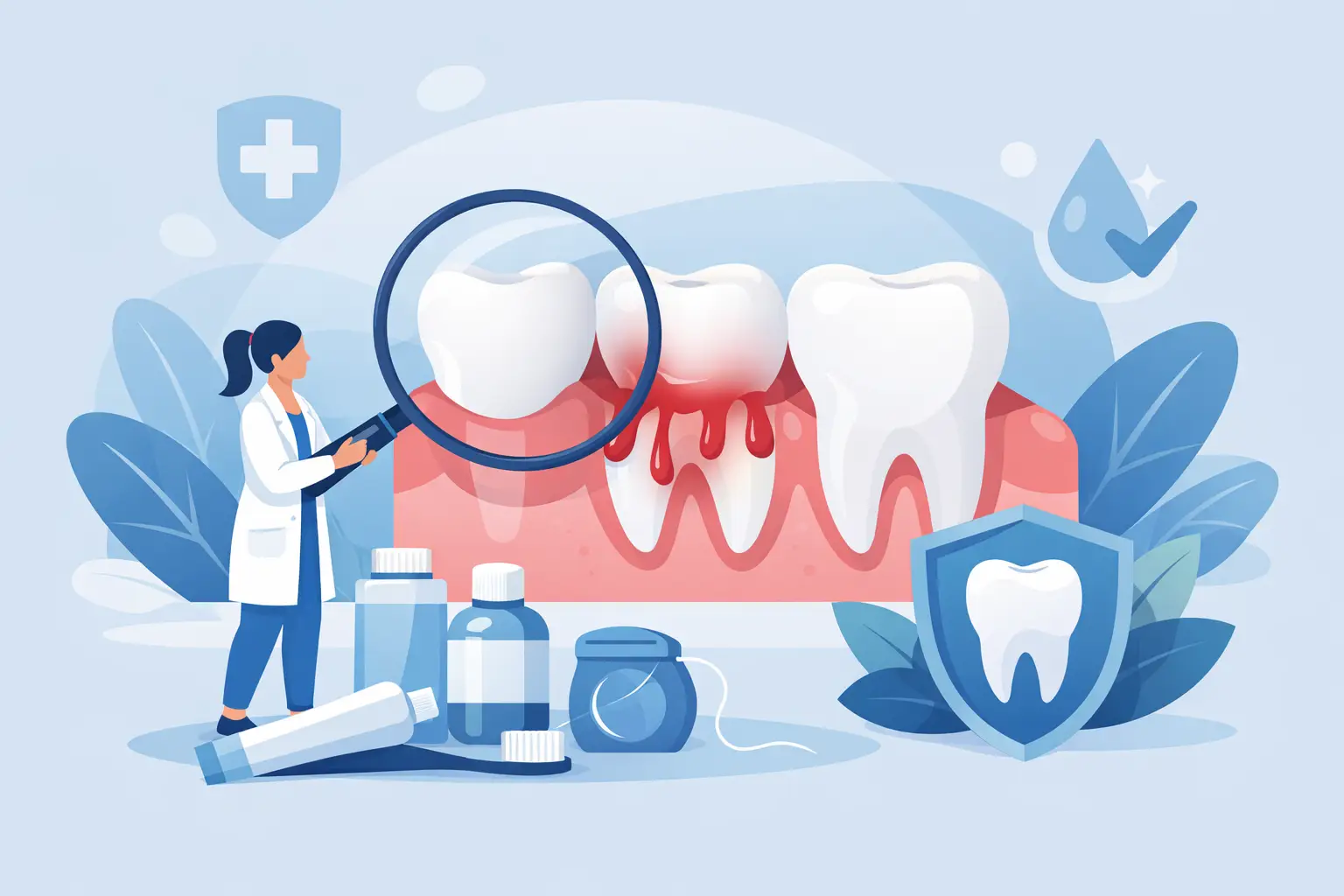
A little bleeding once in a while can happen if you brushed too hard, snapped floss into the gums, or started flossing again after a long break. But if bleeding keeps happening, it usually means inflammation is present. In many cases, that points to gingivitis, the earliest stage of gum disease. The good news is that early gum irritation is often very treatable when you act promptly.
How to treat bleeding gums at home
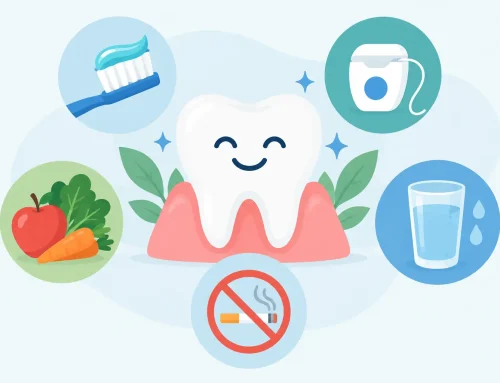
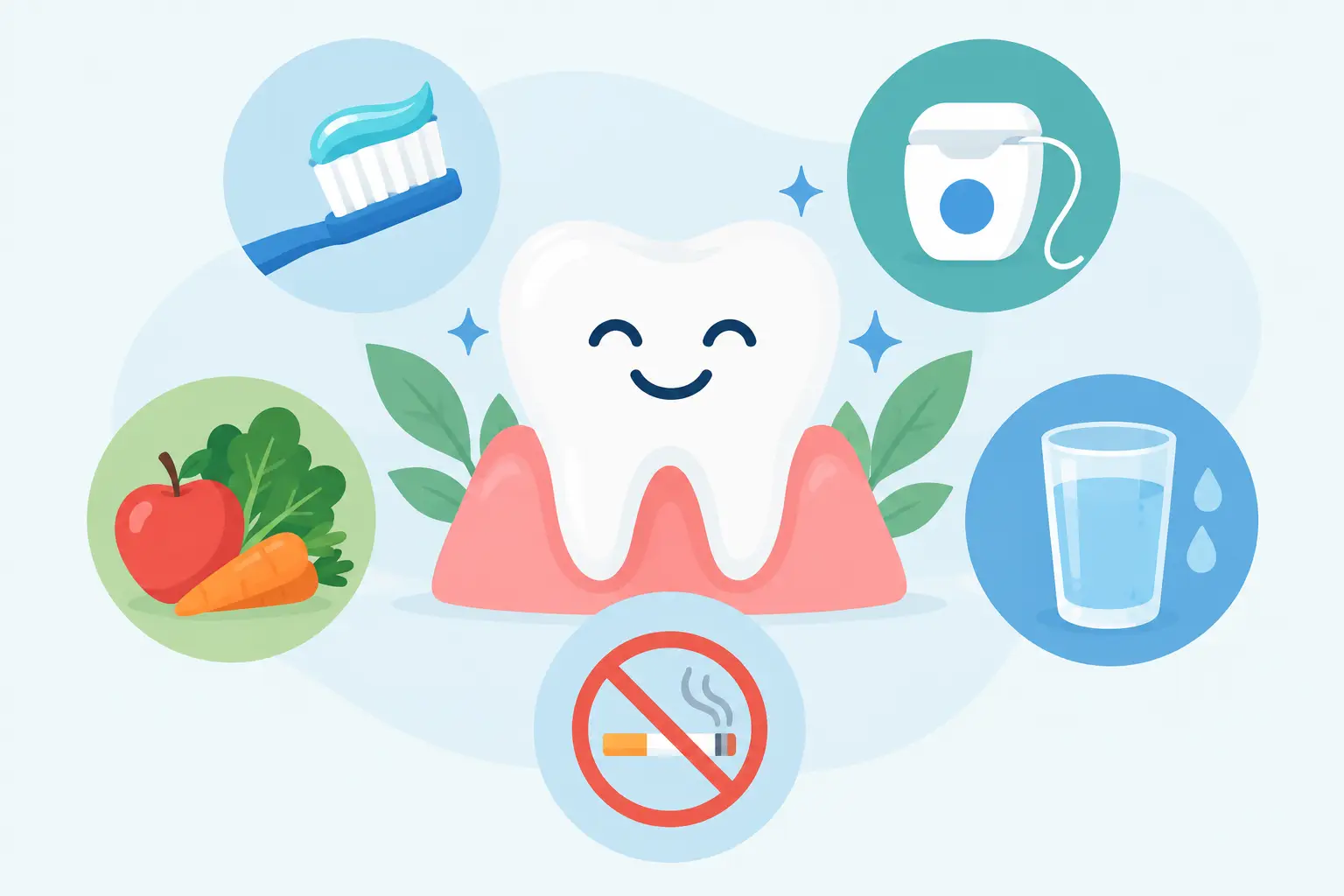
For many people, the best home treatment starts with better technique, not more force. Use a soft-bristled toothbrush and angle the bristles gently toward the gumline. Brush for two full minutes twice a day with small, controlled motions. Scrubbing harder does not clean better. It often makes tender gums more irritated.
Flossing matters just as much, even if your gums bleed when you begin. That can feel backward, but mild bleeding during the first several days of improved flossing is common when plaque has been sitting between the teeth. The key is to be gentle. Slide the floss carefully, curve it around each tooth, and avoid snapping it into the gum tissue.
A warm saltwater rinse can also help calm irritated gums. It will not remove plaque or cure gum disease on its own, but it can soothe the area while your routine improves. Some patients also benefit from an antiseptic mouth rinse, although the right choice depends on the cause of the bleeding and whether there is active gum disease.
If you smoke or use tobacco, this is an important time to stop or cut back. Tobacco can worsen gum inflammation and slow healing, even when daily brushing and flossing improve. The same goes for dry mouth, which can make plaque control harder. Drinking enough water and addressing chronic dryness can help support healthier gums.
Common reasons gums bleed
The most common cause is plaque buildup along the gumline. Plaque is a sticky film of bacteria that forms on teeth every day. If it is not removed thoroughly, the gums become irritated, swollen, and more likely to bleed during brushing or flossing.
Sometimes the cause is mechanical. A new flossing routine, a medium or hard toothbrush, aggressive brushing, or poorly fitting dental work can all trigger bleeding. Hormonal changes during pregnancy may also make gums more reactive. Certain medications, including blood thinners, can contribute as well.
There are also situations where bleeding gums are a sign that more than simple irritation is going on. If your gums look puffy, feel sore, are pulling away from the teeth, or if you notice bad breath that does not improve, you may be dealing with gum disease that needs professional treatment. Occasional bleeding from one sore spot is different from generalized bleeding across the mouth week after week.
When bleeding gums need a dentist’s attention
A brief episode after vigorous flossing is usually not an emergency. Ongoing bleeding is different. If your gums bleed regularly for more than a week, or if the bleeding is paired with swelling, tenderness, gum recession, or loose teeth, it is time to schedule an exam.
This is especially true if you have not had a professional cleaning in a while. Home care is essential, but once tartar has formed below or along the gumline, brushing and flossing alone cannot remove it. Professional hygiene care can clear away the buildup that keeps inflammation going.
For some patients, bleeding gums are the earliest visible sign of periodontal disease. That does not automatically mean advanced damage has occurred, but it does mean early treatment matters. The sooner gum disease is addressed, the better the chance of protecting the bone and tissues that support your teeth.
What a dentist may recommend
Treatment depends on the cause. If the problem is mild gingivitis, a thorough cleaning and improved home care may be enough to get the gums healthy again. Many patients notice a real difference within a couple of weeks when plaque is removed and brushing and flossing become more consistent.
If deeper gum pockets or more advanced inflammation are present, your dentist may recommend periodontal treatment rather than a standard cleaning. That could include a deeper cleaning below the gumline and targeted follow-up visits to monitor healing. In some cases, modern tools can make treatment gentler and more precise, especially for patients who feel nervous about dental care.
Your dentist may also review whether a medication, appliance, crown margin, or filling edge is contributing to gum irritation. Sometimes the issue is not just hygiene. It may be a local factor that traps plaque or rubs against the tissue.
At Finesse Family Dental, patients who are dealing with gum disease can benefit from advanced treatment options designed to improve comfort while addressing infection and inflammation effectively.
How to treat bleeding gums without making them worse
One of the biggest mistakes people make is backing off oral hygiene because they see blood. That response is understandable, but it often allows more plaque to build up and makes the problem worse. The goal is not to stop cleaning. The goal is to clean gently and thoroughly.
Another common mistake is using stronger products too quickly. A harsher mouthwash, whitening toothpaste, or vigorous brushing can irritate already sensitive tissue. If your gums are bleeding, simplify your routine. Stick with a soft brush, careful flossing, and toothpaste made for everyday use unless your dentist suggests something specific.
It is also worth looking at your schedule. If you rush through brushing late at night or skip flossing during busy weeks, your gums often show it before your teeth do. Bleeding is one of the body’s early warnings. Paying attention now can save you from more involved treatment later.
Signs your gums are getting healthier
Healthier gums usually bleed less, look less red, and feel firmer around the teeth. Puffiness starts to go down. Brushing becomes more comfortable. If bleeding began because you restarted flossing, you may see improvement within several days to two weeks.
That said, progress is not always immediate. If gum inflammation has been present for a long time, healing can take longer, especially if tartar buildup or deeper pockets are involved. Improvement with home care is a good sign, but complete resolution often depends on having the teeth and gums professionally evaluated.
Preventing bleeding gums long term
The most reliable prevention plan is simple: brush well twice a day, clean between your teeth daily, keep up with professional cleanings, and do not ignore small changes. Gums rarely start bleeding for no reason. They usually respond to plaque, irritation, or inflammation that has been building quietly.
Routine dental visits are what keep small gum problems from turning into bigger ones. For families, that matters even more. When parents stay on top of preventive care, children are more likely to build the same habits early. For busy adults, regular checkups can catch gum issues before they become painful, expensive, or harder to treat.
If you wear aligners, retainers, bridges, or other dental appliances, your cleaning routine may need a little more attention. These treatments can improve your smile and function, but they also create extra surfaces where plaque can hide. A personalized hygiene plan makes a difference.
Bleeding gums are common, but they should not be brushed off as normal. If your gums bleed once, take it as a cue to be gentler and more consistent. If they keep bleeding, let it be the reason you get answers. Healthy gums do not just support your teeth – they support your confidence every time you smile.