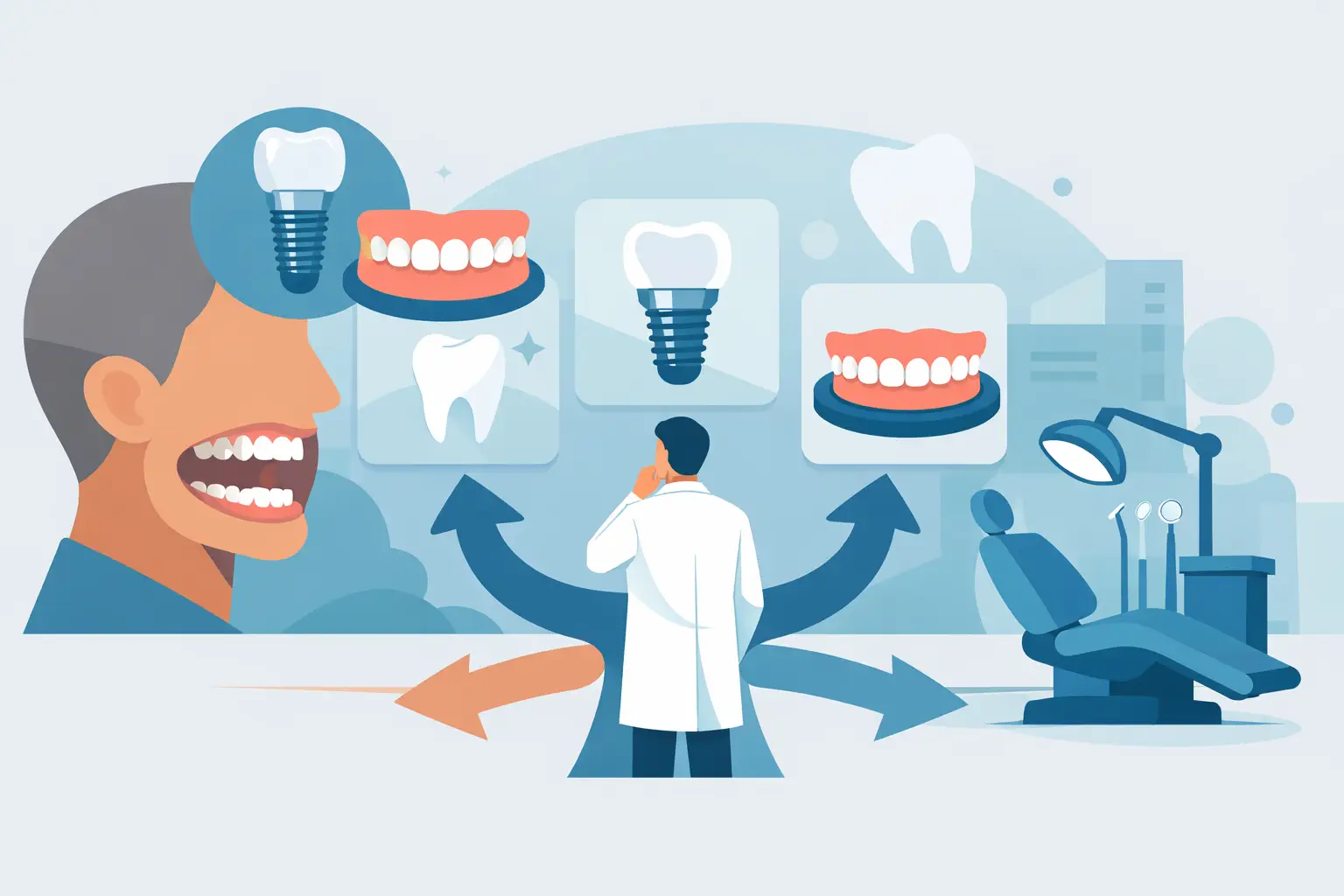
If chewing feels uneven, older dental work keeps failing, or you avoid smiling because several problems have piled up at once, it may be time to see a full mouth rehabilitation dentist. This type of care is not about one filling or one crown. It is a carefully planned approach to rebuilding comfort, function, and appearance when your mouth needs more than a single fix.
For many patients, the hardest part is knowing where to start. You may have worn teeth, missing teeth, gum issues, bite problems, or a mix of all four. In that situation, patchwork treatment often leads to more frustration. A thoughtful rehabilitation plan looks at the whole picture so each step supports the next one.
What a full mouth rehabilitation dentist actually does
A full mouth rehabilitation dentist evaluates how your teeth, gums, bite, jaw function, and existing dental work all work together. The goal is to restore oral health in a way that lasts, not simply to repair the most obvious problem and hope everything else cooperates.
That usually means your treatment plan is customized. One patient may need crowns to rebuild worn teeth and improve bite balance. Another may need gum therapy first, followed by implants or bridges to replace missing teeth. Someone else may need a combination of root canal treatment, extractions, dentures, veneers, or bite correction. The right plan depends on the condition of your mouth, your symptoms, your goals, and your budget.
This is why full mouth rehabilitation is different from cosmetic dentistry alone. Cosmetic treatment focuses mainly on appearance. Rehabilitation can improve appearance too, often dramatically, but function and health come first. If your bite is unstable or gum disease is active, those issues need to be addressed before the smile design part can really succeed.
When full mouth rehabilitation may be the right choice
Some patients know right away that they need comprehensive care. Others have lived with gradual changes for years and assume their situation is just something they have to tolerate. In reality, several signs can point to the need for a more complete evaluation.
You may benefit from seeing a full mouth rehabilitation dentist if you have multiple missing teeth, teeth that are badly worn down, repeated fractures, chronic jaw soreness, difficulty chewing, advanced decay, or old dental work that is breaking down in several areas. Patients with long-term grinding habits often fall into this category too, especially when the teeth have become shorter, more sensitive, or visibly flattened.
Gum disease can also be part of the picture. If the foundation of the smile is unhealthy, simply placing new restorations without managing the gums can lead to disappointing results. In more complex cases, treatment needs to happen in phases so the mouth becomes healthy enough to support lasting repair.
There is also an emotional side that matters. Many people seeking this kind of care have delayed treatment because of fear, cost concerns, embarrassment, or busy schedules. That is common, and it should not stop you from moving forward. A good dental team will meet you where you are and help break a large problem into manageable steps.
What to expect during a full mouth rehabilitation consultation
The first visit should feel thorough, not rushed. A dentist planning comprehensive rehabilitation needs enough information to make careful decisions. That usually includes an exam, digital imaging, a review of your dental and medical history, and a conversation about your symptoms and priorities.
You might come in focused on replacing a missing tooth, only to learn that your bite has shifted or your surrounding teeth are under too much stress. You might be concerned about appearance, while the dentist identifies infection or gum problems that need attention first. That kind of conversation is valuable because it sets realistic expectations from the beginning.
A strong consultation should also cover sequencing. In many cases, treatment is not done all at once. You may start by treating pain, infection, or gum disease. Then the dentist may stabilize the bite, replace missing teeth, rebuild worn areas, and refine esthetics after function is restored. The order matters.
At Finesse Family Dental, patients often appreciate having a wide range of services available in one office because complex care is easier when planning is coordinated. It can reduce the stress of visiting multiple providers and make the process feel more consistent from start to finish.
How treatment planning works
The best rehabilitation plans are detailed but flexible. Detailed, because every tooth and every restoration affects the others. Flexible, because real life matters too. Sometimes the ideal long-term plan needs to be staged over time for financial or scheduling reasons.
A dentist may recommend several treatment options based on your needs. For example, a missing tooth could be replaced with an implant, a bridge, or in some cases a removable option. Worn teeth might be restored with crowns, onlays, bonding, or a combination. If your bite is collapsing due to grinding, protecting the restored teeth with a night guard may be part of the plan as well.
There are trade-offs in every case. Implants can feel very natural and help preserve bone, but they require healing time and adequate bone support. Bridges may be completed faster in certain situations, but they rely on neighboring teeth. Dentures can restore appearance and basic function, though they may not feel as stable as fixed options. A trustworthy dentist explains those differences clearly instead of pushing one solution for everyone.
Why experience and technology both matter
Comprehensive dental treatment calls for good judgment. Experience matters because complex cases rarely follow a perfect script. A dentist must be able to recognize patterns, anticipate problems, and design a plan that fits the patient rather than forcing the patient into a standard formula.
Technology matters too, but it should support care, not replace thoughtful diagnosis. Digital imaging, modern restorative materials, and advanced periodontal treatment tools can improve precision and comfort. For patients, that often means better communication, more predictable planning, and a smoother experience overall.
Still, the human side is just as important. A patient facing full mouth rehabilitation may already feel overwhelmed. Clear explanations, gentle treatment, and respect for the patient’s pace can make a major difference. Clinical skill gets the case done. Trust helps the patient stay with the process.
How to choose the right full mouth rehabilitation dentist
When comparing providers, look beyond whether a dentist offers the service in name. Ask whether the office routinely handles complex restorative cases and whether treatment can be coordinated efficiently. Breadth of services can be a real advantage because problems involving teeth, gums, function, and esthetics often overlap.
You should also pay attention to communication style. Does the dentist explain why certain steps come first? Are alternatives discussed honestly? Do you feel heard when you describe pain, anxiety, timing concerns, or budget limits? Good comprehensive care is collaborative. You should leave with more clarity, not more confusion.
Practical details matter as well. Insurance compatibility, appointment availability, and continuity of care can shape your experience more than many people expect. For busy families and working professionals, being able to handle preventive, restorative, and cosmetic needs in one established office can save a great deal of time and stress.
The result patients are really looking for
Most people do not walk into a dental office asking for a rehabilitation plan because the phrase sounds impressive. They come in because something is no longer working. They want to eat comfortably, stop worrying about the next broken tooth, feel confident in photos, and trust that their dental health is finally moving in the right direction.
That is what the right treatment should deliver. Not perfection for its own sake, but a healthier mouth that feels stable, looks natural, and supports daily life with less discomfort and less uncertainty.
If you think your dental concerns may be too extensive for a simple fix, that is often the clearest sign to start with a comprehensive evaluation. The right full mouth rehabilitation dentist can help turn a long list of problems into a step-by-step plan that feels possible.