A tooth can look mostly fine from the outside and still be too weak to handle normal biting and chewing. That is often where a crown comes in. If you have ever asked what is a dental crown, the short answer is this: it is a custom-made covering that fits over a damaged or weakened tooth to restore its shape, strength, and appearance.
For many patients, the word crown sounds more complicated than the treatment really is. In practice, a dental crown is one of the most common and reliable ways to save a tooth that might otherwise keep breaking down. It can also improve comfort, help you chew more normally, and make a worn or misshapen tooth look more natural.
What Is a Dental Crown?
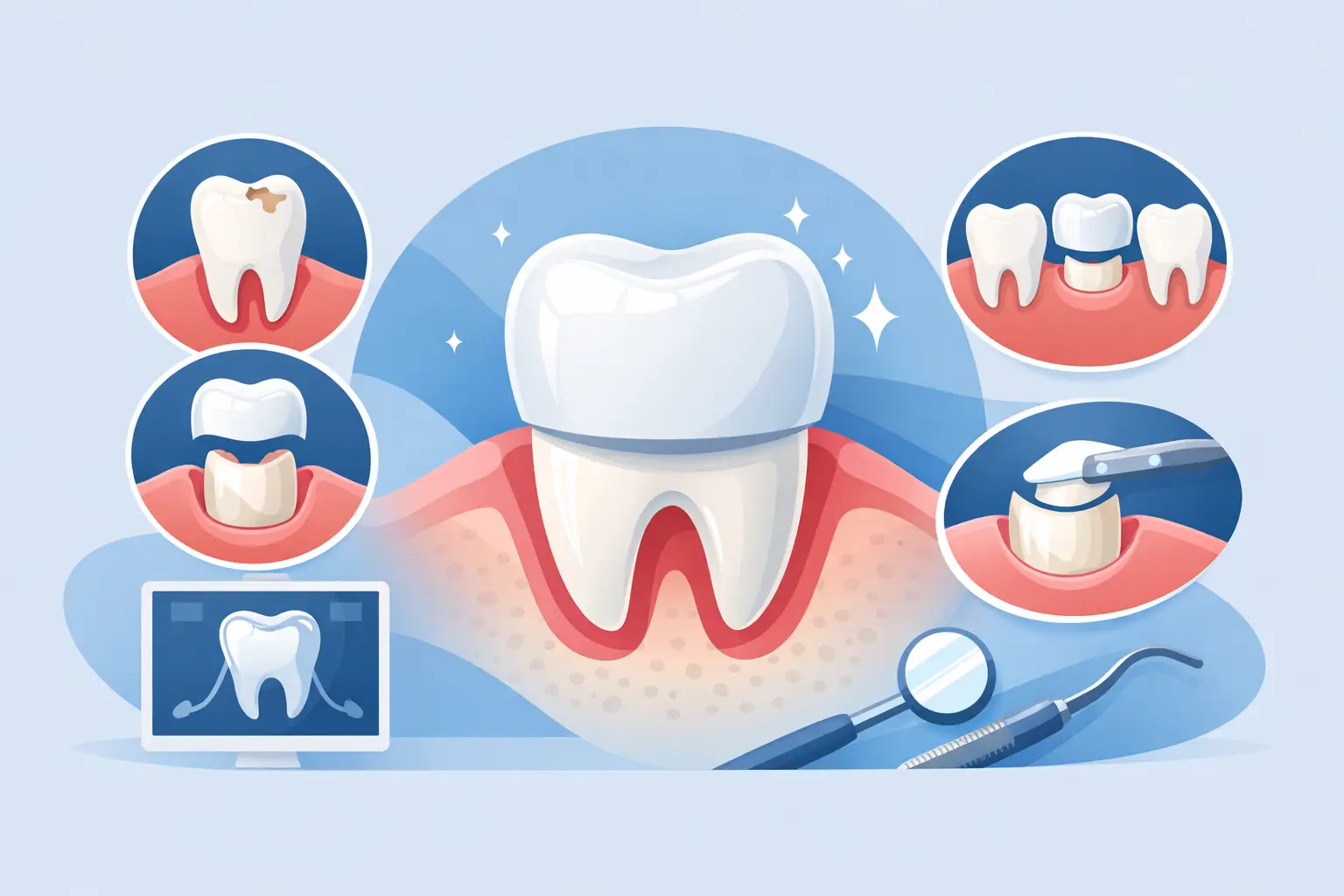
A dental crown is a tooth-shaped restoration that covers the visible part of a tooth above the gumline. Once it is bonded into place, it acts like a protective outer shell. The goal is not just cosmetic, although appearance matters. A crown is also designed to reinforce the tooth underneath so it can function more like a healthy tooth again.
Crowns are commonly used when a filling is no longer enough. If a tooth has a large cavity, a crack, heavy wear, or has already had a root canal, there may not be enough strong tooth structure left to depend on a standard filling alone. In those cases, covering the tooth can be the better long-term solution.
A crown can also be placed for cosmetic reasons, such as improving the shape or color of a tooth, but that depends on the specific situation. If a less invasive option can do the job well, your dentist may recommend that first.
When Is a Dental Crown Needed?
There is no single reason every patient needs a crown. Treatment depends on how much healthy tooth remains, where the tooth is located, and how much force it handles every day.
A crown may be recommended if a tooth has a large filling that is failing or leaving the remaining tooth weak. It may also be used after a root canal, especially on a back tooth that takes strong chewing pressure. Teeth with cracks, fractures, severe wear, or major decay are also common candidates.
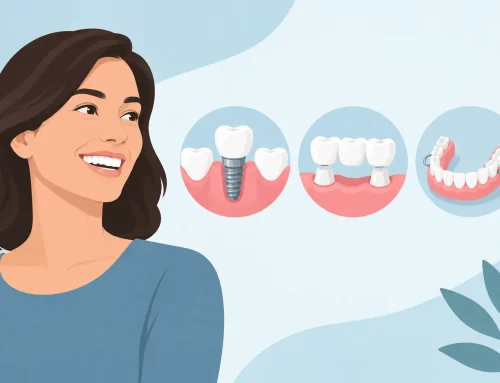
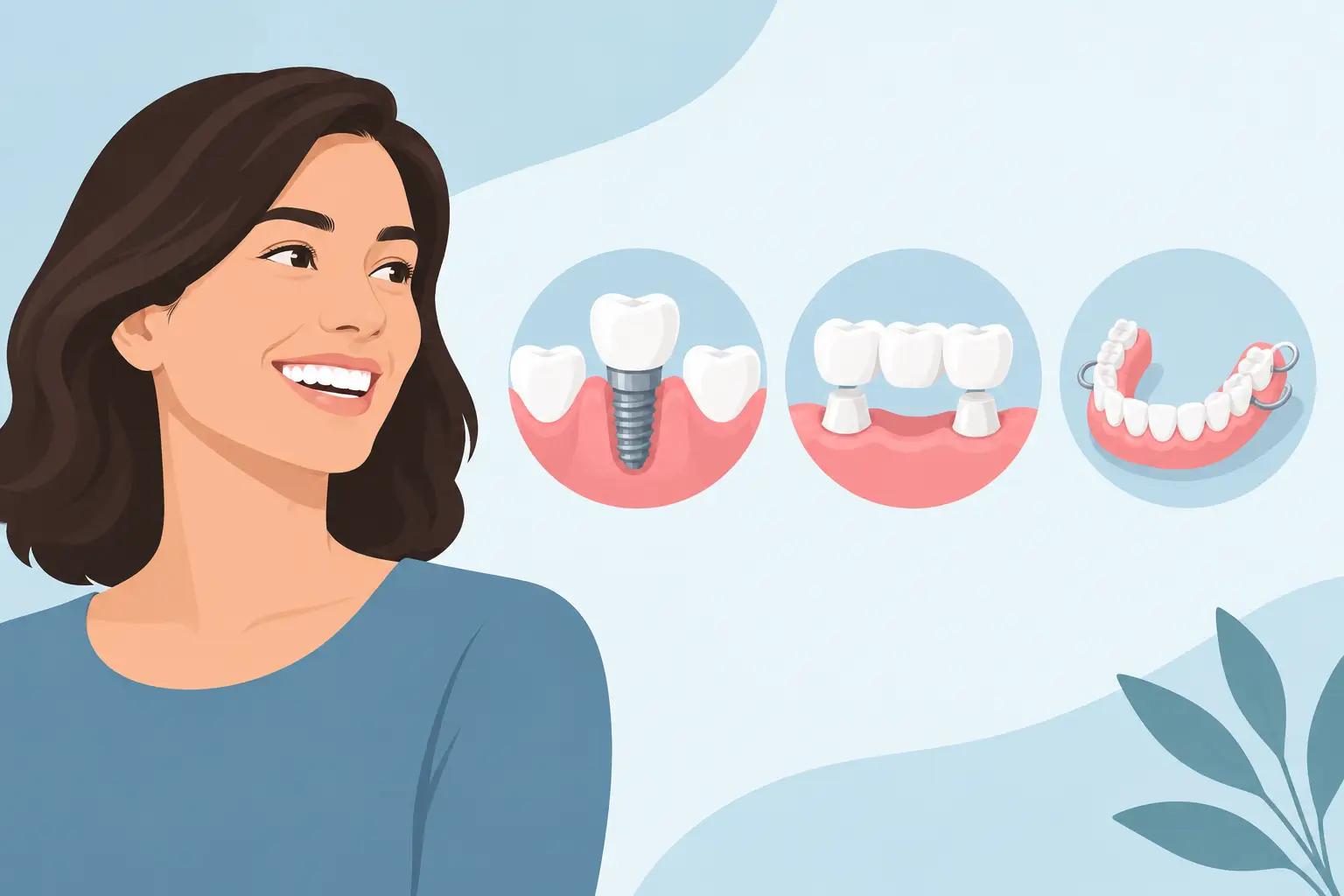
Sometimes the issue is not pain but prevention. A tooth may still feel manageable, but if it keeps chipping or has lost too much structure, waiting can raise the risk of a more serious break later. In other cases, a crown is part of a larger restorative plan, such as topping a dental implant or anchoring a bridge.
Why a Crown Can Be Better Than a Filling
A filling repairs a smaller area of damage. A crown protects the whole outer surface of the visible tooth. That difference matters when the remaining tooth is too fragile to support another filling.
Imagine a wall with a small crack versus a wall with major structural damage. Patching works for the first problem. Reinforcement is needed for the second. In dental care, placing a large filling in a badly weakened tooth can sometimes lead to more fracture over time. A crown distributes biting forces more evenly and helps protect what is left.
That said, more treatment is not always better treatment. If a tooth can be restored predictably with a filling or inlay, many dentists prefer to preserve as much natural tooth structure as possible. Good care is personalized care.
Types of Dental Crowns
If you are wondering what is a dental crown made of, the answer depends on the tooth and your goals. Crowns can be made from several materials, and each has advantages.
Porcelain or ceramic crowns are popular because they can look very natural. They are often a strong choice for front teeth and can also work well in other areas when appearance matters. Porcelain-fused-to-metal crowns combine a tooth-colored outer layer with a metal base for support. Metal and gold alloy crowns are known for durability, though they are less common when patients want a natural-looking smile.
Zirconia crowns have also become a widely used option because they offer a good balance of strength and appearance. For back teeth, strength may be the biggest priority. For front teeth, shade matching and translucency often matter more. Your dentist will usually recommend a material based on function, bite, location, and esthetics rather than using the same option for everyone.
What the Dental Crown Process Looks Like
Most crown treatment is straightforward. First, the tooth is examined, often with X-rays, to make sure it can support a crown and that the surrounding bone and gums are healthy enough for treatment.
The tooth is then shaped to create room for the crown. If part of the tooth is missing, it may be built up first so the final restoration has a stable foundation. After that, impressions or digital scans are taken so the crown can be made to fit your bite and smile.
In many cases, you will wear a temporary crown while the permanent one is being made. At the next visit, the final crown is checked for fit, bite, shape, and color before it is bonded into place.
Patients often worry this will be painful. In reality, the tooth is numbed during preparation, and most people do very well. Some mild soreness or temperature sensitivity afterward can happen, but it usually settles quickly.
How Long Does a Crown Last?
A crown is durable, but it is not indestructible. Many last for years, and some last much longer with good care. The exact lifespan depends on the material, the amount of pressure on the tooth, oral hygiene habits, and whether you clench or grind.
Bruxism, chewing ice, biting nails, or using teeth as tools can shorten the life of a crown. Gum health matters too. Even though the crown itself cannot get a cavity, the tooth underneath still can, especially around the edge where the crown meets natural tooth structure.
Regular exams help catch small issues early, such as wear, margin leakage, or bite problems. That is one reason ongoing preventive care matters so much after restorative treatment.
Caring for a Crown at Home
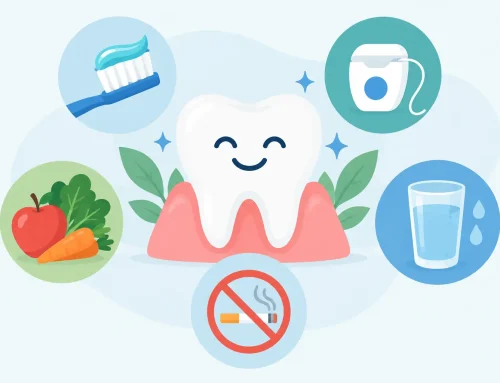
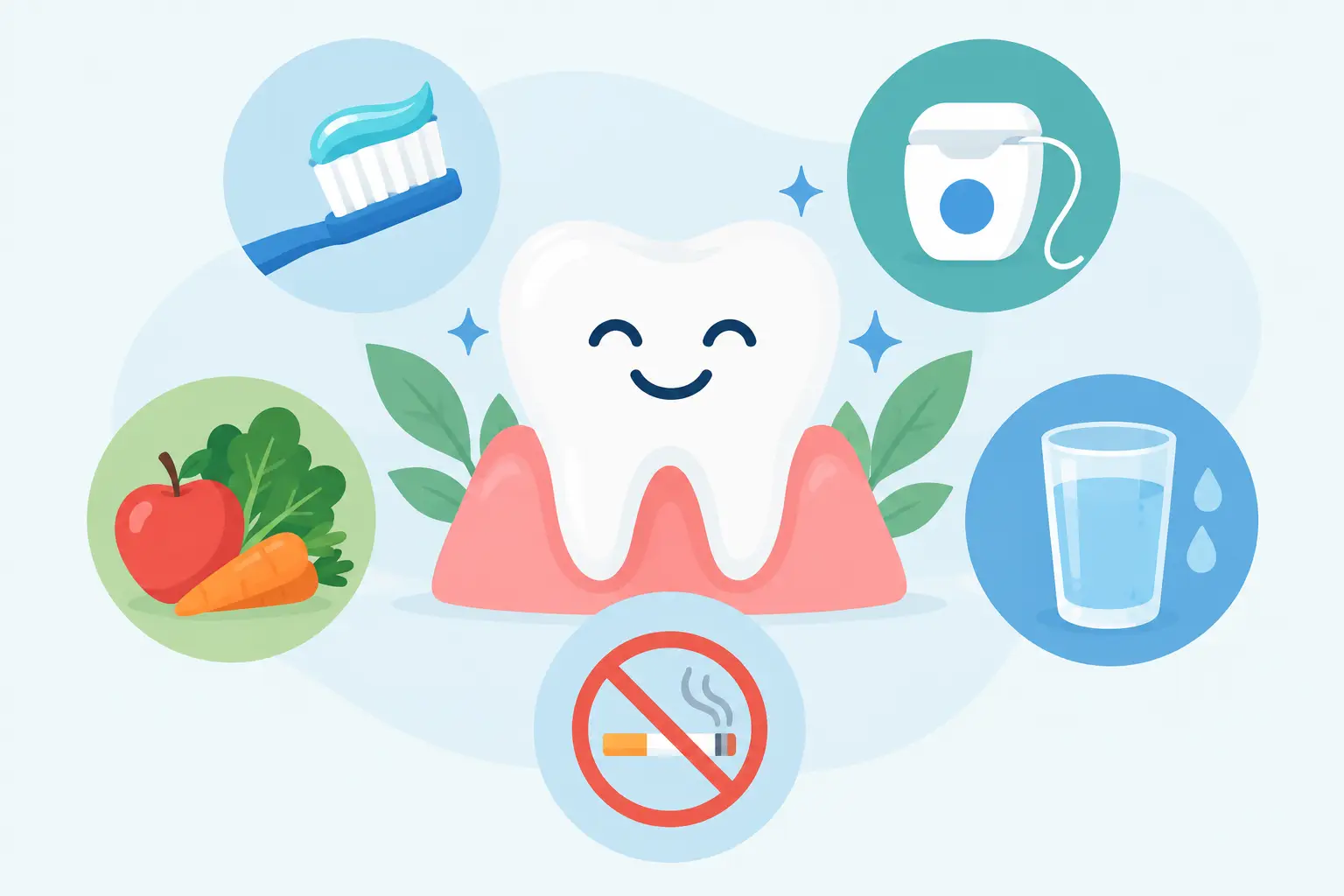
Caring for a crown is much like caring for a natural tooth. Brush thoroughly twice a day, floss daily, and pay close attention to the gumline around the crown. That edge is where plaque tends to collect.
If you grind your teeth at night, a night guard may help protect both your crown and your natural teeth. If you notice a crown feels loose, high when you bite, or sensitive for longer than expected, it is best to have it checked rather than waiting.
Good habits make a difference. Even a beautifully made crown needs healthy gums and a clean environment to last.
What Is a Dental Crown Compared With Other Options?
Patients often ask how a crown compares with a veneer, filling, or implant. These treatments solve different problems.
A filling repairs a smaller area of decay or damage. A veneer covers the front surface of a tooth and is usually chosen for cosmetic improvement rather than major structural support. A crown covers the full visible tooth and is used when more protection is needed. An implant replaces a missing tooth entirely, while a crown can be attached to an implant as the visible replacement tooth.
The right option depends on whether the tooth is still present, how damaged it is, and what result you need functionally and cosmetically. That is why a careful exam matters more than guessing based on symptoms alone.
When to Ask About a Crown
You do not need to wait until a tooth breaks to ask whether a crown may help. If you have pain when chewing, a tooth with a large old filling, repeated chipping, or a tooth that recently had root canal therapy, it is worth having it evaluated.
For families and busy professionals, one of the biggest benefits of modern dentistry is that treatment planning can often be done efficiently and clearly. At Finesse Family Dental, the goal is not to push a one-size-fits-all solution. It is to explain what the tooth needs, what your options are, and how to restore your comfort and confidence with as little stress as possible.
If a crown is recommended, that usually means your tooth is still worth saving – and that is often very good news. Protecting a natural tooth before the problem gets worse can spare you more time, cost, and discomfort later. A simple conversation with your dentist can tell you whether a crown is the right next step.