A lot of parents ask the same question after their teen brings up straighter teeth – will they actually wear the trays, and will the results be as good as braces? Clear aligners for teens can be an excellent option, but they are not the right fit for every smile or every personality. The best choice usually comes down to treatment needs, consistency, and how much support a teen will have at home.
For many families, the appeal is easy to understand. Aligners are subtle, removable, and generally easier to clean around than brackets and wires. Teens often like that they can smile in photos, play instruments, and go to school without feeling self-conscious about metal braces. Parents usually appreciate the comfort and convenience. Still, the fact that aligners come out is both their biggest benefit and their biggest test.
How clear aligners for teens work
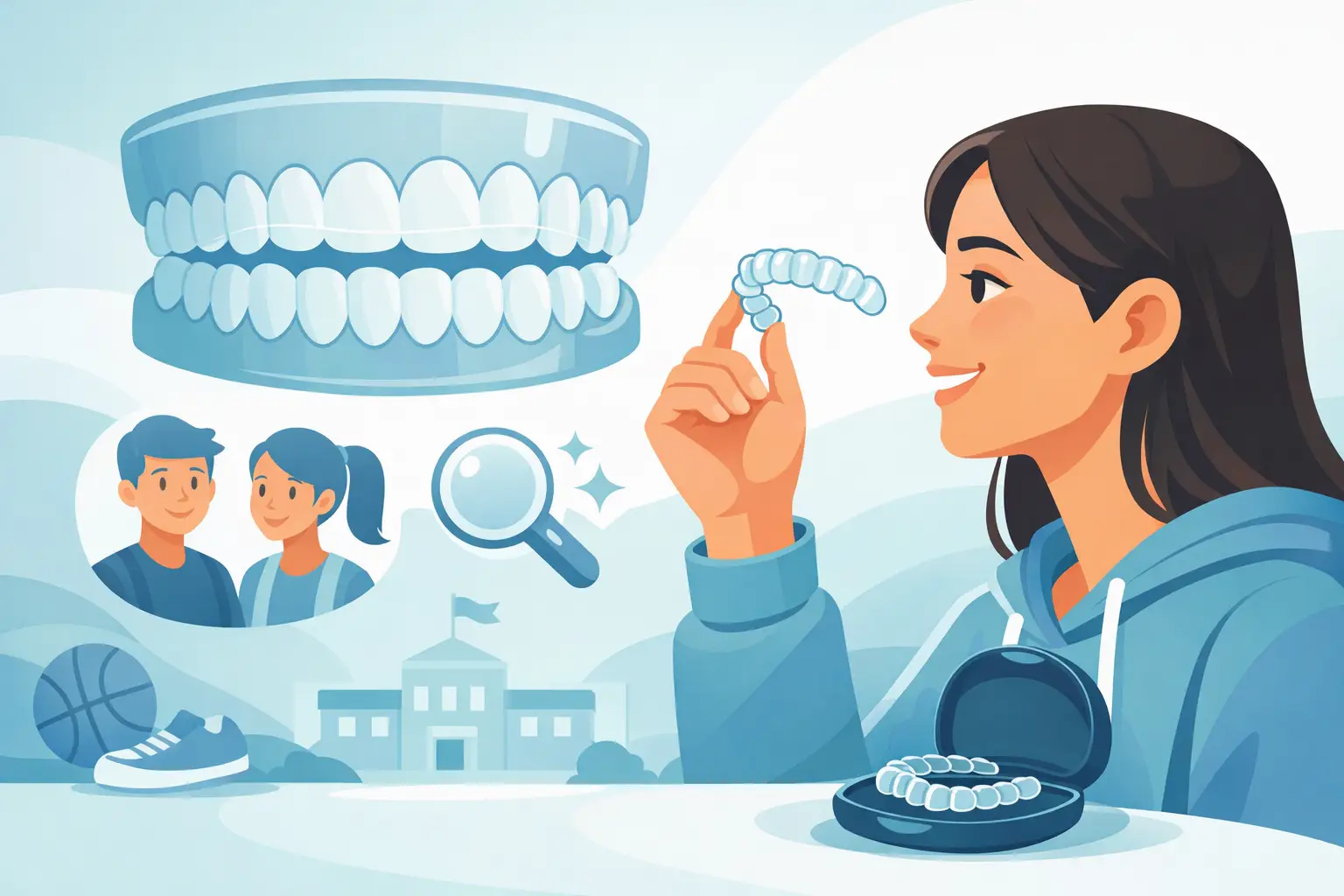
Clear aligners use a series of custom trays to move teeth gradually into better positions. Each set is worn for a specific period, often about one to two weeks, before switching to the next. The trays apply gentle pressure in planned stages, and the treatment is monitored through regular dental visits.
For teens, the basic process is similar to adult aligner treatment, but there are a few differences. A dentist will look closely at whether the teen still has baby teeth, how much jaw growth is left, and whether the bite problem is simple or more complex. Some cases respond very well to aligners, especially mild to moderate crowding, spacing, and certain bite concerns. More involved orthodontic issues may still be better treated with braces or a combined approach.
That is why a good exam matters so much. A treatment plan should not be based on appearance alone. Digital scans, bite analysis, and a careful look at oral health all help determine whether aligners will work predictably.
Why teens and parents often prefer aligners
The biggest reason families choose aligners is appearance. Teen years can be socially intense, and many patients feel more comfortable wearing clear trays than traditional braces. That confidence boost is not a small thing. When teens feel better about treatment, they are often more willing to stick with it.
Comfort is another major advantage. Aligners do not have brackets that can rub the cheeks or wires that may need emergency adjustment after breaking. There can still be soreness when switching trays, but it tends to feel like pressure rather than irritation.
Oral hygiene is also easier with removable trays. Brushing and flossing are more straightforward because nothing is attached to the teeth. That can lower the risk of plaque buildup around brackets and make it easier for teens to keep their smile healthy during treatment. For busy families balancing school, sports, and activities, fewer disruptions can make a real difference.
Food is one more area where aligners feel simpler. There are no restrictions on crunchy, sticky, or chewy foods because the trays are removed before eating. Of course, that only helps if the teen remembers to put them back in right away.
When clear aligners for teens may not be the best choice
Aligners only work when they are worn as directed, usually 20 to 22 hours a day. That is the part parents should take seriously. A responsible teen who follows instructions can do very well with aligners. A teen who loses things, forgets routines, or resists wearing them may not.
This is where personality matters as much as tooth movement. Some teens are incredibly motivated because they want a straighter smile and like having a low-profile option. Others start strong and then get inconsistent once the novelty wears off. Missed wear time can slow progress, affect results, and sometimes lengthen treatment.
There are also clinical limits. Severe crowding, significant bite correction, impacted teeth, or more complex jaw-related issues may be better managed with braces. Aligners are powerful, but they are not magic. A trustworthy dental team will explain when they are a great fit and when another treatment would be more reliable.
What parents should ask before starting
A consultation should leave you with a clear picture of both the benefits and the day-to-day responsibility. Ask whether your teen is a good candidate based on bite, growth, and overall oral health. Ask how long treatment is expected to take, how often trays need to be changed, and what happens if trays are lost or not worn enough.
It is also smart to ask how progress will be monitored. Regular check-ins matter because small issues are easier to correct when caught early. You should also understand whether attachments will be placed on the teeth. These are small tooth-colored bumps that help the trays grip and move certain teeth more effectively. They are common and useful, but teens should know about them ahead of time.
Parents often ask about cost too, and that is reasonable. Clear aligners can be comparable to braces in some cases, but fees vary depending on how complex the case is and how long treatment is expected to take. Insurance may help if orthodontic benefits apply, so it is worth checking your plan details before starting.
Daily life with teen aligners
The teens who do best with aligners usually build simple habits early. They take trays out only for meals and brushing, store them properly instead of wrapping them in a napkin, and clean them every day. These are small routines, but they protect the treatment from avoidable setbacks.
Parents can help without turning the process into a constant argument. A few reminders at the beginning can go a long way, especially after lunch, sports practice, or late-night snacks. Many families find that once the routine becomes normal, the treatment feels much less demanding.
Hydration and hygiene matter too. If a teen drinks sugary beverages while wearing trays, the liquid can sit against the teeth longer than it should. Water is the safest option while aligners are in. Good brushing and flossing are still essential because healthy teeth and gums respond better during orthodontic treatment.
Braces vs. aligners for teens
This is not really about which option is better in a general sense. It is about which option is better for a specific teen.
Braces have one big advantage – they stay on. That means compliance is less of a factor, which can be helpful for younger or less consistent patients. Braces can also be a stronger choice for more complicated tooth movements. On the other hand, they are more visible, can make brushing and flossing harder, and often come with more food restrictions.
Aligners offer flexibility, comfort, and a more discreet look. They are especially appealing for teens involved in school events, sports, performances, or social activities. But they require maturity. If your teen is likely to leave trays out for hours or misplace them often, braces may actually be the smoother path.
A careful evaluation gives the best answer. At Finesse Family Dental, that conversation should feel practical and honest, not pushy. Families deserve to understand what will work best, not just what sounds most appealing at first.
Signs your teen may be a good candidate
Some teens are especially well suited for aligner treatment. They usually care about the appearance of their smile, follow routines reasonably well, and are willing to wear trays as instructed. They also have orthodontic concerns that fall within a range aligners can predictably treat.
It also helps if there is strong family support. Parents do not need to supervise every hour, but involvement matters. Keeping appointments, replacing lost trays quickly, and encouraging good habits can keep treatment on track.
A healthy mouth is another part of readiness. Cavities, gum irritation, or poor brushing habits should be addressed before orthodontic treatment begins. Straightening teeth works best when the foundation is healthy.
The bigger picture beyond straight teeth
For many teens, orthodontic treatment is not only about appearance. Better alignment can make brushing and flossing easier, improve bite function, and reduce some types of uneven wear on teeth. That does not mean every crooked tooth is causing major harm, but it does mean treatment can support both confidence and long-term oral health.
The emotional side matters too. A teen who feels good about their smile may smile more, speak more comfortably, and move through school and social situations with a little more ease. That kind of confidence is hard to measure, but parents often notice it.
If you are considering clear aligners for teens, the most helpful next step is not guessing from photos online. It is getting a thoughtful exam, asking direct questions, and choosing a plan that fits your teen as a whole person – not just their teeth. The right orthodontic treatment should feel manageable, effective, and supportive from the first visit on.