A lot of patients ask the same question right after getting a new smile back: how long do dentures last, really? The short answer is that it depends on the type of denture, how well it fits, and how consistently it is cared for. In general, most dentures last several years, but they do not last forever.
That can be frustrating to hear at first. Dentures are a major investment in comfort, appearance, and daily function. But with the right expectations and regular dental checkups, you can usually get many good years from them while avoiding the irritation, looseness, and breakage that often happen when people wait too long to have them evaluated.
How long do dentures last on average?
Most full and partial dentures last about 5 to 10 years before they need replacement. Some patients get a little more time out of them, while others need adjustments or replacement sooner. The denture itself is made from durable materials, but your mouth does not stay exactly the same over time.
Your gums and underlying bone naturally change shape, especially after teeth have been removed. As that happens, a denture that once felt secure can start to shift, rub, or lose its natural appearance. So when people ask how long do dentures last, the better answer is this: the denture material may hold up for years, but the fit often changes before the denture is truly “worn out.”
Immediate dentures, which are placed soon after extractions, often need to be relined or replaced sooner because the gums and bone change quickly during healing. Conventional dentures made after the mouth has healed may have a longer stable life, but they still need periodic evaluation.
What affects how long dentures last?
Several factors can shorten or extend the life of a denture. Daily care matters, but it is only one piece of the puzzle.
The fit of the denture
A well-made denture that fits properly tends to wear more evenly and cause fewer sore spots. A poor fit can lead to friction, pressure points, and even damage to the denture base over time. If you find yourself using more adhesive than usual, that is often a sign the fit needs attention.
Changes in your mouth
Bone loss and gum shrinkage are normal after tooth loss. These changes happen gradually, which is why some people do not realize how much their denture fit has changed until eating and speaking become harder. Even a denture that looks fine can become less functional as your mouth changes underneath it.
The type of denture
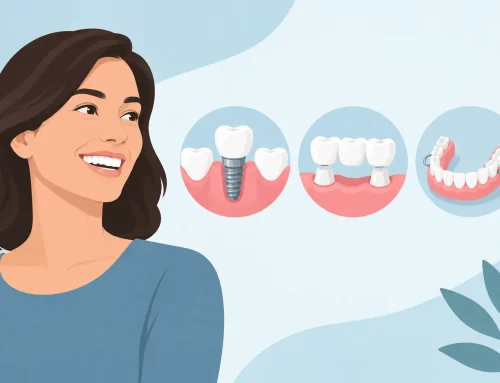
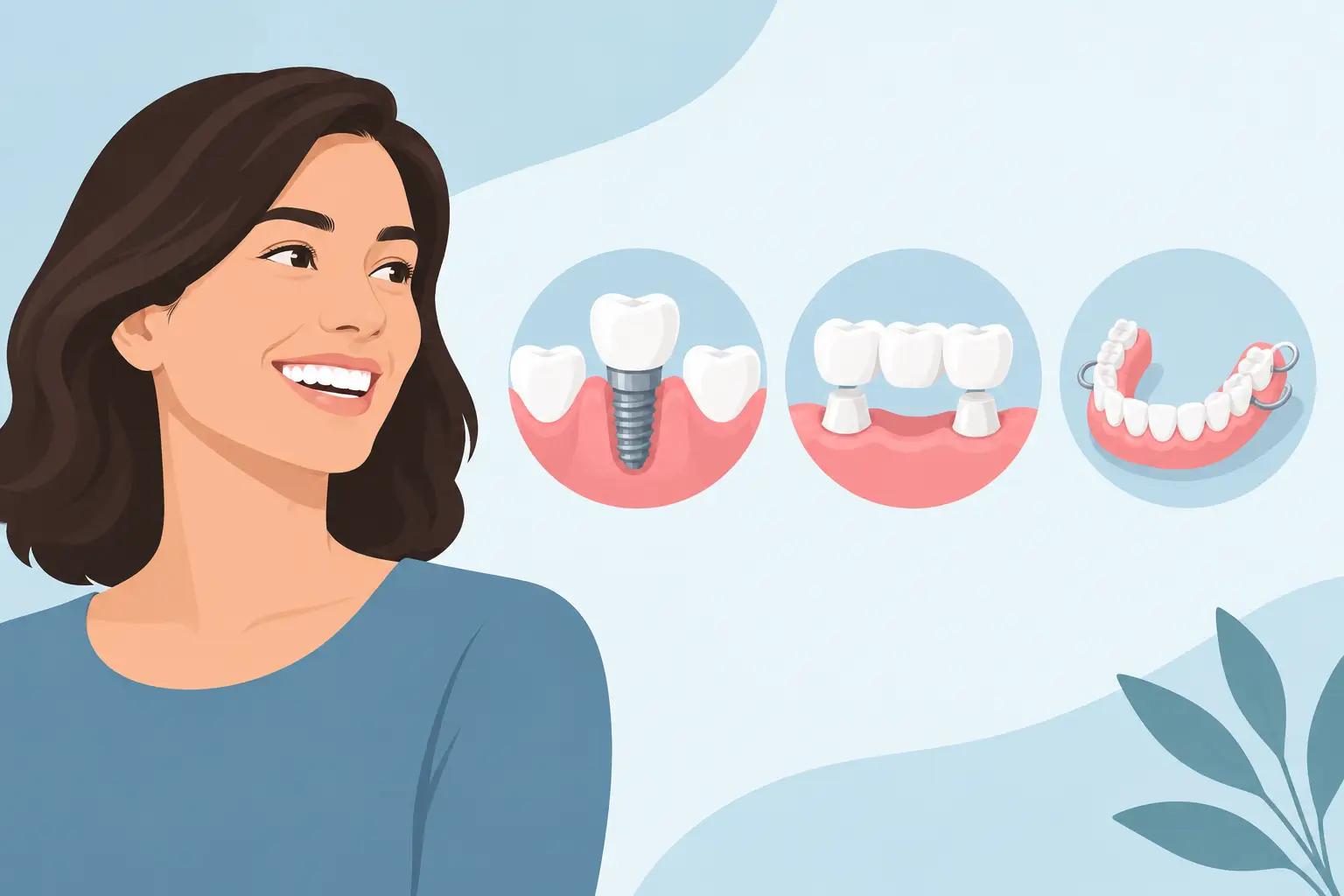
Acrylic full dentures, metal partial dentures, and implant-supported dentures all have different wear patterns. Some are more stable than others. Implant-supported options often feel more secure and may reduce some of the shifting that comes with traditional dentures, but the prosthetic parts still need maintenance and may need replacement over time.
Cleaning habits
Dentures need regular cleaning, but they also need gentle handling. Harsh toothpaste, hot water, and dropping them in the sink are all common reasons dentures wear out or break sooner than expected. A denture can look sturdy, but it can crack if it is bent or dropped.
Grinding and bite pressure
Some patients clench or grind without realizing it, especially at night. That extra pressure can speed up wear on the teeth of the denture and strain the base. If your bite is uneven, certain areas may wear down much faster than others.
Signs your dentures may need to be replaced
Many people assume replacement only matters if a denture breaks in half. In reality, the warning signs usually start much earlier.
If your dentures feel loose, click when you talk, or move while you chew, the fit may no longer be reliable. If you are getting recurring sore spots, irritation, or gum inflammation, the denture may be rubbing in the wrong areas. If your face looks slightly sunken or your bite feels different, the denture may no longer be supporting your mouth the way it should.
Appearance matters too. Over time, denture teeth can stain, flatten, or look less natural. That may not sound urgent, but worn denture teeth can affect chewing efficiency and facial support, not just cosmetics.
Cracks, chips, or repaired areas are another reason to schedule an exam. A denture that has already been repaired may still work for a while, but repeated damage often means replacement is the better long-term solution.
Relining, repairing, or replacing – what is the difference?
Not every denture problem means you need a completely new one. Sometimes a smaller fix is enough.
A reline adjusts the inner surface of the denture so it fits your gums better. This is common when your mouth has changed shape but the denture is otherwise in good condition. Relines can improve comfort and stability without starting over from scratch.
A repair addresses damage like a crack, chip, or broken clasp. Repairs can be very helpful, especially if the denture has been functioning well and the issue is isolated.
Replacement is usually the best choice when the denture is old, worn down, poorly fitting, repeatedly repaired, or no longer supporting your bite and facial structure properly. In some cases, patients live with an uncomfortable denture for years because they think all looseness is normal. It is not.
How to help dentures last longer
You cannot stop all natural changes in the mouth, but you can do a lot to protect your dentures and extend their useful life.
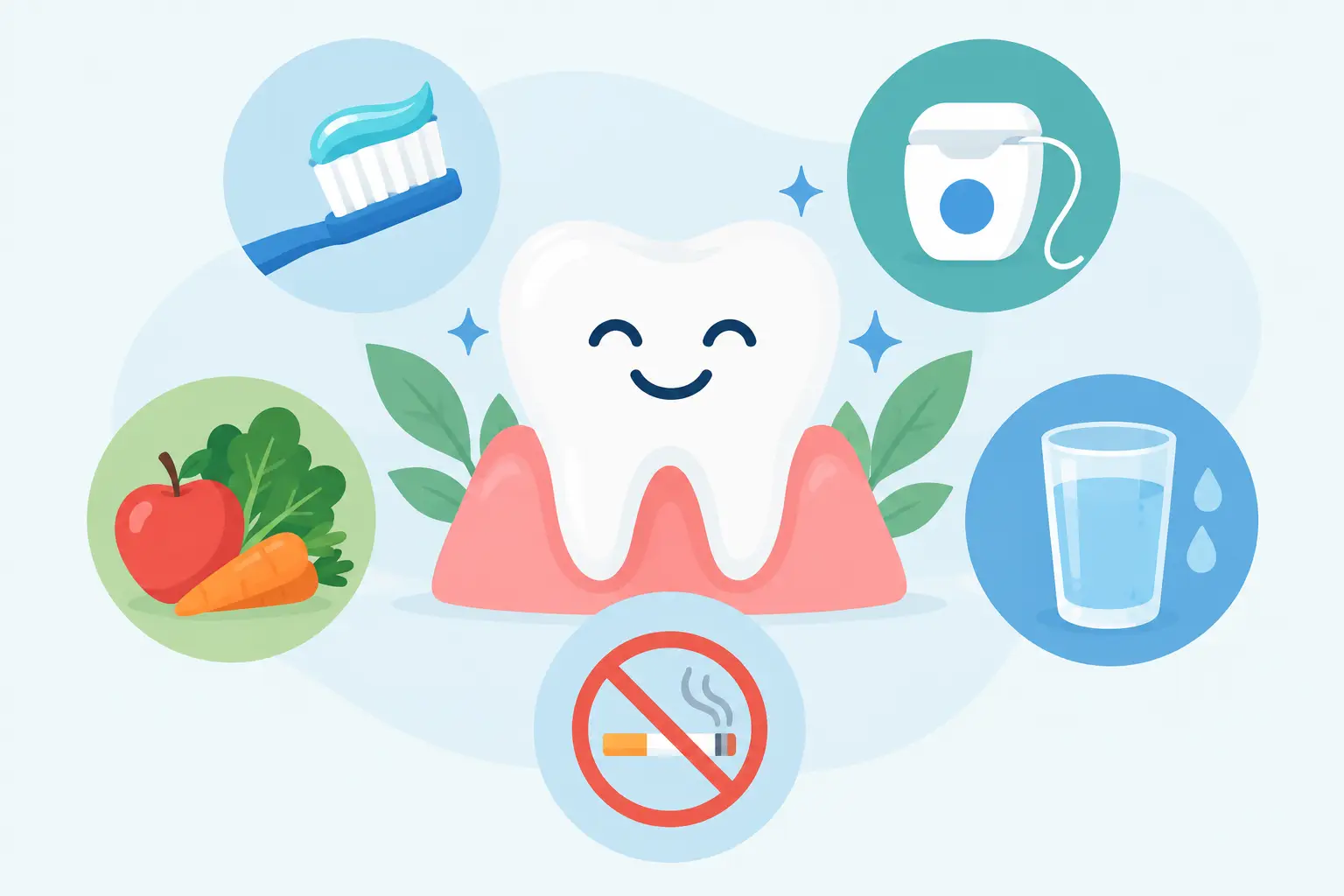
Clean them daily with products designed for dentures, not regular toothpaste, which can be abrasive. Rinse them after meals when possible. Handle them over a folded towel or a sink filled with water so they are less likely to break if dropped.
Do not wear them around the clock unless your dentist has specifically told you to do so. Giving your gums a break can reduce irritation and support oral tissue health. Store dentures properly when they are out of your mouth so they do not dry out or warp.
Regular dental visits are just as important for denture wearers as they are for patients with natural teeth. Your dentist can check the fit, look for tissue changes, screen for oral health concerns, and catch problems before they turn into pain or a fracture.
How long do partial dentures last compared with full dentures?
Partial dentures often fall into a similar 5 to 10 year range, but they come with their own considerations. Because they connect around natural teeth, their lifespan can be affected by changes in those supporting teeth and gums.
If the natural teeth develop decay, gum disease, or movement, the partial may stop fitting correctly even if the appliance itself is still intact. That is one reason partial denture patients need excellent home care and routine exams. Protecting the remaining teeth helps protect the denture too.
Metal framework partials may last longer structurally than all-acrylic designs, but comfort and fit still depend on what is happening in the mouth over time.
When should you schedule a denture check?
If your dentures are uncomfortable, slipping, or causing visible irritation, do not wait. Even mild symptoms can become bigger problems if the fit keeps getting worse. A denture that shifts while chewing can make eating difficult, and constant rubbing can lead to sore tissue.
Even if everything feels fine, it is smart to have dentures checked regularly. Subtle wear and gradual fit changes are easy to miss day to day. A professional exam can tell you whether a simple adjustment will help or whether it is time to start planning for replacement.
At Finesse Family Dental, we see many patients who have simply gotten used to a denture that no longer fits the way it should. Once it is adjusted or replaced, they often realize how much easier eating, speaking, and smiling can feel.
The best denture is not just the one that lasts the longest. It is the one that continues to fit well, feel comfortable, and support your confidence as your needs change over time. If something feels off, trust that instinct and have it checked. A small update now can make everyday life a lot easier.