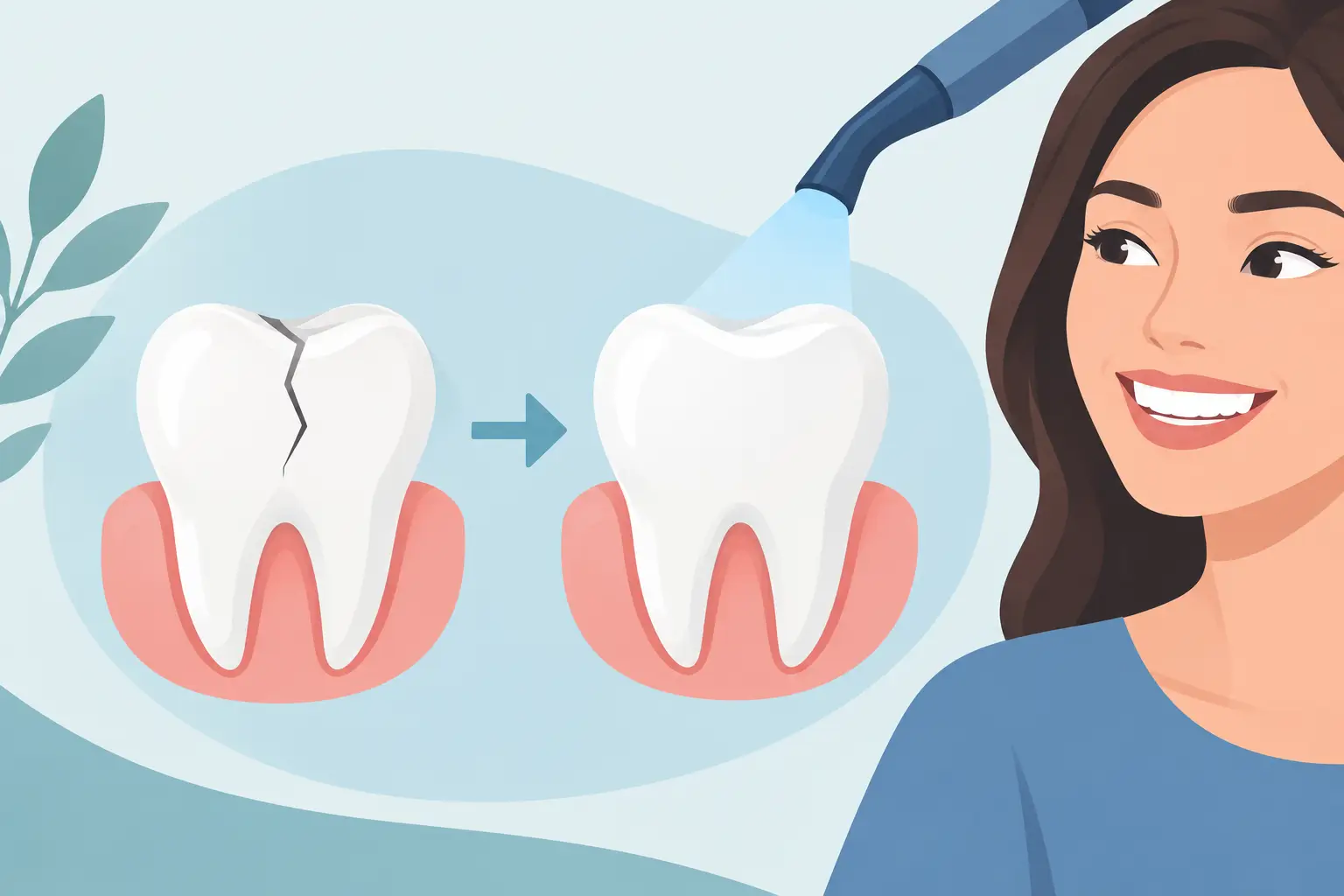
A tooth can crack when you bite something unexpectedly hard, clench during a stressful week, or chew on a filling that has quietly weakened over time. The trouble is that a crack does not always announce itself with severe pain. Sometimes it shows up as a quick sting when you release your bite, sensitivity to cold, or discomfort that seems to come and go. Prompt cracked tooth repair can often protect the tooth before the damage becomes more complex.
If you have pain when chewing, a visible line in a tooth, or a chipped area that feels sharp, it is wise to schedule a dental evaluation soon. A cracked tooth will not heal on its own, and continuing to bite on it can allow the crack to deepen. Gentle, timely care gives your dentist the best opportunity to preserve your natural tooth and restore comfortable function.
Why a Cracked Tooth Deserves Attention
Teeth are remarkably strong, but they are not indestructible. Large or aging fillings, repeated grinding or clenching, trauma, and chewing hard foods can place stress on enamel. Temperature changes can also cause a damaged tooth to expand and contract slightly, making a small crack more noticeable over time.
Not every line on a tooth requires the same treatment. Fine surface lines in enamel, often called craze lines, are common and may be largely cosmetic. A crack that extends into the tooth, however, can create a pathway for bacteria and irritate the inner pulp, where the tooth’s nerve and blood supply are located.
The goal is not simply to make the tooth look better. The right treatment helps stabilize the remaining structure, reduce sensitivity, and prevent a fracture from spreading below the gumline. Early care is generally more conservative than waiting until a tooth breaks or develops an infection.
Signs You May Need Cracked Tooth Repair
Cracked teeth can be difficult to identify because symptoms are often intermittent. You may feel fine at breakfast and then notice a sharp twinge later in the day. Call your dentist if you experience pain when biting or releasing your bite, sensitivity to hot, cold, or sweets, swelling or tenderness around one tooth, or a rough, sharp, or visibly broken edge.
Pain that lingers after heat or cold can indicate that the pulp has become inflamed. Swelling, a pimple-like bump on the gums, or facial swelling needs prompt attention, especially when accompanied by fever or difficulty swallowing. Those symptoms can signal infection and should not be managed by waiting it out.
Even without pain, a broken filling, lost piece of tooth, or new dark line in a tooth is worth evaluating. Some cracks are easier to treat before they become symptomatic.
What to Do Before Your Appointment
Until you are seen, try to avoid chewing on the affected side. Choose softer foods, and avoid ice, hard candy, popcorn kernels, nuts, and sticky foods that can pull at a weakened tooth. If temperature triggers pain, room-temperature drinks and foods may feel more comfortable.
Rinse gently with warm water to keep the area clean. If an edge is irritating your tongue or cheek, dental wax can provide temporary coverage. Over-the-counter pain medication may help when used as directed on the label and when appropriate for your health history. Do not place aspirin directly on the tooth or gums, as it can burn soft tissue.
If part of the tooth comes off, save the piece if you can and bring it to your appointment. Do not try to glue it back in place. A temporary repair kit from a store may seem convenient, but it is not a substitute for a diagnosis and can make professional treatment more difficult if it seals in debris or bacteria.
How a Dentist Determines the Best Treatment
A dental exam for a suspected crack is more detailed than simply looking at the tooth. Your dentist may ask what triggers the pain, examine the tooth under magnification, test your bite, check the gums, and take X-rays. Very small cracks do not always appear on an X-ray, but imaging can reveal changes around the root, decay, or problems beneath an existing restoration.
Treatment depends on where the crack is, how far it extends, whether the nerve is involved, and how much healthy tooth structure remains. This is why two people with what appears to be a similar chip may need very different care.
A small chip or shallow crack may be repaired with tooth-colored composite bonding. This conservative material can rebuild a missing corner, smooth a sharp area, and blend naturally with the tooth. Bonding is often completed in one visit, though it may not be the best long-term choice for a heavily loaded back tooth.
For a larger crack or a tooth weakened by a sizable filling, an inlay, onlay, or crown may be recommended. These restorations cover and support vulnerable areas of the tooth, helping distribute biting forces more evenly. A crown is often the preferred option when the tooth needs protection on multiple surfaces or when the crack could worsen without full coverage.
If the crack has reached the pulp, root canal treatment may be needed before the tooth is restored with a crown. Root canal treatment removes infected or inflamed tissue from inside the tooth while allowing the natural root to remain in place. Modern treatment is carefully planned to keep patients comfortable, and it can be an important step in saving a tooth that might otherwise be lost.
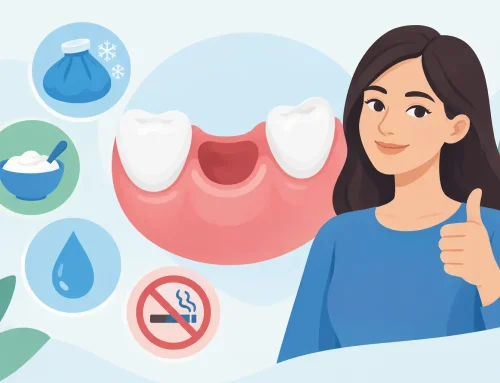
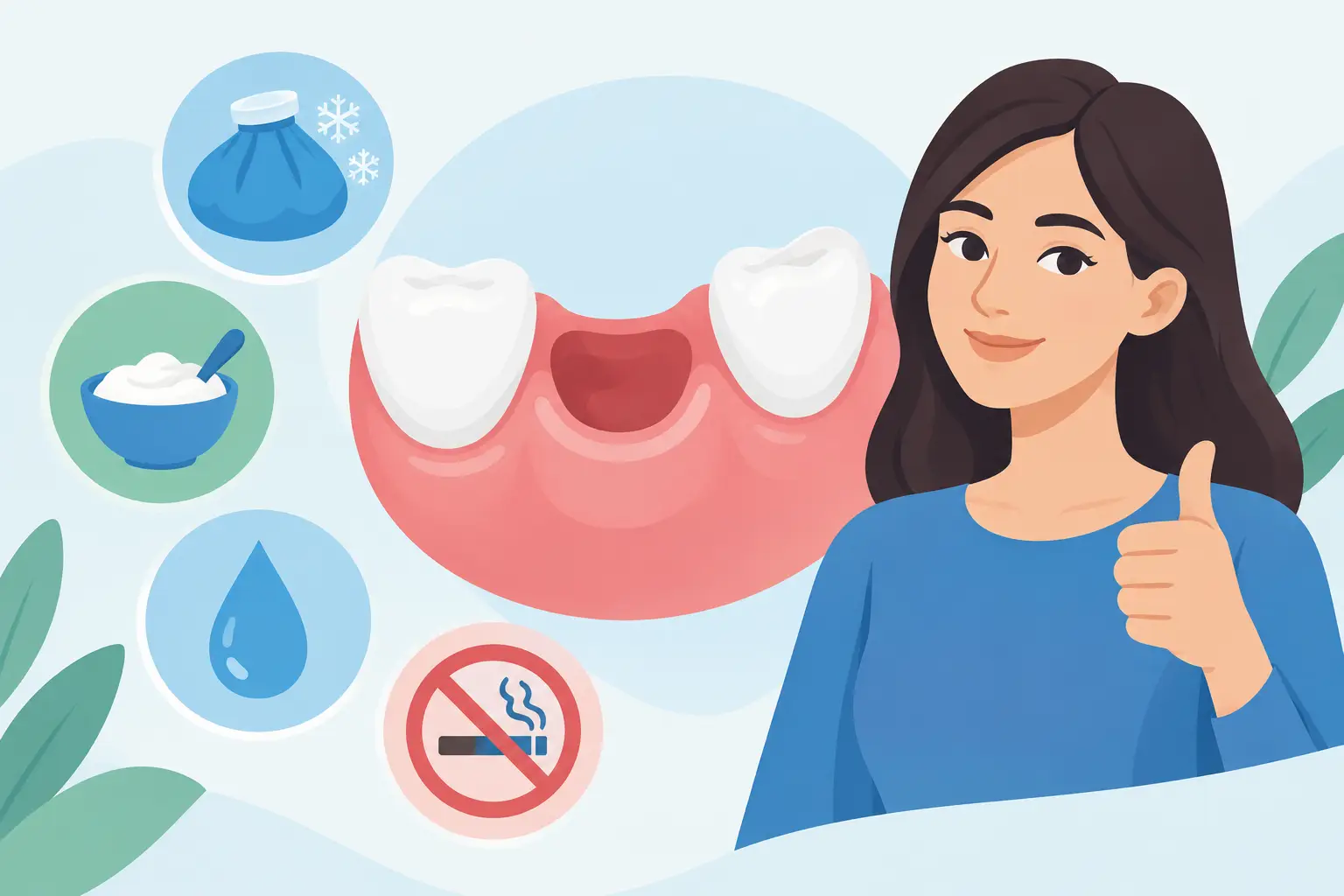
Unfortunately, some cracks extend deeply below the gumline or split a tooth into separate sections. In those cases, the tooth may not be repairable. Extraction can be the healthiest option, followed by a discussion of replacement choices such as a dental implant, bridge, or partial denture. While this is never the first choice when a tooth can be saved predictably, replacing a non-restorable tooth can protect your bite and help prevent nearby teeth from shifting.
The Value of Treating a Crack Early
It can be tempting to postpone care if the pain fades. But pain often changes because the crack is changing, not because the problem has resolved. A tooth may become less sensitive after the nerve is damaged, while infection continues to develop quietly.
Early treatment may mean a smaller restoration and fewer appointments. Waiting can turn a repairable crack into a root canal situation, a fractured tooth, or an extraction. There is no benefit to assuming a painful tooth will settle down on its own, particularly if the discomfort returns whenever you chew.
For Fremont families, receiving diagnosis and restorative care in one familiar office can also reduce stress during an already uncomfortable situation. At Finesse Family Dental, treatment recommendations are based on the condition of the individual tooth, your comfort, and the long-term result rather than a one-size-fits-all approach.
Can You Prevent Another Cracked Tooth?
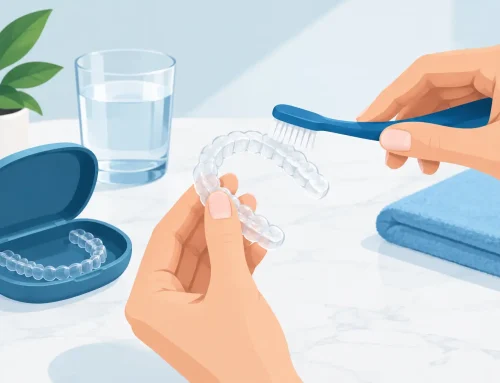
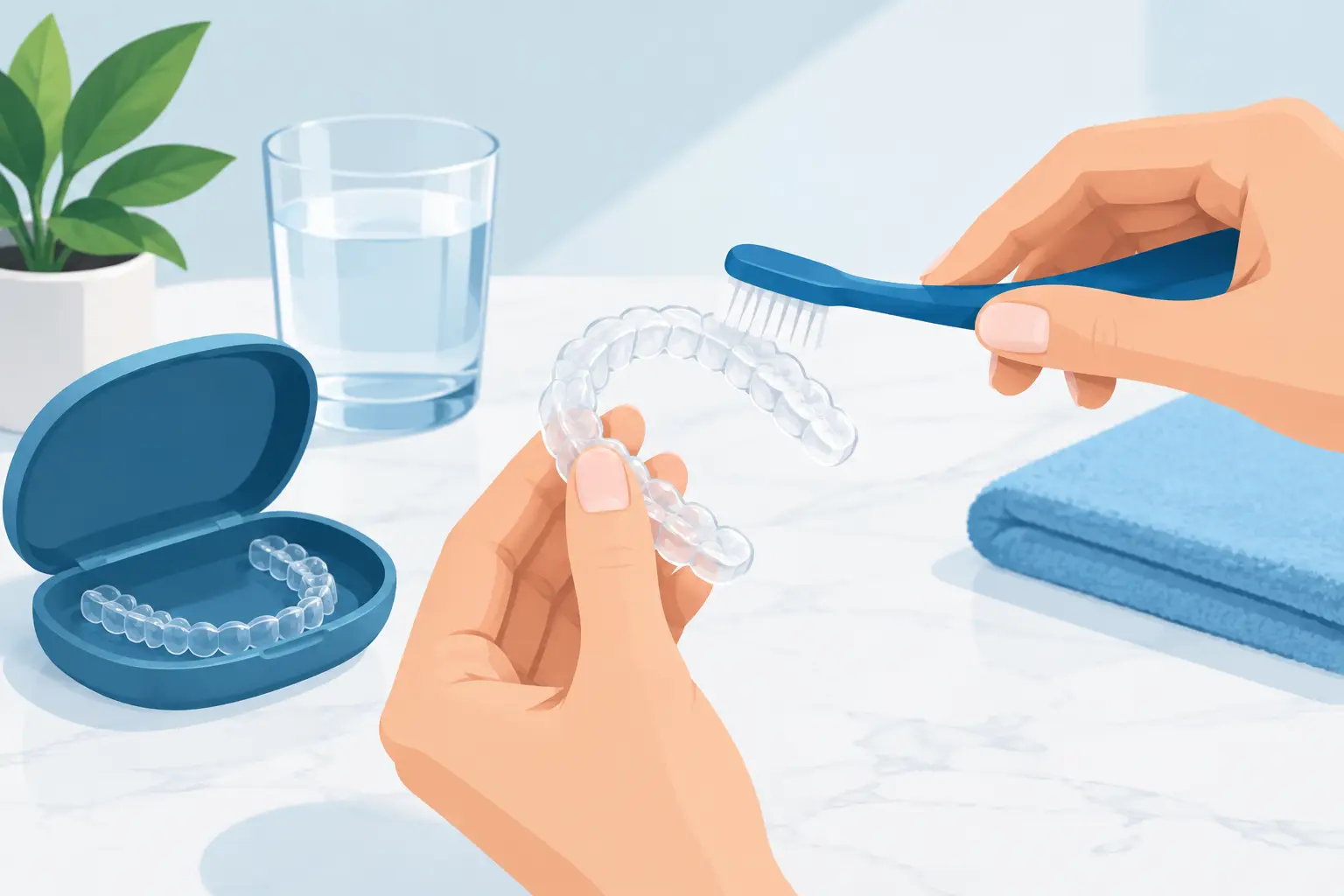
Prevention is not always possible, especially after an accident, but a few habits can lower the risk. Avoid using teeth to open packages or hold objects. Be mindful with hard foods, particularly around teeth with large fillings, crowns, or previous root canal treatment. If you grind or clench, a custom night guard can cushion the teeth and reduce overnight stress.
Regular exams are also valuable because they allow your dentist to monitor older restorations and identify wear before it turns into a fracture. If a tooth repeatedly feels sore when you chew, mention it even if there is no obvious crack. That small detail can help guide an earlier diagnosis.
A cracked tooth can feel unsettling, but you do not need to decide on treatment alone. Paying attention to the first signs, protecting the tooth from further pressure, and arranging an evaluation can give your smile the strongest possible chance of staying healthy and whole.