A missing tooth changes more than your smile. It can make chewing awkward, affect the way you speak, and put extra stress on nearby teeth. When patients ask about the best options for missing teeth, they usually want a clear answer – but the right choice depends on where the tooth is missing, how many teeth are involved, your gum and bone health, and what matters most to you day to day.
The good news is that modern dentistry gives you several reliable ways to restore your smile. Some options are designed to feel as close as possible to a natural tooth. Others are more affordable or better suited for replacing multiple teeth at once. The goal is not just to fill a space, but to restore comfort, function, and confidence in a way that fits your life.
Best Options for Missing Teeth: What Matters Most
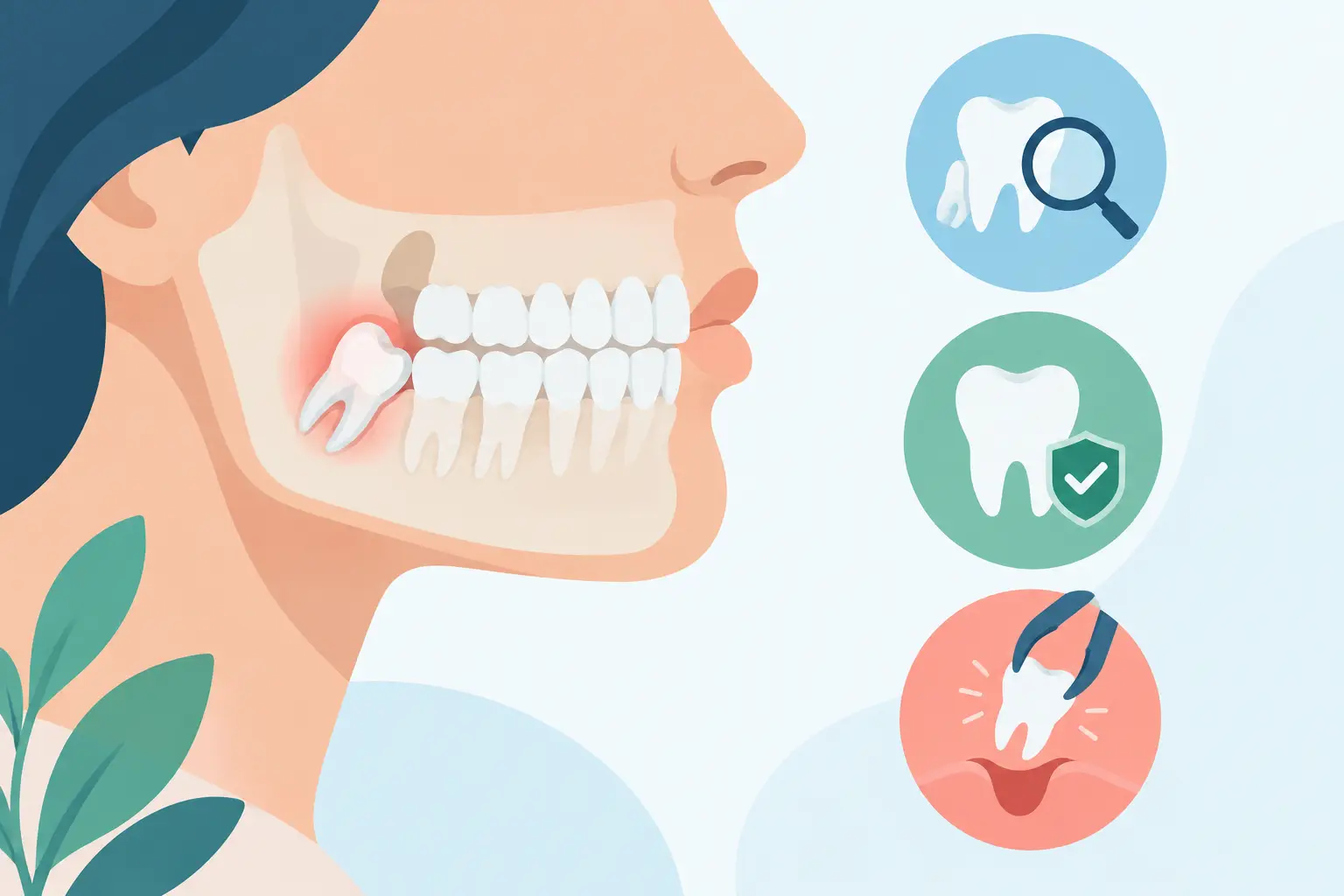
Before choosing a treatment, it helps to think beyond the gap itself. A missing tooth can lead to shifting, bite changes, uneven wear, and even bone loss in the jaw over time. That is one reason early treatment often gives you more flexibility.
The best replacement usually balances five things: stability, appearance, comfort, long-term maintenance, and cost. For one patient, that may mean a dental implant because they want the most natural feel. For another, a bridge or denture may make more sense because of timing, medical factors, or budget. There is no one-size-fits-all answer, and a good treatment plan should reflect that.
Dental implants
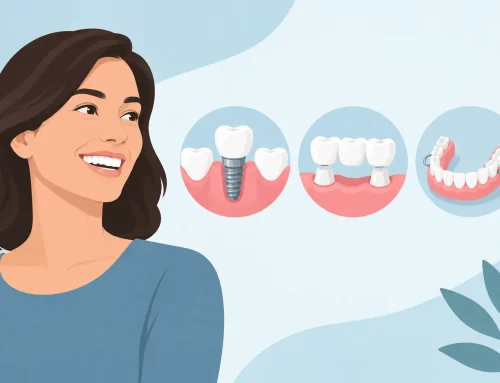
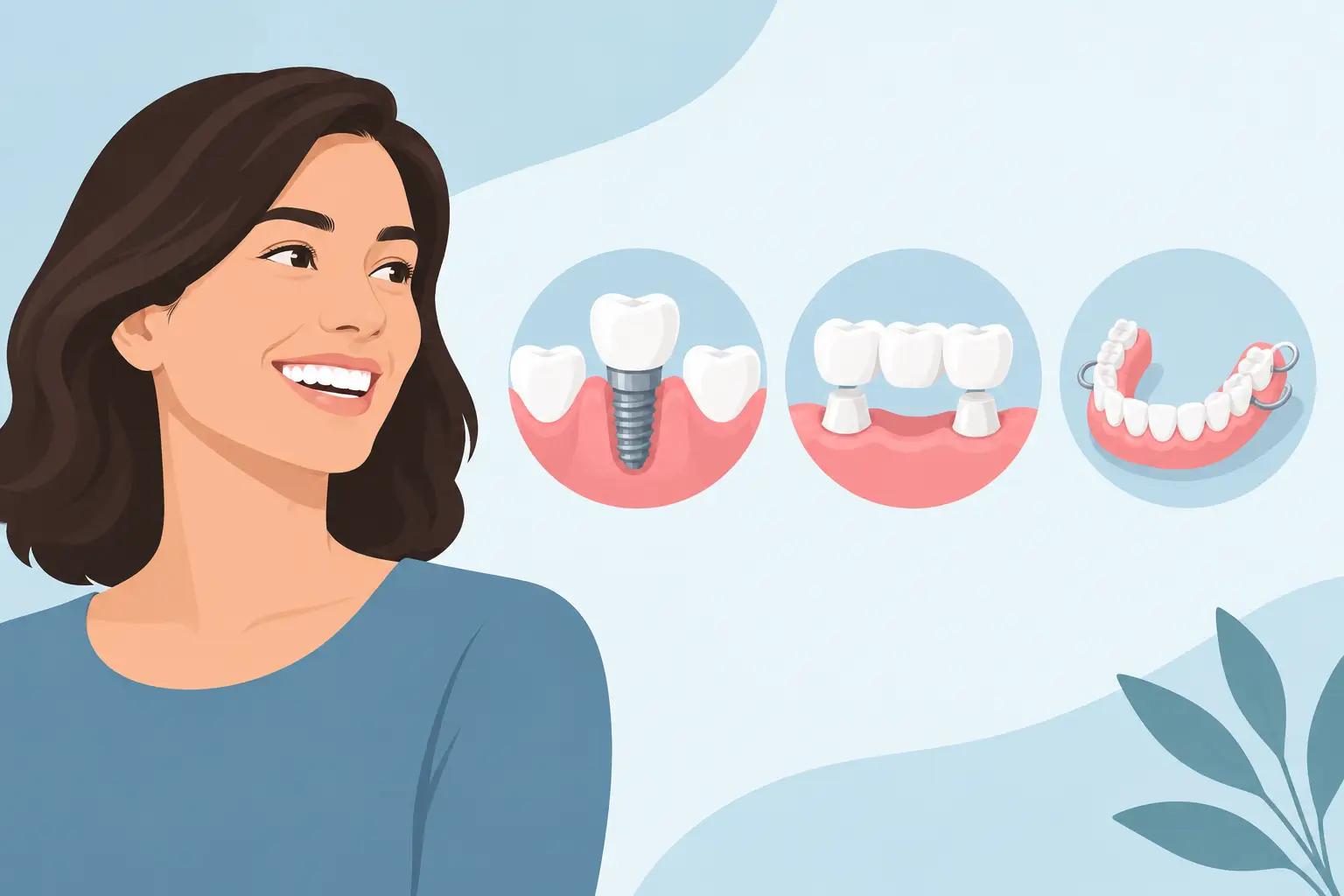
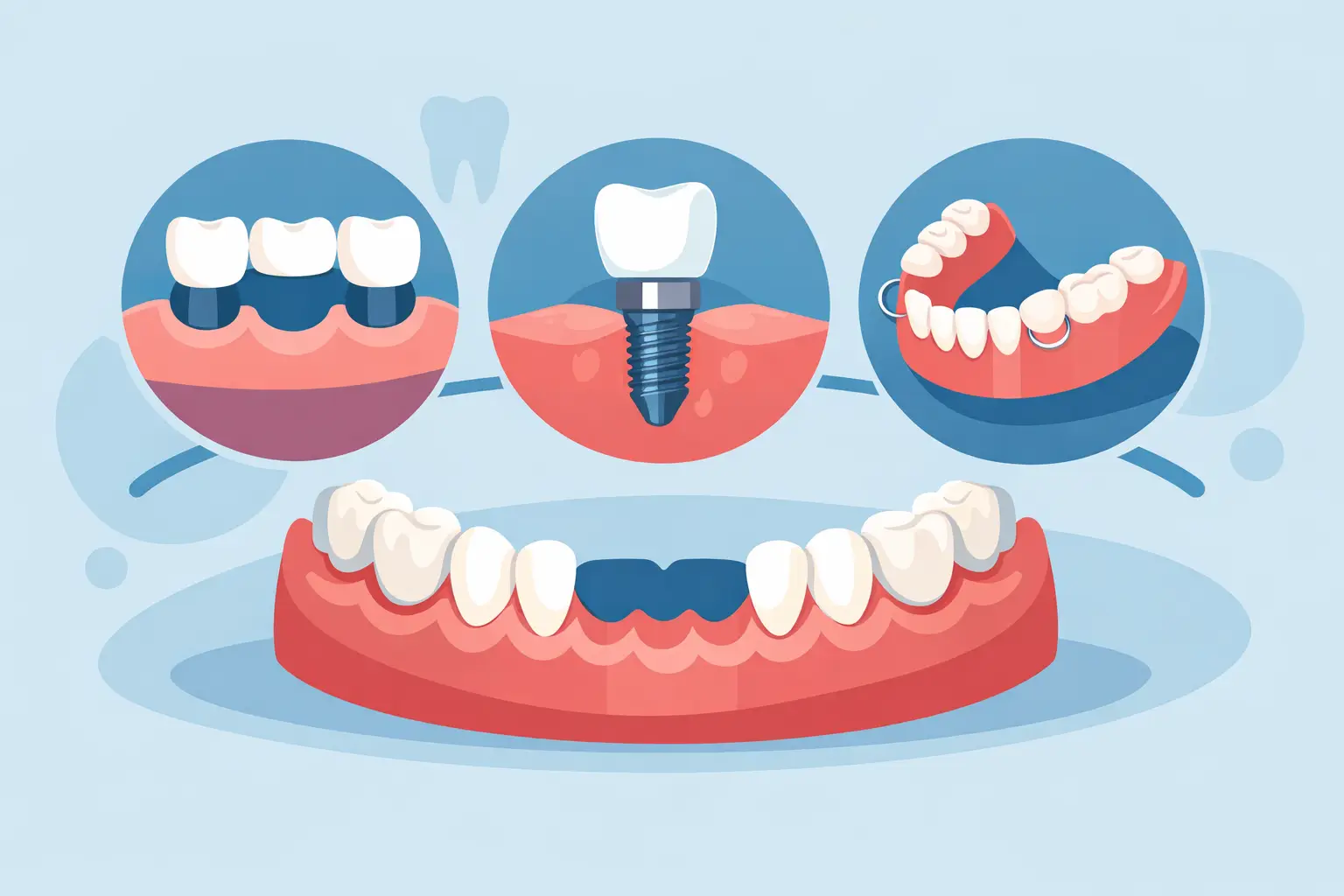
Dental implants are often considered the gold standard for replacing missing teeth. An implant is a small post placed in the jawbone, topped with a custom crown that looks and functions like a natural tooth.
What patients tend to love about implants is how secure they feel. They do not rely on neighboring teeth for support, and they help stimulate the jawbone, which can reduce the bone loss that often follows tooth loss. If you are missing a single tooth, an implant can be one of the most conservative long-term solutions because it replaces the tooth without altering the teeth next to it.
Implants can also replace multiple missing teeth. In some cases, they support bridges or even full-arch restorations. That makes them a flexible option for both small and more complex cases.
The trade-off is that implants are not instant. Treatment can take several months depending on healing time, and some patients need bone grafting before placement. They also tend to cost more upfront than other choices. Still, for many adults who want durability, comfort, and a natural look, implants are among the best options for missing teeth.
Dental bridges
A dental bridge literally bridges the space left by a missing tooth. It uses the neighboring teeth for support and places a replacement tooth in between.
Bridges can be an excellent option when the teeth next to the gap already need crowns or substantial restoration. They are fixed in place, so patients generally find them easier to manage than a removable appliance. Treatment is also usually faster than implant treatment, which can be appealing if you want to restore function and appearance sooner.
That said, bridges do not preserve the jawbone the way implants do, because they do not replace the root. They also require support from adjacent teeth, which means those teeth may need to be reshaped. A bridge can be a strong, attractive solution, but it is best viewed in the context of the health of the surrounding teeth and gums.
Partial dentures
If you are missing several teeth in different areas, a partial denture may be worth considering. This removable appliance is designed to replace multiple missing teeth while fitting around your remaining natural teeth.
Partial dentures are often more budget-friendly than placing several implants or multiple bridges. They can improve chewing, restore appearance, and prevent some drifting of nearby teeth. For patients who want a practical solution without a more extensive procedure, a partial can be a very reasonable choice.
The main adjustment is that removable appliances feel different from fixed options. They may take time to get used to, and they need to be removed and cleaned regularly. Some patients also notice movement or pressure when eating. A well-made partial denture can still be very helpful, especially when treatment needs to be efficient and cost-conscious.
Full dentures
When all teeth in an upper or lower arch are missing, full dentures remain a common treatment. Today’s dentures can look much more natural than many people expect, and they can provide meaningful improvement in daily function and appearance.
For some patients, traditional full dentures are the most practical way to restore a smile, especially if extensive tooth loss has already occurred. They can be made relatively quickly and at a lower cost than full-arch implant treatment.
The challenge is stability. Lower dentures, in particular, can shift because they rest on the gums rather than attaching to the bone. Over time, jawbone changes can also affect fit, which means relines or replacements may be needed. Full dentures can work well, but they usually involve more adaptation than fixed alternatives.
Implant-supported dentures
If you like the broader replacement of a denture but want better retention, implant-supported dentures can offer a middle ground. Instead of sitting loosely on the gums, the denture attaches to implants for added stability.
This option is especially attractive for patients who are frustrated by slipping dentures or who want more confidence while eating and speaking. Implant-supported dentures are often more secure and comfortable than conventional dentures, and they can help preserve bone better as well.
They are not as simple or inexpensive as traditional dentures, and not every patient is a candidate right away. Still, for many people missing most or all of their teeth, this treatment offers a noticeable quality-of-life improvement.
Which option is best for one missing tooth?
If you are missing one tooth, the conversation often comes down to an implant or a bridge. An implant is usually preferred when the neighboring teeth are healthy and you want the most independent, long-term replacement. A bridge can make more sense if the adjacent teeth already need crowns, or if you want a faster path to restoring the area.
A removable partial can also replace one tooth, but it is generally chosen when surgery is not ideal or when keeping costs lower is the top priority. For one missing tooth, the best choice depends on both oral health and personal preferences.
What affects your treatment decision?
Bone support matters. If bone has shrunk after a tooth has been missing for a while, that may influence whether an implant can be placed immediately or whether additional treatment is needed first.
Gum health matters too. Active gum disease should be treated before moving forward with many restorative procedures. Your bite, clenching habits, medical history, and smoking status can also affect longevity and healing.
Then there is your lifestyle. Some patients want the solution that feels most like a natural tooth and are comfortable with a longer treatment timeline. Others want a dependable fix they can complete sooner. Neither approach is wrong. The best treatment is the one that is clinically sound and realistic for you.
Why replacing missing teeth sooner helps
Waiting can make treatment more complicated. Nearby teeth may tip into the open space, the opposing tooth may drift, and bone can gradually recede. Even if the missing tooth is not visible when you smile, it still plays a role in keeping your bite balanced.
Addressing the problem earlier often means more choices and a simpler treatment process. It can also help prevent the kind of wear and instability that turn one missing tooth into a much bigger restorative issue later.
A personalized plan makes the difference
The best options for missing teeth are not just about what sounds most advanced. They are about what fits your oral health, your comfort level, and your long-term goals. In a practice that provides restorative, cosmetic, and surgical care under one roof, patients can often compare those options more clearly and move forward with confidence instead of guesswork.
If you are deciding what to do about a missing tooth, start with an evaluation that looks at the full picture – not just the empty space, but your bite, gums, bone support, and what you want your smile to feel like years from now. At Finesse Family Dental, that kind of personalized planning is part of helping patients feel cared for from the very first visit. A thoughtful decision now can make everyday eating, speaking, and smiling feel easy again.