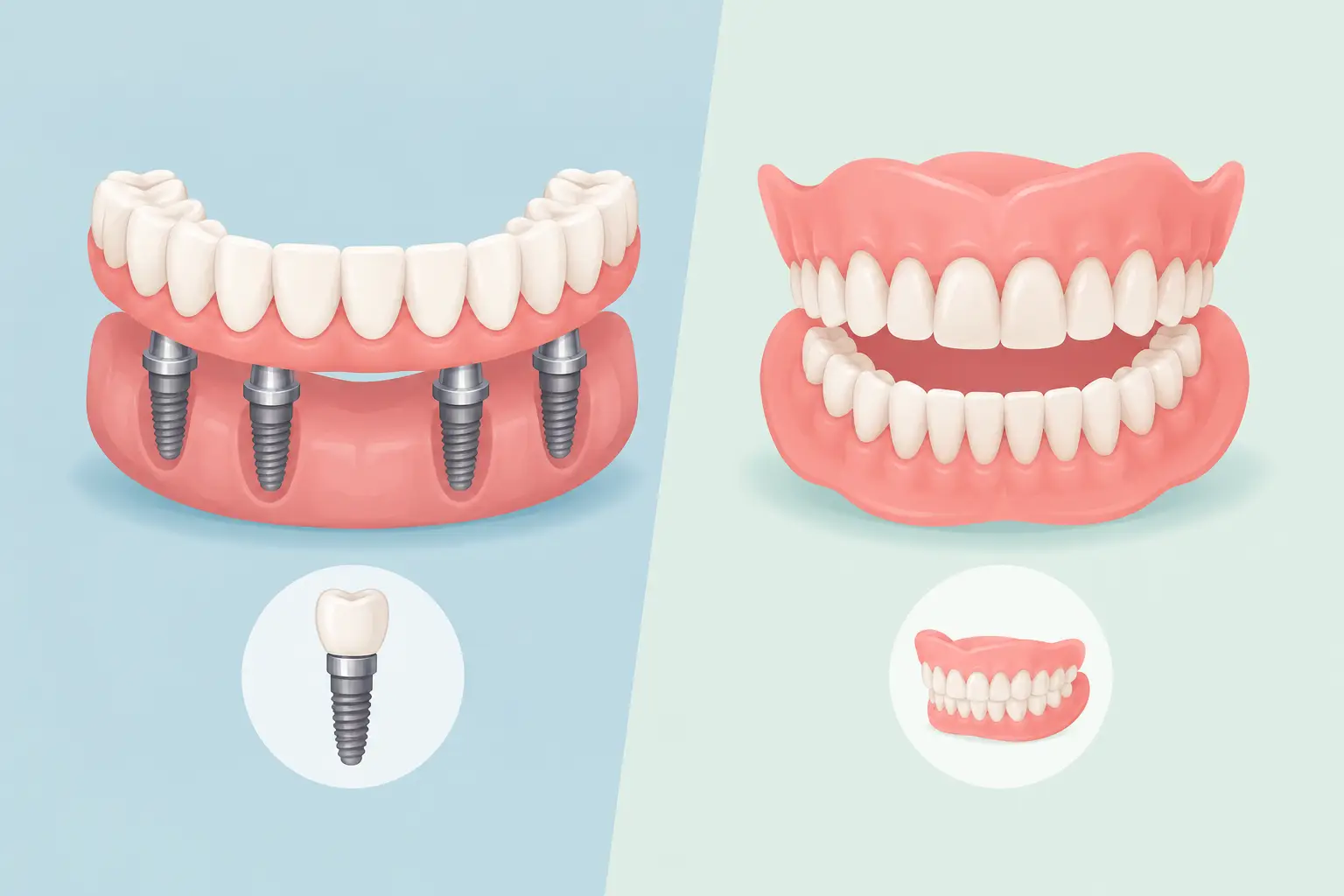
A denture should help you enjoy meals, speak clearly, and smile without constantly wondering whether it will shift. When comparing implant retained versus traditional dentures, the most meaningful difference is how the denture is supported. Traditional dentures rest on the gums, while implant-retained dentures connect to dental implants placed in the jawbone for added stability.
Both options can restore missing teeth and improve facial appearance. The right choice depends on your oral health, jawbone, goals, budget, and how much day-to-day movement you are willing to accept. A personal examination is the best way to decide, but understanding the differences can make that conversation much easier.
Implant Retained Versus Traditional Dentures: The Core Difference
Traditional full dentures are custom prosthetic teeth attached to an acrylic base designed to sit over the gums. Upper dentures usually cover the roof of the mouth, where natural suction helps hold them in place. Lower dentures rest along the lower gum ridge and tend to be less stable because there is less surface area for suction and the tongue is always moving nearby.
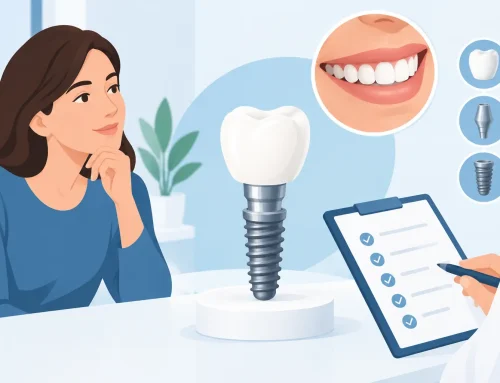
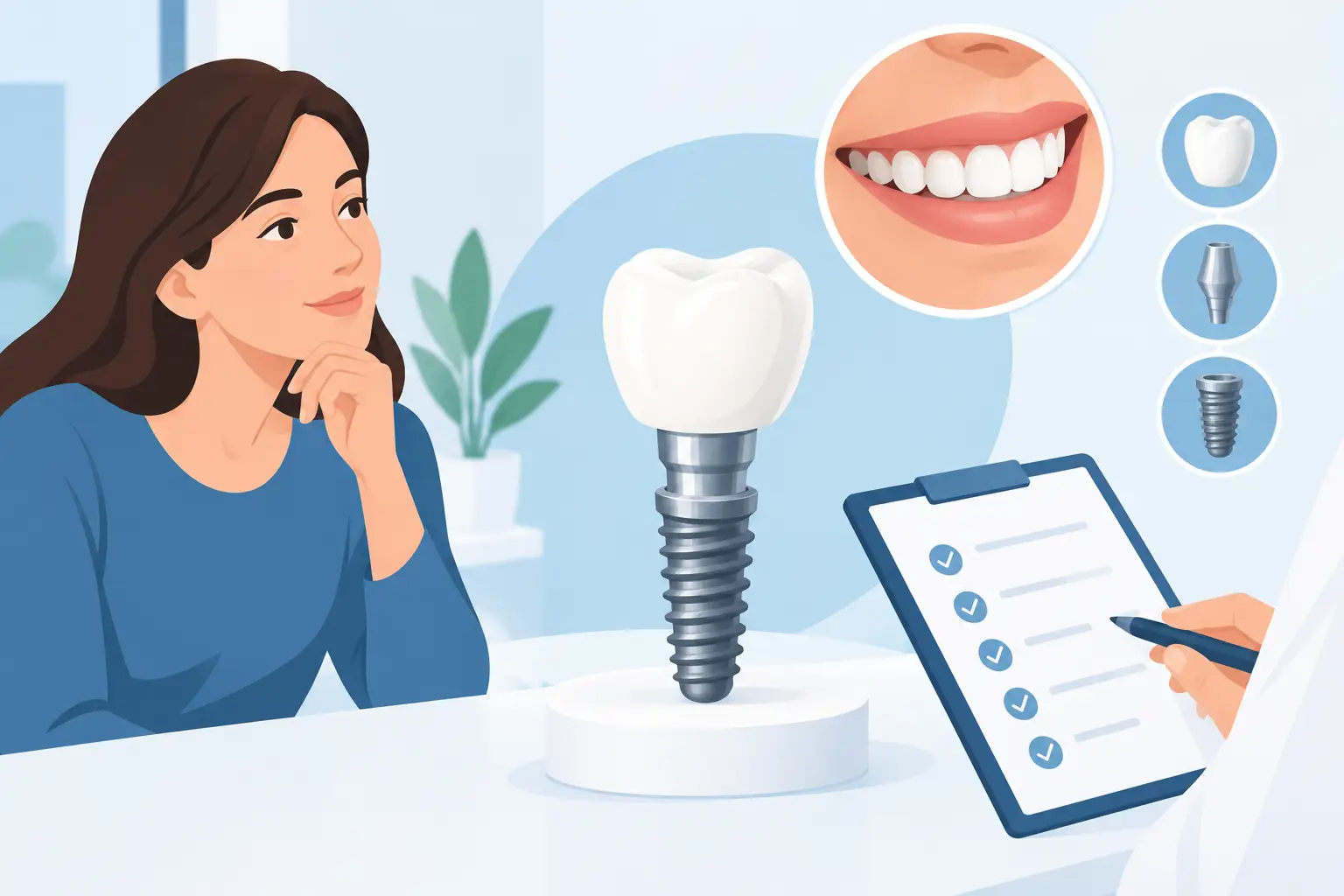
Implant-retained dentures are also removable dentures in many cases, but they are secured by attachments on dental implants. The implants act like artificial tooth roots. Depending on the treatment plan, the denture may snap onto two or more implants, giving it a much firmer foundation than gum-supported dentures alone.
It helps to distinguish implant-retained dentures from a fixed full-arch restoration. An implant-retained denture can usually be removed at home for cleaning. A fixed restoration stays in place and is removed only by a dental professional. Both use implants, but they differ in design, cost, hygiene needs, and the number of implants required.
Traditional Dentures: A Time-Tested, Accessible Option
Traditional dentures remain a practical choice for many patients. They can replace a full arch of missing teeth without surgery, often making them a more affordable starting point. For someone who has recently had multiple teeth removed, an immediate denture may also help restore appearance and basic function during healing.
Modern dentures are more natural-looking and comfortable than many people expect, particularly when they are carefully designed and adjusted. They can restore a fuller smile, support the lips and cheeks, and make everyday conversation easier after tooth loss.
Still, dentures have limits because they rely on the gums and underlying bone for support. A lower denture may lift when speaking or eating, and many wearers avoid hard, sticky, or crunchy foods. Denture adhesive can improve security for some people, but it does not eliminate movement in every situation.
Over time, the jawbone naturally changes after teeth are lost. As the ridge shrinks, dentures can become loose and require relines, adjustments, or replacement. This is not a failure of the denture. It is a normal biological change that should be monitored through regular dental visits.
Why Many Patients Choose Implant-Retained Dentures
The biggest benefit of implant-retained dentures is stability. Instead of relying entirely on the gums, the denture attaches to implants that are anchored in the jawbone. For many patients, especially those with a loose lower denture, that added support can make a dramatic difference in confidence.
With less shifting, patients may find it easier to speak naturally and enjoy a broader range of foods. The denture is less likely to rub in the same spots, which can reduce irritation once the fit is properly adjusted. There is also no need for the denture to cover the palate in some upper-arch designs, allowing patients to better experience the temperature and flavor of food.
Implants also provide stimulation to the jawbone. While they cannot restore every bit of bone that has already been lost, they can help preserve bone in the areas where they are placed. That support can be valuable for long-term denture fit and facial structure.
The trade-off is that implants require surgery, healing time, and a higher initial investment. Treatment is a process, not a one-visit solution. Some patients need preparatory care, such as extractions, periodontal treatment, or bone grafting, before implants can be placed safely.
Lower Dentures Often Benefit the Most
For a lower denture, even two implants can create a noticeable improvement in retention. This is often one of the most practical uses of implant-supported dentistry because lower dentures are generally more prone to movement than upper dentures.
An upper denture can also be implant-retained, although the treatment plan may call for more implants and careful evaluation of available bone. The best design is based on your bite, anatomy, cosmetic goals, and the condition of your existing teeth and gums.
Comfort, Chewing, and Confidence in Daily Life
The choice is not only about teeth. It affects routines that can feel surprisingly personal: ordering dinner with friends, laughing freely, speaking during a work presentation, or eating comfortably with family.
Traditional dentures can work very well when they fit properly and the wearer has adapted to them. Many people are happy with them, particularly when surgery is not appropriate or when cost is the primary concern. However, they do require an adjustment period. Increased saliva, altered speech, sore spots, and learning to chew with a new appliance are common early experiences.
Implant-retained dentures do not feel exactly like natural teeth, but their stability can reduce the mental effort of managing a denture. Patients often begin by eating softer foods after receiving a new appliance, then gradually add more variety as comfort and confidence improve. No denture should be used to bite extremely hard objects or replace healthy oral habits, but a secure fit can make normal meals much more enjoyable.
Cost and Insurance Considerations
Traditional dentures generally have a lower upfront cost because they do not include implant surgery or implant components. Implant-retained dentures involve several steps: diagnostic imaging, surgical placement, healing, custom attachments, and fabrication of the final denture. The total investment reflects that additional planning and clinical work.
For some patients, starting with a traditional denture and considering implants later is a reasonable path. Others prefer to plan for implants from the beginning to avoid adapting to a denture that may later need to be modified or replaced. There is no universal answer, and the lowest initial cost is not always the lowest long-term cost.
Dental insurance coverage varies widely. A plan may contribute toward dentures while offering limited or no coverage for implants, even when implants are clinically beneficial. Before treatment begins, ask for a clear estimate of expected costs, insurance benefits, and any phased treatment options that may fit your needs.
Who Is a Good Candidate for Implant-Retained Dentures?
A consultation includes more than checking whether teeth are missing. Your dentist will assess the health of your gums, the amount and quality of jawbone, your bite, medical history, and the condition of any remaining teeth. Digital imaging helps determine where implants can be placed safely and predictably.
Many adults are candidates, including people who have worn dentures for years. Bone loss, gum disease, smoking, uncontrolled diabetes, certain medications, or untreated dental infections may affect the timing or approach to treatment, but they do not automatically rule implants out. In some cases, additional treatment can improve the foundation before implants are considered.
Good home care also matters. Removable implant-retained dentures need to be taken out and cleaned daily, while the implant attachments and surrounding gums must be cleaned carefully. Regular checkups are essential because attachment components, dentures, and oral tissues all need professional monitoring.
Choosing the Option That Fits Your Life
If you want the most economical way to replace a full arch of teeth and are comfortable with a removable appliance that rests on the gums, traditional dentures may be a sound choice. A well-made denture with attentive follow-up care can provide a natural-looking, functional result.
If denture movement has made you hesitant to eat, talk, or smile freely, implant-retained dentures may offer the security you have been missing. They require more planning and investment, but for the right patient, the improvement in stability can be life-changing.
At Finesse Family Dental, the conversation starts with your comfort, health, and goals, not a one-size-fits-all recommendation. A thoughtful evaluation can help you move forward with a tooth-replacement plan that feels dependable at the table, in conversation, and in every smile you share.