A missing tooth can change more than your smile. It can make chewing feel uneven, cause you to avoid certain foods, and leave you wondering whether the space will become more noticeable over time. A thoughtful dental implant crown review should look beyond the appearance of the final tooth. The best result is one that feels comfortable, supports your bite, and looks naturally at home in your smile.
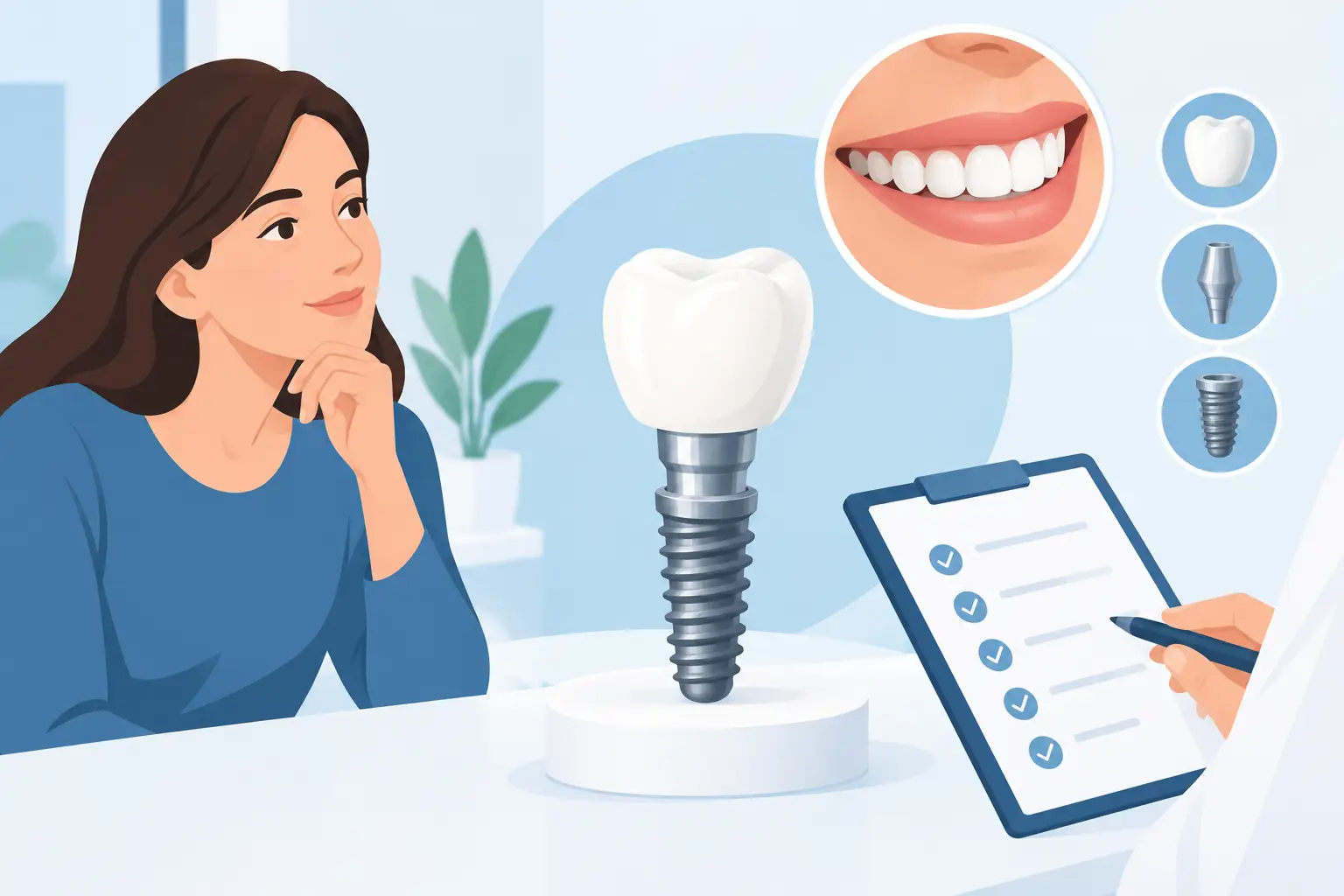
A dental implant crown is the visible restoration attached to an implant post in the jawbone. The post takes the place of the tooth root, while the crown is the custom-made tooth you see above the gumline. Together, they can provide a stable, long-lasting solution for a single missing tooth when your oral health and bone support are appropriate for treatment.
What a dental implant crown review should cover
When patients compare implant options, they often focus first on the crown’s color or price. Those details matter, but a complete review also considers the health of the gums, the implant’s position, the way upper and lower teeth meet, and the quality of the materials used.
An implant crown should not feel bulky, loose, or noticeably taller than nearby teeth. It should allow you to speak normally and chew without discomfort. Because an implant does not move exactly like a natural tooth, a dentist must carefully adjust the bite so the crown handles everyday pressure appropriately.
The cosmetic result is equally personal. A front-tooth crown usually requires more detailed shade matching and attention to the gumline than a back-tooth crown. Nearby teeth may have natural variations in color, translucency, and shape. A crown that is technically strong but too bright, too opaque, or too square can stand out in a way patients did not expect.
Start with the foundation, not just the crown
The crown is only as successful as the foundation beneath it. Before recommending an implant, your dentist should evaluate the area with a clinical exam and imaging. This helps determine whether there is enough healthy bone, whether the gums are stable, and whether nearby teeth or sinus structures affect treatment planning.
Some patients can receive an implant soon after an extraction. Others benefit from a healing period or bone grafting first. Neither approach is automatically better. The right timing depends on the reason the tooth was lost, the condition of the socket, infection history, bone volume, and the demands of the final restoration.
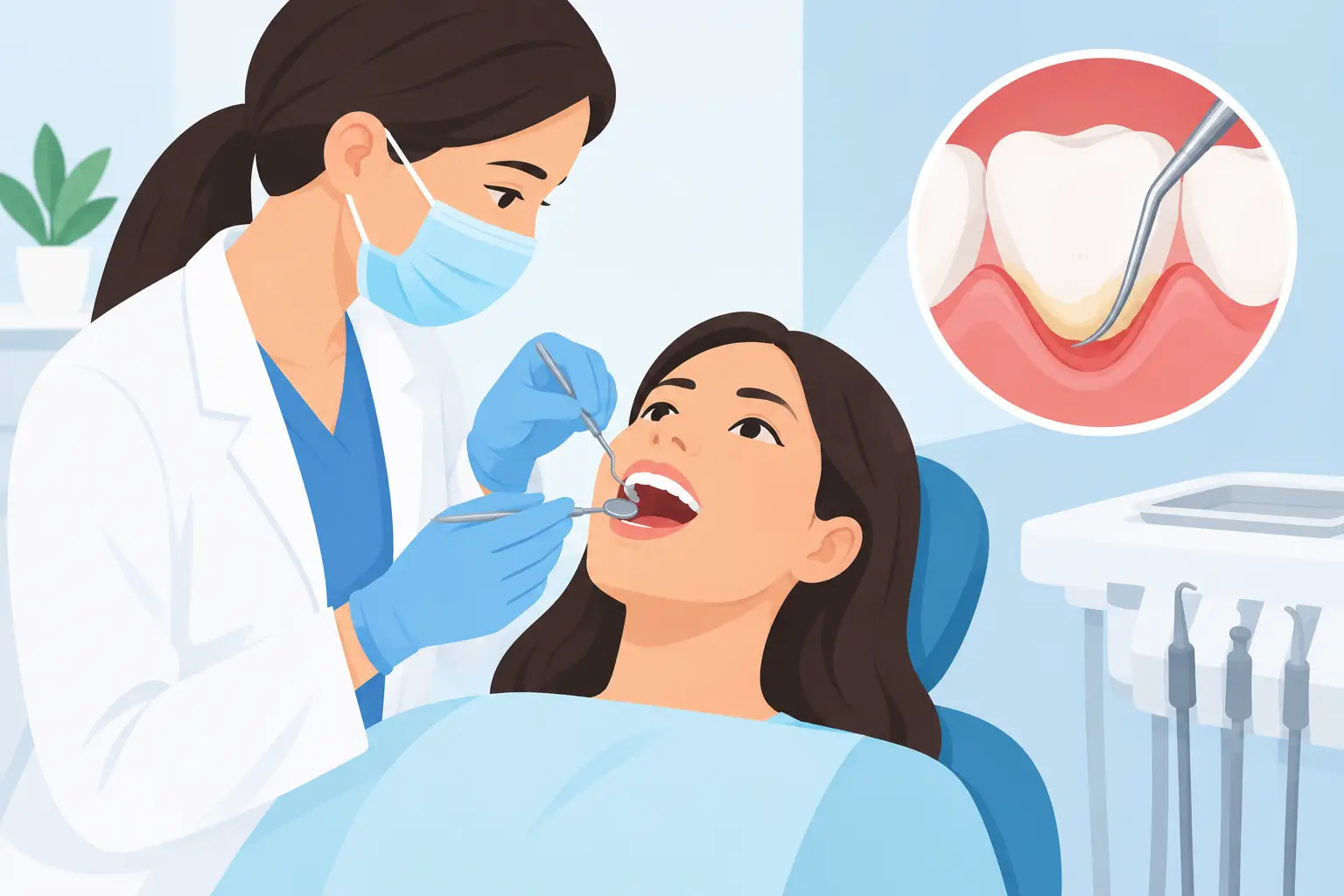
Healthy gums are especially important. Bleeding, swelling, untreated gum disease, or inconsistent home care can raise the risk of inflammation around an implant. An implant cannot develop a cavity, but the tissues around it still need protection. Good planning includes addressing active oral health concerns before moving forward whenever possible.
Implant placement affects comfort and appearance
A well-made crown cannot fully compensate for an implant that is placed in a poor position. Placement influences how the crown emerges through the gums, how easily it can be cleaned, and how it meets the opposing teeth.
For a visible tooth, precise placement also helps create a natural-looking gum contour. For a molar, the focus may be more on strength, access for cleaning, and balanced chewing forces. This is why implant treatment should be planned around the final crown, rather than treating the crown as an afterthought.
Crown materials: strength, appearance, and location
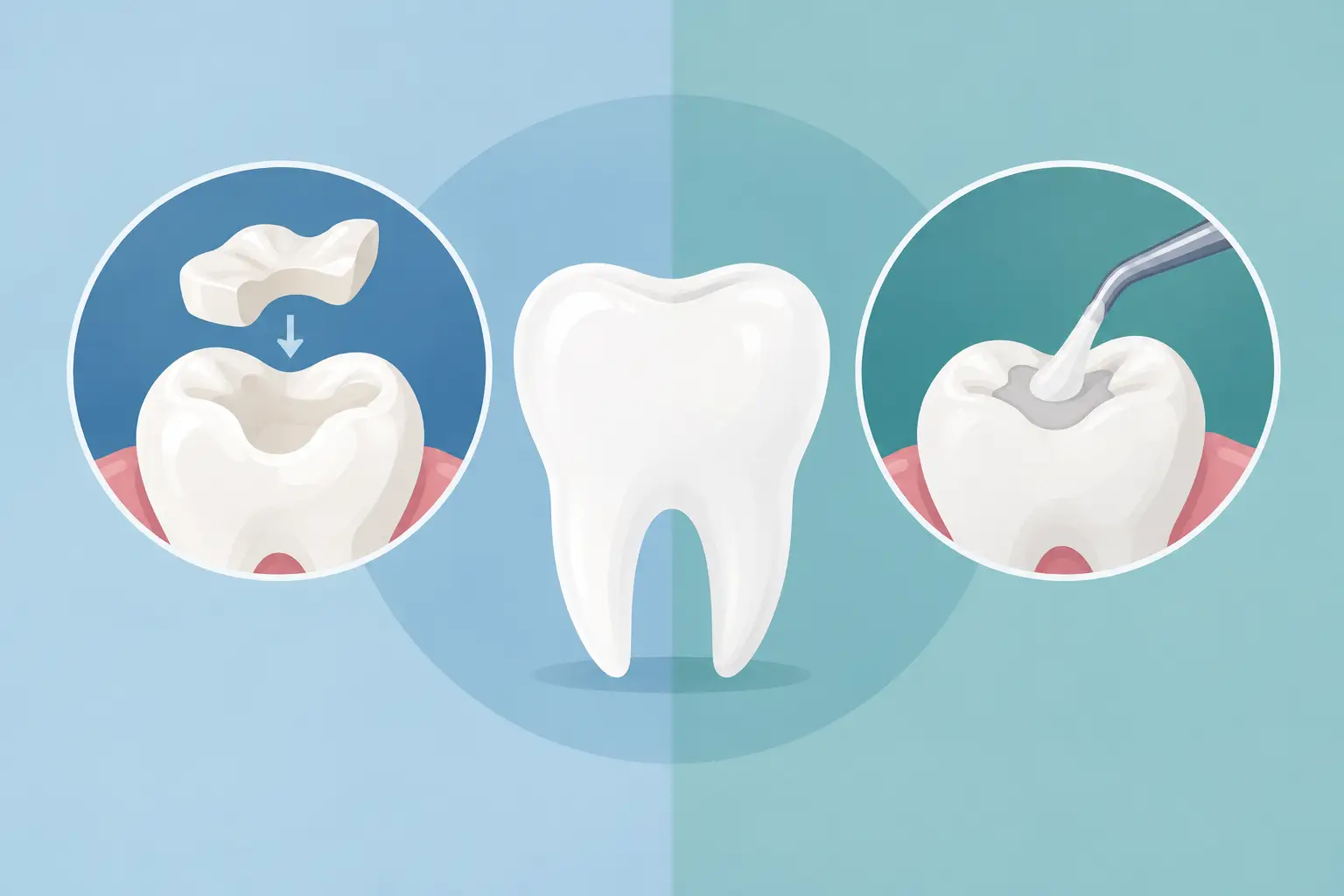
Modern implant crowns are commonly made from ceramic materials, including zirconia and layered porcelain options. The best choice depends on where the tooth is located, your bite, your cosmetic goals, and whether you grind or clench your teeth.
Zirconia is known for strength and can be an excellent option for back teeth that handle significant chewing pressure. It can also be made to look natural, though highly cosmetic front-tooth cases may call for a material with added translucency. Layered ceramic crowns can offer lifelike color and light reflection, but they may require different considerations when heavy bite forces are involved.
There is no single “best” crown material for every patient. A person with a strong bite and a missing molar may have different needs than someone replacing a front tooth visible in every photo. Your dentist should explain why a material is being recommended, including its advantages and any limitations.
Screw-retained or cement-retained crowns
Implant crowns may be attached with a small screw or secured with dental cement. Both methods can be appropriate, but the design should support long-term maintenance.
A screw-retained crown can often be removed more easily if the dentist needs to inspect the implant or make a repair. The access opening is sealed with tooth-colored material. Cement-retained crowns can also look and function well, but excess cement must be carefully removed because it can irritate surrounding tissues. The right option depends on implant position, crown design, and clinical judgment.
Fit and bite are where quality becomes obvious
Patients do not always know what to look for after an implant crown is placed. In the first days, it is normal to notice the new tooth because it is unfamiliar. It should not, however, create ongoing pain, a sharp edge, or a sense that you are hitting that tooth first when you close your mouth.
Call your dental office if chewing remains uncomfortable, floss catches repeatedly, the crown feels loose, or you notice swelling, bleeding, or a bad taste around the implant. Small adjustments can make a meaningful difference, and early attention helps protect the surrounding bone and gums.
A properly fitted crown should also have a cleanable contact area. Floss may feel slightly different around an implant crown than around a natural tooth, but you should still be able to clean around it as instructed. If food constantly gets trapped between the implant crown and the neighboring tooth, the contact may need evaluation.
Understanding cost and insurance without surprises
Implant treatment is usually completed in stages, and the total cost may include the consultation, imaging, extraction if needed, bone grafting, the implant post, surgical placement, the abutment, and the final crown. Asking for a clear treatment plan helps you understand which steps apply to your case.
Dental insurance coverage varies widely. Some PPO plans may contribute toward parts of the restoration while excluding the implant itself, and annual maximums can affect timing. Coverage should be verified before treatment begins, but your decision should also consider the long-term value of replacing a missing tooth with a stable, functional restoration.
Choosing solely on the lowest advertised price can be risky if key steps are not included or if follow-up care is unclear. A good treatment conversation should be transparent about what is included, what may change based on findings, and how the office will support you throughout the process.
Caring for an implant crown after placement
An implant crown needs consistent care, even though it cannot decay. Brush twice daily, clean between teeth every day, and follow your dentist’s recommendations for floss, interdental brushes, or other cleaning tools. The goal is to remove plaque from the gumline and the spaces around the crown.
Professional hygiene visits remain essential. During regular exams, your dental team can monitor the gums, check the crown and bite, and look for signs of inflammation or wear. If you clench or grind your teeth, a custom nightguard may be recommended to reduce pressure on both implants and natural teeth.
Avoid using your implant crown as a tool to open packages or bite hard objects such as ice. Like natural teeth, crowns can chip or become damaged under excessive force. With careful planning, good home care, and regular dental visits, an implant crown can be a dependable part of your smile for many years.
Questions worth asking at your consultation
A comfortable consultation should leave you with more clarity, not more pressure. Ask how your gums and bone will be evaluated, whether grafting is likely, which crown material fits your needs, and how your bite will be checked after placement. You can also ask how the crown will be attached and what maintenance appointments will look like.
For Fremont patients who prefer comprehensive care in one familiar office, Finesse Family Dental can help coordinate implant treatment with the preventive, restorative, and cosmetic care that supports a healthy final result. The goal is not simply to replace a tooth, but to create a restoration that feels like a natural part of your everyday life.
The most reassuring implant crown is rarely the one that draws attention. It is the one that lets you enjoy a meal, laugh in a photo, and speak with confidence without giving that missing tooth a second thought.