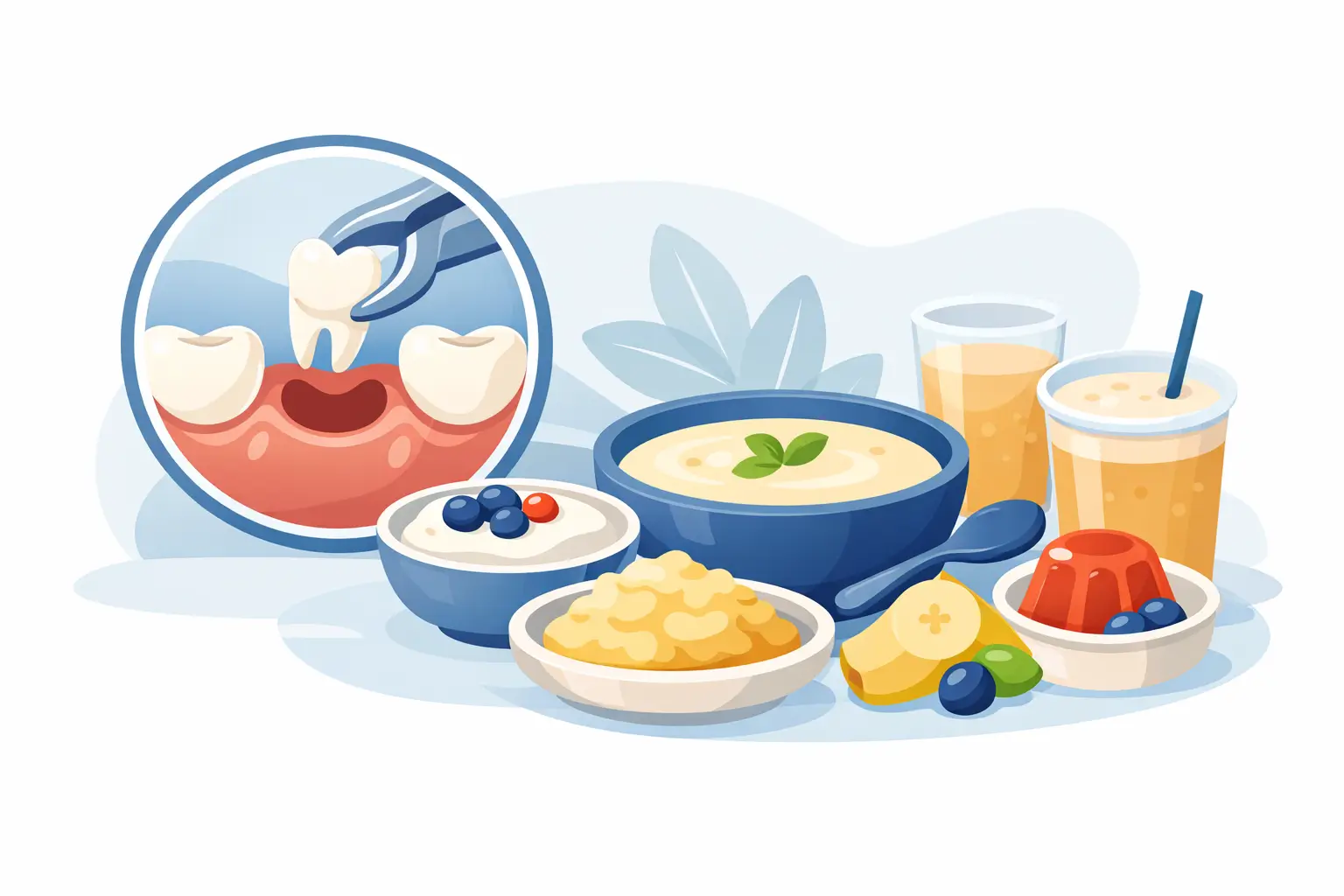
The first meal after a tooth extraction can feel surprisingly stressful. You are hungry, your mouth is sore, and suddenly foods you eat every day seem like a bad idea. Choosing the best foods after extraction can make healing more comfortable and help protect the blood clot your body needs to recover well.
A good rule is simple: keep food soft, mild, and easy to chew. The goal is to nourish your body without irritating the extraction site. Temperature matters too. Very hot foods and drinks can be a problem early on, while cool or lukewarm options usually feel better.
Why food choices matter after an extraction
After an extraction, your body starts forming a blood clot in the empty socket. That clot acts like a protective covering over the area while new tissue develops underneath. If the clot gets disturbed too soon, healing can become more painful and delayed.
That is why food is not just about comfort. Crunchy, sticky, spicy, or hard foods can rub the area, leave debris behind, or put pressure on the socket. Even healthy foods can be the wrong choice if they are difficult to chew or likely to break into small pieces.
Hydration and nutrition also play a big role. Eating enough protein, vitamins, and calories supports tissue repair. When patients skip meals because they are unsure what is safe, they often end up feeling more tired and uncomfortable than necessary.
The best foods after extraction in the first 24 hours
The first day is usually the most restrictive. Stick with foods that require little to no chewing and can be swallowed easily. If possible, eat on the opposite side of your mouth from the extraction site.
Yogurt is often one of the easiest choices. It is cool, smooth, and gentle on sore tissue. Applesauce works well for the same reason. Pudding, gelatin, and cottage cheese are also common go-to foods because they are soft and do not leave sharp bits behind.
Mashed potatoes are a classic recovery food for a reason. They are filling, easy to eat, and can help you feel like you had a real meal. Just make sure they are warm, not steaming hot. Blended soups can also be a good option, but let them cool to lukewarm before eating.
Smoothies can help if you want something more substantial, especially if your appetite is low. The important detail is how you drink them. Do not use a straw. Suction can disturb the clot and raise the risk of dry socket. Instead, sip from a cup with ingredients blended completely smooth.
Ice cream can feel soothing, but it depends on the type. Soft ice cream without nuts, candy pieces, or crunchy mix-ins is fine for many patients in moderation. It can be comforting, but it should not be the only thing you eat that day.
Best foods after extraction for days two through seven
As tenderness starts to improve, you can usually add more variety. This stage is often where people feel better and get overconfident. If you move too quickly into chips, toast, or takeout, the area may become irritated again.
Scrambled eggs are one of the best next-step foods. They are soft, high in protein, and easy to eat slowly. Oatmeal can also work after the first day or two, as long as it is not too hot and does not contain hard add-ins.
Soft pasta, macaroni and cheese, rice cooked until tender, and soft noodles can be manageable for many people. Fish that flakes easily, like salmon, is another good option once chewing feels more comfortable. Tofu, soft beans, and avocado are also gentle choices that add nutrition without much effort.
Bananas are usually easy to mash with a fork or chew carefully. Steamed vegetables can be fine too if they are cooked until very soft. Think carrots, squash, or cauliflower that practically break apart on their own.
If you want something heartier, try soft casseroles, well-cooked lentils, or shredded chicken mixed into something moist. The detail that matters most is texture. Food should be soft enough that you do not need to bite down hard or chew aggressively.
Foods and drinks to avoid while healing
Some foods are more likely to slow healing or make you uncomfortable. Crunchy foods like chips, crackers, popcorn, and pretzels can scrape the area or break into pieces that get stuck near the socket. Seeds and grains can cause similar trouble, especially in the first several days.
Sticky foods are another issue. Caramel, chewy candy, and thick nut butters can pull at the extraction site or be hard to clean away. Spicy foods may sting irritated tissue. Acidic foods and drinks, including some citrus juices, can also cause discomfort.
Very hot coffee, tea, and soup are best avoided until your dentist says it is safe or the initial tenderness improves. Alcohol can interfere with healing and may not mix well with prescribed medications. Smoking and vaping are especially risky after an extraction because they can delay healing and increase the chance of dry socket.
It also helps to be careful with foods that seem soft but require more chewing than expected. Pizza, soft bread, burgers, and rice bowls can feel manageable too early, but they often take more pressure and jaw movement than your mouth is ready for.
How to eat more comfortably after an extraction
Take small bites and chew slowly. If only one side of your mouth was treated, use the other side as much as possible. Do not rush meals. Eating carefully for a few days is much easier than dealing with a setback.
Try to keep foods lukewarm or cool rather than very hot. If numbness has not fully worn off, be extra cautious. Biting your cheek or tongue by accident is more common than patients realize.
After eating, follow your dentist’s instructions for rinsing and oral care. Many patients are told to avoid vigorous rinsing on the first day, then begin gentle rinsing later with warm salt water. Good hygiene helps, but the key is to be gentle. You want to keep the area clean without disrupting healing.
What if you had wisdom teeth removed?
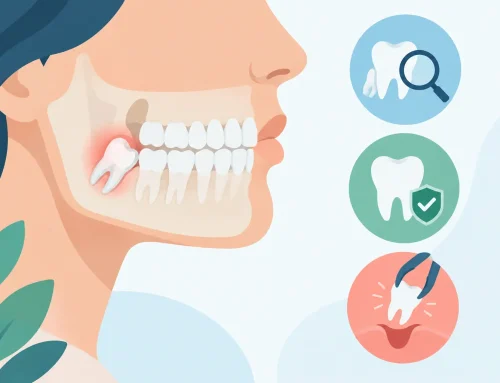
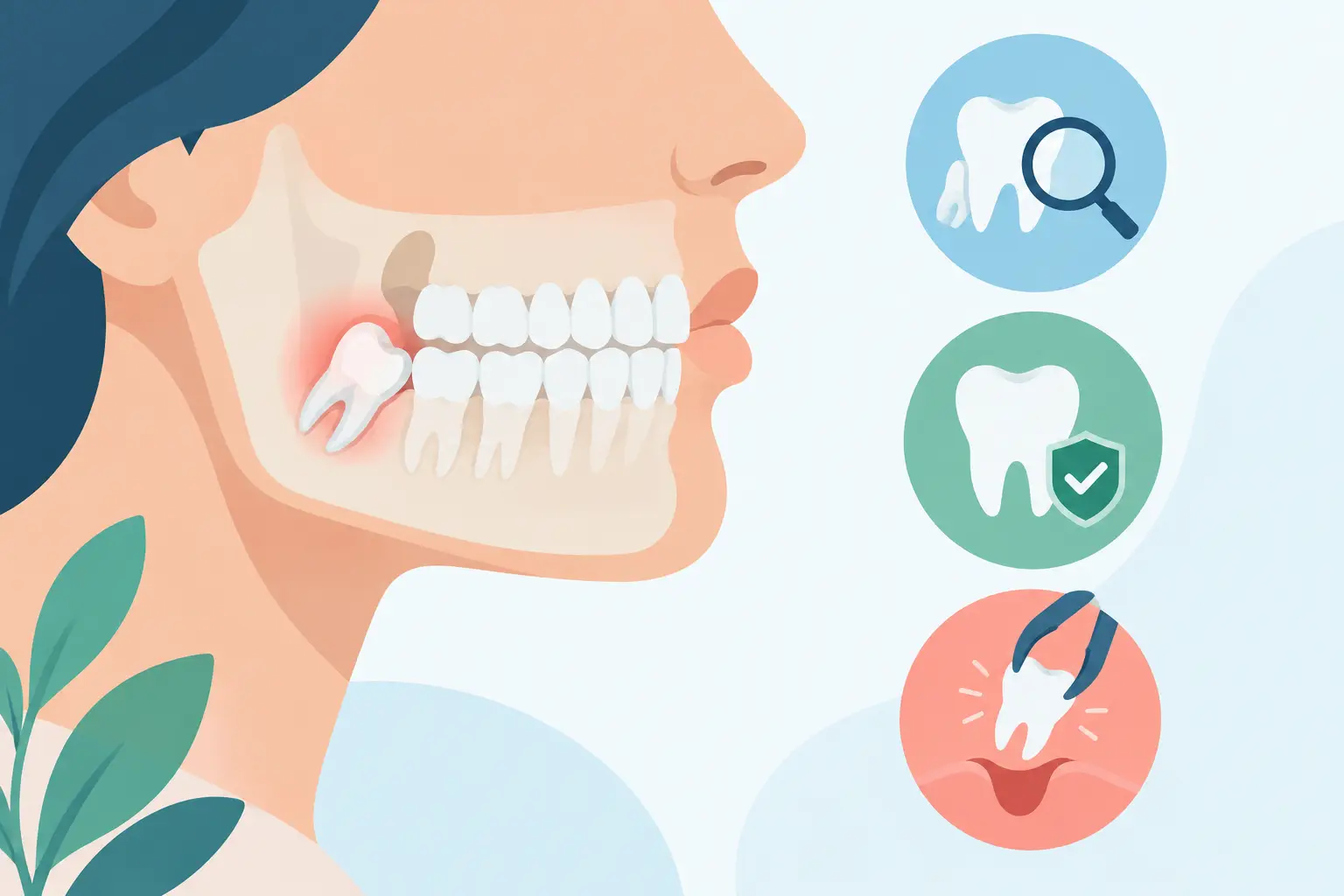
The same basic food rules apply, but healing may feel a little more limiting if multiple teeth were removed or if the extraction was surgical. Jaw soreness, swelling, and reduced opening are more common after wisdom tooth removal, so softer foods may be necessary for a longer stretch.
In those cases, meal planning helps. Having yogurt, eggs, soup, mashed potatoes, smoothies, and soft pasta ready ahead of time can make the recovery period much easier. It is one less thing to think about when you would rather be resting.
When eating pain may signal a problem
Some soreness while eating is normal at first. Sharp pain that gets worse after a few days, a bad taste in the mouth, increasing swelling, or pain that radiates toward the ear can be signs that something is not healing as expected. If you cannot eat or drink comfortably, or if bleeding continues, it is worth calling your dental office.
At Finesse Family Dental, we want patients to feel prepared before they leave the office, not left guessing at home. Recovery is usually straightforward, but clear instructions and the right food choices can make a real difference in how comfortable those first several days feel.
The easiest approach is to stay patient with your diet for a little longer than you think you need to. A few days of softer meals is a small trade for smoother healing, less irritation, and a better overall recovery.