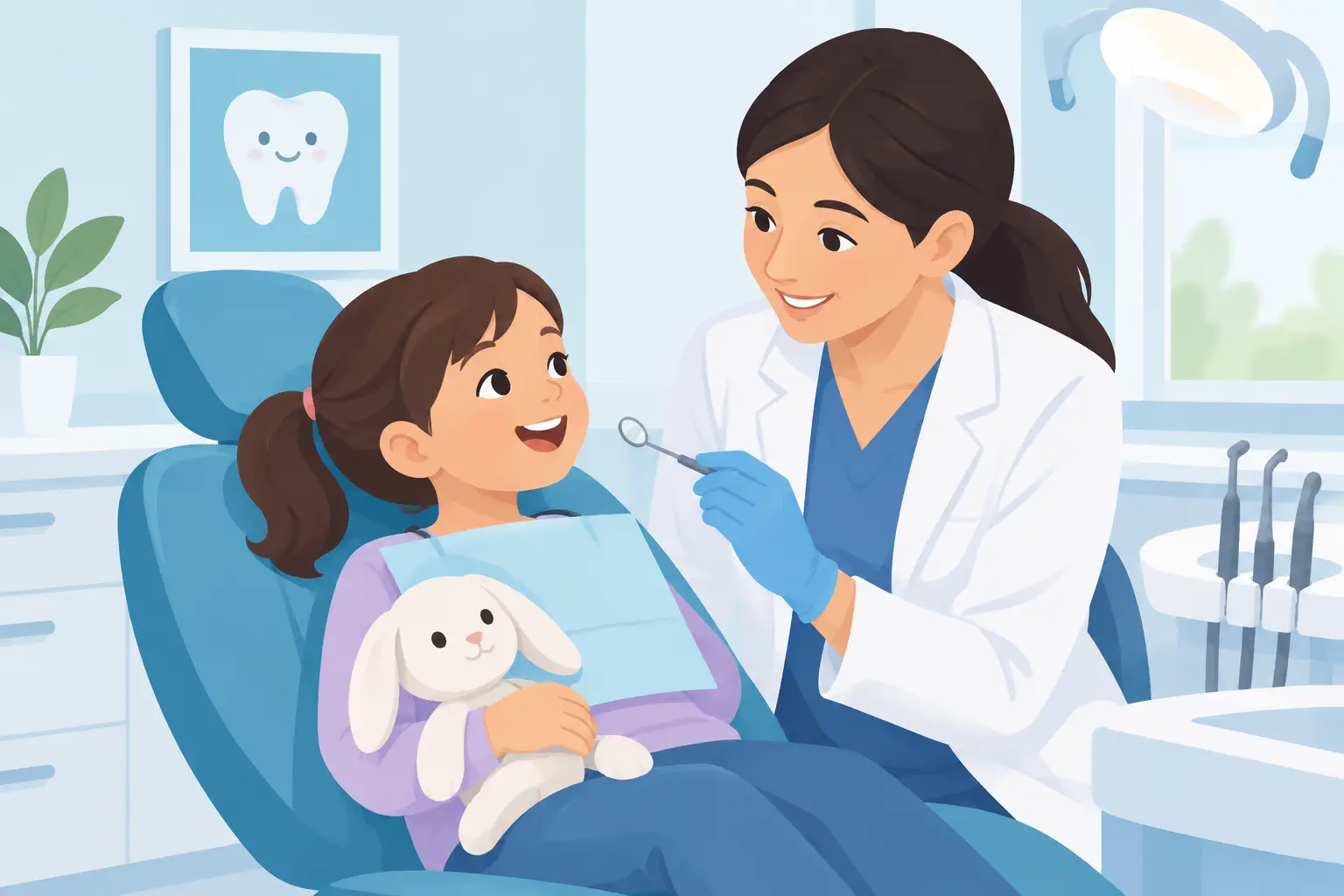
A child who happily opens wide at home may suddenly become quiet, clingy, or suspicious in a new dental office. That reaction is completely normal. This guide to children’s first dentist visit can help you plan ahead, set realistic expectations, and make the experience feel like a positive part of caring for your child’s health.
The goal of an early visit is not perfection. It is familiarity. When children learn that the dental office is a safe place where people speak kindly, explain what they are doing, and help keep teeth healthy, future care often feels much easier.
When should your child see the dentist first?
The American Academy of Pediatric Dentistry recommends scheduling a first dental visit by your child’s first birthday or within six months of the first tooth coming in. That may sound early, especially when there are only one or two tiny teeth to examine. But early appointments give parents practical guidance before small concerns become bigger ones.
Your dentist can check how teeth and gums are developing, look for early signs of decay, discuss feeding habits, and talk through brushing, fluoride, thumb sucking, pacifier use, and injury prevention. For many families, this is also the beginning of a long-term relationship with a dental team that knows their child’s smile as it changes.
If your child is older and has not yet had a visit, there is no need to feel embarrassed or delay further. Schedule the appointment now. A gentle, judgment-free start is what matters.
How to choose the right appointment time
Timing can make a real difference for young children. Choose a time when your child is usually rested, fed, and at their best. For many toddlers and preschoolers, that means a morning appointment rather than one scheduled near nap time or after a long day at school or daycare.
Try to avoid booking the first visit on a day that already has a lot going on, such as a birthday party, travel, or a major school event. A calmer day leaves room for a slower transition into an unfamiliar setting. If your child has sensory sensitivities, anxiety, or a previous difficult medical experience, let the office know when scheduling. That information helps the dental team tailor the visit with more patience and preparation.
What happens at a child’s first dental visit?
Every child is different, so a first appointment may look different for a 12-month-old than for a nervous 6-year-old. In general, the visit is designed to be welcoming, gentle, and age-appropriate.
A conversation with the parent
The dentist or hygienist will ask about your child’s health history, daily brushing routine, diet, medications, and any concerns you have noticed. Mention anything specific, such as tooth sensitivity, snoring, mouth breathing, grinding, delayed tooth eruption, frequent cavities in the family, or a fall that affected the mouth.
This conversation is useful because oral health is connected to everyday habits. For example, frequent sipping on juice, milk before bed, or snacks that stay on teeth can increase cavity risk. The purpose is not to criticize your routine. It is to help you make practical changes that fit your family.
A gentle exam and cleaning, when appropriate
For babies and toddlers, an exam may happen with your child sitting on your lap. The dentist will count teeth, examine the gums and bite, and look for signs of decay or developmental concerns. Older children may sit in the dental chair, which can be introduced slowly and in simple language.
Depending on your child’s age, comfort level, and dental needs, the team may clean the teeth, apply fluoride, or recommend X-rays. X-rays are not automatically needed at every first visit. They are recommended when they will provide useful information that cannot be gathered through an exam alone, such as checking between teeth for hidden decay or assessing how permanent teeth are developing.
Education that makes home care easier
A good first appointment should leave you with clear next steps. You may learn how much toothpaste to use, how to help a child who resists brushing, how often to floss, and when to return for preventive care. The dentist can also discuss protective options, such as sealants, later on if your child has cavity-prone back teeth.
How to prepare without creating fear
Your words before the appointment matter. Keep the explanation short, upbeat, and truthful: “The dentist will count your teeth and help us keep them strong.” Avoid giving a long description of instruments or procedures. Too much information can invite worries your child did not have in the first place.
It is also wise to avoid phrases such as “It won’t hurt,” “Don’t be scared,” or “You won’t get a shot.” Even when said with good intentions, those words can introduce frightening ideas. Let the dental team guide the language used in the room. Pediatric-friendly offices often use simple, nonthreatening descriptions and show children what will happen before doing it.
Reading a positive book about a dental visit or playing dentist at home can help some children. Others do better with less buildup. It depends on your child’s personality. If your child tends to worry in advance, a brief explanation the day before or morning of the visit may be better than discussing it for a week.
Bring a favorite comfort item if it will help, such as a small stuffed animal or blanket. Arrive a few minutes early so you are not rushed through paperwork and the transition from the car to the office.
Your role during the appointment
Children often take emotional cues from the adults around them. A calm parent can be very reassuring, even when a child is unsure. Use a relaxed voice, offer simple encouragement, and let the team build rapport at the child’s pace.
For very young children, being close to a parent may be the right approach. For some older children, however, they may cooperate better when given space to connect directly with the dentist or hygienist. There is no one correct formula. The dental team can recommend what is most likely to help based on your child’s age, temperament, and the care needed that day.
If tears happen, do not view the appointment as a failure. Crying is a common response to a strange environment, especially for toddlers. A caring dental team will focus on safety, comfort, and creating enough positive moments that the next visit feels more familiar.
Building healthy habits after the first visit
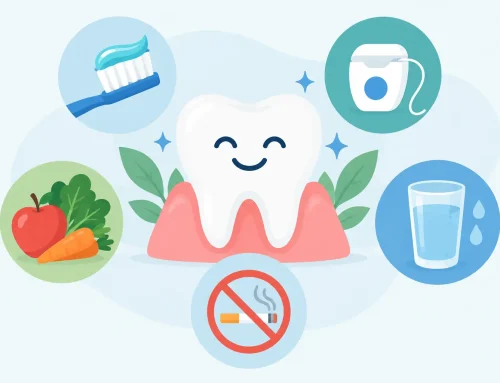
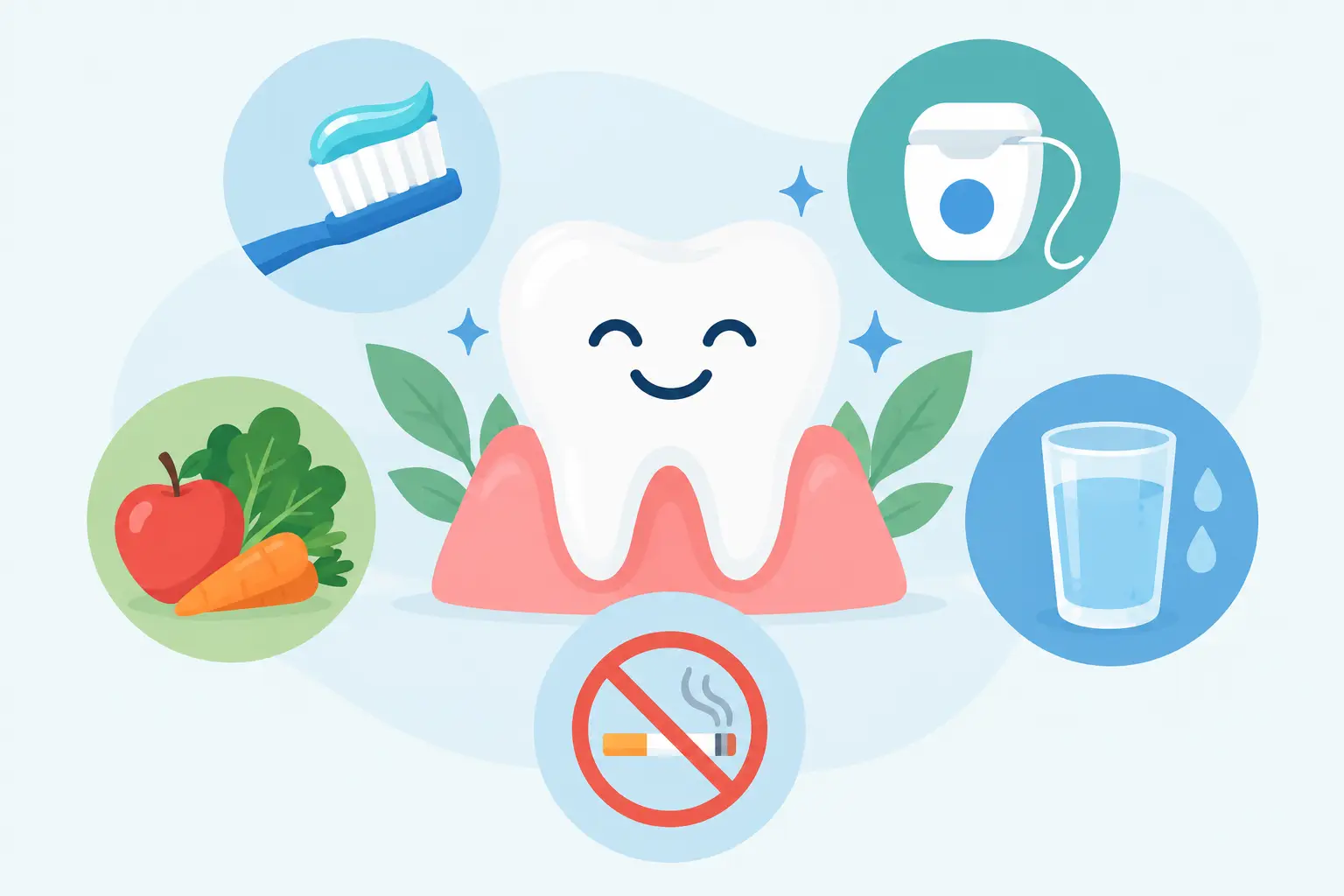
The first dentist appointment is only one part of a healthy smile. At home, brush your child’s teeth twice a day using a soft toothbrush. For children under age 3, use a rice-sized smear of fluoride toothpaste. Children ages 3 to 6 should use a pea-sized amount and be supervised so they spit out excess toothpaste rather than swallowing it.
Floss when teeth touch each other, usually beginning in the back teeth. Water is the best everyday drink between meals, and limiting frequent sugary snacks and drinks helps protect enamel. You do not need to remove every treat from childhood. The pattern matters more than an occasional dessert. Having sweets with a meal and brushing consistently is generally easier on teeth than frequent grazing throughout the day.
Regular checkups allow the dentist to monitor changes, reinforce good habits, and address small issues early. At Finesse Family Dental, families in Fremont can receive gentle pediatric care alongside the preventive, restorative, and orthodontic services they may need as their children’s smiles grow.
When to call sooner
Do not wait for a routine checkup if your child has a toothache, facial swelling, a broken or knocked-out tooth, bleeding that does not stop, or an injury to the mouth. Call the dental office promptly for guidance. Fast attention can relieve discomfort and, in some cases, improve the chance of saving an injured tooth.
A first dental visit does not need to be a test your child has to pass. It is simply an early, caring introduction to a place that can protect their smile for years to come.