Bleeding when you brush may seem like a small inconvenience, especially when your morning is already moving quickly. But healthy gums generally do not bleed during gentle brushing or flossing. Paying attention to gum health early can help protect the teeth, comfort, and confidence that your smile depends on.
Your gums do more than frame your teeth. They create a protective seal around them and support the bone beneath them. When that seal becomes inflamed or infected, gum disease can gradually affect the foundation of your smile – often without causing significant pain at first. The good news is that daily care and regular professional visits can make a meaningful difference.
Why Gum Health Deserves Daily Attention
Plaque is a soft, sticky film of bacteria that forms on teeth throughout the day. If it is not removed thoroughly, it can collect along and below the gumline. The gums may respond with inflammation, which can lead to redness, swelling, tenderness, and bleeding. This early stage is called gingivitis.
Gingivitis is often reversible with consistent home care and professional cleanings. However, when inflammation is allowed to continue, it can progress to periodontitis, a more serious form of gum disease. Periodontitis can cause the gums to pull away from the teeth, create pockets where bacteria collect, damage the supporting bone, and eventually contribute to loose or lost teeth.
The challenge is that gum disease can be quiet. Some people have noticeable bleeding or bad breath, while others assume their symptoms are normal because there is little or no discomfort. That is why routine checkups matter even when your teeth feel fine.
Signs Your Gums Need Professional Attention
A little sensitivity after trying a new flossing routine can happen, particularly if your gums have been inflamed. But bleeding that continues, gums that look puffy, or persistent bad breath are not concerns to brush aside.
Schedule a dental visit if you notice bleeding when brushing or flossing, red or swollen gums, a bad taste that does not go away, increasing sensitivity, gum recession, or changes in how your teeth fit together when you bite. Loose teeth, pus around the gums, or pain when chewing should be addressed promptly.
Receding gums deserve special attention. Gum recession can be related to gum disease, aggressive brushing, clenching or grinding, tobacco use, or the natural position of your teeth. It is not always a sign of active infection, so the right treatment depends on the cause. A dental evaluation can clarify what is happening and help protect exposed root surfaces from sensitivity and decay.
The Everyday Habits That Support Healthy Gums
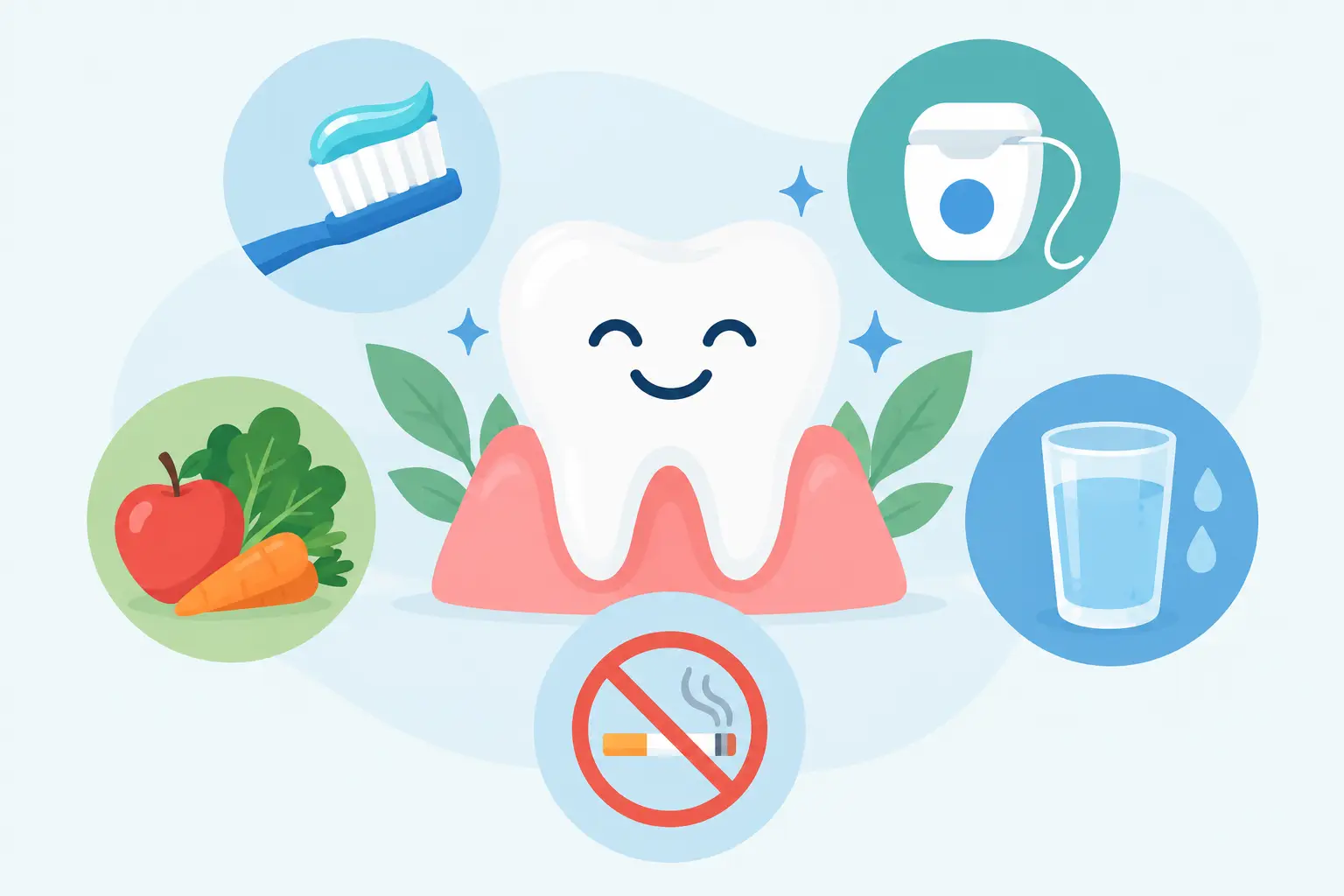
Good gum care does not require a complicated routine. It requires a careful routine you can maintain. Brush twice a day for two minutes using a soft-bristled toothbrush and fluoride toothpaste. Angle the bristles gently toward the gumline, then use small, controlled motions rather than scrubbing hard. Brushing with too much pressure can irritate gums and wear away enamel near the roots.
Clean between your teeth once a day. Traditional floss works very well when used properly, but interdental brushes, water flossers, or floss picks may be better choices for some people. The best option is the one that cleans effectively and that you will use consistently. If you have bridges, implants, braces, or tightly spaced teeth, your dentist or hygienist can recommend the tools and technique that fit your smile.
A few other habits can help support healthier gums:
- Replace a frayed toothbrush or brush head about every three months, or sooner if the bristles lose their shape.
- Drink water regularly, especially after coffee, snacks, or acidic drinks, to help rinse away food debris.
- Limit frequent sugary snacks and beverages, which give harmful oral bacteria more opportunities to thrive.
- Avoid smoking and tobacco products, which raise the risk of gum disease and can make warning signs less obvious.
If you wear a nightguard, retainer, denture, or clear aligner, clean it as directed. Oral appliances can collect bacteria if they are not cared for properly, and a clean appliance supports a healthier oral environment.
Be Gentle, Not Aggressive
Many patients are surprised to learn that harder brushing is not better brushing. A soft brush and steady technique remove plaque without traumatizing the gum tissue. If you see your toothbrush bristles splaying outward quickly, you may be applying too much pressure.
The same principle applies to flossing. Guide the floss gently between the teeth, curve it around one tooth in a C-shape, and move it up and down along the side of the tooth. Snapping floss down into the gums can cause irritation. A hygienist can demonstrate a technique that feels comfortable and works for your specific needs.
How Professional Care Protects Gum Health
Home care is essential, but it cannot remove tartar, also called calculus. Tartar is hardened plaque that bonds to the teeth and can build up along the gumline. Professional cleanings remove these deposits and give your dental team the chance to monitor changes before they become more complicated.
For patients with healthy gums, regular hygiene visits are often focused on preventive cleaning and education. For patients with gum inflammation or periodontal disease, care may include deeper cleaning below the gumline, more frequent maintenance visits, and a personalized plan to control bacterial buildup. The recommended interval is not the same for everyone. It depends on your gum measurements, bone health, medical history, home-care habits, and risk factors.
Modern periodontal treatment can also be more comfortable than many people expect. At Finesse Family Dental, gum disease treatment may include Waterlase technology, which can support precise treatment while helping patients feel more at ease. The right approach depends on the severity of the condition and the health of the surrounding tissue.
Health Conditions and Life Changes That Affect Your Gums
Your mouth is connected to the rest of your health. Diabetes, for example, can make it harder to control gum inflammation, while active gum disease may make blood sugar management more difficult. Pregnancy-related hormonal changes can make gums more sensitive to plaque. Some medications can cause dry mouth or gum enlargement, increasing the need for thoughtful preventive care.
Stress also has an effect. People under stress may clench or grind their teeth, skip flossing, reach for sugary foods, or experience dry mouth. These changes do not guarantee gum problems, but they can raise the risk. Let your dental team know about health changes, medications, pregnancy, or a new diagnosis so your care can be adjusted appropriately.
What to Expect at a Gum Evaluation
A gum evaluation is straightforward and designed to give you clear answers. Your dentist or hygienist may measure the spaces between the teeth and gums, look for bleeding and recession, check for tartar buildup, evaluate mobility, and review X-rays to assess the bone supporting your teeth.
These measurements are not meant to alarm you. They establish a baseline and help track whether your gums are stable, improving, or need more focused treatment. If treatment is recommended, ask what the goals are, what you can expect during the visit, and how you can support healing at home. Understanding the plan often makes dental care feel much less stressful.
Healthy gums are not about having a picture-perfect smile. They are about keeping the support system beneath your smile strong enough to serve you for years. If you have noticed bleeding, tenderness, recession, or a change in your breath, a gentle conversation with a dental team can be the next practical step toward feeling comfortable and confident again.