The question of when do kids need sealants often comes up just as a parent notices a new permanent molar behind the baby teeth. Those back teeth are a big milestone, but they also have deep, narrow grooves where food and cavity-causing bacteria can settle – even when a child brushes carefully.
Dental sealants are a simple preventive treatment that gives those vulnerable chewing surfaces an extra layer of protection. They are not a replacement for brushing, flossing, fluoride, or regular dental visits. Think of them as added support for the teeth that do some of the hardest work in a child’s mouth.
When Do Kids Need Sealants?
Most children are good candidates for sealants when their permanent molars come in. The first permanent molars usually erupt around age 6, and the second permanent molars often arrive around age 12. Because the risk of decay begins as soon as these teeth are exposed to food and plaque, applying sealants soon after eruption can be especially helpful.
That said, age alone does not decide whether a child needs sealants. During a checkup, the dentist looks at the shape and condition of each tooth, your child’s cavity history, brushing habits, fluoride exposure, and overall risk for tooth decay. A child with very deep grooves in otherwise healthy molars may benefit from sealants right away. Another child may need them on only certain teeth.
Sealants are most commonly placed on permanent molars, but they can sometimes be recommended for primary, or baby, molars. This is more likely when a child has deep grooves, a history of cavities, or a higher risk of decay. Baby teeth matter: they support chewing, speech development, and the spacing needed for permanent teeth to emerge properly.
Why Back Teeth Need Extra Protection
Molars are designed for grinding, which means their chewing surfaces have pits and fissures that can be difficult to clean. A toothbrush can clean the top of a tooth, but its bristles may not fully reach the bottom of a narrow groove. Even a child who is doing a good job at home can miss these areas.
This is especially common during the elementary and middle school years. Children are still building brushing skills, and newly erupted molars can sit lower than the other teeth for a while, making them harder to reach. Snacks, sports drinks, juice, and frequent sipping can add to the risk when bacteria remain trapped in those grooves.
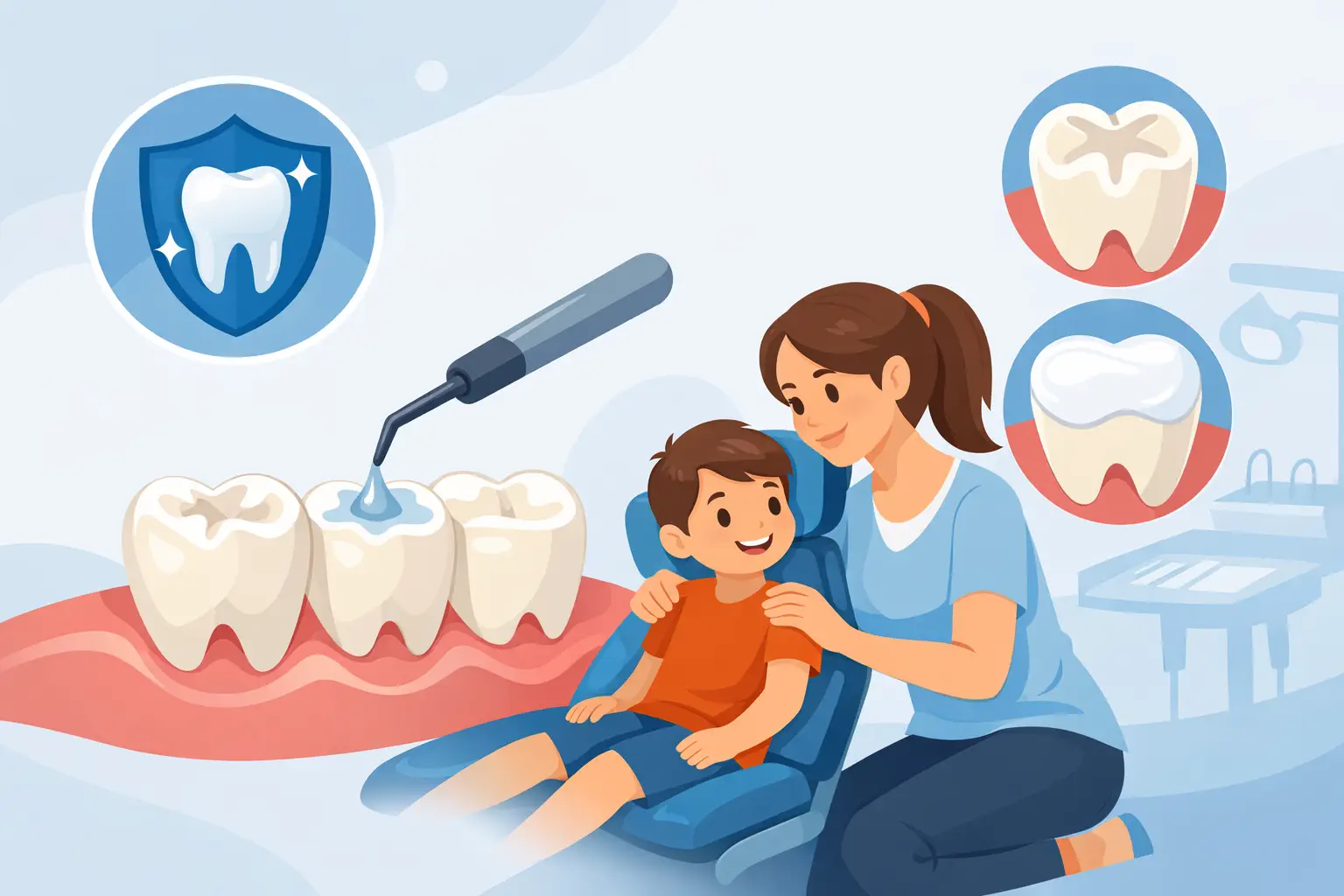
A sealant is a thin, tooth-colored or clear protective coating placed over the chewing surface of a tooth. It flows into the pits and fissures, creating a smoother surface that is easier to keep clean. The goal is to prevent decay before it starts, rather than waiting until a filling is needed.
Signs Your Child May Benefit From Sealants
A dental exam is the best way to determine whether sealants make sense, but a few situations often point toward a stronger recommendation. Your child may be a candidate if they have newly erupted permanent molars, deep or stained grooves in their back teeth, or a past history of cavities.
Children who find brushing difficult, wear orthodontic appliances, snack frequently, or have limited fluoride exposure may also have a higher risk of decay. Dry mouth caused by certain medications or medical conditions can be another factor. None of these signs means a cavity is unavoidable. They simply help the dental team personalize preventive care.
Parents sometimes worry that dark lines in the grooves of molars mean a tooth already has a cavity. Sometimes they do, but staining can also be harmless. The difference is not always visible at home. A dentist may use an exam and X-rays when appropriate to decide whether a groove can be sealed or whether it needs restorative treatment instead.
Sealants Work Best on Healthy Teeth
Sealants are generally placed when the chewing surface is free of decay or has only very early changes that can be safely managed with preventive care. If a cavity has already created a hole in the tooth, a filling may be the better treatment.
This is one reason routine visits matter. Waiting until a child has pain can mean missing the easiest window for prevention. Cavities in their early stages often do not hurt, particularly when they are limited to the grooves of a molar.
What Happens During a Sealant Appointment?
For most children, receiving a sealant is quick, comfortable, and does not require a shot or drilling. The tooth is cleaned and dried, then prepared with a gentle conditioning solution so the material can bond securely. After the tooth is rinsed and dried again, the sealant is painted onto the chewing surface and hardened with a curing light.
The process commonly takes only a few minutes per tooth. Your child can eat and drink normally afterward unless the dental team gives different instructions for another treatment completed at the same visit.
Some children are nervous about dental care even when the procedure is easy. A calm explanation helps: the dentist is essentially painting a protective shield on the tooth. At Finesse Family Dental, families can expect clear guidance, a gentle approach, and time for children to feel comfortable before treatment begins.
How Long Do Dental Sealants Last?
Sealants can protect teeth for several years, and many last longer with good care. They are checked at every routine exam because they can gradually wear down, chip, or come loose. If a sealant is no longer intact, it can often be repaired or replaced quickly.
Chewing ice, hard candy, or non-food items can increase wear, but everyday eating is not a concern. Regular brushing with fluoride toothpaste and daily flossing remain essential because sealants protect the chewing surface only. They do not protect the sides of the teeth or the spaces between them.
Sealants, Fluoride, and Fillings: What Is the Difference?
These treatments can all help protect a child’s smile, but they serve different purposes. Fluoride strengthens enamel across the tooth surface and can help reverse very early mineral loss. Sealants form a physical barrier over the grooves of back teeth. Fillings restore teeth after decay has created damage that cannot be addressed with preventive care alone.
A child may benefit from both fluoride and sealants. This is not duplication. Fluoride supports enamel broadly, while sealants target the areas where molar cavities commonly begin. The best combination depends on your child’s individual risk and the findings at their dental visit.
Are Sealants Safe?
Dental sealants have been used in children’s dentistry for decades and are widely considered a safe, effective preventive option. The material is placed on the outer surface of the tooth and hardened in place. Parents who have questions about the materials used, allergies, or their child’s health history should bring them up before treatment. A good dental team will explain the recommendation clearly and help you make an informed decision.
There is also a practical trade-off to consider. Sealants involve an upfront preventive appointment and may not be necessary on every tooth for every child. But for cavity-prone molars, they can help avoid the greater cost, discomfort, and time involved in treating decay later. Many PPO dental plans provide coverage for sealants for children, though benefits and age limits vary by plan.
Helping Sealants Do Their Job
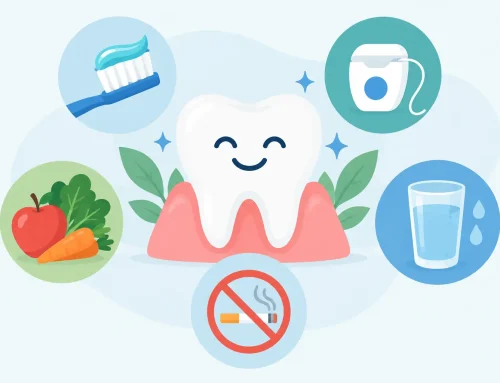
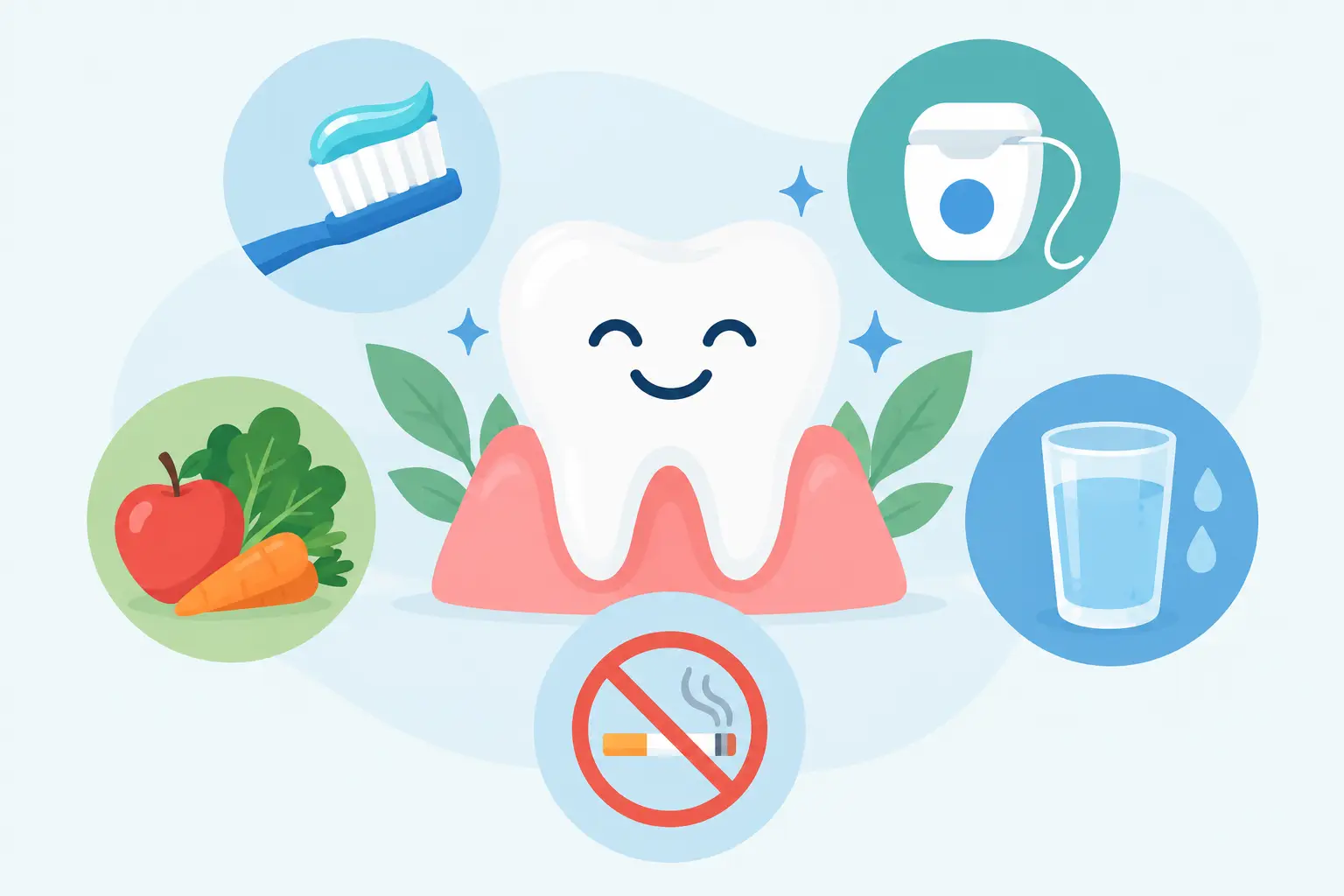
Sealants work best as part of a consistent home routine. Help younger children brush for two minutes twice a day using a fluoride toothpaste amount appropriate for their age. Once teeth touch, flossing should become part of the routine as well. Water is a tooth-friendly choice between meals, and limiting frequent sugary or acidic drinks helps protect every surface a sealant cannot cover.
Most importantly, keep regular checkups on the calendar. A child may not notice that a sealant has worn away, and parents should not have to guess. Routine exams allow the dentist to monitor new teeth as they erupt, check existing sealants, and adjust preventive care as your child’s needs change.
The next time a new back tooth appears, mention it at your child’s dental visit. A brief evaluation can give you a clear answer and a practical plan for protecting that growing smile.