A tooth that suddenly looks longer can be unsettling, especially if cold water, brushing, or even a breath of air causes a sharp twinge. Many patients ask, “why do gums recede?” because gum recession can change both the comfort and appearance of a smile. The good news is that recession has identifiable causes, and prompt, personalized care can often stop it from getting worse.
Gum recession means the gum tissue has pulled back from the tooth, exposing more of the tooth root. Unlike enamel, root surfaces are not designed to withstand constant exposure to bacteria, brushing pressure, temperature changes, and acids. That is why recession deserves professional attention even when it does not hurt.
Why Do Gums Recede?
There is rarely one explanation for receding gums. In many cases, several factors work together over time. The most common cause is gum disease, but daily habits, tooth position, bite forces, and genetics can all play a role.
Gum disease and plaque buildup
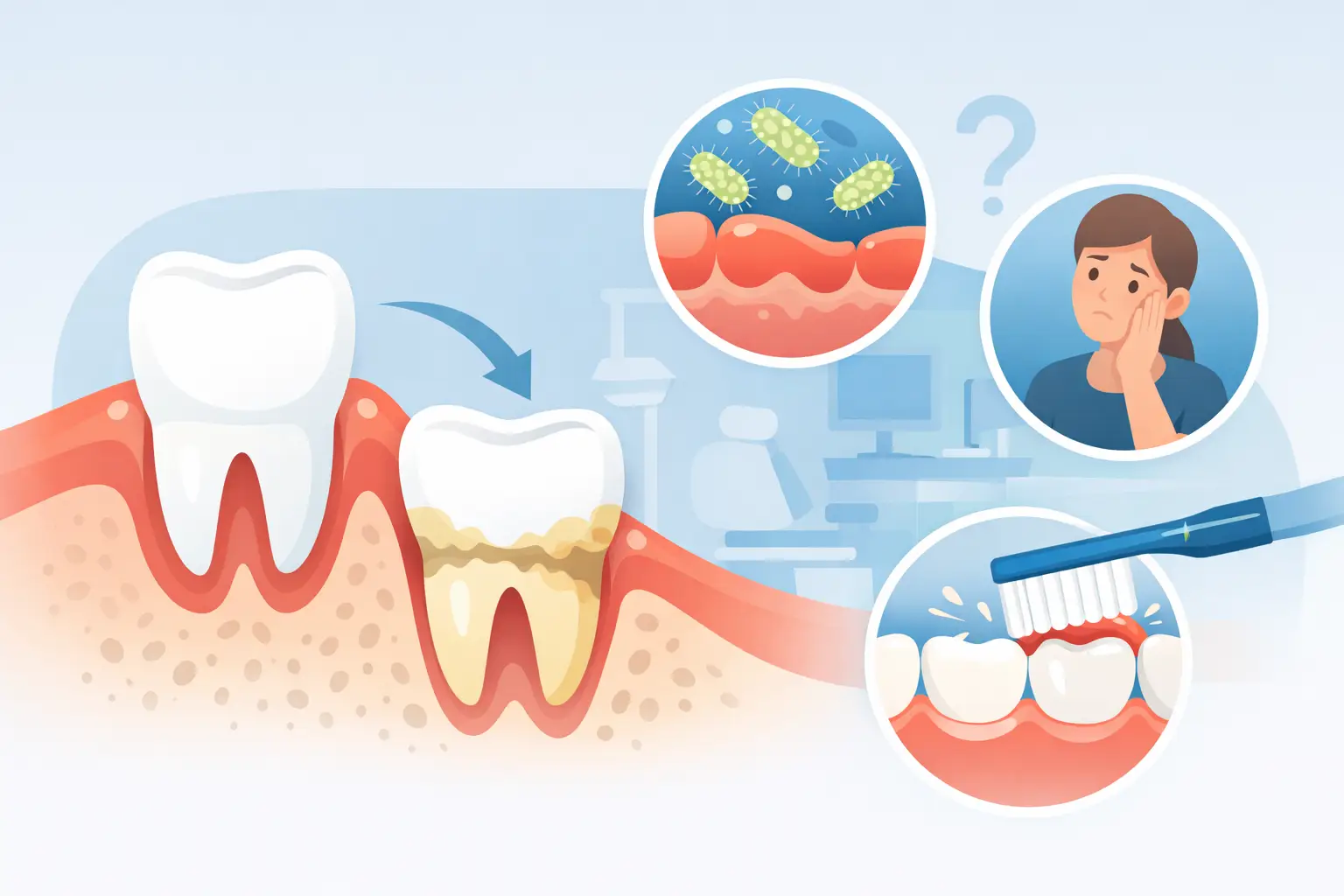
Gum disease begins when plaque collects along and below the gumline. Plaque is a sticky film of bacteria that hardens into tartar if it is not removed thoroughly. As the body responds to this infection, the gums can become inflamed, bleed easily, and gradually pull away from the teeth.
In its earlier stage, called gingivitis, gum inflammation may be reversible with consistent hygiene and professional cleanings. When the disease progresses to periodontitis, it can damage the supporting bone and connective tissue around teeth. This loss of support is a major reason gums recede and teeth may eventually feel loose.
Brushing too hard or using the wrong technique
Brushing is essential, but scrubbing aggressively does not make teeth cleaner. A hard-bristled brush, excessive pressure, or a forceful back-and-forth motion can wear down the gumline and contribute to recession, particularly around canines and premolars.
A soft-bristled toothbrush and gentle, angled strokes are usually the better choice. An electric toothbrush with a pressure sensor can also be helpful for people who tend to brush too hard. Your dental team can demonstrate a technique that cleans effectively without traumatizing delicate gum tissue.
Genetics, thin gums, and tooth position
Some people naturally have thinner gum tissue or a thinner layer of bone around certain teeth. This does not mean recession is inevitable, but it can make the gums less tolerant of inflammation, brushing pressure, or orthodontic movement.
Teeth that sit slightly outside the natural curve of the jaw may also have less bone and gum support on the front surface. Recession can become more noticeable around a single tooth in these situations. A careful exam helps distinguish a local structural issue from generalized gum disease.
Clenching, grinding, and bite pressure
Clenching or grinding can place heavy forces on teeth and the surrounding tissues. It is not always the sole cause of gum recession, but it can worsen existing problems, especially when teeth meet unevenly or when gum tissue is already thin. Morning jaw soreness, worn tooth edges, headaches, and broken dental work can be clues that excessive bite pressure is involved.
A custom nightguard, bite evaluation, or restorative treatment may be recommended depending on the source of the pressure. The right approach depends on your teeth, your bite, and the health of the supporting gums and bone.
Tobacco use, oral piercings, and other irritants
Smoking and other tobacco use increase the risk of gum disease and can mask warning signs such as bleeding. Tobacco also affects healing, which can complicate treatment. Piercings in the lip or tongue can repeatedly rub against gum tissue and cause localized recession, often near the lower front teeth.
Other contributors can include inconsistent flossing, hormonal changes, diabetes that is not well controlled, and certain medications that cause dry mouth. Dry mouth reduces saliva’s natural protective effect, allowing plaque to build up more easily.
Signs That Receding Gums Need Attention
Recession often develops slowly, so it is easy to miss until sensitivity or cosmetic changes become obvious. You may notice teeth appearing longer, small spaces or dark triangles near the gumline, or a notch near the base of a tooth. Sensitivity to cold, sweets, or brushing is also common when roots are exposed.
Bleeding, puffiness, persistent bad breath, a bad taste, pus near the gums, or shifting teeth are more urgent signs that gum disease may be active. Healthy gums do not routinely bleed during brushing or flossing. Bleeding is not something to brush harder to solve.
It is also possible to have recession without pain. For that reason, regular exams and periodontal measurements matter. They allow your dentist to identify changes before they become more complex to treat.
Can Receding Gums Grow Back?
Gum tissue that has receded does not typically grow back on its own. However, treatment can control the cause, protect exposed roots, reduce sensitivity, and improve the appearance of the gumline. In selected cases, gum grafting or other periodontal procedures can cover exposed roots and reinforce thin tissue.
The appropriate treatment depends on what is causing the recession and how much bone support remains. If plaque and gum inflammation are the main concern, a professional cleaning or deeper periodontal treatment may be the first step. Modern options, including laser-assisted gum therapy, can help treat gum disease with a focus on precision and patient comfort.
If brushing trauma is contributing, changing your brush and technique may prevent further damage. When a root surface has developed a groove or cavity, a tooth-colored restoration may protect the area and reduce sensitivity. If clenching is involved, protecting the teeth from excessive force can support long-term stability.
A cosmetic concern is valid, too. Recession can make a smile look uneven, expose darker root surfaces, and create gaps between teeth. Still, cosmetic treatment should be planned only after the gums are healthy and stable. Whitening, veneers, bonding, or orthodontic treatment may be considered in some cases, but they should complement, not replace, periodontal care.
What You Can Do at Home
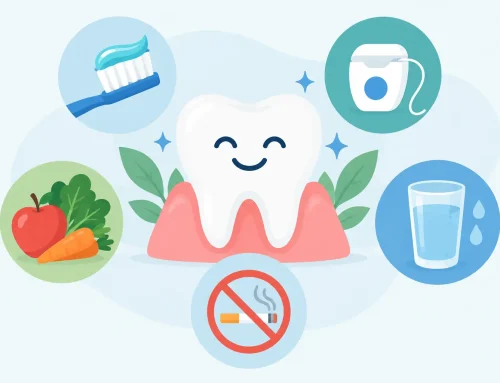
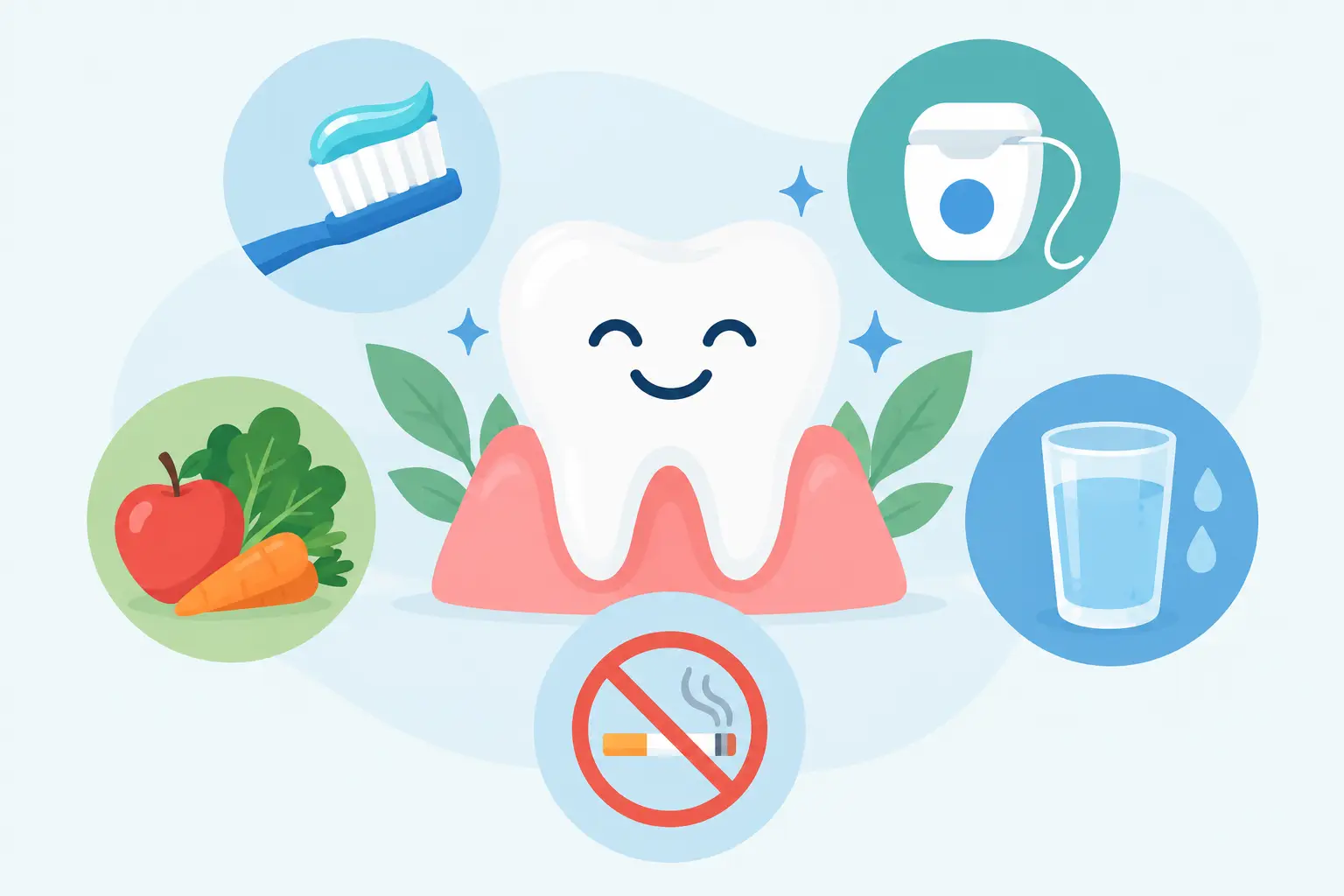
At-home care cannot replace treatment for active gum disease, but it has a meaningful role in protecting your results. Brush twice daily with a soft brush and fluoride toothpaste, using light pressure at the gumline. Clean between the teeth every day with floss, interdental brushes, or another tool recommended for your mouth.
Avoid trying to “toughen up” gums by brushing harder. Also, do not stop flossing because your gums bleed. Gentle, consistent cleaning often reduces bleeding caused by early inflammation, although persistent bleeding should be evaluated promptly.
If sensitivity is bothersome, a toothpaste designed for sensitive teeth may help over several weeks. Avoid overly abrasive whitening products unless your dentist confirms they are appropriate for your enamel and exposed roots. Limiting tobacco use and keeping regular hygiene appointments are equally valuable steps.
When to Schedule a Dental Visit
Schedule an evaluation if you notice a new change in your gumline, sensitivity that lingers, bleeding, swelling, or teeth that seem longer or less stable. Earlier care is usually more comfortable, more conservative, and more predictable than waiting until gum disease has caused substantial loss of support.
At Finesse Family Dental, a thorough assessment can look at gum measurements, bone levels, plaque buildup, bite forces, and the condition of individual teeth. From there, your care can be tailored to your needs, whether that means improved home care, periodontal treatment, sensitivity relief, or a plan to restore a more balanced gumline.
Your gums are the foundation of your smile. If something looks or feels different, a timely dental visit can provide clarity, relief, and a practical path toward protecting your teeth for years to come.