A rough spot on a tooth, a faint white mark near the gumline, or sensitivity after something sweet can make it tempting to search for a home remedy instead of scheduling a dental visit. Many patients ask, can cavities heal naturally? The honest answer depends on how far tooth decay has progressed. Very early damage may be strengthened, but a true cavity – a hole in the tooth – cannot grow back on its own.
That distinction matters because acting early can sometimes prevent the need for a filling. Waiting for a visible hole, ongoing sensitivity, or pain can allow decay to reach deeper layers of the tooth, where treatment becomes more involved.
Can cavities heal naturally in the early stage?
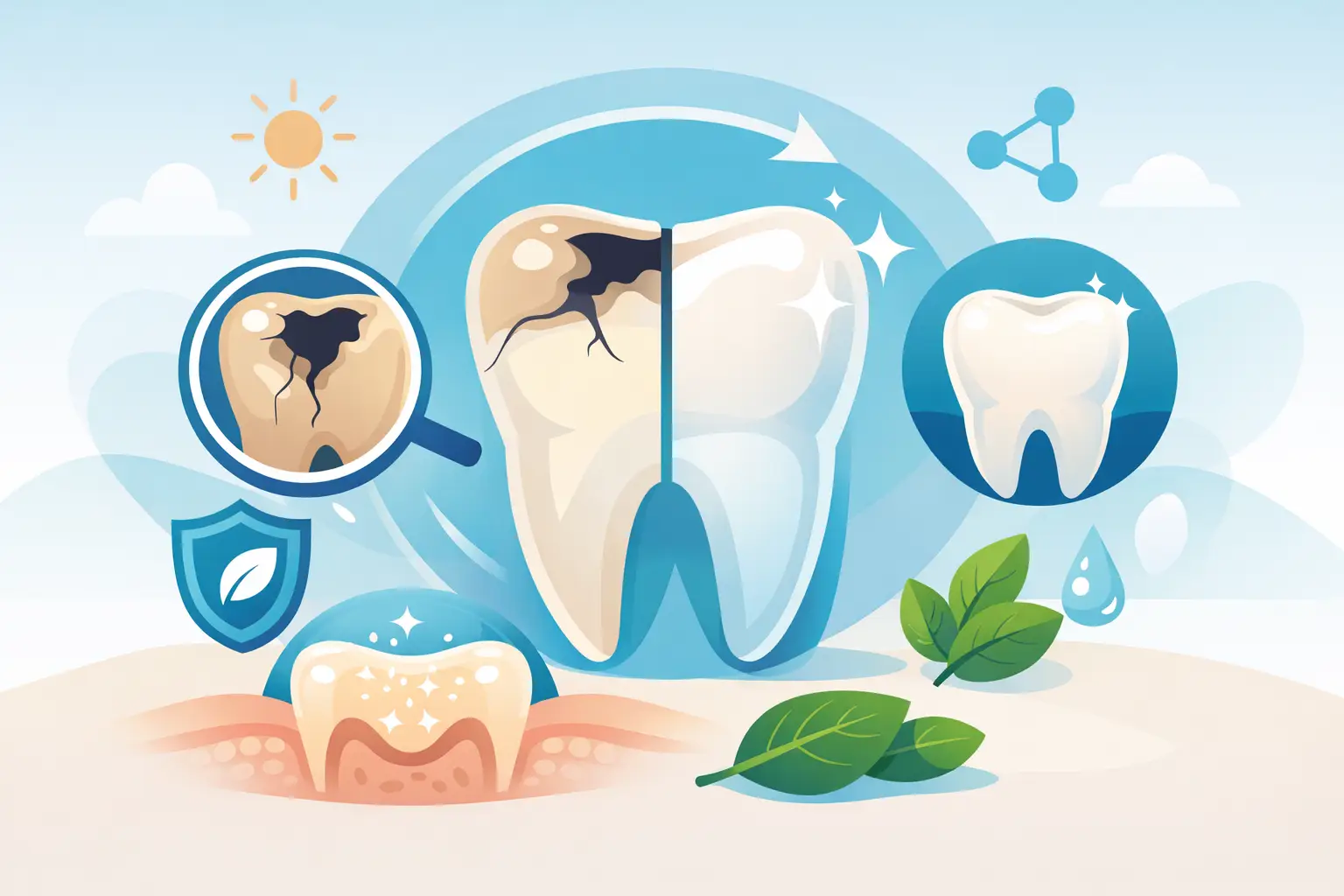
Teeth are constantly going through a cycle of mineral loss and mineral repair. When bacteria in plaque feed on sugars and starches, they produce acids that pull minerals from enamel. This is called demineralization. Saliva, fluoride, and minerals such as calcium and phosphate can help return minerals to the enamel, a process called remineralization.
If a dentist finds an early weak area before the enamel has broken down, that area may be able to reharden. It will not recreate a perfectly new tooth surface, but it can become stronger and less likely to progress. Early decay often appears as a chalky white spot, though it is not always visible without a professional exam and X-rays.
A true cavity is different. Once decay has created a hole or softened the tooth structure, the body cannot rebuild that missing enamel or dentin. The area may stop progressing under the right conditions, but it remains structurally damaged and can trap bacteria. In most cases, a filling is the most reliable way to remove decay and restore the tooth’s shape and strength.
Why a cavity cannot simply “heal” at home
Enamel is the hardest substance in the body, but it does not contain living cells that can regenerate after it is lost. Dentin, the layer beneath enamel, has limited ability to respond to irritation, yet it cannot fill in a cavity the way skin heals after a cut.
This is why natural approaches should be viewed as preventive support, not a substitute for diagnosis or treatment. A healthier diet, thorough brushing, fluoride toothpaste, and good saliva flow can all reduce the conditions that allow decay to advance. They cannot remove infected tooth material or reliably seal a hole from bacteria.
Some people notice that tooth sensitivity improves after changing their routine and assume the cavity is gone. Sensitivity can fluctuate for many reasons, including reduced acid exposure or less gum irritation. Decay can still be present even when a tooth stops hurting. In fact, pain often becomes more noticeable only when decay gets close to the nerve.
What can help remineralize early enamel damage?
For early enamel demineralization, daily habits can make a meaningful difference. The goal is to reduce frequent acid attacks and give teeth the minerals and time they need to recover between meals.
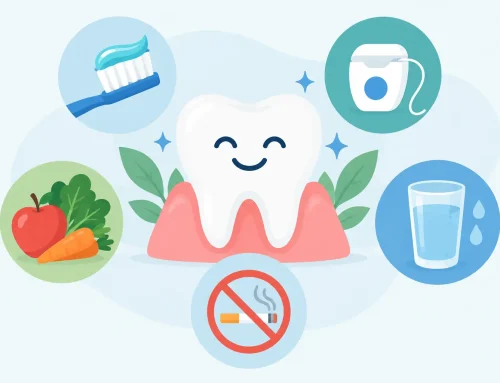
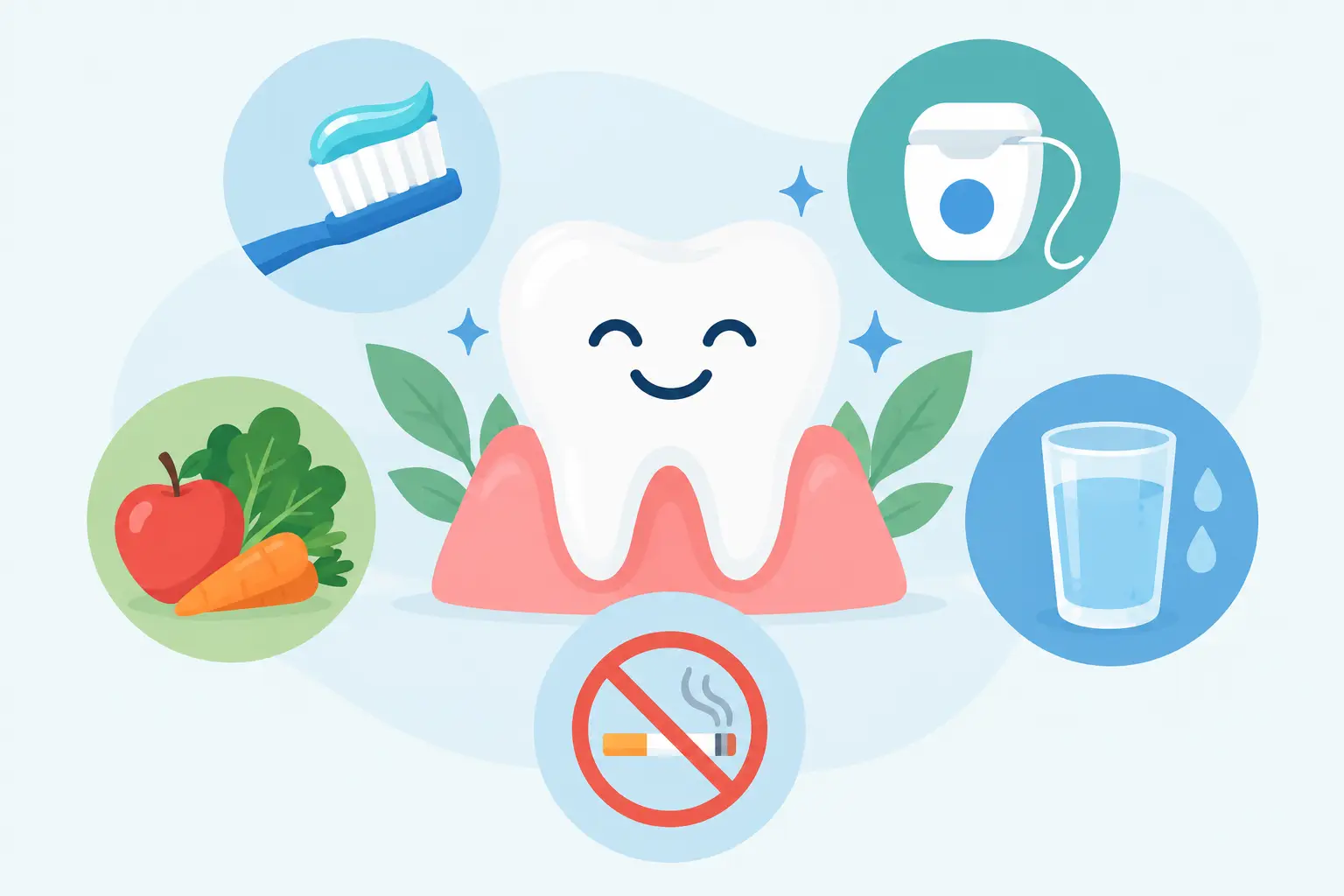
Brush twice a day with fluoride toothpaste, especially before bed. Fluoride helps enamel resist future acid attacks and supports remineralization. After brushing, spit out the excess toothpaste rather than rinsing thoroughly with water, so a small amount of fluoride remains on the teeth.
Cleaning between teeth once a day is equally important. Cavities often begin where a toothbrush cannot reach well, especially between back teeth. Floss, interdental brushes, or another dentist-recommended cleaner can remove plaque from these high-risk areas.
Food and drink timing also matters. It is not only the amount of sugar that affects teeth, but how often teeth are exposed to it. Sipping sweetened coffee, soda, sports drinks, juice, or flavored sparkling water throughout the day keeps the mouth acidic for longer. Having these items with a meal, choosing water between meals, and avoiding frequent grazing can be kinder to enamel.
Saliva is one of the mouth’s natural defenses. Dry mouth from medications, dehydration, mouth breathing, or certain health conditions can raise cavity risk because saliva helps wash away food particles and neutralize acids. Sugar-free gum may help stimulate saliva for some people, but persistent dry mouth deserves a conversation with a dentist or physician.
Be cautious with popular “natural” cavity remedies
There is no reliable evidence that oil pulling, charcoal toothpaste, supplements, or essential oils can close a cavity. Some practices may leave the mouth feeling fresh, but they should not replace fluoride toothpaste, professional cleanings, or restorative care when it is needed.
A few popular approaches can cause harm. Abrasive charcoal products may wear down enamel or dental restorations. Brushing with baking soda too aggressively can irritate gums and contribute to enamel wear. Applying acidic substances directly to teeth can weaken enamel further. Even a product marketed as natural is not automatically safe or effective for tooth decay.
If you prefer a more conservative approach, the best first step is still a dental evaluation. Conservative dentistry means identifying whether a spot can be monitored and strengthened or whether it needs treatment now. It does not mean leaving active decay untreated.
When a filling or other treatment is needed
A dentist may recommend a filling when the enamel surface has broken, decay has reached dentin, or an area is likely to worsen because it cannot be cleaned effectively. Modern fillings are designed to restore function while preserving as much healthy tooth structure as possible.
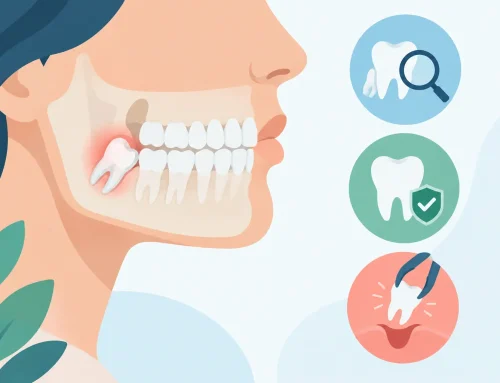
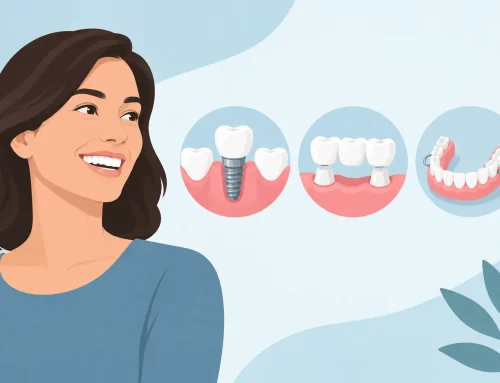
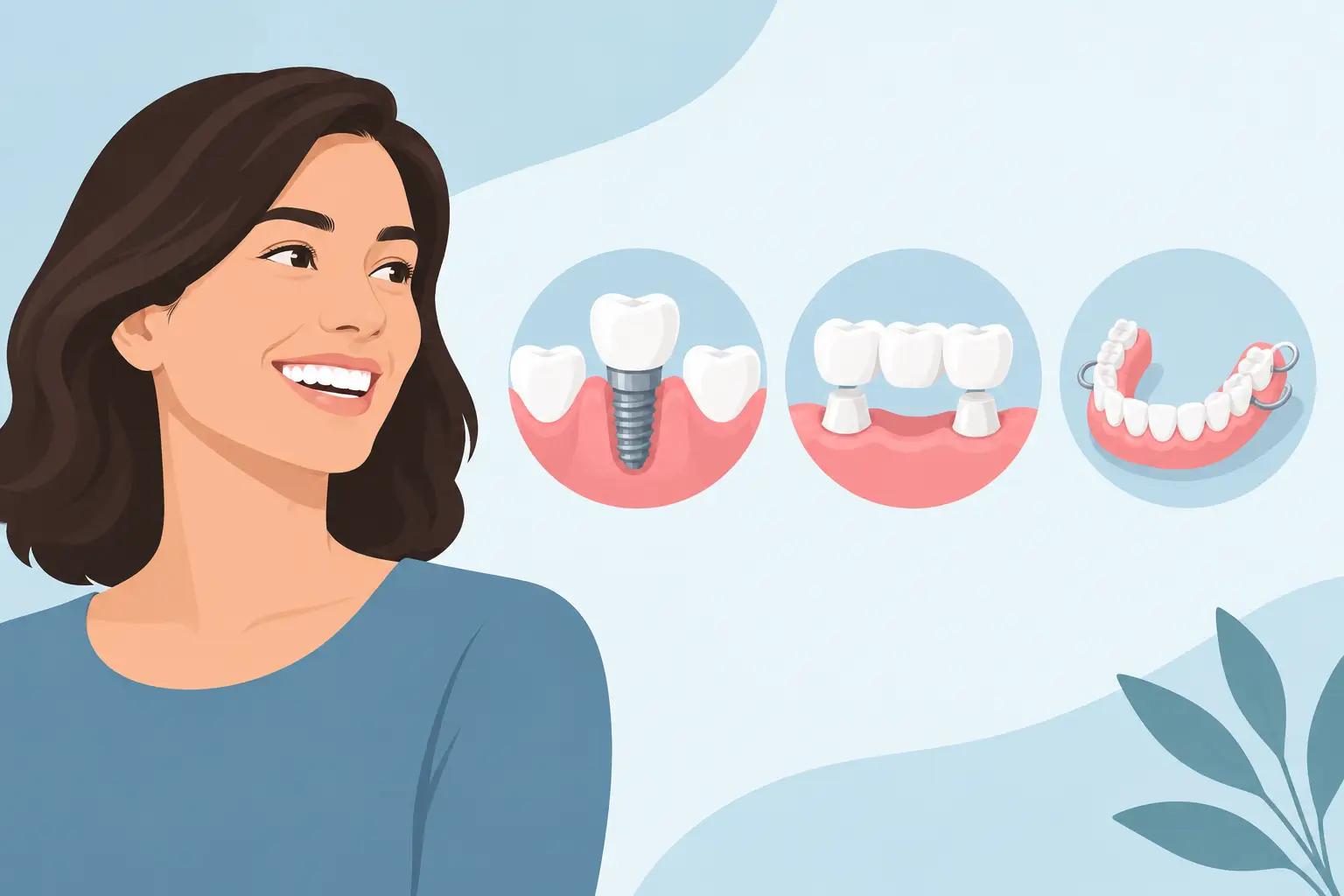
If decay reaches the inner pulp, where the tooth’s nerve and blood supply are located, a root canal and crown may be necessary to save the tooth. When a tooth cannot be saved, replacement options such as a bridge, denture, or dental implant can restore chewing ability and appearance. These situations are exactly why small cavities are worth addressing early.
Seek prompt care if you have a toothache, lingering sensitivity to hot or cold temperatures, swelling, a pimple-like bump on the gums, pain when biting, or a chipped area that feels soft. An infection can develop even if symptoms come and go. Dental emergencies are easier to manage when they are evaluated before swelling or severe pain develops.
What a dental exam can tell you that a mirror cannot
Not all cavities are easy to see. Decay can form between teeth, under old fillings, near the gumline, or in the grooves of molars. During an exam, your dentist can check for changes in tooth structure, assess your individual cavity risk, and use X-rays when appropriate to see areas hidden from view.
This also helps avoid unnecessary treatment. A white spot or dark groove does not automatically mean a tooth needs a filling. A careful exam can distinguish a stain, a stable area, early demineralization, and active decay. From there, your care plan may include fluoride treatment, sealants, improved home care, monitoring, or restorative treatment based on what your teeth actually need.
For families, regular visits are especially valuable because children and teens can develop cavities quickly in newly erupted molars, while adults may face different risks from dry mouth, gum recession, older restorations, or frequent snacking. Personalized prevention is more effective than a one-size-fits-all routine.
A gentle, practical next step
If you are wondering whether a spot can be remineralized or whether it is already a cavity, do not rely on symptoms alone. A comfortable, timely exam can provide a clear answer and a plan that fits your needs, whether that means prevention, monitoring, or a simple restoration.
At Finesse Family Dental, we believe informed care helps patients feel more at ease. Bringing up a concern early gives you more choices, often keeps treatment simpler, and helps protect the healthy smile you use every day.