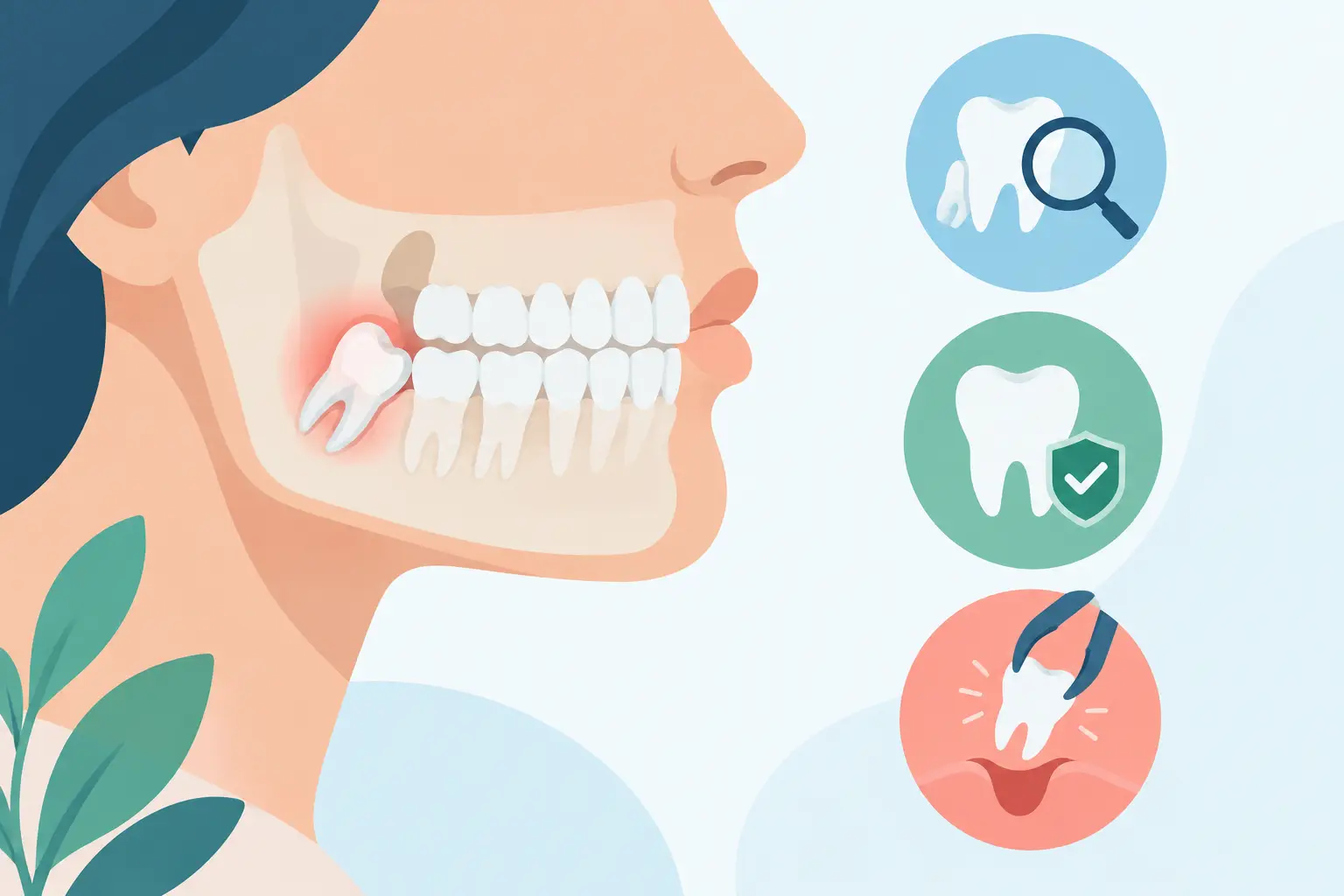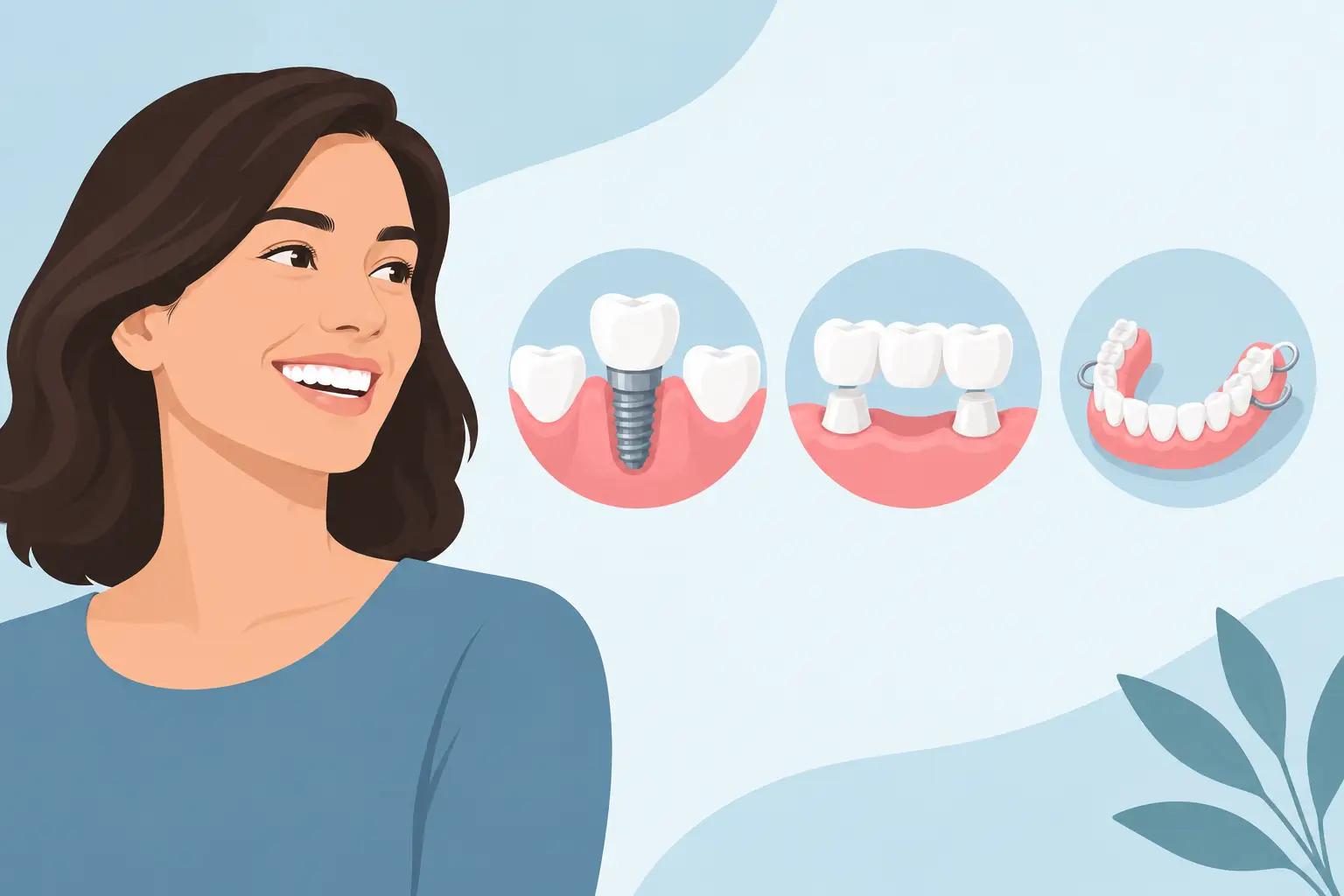
A cracked tooth, lost filling, or old crown that suddenly fails can turn an ordinary workday into a stressful dental concern. Same day dental crown options can be appealing when you want to protect the tooth quickly without making multiple trips to the dentist. Still, the best choice is not always the fastest one. The right treatment depends on the condition of your tooth, the location in your smile, your bite, and the type of restoration needed for lasting results.
At Finesse Family Dental, treatment recommendations begin with a close look at your oral health and your goals. Whether you need relief after unexpected damage or want to replace a worn restoration before it becomes an emergency, you deserve clear answers and care that feels comfortable from start to finish.
What Does a Same-Day Crown Actually Mean?
A dental crown is a custom cover that fits over a tooth to restore its shape, strength, function, and appearance. Crowns are often recommended after significant decay, a fracture, a large filling, root canal treatment, or repeated dental work that has weakened the tooth.
A true same-day crown is designed, made, and placed during one dental appointment. The dentist prepares the tooth, captures a digital image or impression, creates the crown from a ceramic block using in-office technology, and bonds it into place after checking the fit and bite.
Not every crown can or should be completed in one visit. In some cases, the best immediate solution is to prepare the tooth and place a temporary crown while a dental laboratory fabricates the final restoration. That process generally takes a few weeks, but it may offer additional material choices or be better suited to complex cosmetic and restorative needs.
Same Day Dental Crown Options to Consider
The options available to you depend on the tooth being restored and what your dentist sees during the examination. A discussion about timing should always include the materials, expected durability, and appearance you want from your crown.
Chairside ceramic crowns
Chairside ceramic crowns are the option most people mean when they ask about a same-day crown. These restorations are milled in the dental office from a solid ceramic material after a digital scan of the prepared tooth. Ceramic can provide a natural tooth-colored result, especially for many visible teeth and moderate-force areas of the mouth.
The convenience is meaningful: you may avoid a temporary crown and return to your normal routine sooner. However, convenience is only one factor. The dentist still needs to confirm that the tooth has enough healthy structure, the crown design can be accurately created in one appointment, and your bite will not place excessive force on the restoration.
Traditional lab-made crowns
Lab-made crowns remain an excellent and often preferred choice. After the tooth is prepared, you receive a temporary crown while a dental laboratory creates the final one. The laboratory can offer a broad range of materials and detailed customization, which may be particularly helpful for front teeth, complex bite situations, bridges, or crowns that need to closely match neighboring teeth.
A temporary crown is not simply a placeholder. It protects the prepared tooth, helps maintain spacing, and lets you function while the final crown is being made. You will need to be mindful of very sticky or hard foods until your final visit, but many patients find the extra time worthwhile for a highly tailored result.
Metal-supported and high-strength crowns
For back teeth that handle heavy chewing pressure, a dentist may recommend a high-strength material. Depending on the clinical situation, this may include zirconia, porcelain fused to metal, or another durable option. These crowns can be very strong, but each material has trade-offs involving appearance, thickness, wear on opposing teeth, and the amount of tooth preparation required.
A crown for a molar is not necessarily less important cosmetically. It still needs to feel right, allow you to chew comfortably, and support a healthy bite. The material decision should be based on function as much as color.
Immediate protection before the final crown
If a tooth is painful, badly fractured, or at risk of further damage, same-day care may focus first on stabilizing it. That can include removing decay, placing a protective build-up, treating the nerve when necessary, or placing a temporary crown. While this is not a completed same-day crown, it can be the safest way to address the urgent problem promptly.
This distinction matters. Protecting the tooth today and completing the final restoration later is often better than rushing a crown onto a tooth that needs more treatment or time to heal.
When Is a One-Visit Crown a Good Fit?
A same-day crown may be a good option when the tooth is stable, the gum tissue is healthy enough for accurate scanning, and there is no need for additional treatment beneath the crown. It can be especially convenient for working professionals, parents balancing family schedules, and patients who prefer to minimize time away from work or school.
It may not be the ideal approach if there is extensive decay below the gumline, active gum disease, a deep crack, a complicated bite, or a need for root canal treatment. Teeth with limited remaining structure may need a foundation or post before they can safely support a crown. If you grind or clench your teeth, your dentist may also discuss a nightguard to protect your new restoration, regardless of how it was made.
The goal is not to place a crown in the shortest possible time. The goal is to help it last.
What to Expect During the Appointment
Your visit starts with an examination and imaging to evaluate the tooth, its roots, the surrounding bone, and nearby teeth. If a crown is appropriate, the area is numbed for comfort before the dentist gently reshapes the tooth to make room for the restoration.
For a one-visit crown, a digital scan creates a detailed three-dimensional model. The crown is then designed to fit your tooth and bite, fabricated in the office, and carefully adjusted before bonding. Even in a same-day appointment, precision matters. Your dentist will check how the crown meets the teeth above and below it so it does not feel too high when you chew.
After a crown is placed, some mild sensitivity is possible for a short time, especially with hot or cold foods. Call the dental office if you have persistent pain, swelling, pressure when biting, or a crown that feels loose or uneven. A small adjustment can make a major difference in your comfort.
Questions Worth Asking Before You Choose
Before deciding between same-day and lab-made treatment, ask what material is recommended and why. You may also want to ask whether the tooth needs any additional treatment first, how the crown will be matched to surrounding teeth, and what care will help it last.
Insurance coverage is another practical consideration. Many PPO plans provide benefits for crowns when they are medically necessary, but coverage amounts, waiting periods, deductibles, and frequency limits vary. A dental team can help you understand your estimated benefits before treatment, while keeping the focus on the restoration that best supports your health.
Making Your Crown Last
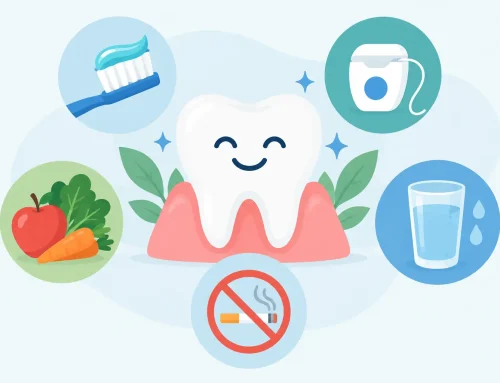
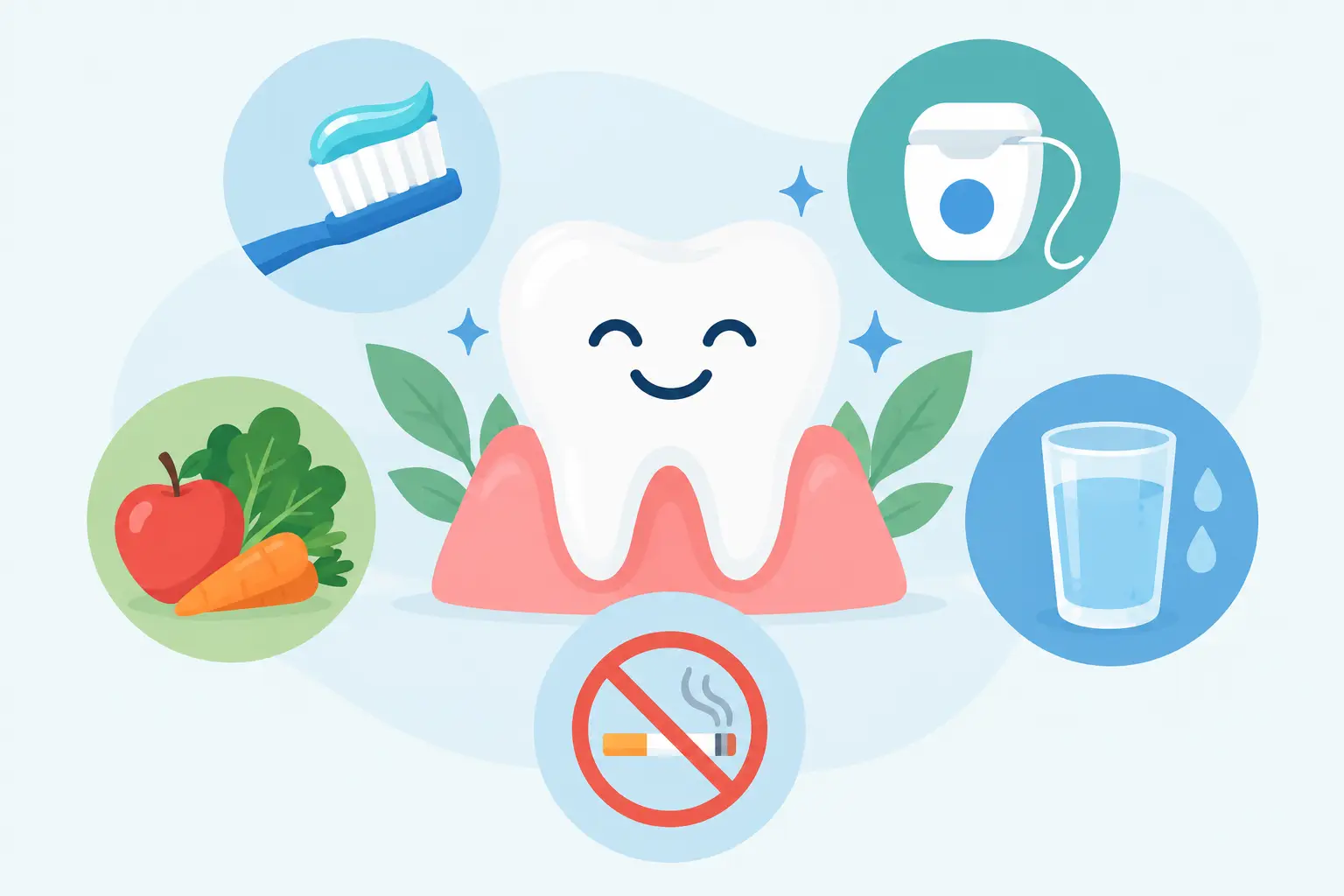
A crown is durable, but it still needs daily care. Brush twice a day with fluoride toothpaste, clean between teeth every day, and keep regular hygiene visits so the gumline around the crown stays healthy. Decay can still develop at the edge where a crown meets the natural tooth.
Avoid using your teeth to open packaging or bite hard objects. If you clench, grind, or wake with jaw soreness, mention it during your visit. A protective nightguard may help reduce the forces that can chip a crown, crack a tooth, or loosen a restoration over time.
If you are dealing with a damaged tooth, the most helpful next step is a timely evaluation. A calm, personalized conversation can clarify whether a same-day solution fits your needs or whether a carefully planned lab-made crown will give your smile the stronger, more predictable result it deserves.