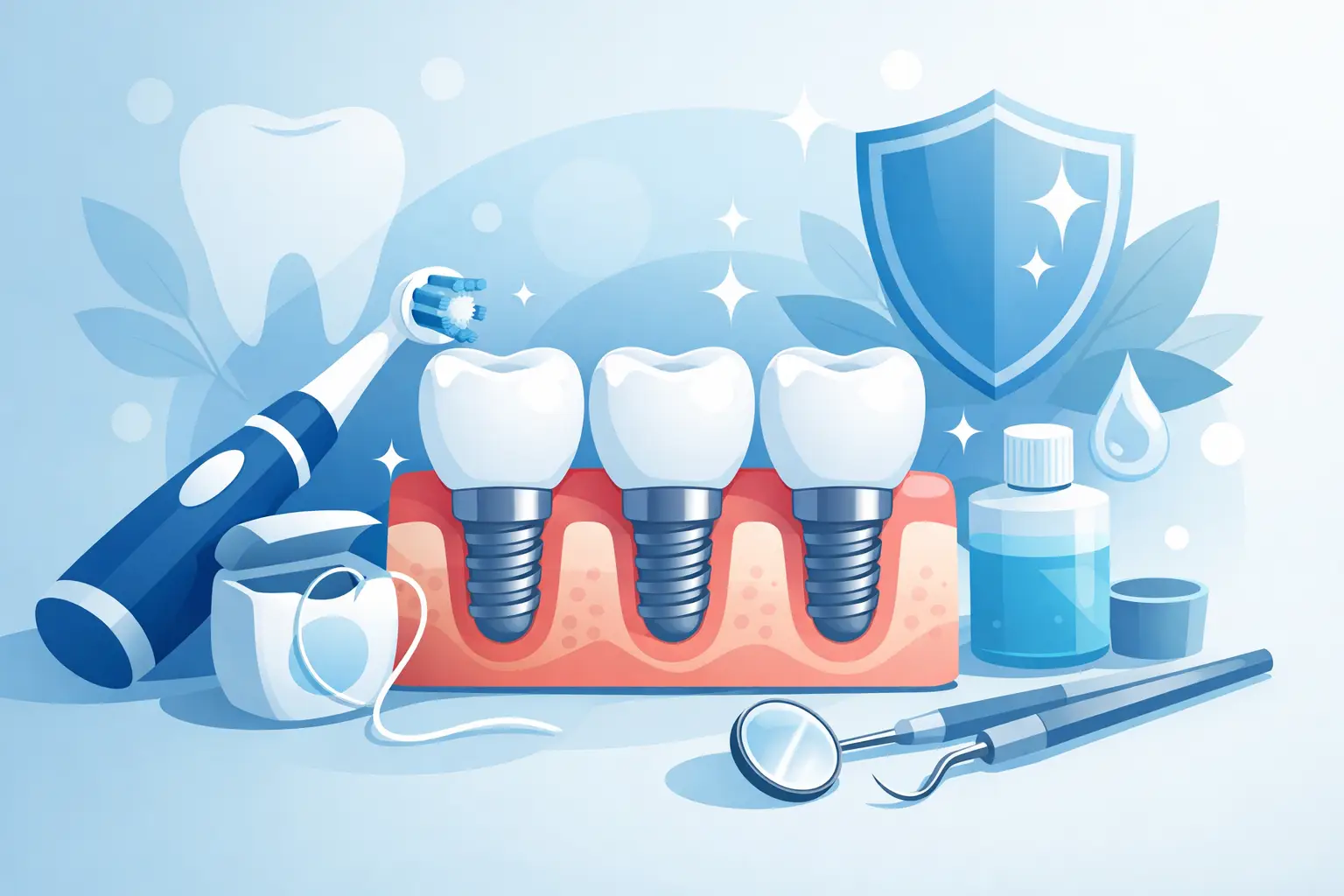
A dental implant can make eating, speaking, and smiling feel natural again. But unlike a natural tooth, an implant cannot signal trouble with a cavity or toothache. Learning how to maintain dental implants means protecting the gums and bone around them before a small issue affects the stability of your restoration.
With attentive home care and regular professional visits, dental implants can be a long-lasting solution for missing teeth. The routine is not complicated, but consistency matters. Your implant crown may look and feel like a tooth, yet the tissues supporting it need daily attention.
Start With Gentle, Thorough Daily Cleaning
Plaque can still collect around an implant crown and along the gumline. While the implant itself cannot decay, bacteria can irritate the surrounding gums and contribute to inflammation or bone loss. That is why brushing twice a day remains essential.
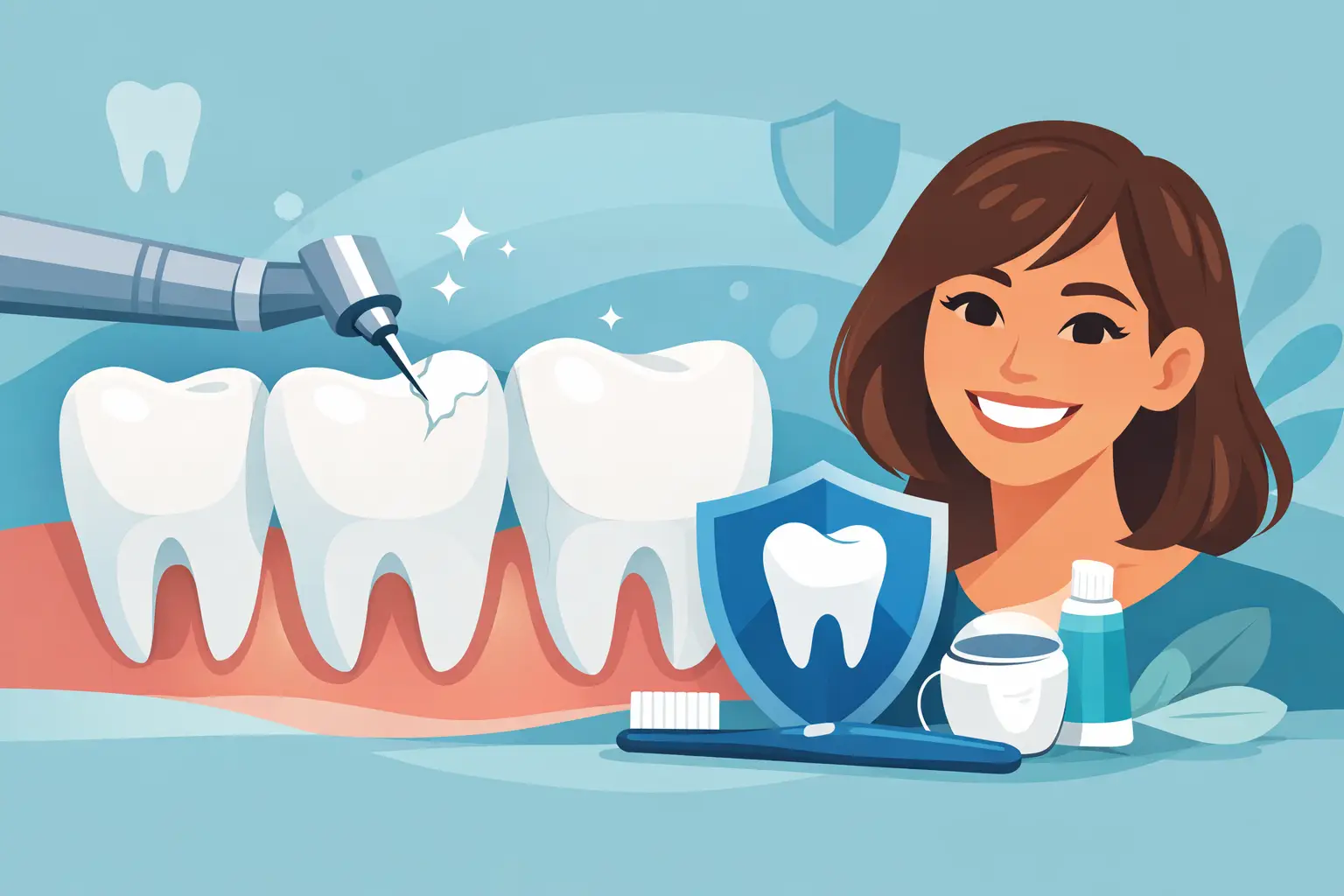
Use a soft-bristled toothbrush and fluoride toothpaste, cleaning the front, back, and chewing surfaces of the crown as well as the gumline. An electric toothbrush can be a helpful option for many patients because it makes thorough cleaning easier, especially around back teeth. The goal is clean teeth and healthy gums, not aggressive scrubbing.
Brush gently near the implant. Hard brushing will not make the area cleaner, and it can irritate gum tissue or wear down nearby natural teeth. If you have several implants, a fixed bridge, or a full-arch restoration, ask your dentist to show you the best angle and technique for reaching underneath and around the restoration.
Clean Between Teeth Every Day
A toothbrush cannot fully clean the spaces between teeth or the area where an implant restoration meets the gums. Daily interdental cleaning is one of the most valuable habits you can build.
Traditional floss works well for many single implants. If you have an implant-supported bridge, floss threaders, implant-specific floss, or a water flosser may make it easier to clean beneath the bridge. Small interdental brushes can also help, but the size should fit comfortably. A brush that is too large can traumatize the gums, while one that is too small may not clean effectively.
There is no single tool that is right for every smile. Your dentist or hygienist can recommend an approach based on the type, location, and number of implants you have. The best option is the one you can use gently and consistently every day.
Keep Your Gums Healthy Around the Implant
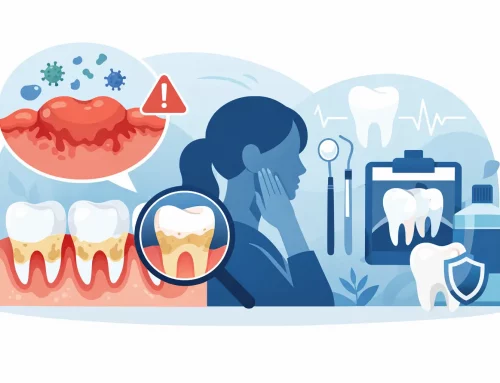
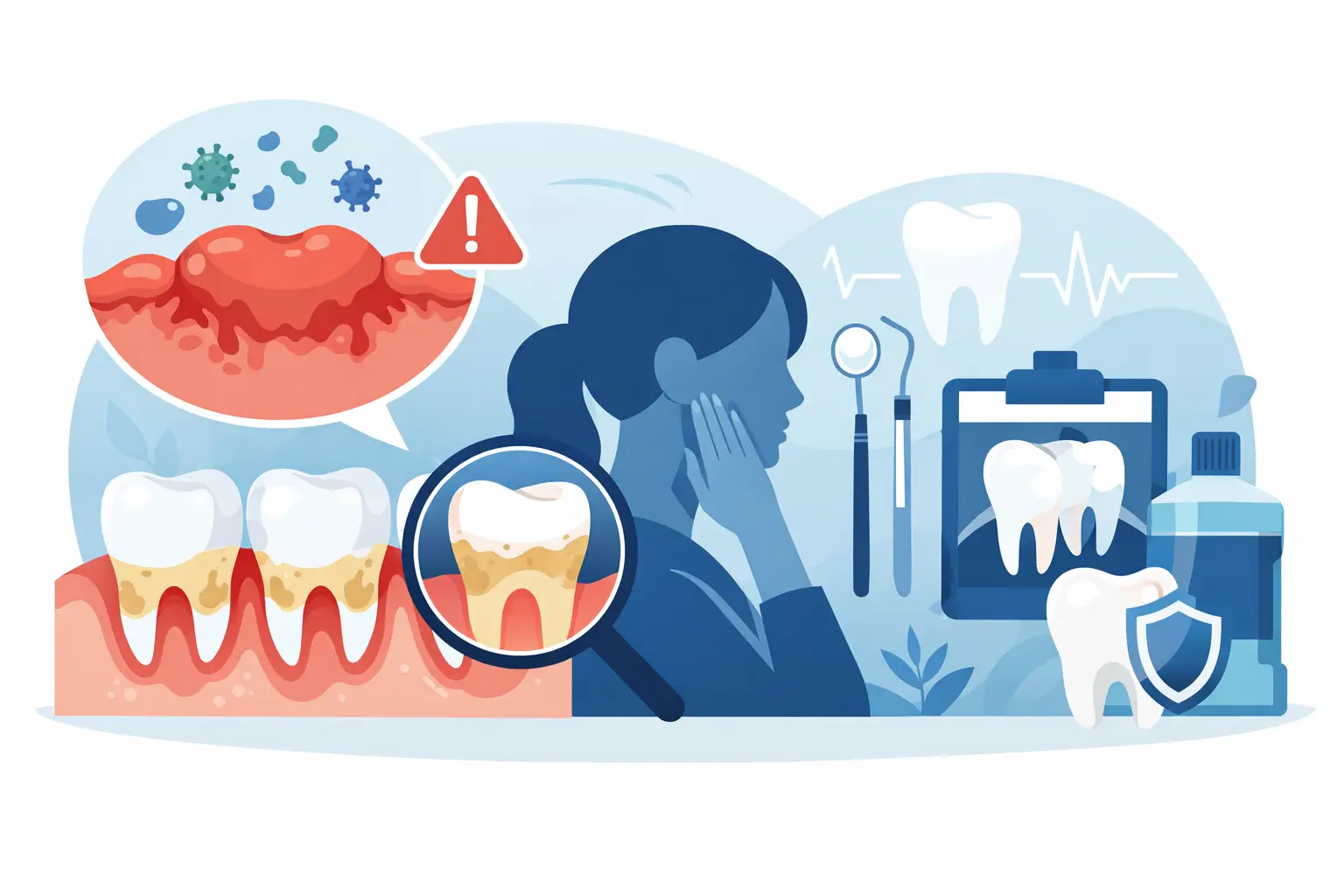
Healthy gums are the foundation of successful implant care. Redness, tenderness, bleeding, swelling, or persistent bad breath are not concerns to ignore just because the implant itself does not hurt. These may be early signs of inflammation around the implant.
In its early stage, inflammation may be limited to the gums and can often be managed with improved cleaning and professional care. If infection progresses to affect the supporting bone, it becomes more serious and may threaten the implant over time. Patients with a history of gum disease should be especially consistent about periodontal maintenance appointments.
Smoking and tobacco use can also make healing and gum health more difficult. Tobacco reduces blood flow to oral tissues and increases the risk of implant complications. If quitting feels overwhelming, speak with your healthcare team about practical support. Even reducing use is a positive step for your mouth and overall health.
Pay Attention to Changes, Even Small Ones
An implant should feel stable and comfortable. Contact your dental office if you notice a loose crown, a change in your bite, pressure when chewing, gum bleeding, pus, swelling, or a persistent unpleasant taste. Do not try to tighten a loose implant crown at home or wait to see whether the problem goes away.
Sometimes the concern is minor, such as a crown screw that needs adjustment or cement that needs to be checked. Addressing it early can prevent additional wear, discomfort, or stress on the implant.
Choose Foods With Your Restoration in Mind
Once an implant is fully healed and restored, most patients can enjoy a broad range of foods. That said, implants are not indestructible. Very hard foods, ice, hard candy, and using teeth to open packages can chip porcelain, loosen a restoration, or place unnecessary force on the implant.
If you recently received an implant or final crown, follow the dietary instructions provided by your dentist. Healing timelines vary depending on the location of the implant, bone quality, any grafting performed, and the type of restoration. A patient with one implant crown may have different instructions than someone recovering from a full-mouth restoration.
Try to chew on both sides of your mouth when possible. This distributes pressure more evenly across your teeth and restorations. If chewing feels different or uncomfortable, it is worth having your bite evaluated rather than adapting to it on your own.
Protect Implants From Clenching and Grinding
Nighttime clenching and teeth grinding can place heavy force on natural teeth, crowns, and implants. You may not know you grind your teeth, particularly if it occurs while you sleep. Morning jaw soreness, headaches, worn teeth, or chipped restorations can all be clues.
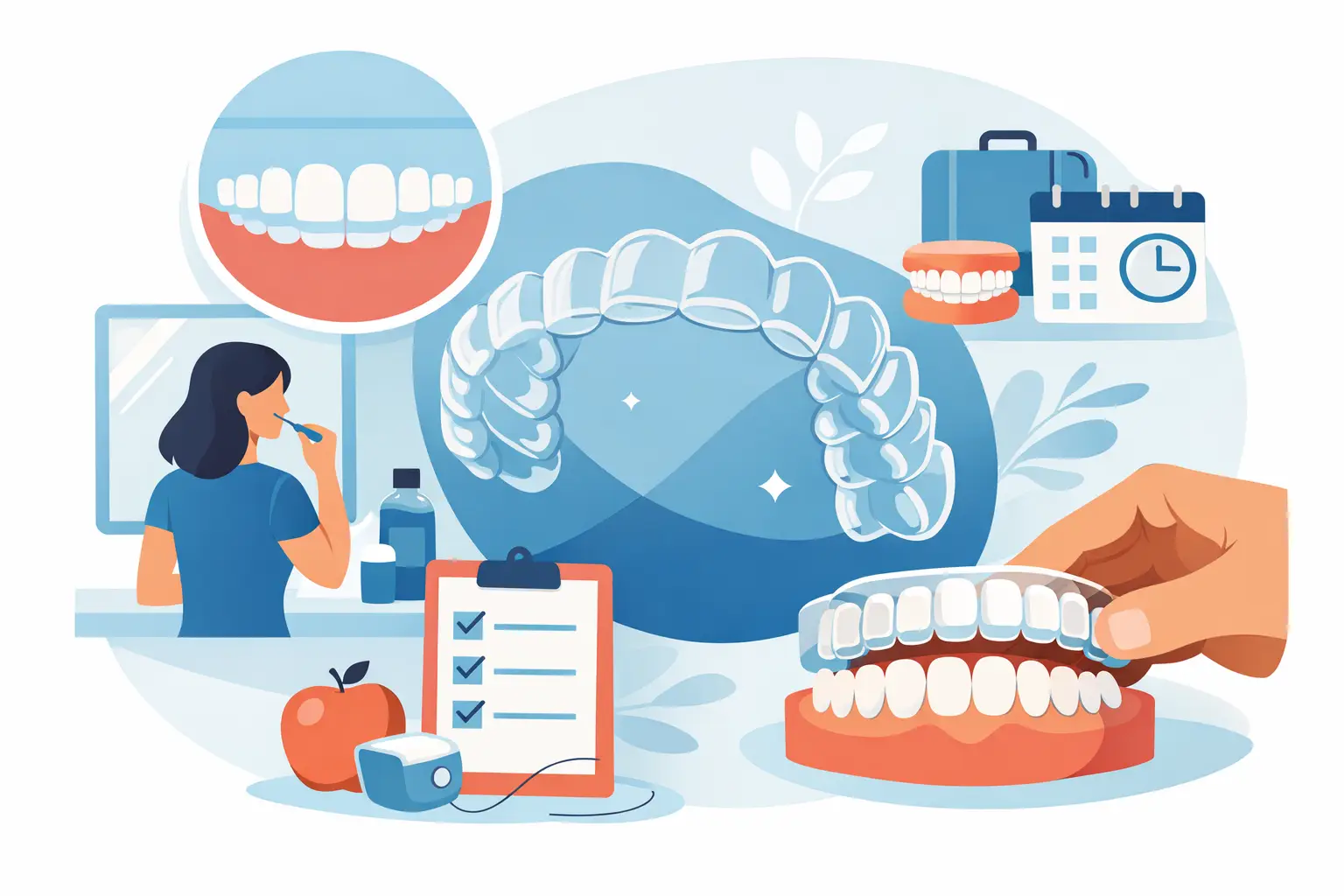
A custom night guard can help protect your implant restoration and the rest of your smile. Over-the-counter guards may be appropriate in limited situations, but a professionally fitted guard is designed for your bite and is generally more comfortable to wear. Your dentist can determine whether grinding is contributing to wear or strain.
This matters even more if you have multiple implants or cosmetic restorations. Protecting your bite is part of protecting the investment you have made in your oral health and confidence.
Schedule Regular Implant Checkups and Cleanings
Home care does a great deal, but it cannot replace professional examinations and hygiene visits. During these appointments, your dental team can remove hardened buildup, check the gum tissue, evaluate your bite, and look for subtle changes that may not be visible or noticeable at home.
X-rays may be recommended periodically to monitor the bone around an implant. Your dentist will also check that the crown, bridge, or denture is functioning properly. Depending on your gum health, medical history, and past periodontal treatment, you may benefit from visits more often than twice a year.
Be sure to tell your hygienist and dentist about any changes in medications or health conditions. Diabetes, dry mouth, immune conditions, and certain medications can affect gum health and healing. Good implant care is personal, not one-size-fits-all.
How to Maintain Dental Implants With a Simple Routine
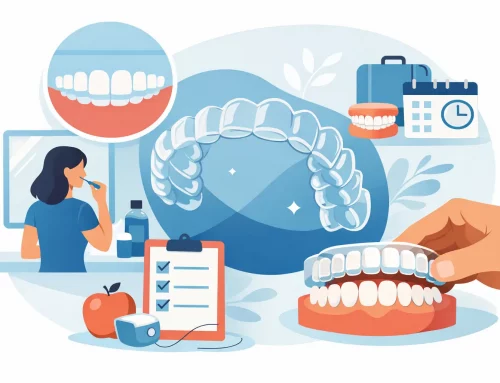
For most patients, successful implant care comes down to brushing twice daily, cleaning between teeth once daily, avoiding damaging habits, and keeping routine dental appointments. Put those habits on the same schedule as the rest of your daily care, rather than treating your implant as something that needs attention only when it feels different.
At Finesse Family Dental, we believe implant follow-up should feel clear and comfortable, not stressful. If you are unsure which cleaning tools to use, have noticed a change around your implant, or are due for a checkup, a personalized evaluation can give you practical guidance and peace of mind.
Your implant was designed to help you live with a stronger, more complete smile. A few careful minutes each day and consistent professional care can help keep it feeling that way for years to come.