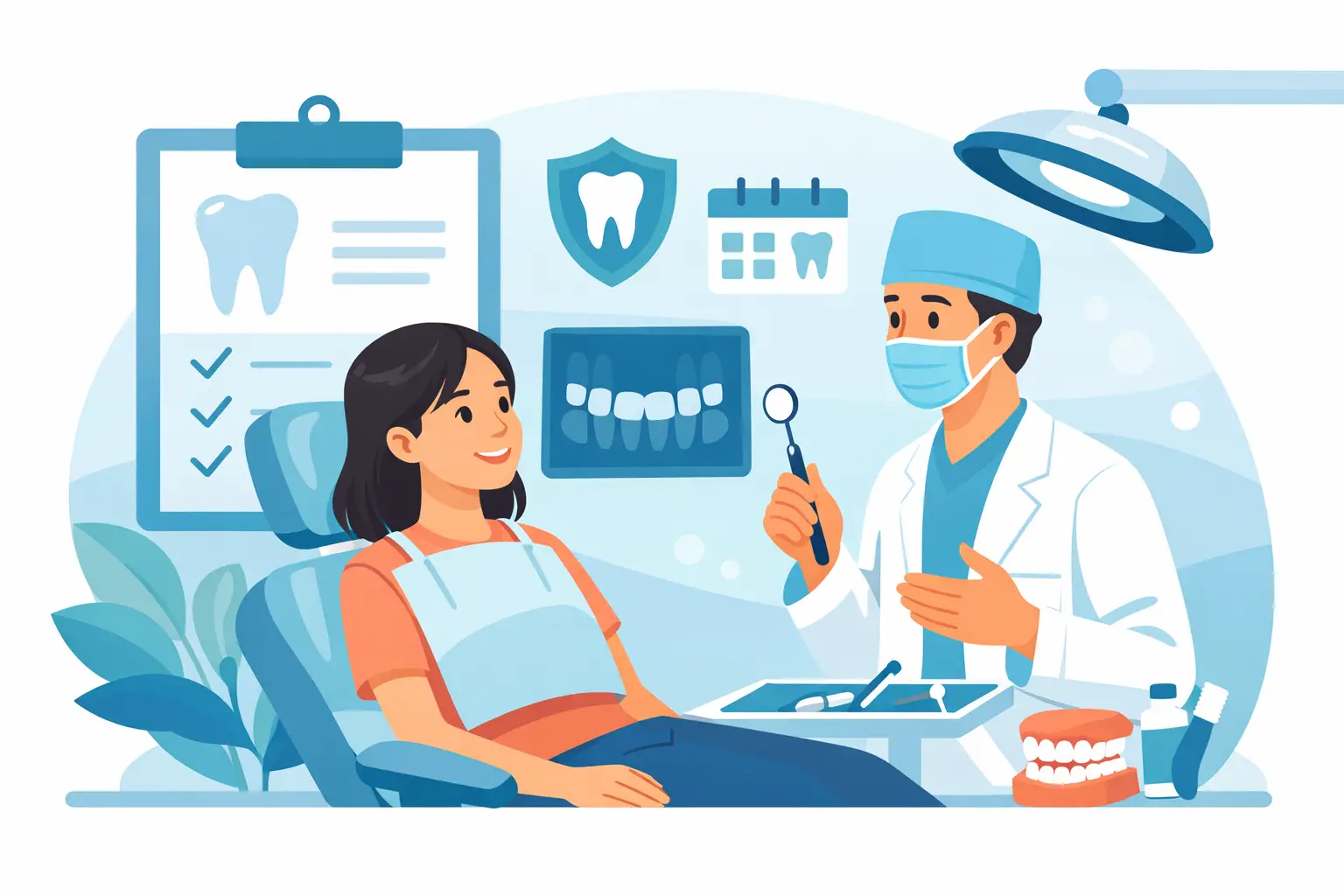
A first dental appointment can feel like a small unknown, especially if it has been years since your last visit, you have dental anxiety, or you are bringing a child for the first time. This new patient dental visit guide helps you arrive prepared and know what to expect from a visit designed around your comfort, health, and goals.
A good first visit is more than a quick look at your teeth. It gives your dental team a complete picture of your oral health, your medical history, and what matters most to you, whether that is stopping tooth pain, protecting your family’s smiles, improving the appearance of your teeth, or simply finding a dentist you can trust for ongoing care.
Before Your New Patient Dental Visit
A little preparation can make check-in easier and give your dentist the information needed to recommend care safely. If you have dental insurance, bring your insurance card and a photo ID. It is also helpful to complete any new-patient forms before your appointment if they are provided to you.
Please share an accurate health history, including medications, allergies, recent surgeries, pregnancy, medical conditions, and past experiences with dental treatment. Some health conditions and medications can affect bleeding, healing, dry mouth, gum health, or the type of anesthesia that may be appropriate. This information is not paperwork for paperwork’s sake. It helps your dental team tailor care to you.
Bring the following items when they apply:
- A photo ID and current dental insurance card
- A list of medications, supplements, and known allergies
- Recent dental X-rays or records from a previous office, if available
- Questions about discomfort, treatment concerns, cosmetic goals, or insurance coverage
If you have old X-rays, they may be useful, but do not postpone care because you cannot locate them. Your dentist can determine whether new images are needed based on your records, current symptoms, and the quality and age of any existing X-rays.
What Happens at Your First Appointment?
Your visit usually begins with a welcoming check-in and a conversation about why you scheduled. Some patients come in for a routine exam and cleaning. Others are dealing with a broken tooth, sensitive gums, jaw discomfort, or a concern about their smile. Be direct about what you are feeling and how long it has been happening. Even details that seem minor, such as sensitivity to cold drinks or bleeding when brushing, can help identify an issue early.
A conversation about your health and goals
Your dentist or hygienist will review your medical and dental history, then ask about habits and concerns. This is your opportunity to mention clenching, snoring, dry mouth, smoking or vaping, prior dental fear, and changes you have noticed in your bite or smile.
There is no need to feel embarrassed if you have delayed dental care. Many people do, for reasons ranging from a busy schedule to an unpleasant past experience. The most useful starting point is an honest conversation about where you are now and what would make treatment feel manageable.
Exams and digital imaging
A comprehensive exam typically includes an evaluation of your teeth, gums, bite, jaw, and the soft tissues in your mouth. Your dentist may screen for signs of tooth decay, cracked teeth, gum disease, oral cancer, bite problems, and wear caused by grinding.
Digital X-rays may be recommended to check areas that cannot be seen during a visual exam, such as between teeth, beneath existing fillings or crowns, and around tooth roots and bone. The number and type of images depend on your needs. A patient with recent, high-quality records and no symptoms may need something different than a patient who has not had an exam in several years or has pain in one area.
Modern imaging helps dentists detect concerns sooner, but it is only one part of the diagnosis. Your symptoms, exam findings, medical history, and goals all matter when deciding what care makes sense.
Gum health and hygiene assessment
Healthy gums provide the foundation for healthy teeth. During your visit, the hygienist may measure the spaces between your teeth and gums, look for inflammation or bleeding, and assess plaque and tartar buildup. These measurements help determine whether a standard preventive cleaning is appropriate or whether periodontal treatment is needed.
This distinction can surprise patients. A routine cleaning is designed for healthy gums, while gum disease treatment addresses infection below the gumline. The right option depends on what your exam shows, not on whether your teeth look clean in the mirror. Treating gum disease early can help protect the bone that supports your teeth.
Your cleaning and treatment plan
Many new patients can receive a cleaning at the first visit, but it depends on the condition of the gums, the time available, and whether more detailed assessment is needed first. If deeper periodontal care or urgent treatment is recommended, your team should explain why and help you understand the next steps.
At the end of the appointment, your dentist will discuss findings in clear language. You may hear that everything looks healthy and that routine preventive visits are the next step. Or you may receive recommendations for a filling, crown, root canal, extraction, gum treatment, orthodontic care, or cosmetic improvement. The goal is not to pressure you into treatment. It is to give you an accurate picture of your oral health and choices.
Questions Worth Asking at Your First Visit
A dental visit should feel like a conversation, not a lecture. Ask what the dentist sees, why a treatment is being recommended, what could happen if you wait, and whether there are alternatives. For cosmetic goals, ask what result is realistic for your teeth, gums, bite, and timeline.
You can also ask which treatments are priorities. Not every concern has the same urgency. A painful infection, active decay, or progressing gum disease may need prompt attention, while whitening or elective cosmetic changes can often wait. Understanding the order of care helps you plan with confidence.
If cost is a concern, ask for an estimate and a clear explanation of what insurance may cover. PPO coverage varies by plan, deductible, annual maximum, and whether a service is classified as preventive, basic, or major. Insurance can be helpful, but it should not replace a treatment conversation based on your health needs.
How to Make the Visit More Comfortable
Tell the office before your appointment if you are nervous, sensitive to sounds, have a strong gag reflex, or have had trouble getting numb in the past. Small adjustments can make a meaningful difference, from taking extra time to explain each step to planning treatment in shorter appointments.
If you are visiting because of tooth pain, swelling, a broken tooth, or bleeding that will not stop, say so when you call. Emergency concerns may need a different scheduling approach than a routine new-patient exam. Do not wait for a regular cleaning if you have facial swelling, severe pain, fever, or trauma to a tooth.
For parents, prepare children with simple, calm language. Tell them the dentist will count their teeth and help keep their smile strong. Avoid using scary words or promising that nothing will happen, since children respond better when adults are honest and relaxed. A positive first experience can shape how they feel about dental care for years.
Choosing Ongoing Care That Fits Your Life
Your first appointment is also a chance to see whether a practice feels right for you. Look for a team that listens, explains recommendations clearly, respects your comfort, and can coordinate the care your household may need over time.
For Fremont families and professionals, having preventive, restorative, periodontal, cosmetic, and other dental services available in one familiar office can simplify care when needs change. At Finesse Family Dental, the focus is on combining modern dentistry with personal attention, so patients can make decisions with a clear understanding of their options.
Your healthiest next step may be as simple as scheduling an exam, asking the question you have been putting off, and giving a caring dental team the chance to help. A first visit is not a test of how well you have cared for your teeth. It is a fresh starting point for feeling comfortable, healthy, and confident in your smile.