A chipped tooth can happen in one quick moment: a bite into a hard popcorn kernel, a fall during a game, or an old filling giving way. The good news is that knowing how to fix chipped tooth damage starts with protecting the tooth, not panicking. Many chips can be repaired beautifully, often in a single visit, while helping you avoid sensitivity, further breakage, and an uneven smile.
The right treatment depends on where the chip is, how much tooth structure is missing, whether the nerve is affected, and how the tooth functions when you bite. A tiny rough edge and a large fracture need very different care. A dentist can make that distinction carefully and recommend an option that restores both appearance and strength.
What to Do Right After You Chip a Tooth
First, rinse your mouth gently with warm water. This clears away small fragments and lets you see whether there is bleeding, swelling, or a sharp edge. If you can find the broken piece, place it in milk or saline and bring it with you. In certain cases, it may be possible to bond the fragment back to the tooth.
If the edge is cutting your cheek, tongue, or lip, cover it temporarily with dental wax from a pharmacy. Sugar-free gum can work for a short time if wax is unavailable, but do not press it deeply into the area. Use a cold compress on the outside of your face if you have swelling, and choose softer foods until the tooth is evaluated.
Over-the-counter pain medicine may help if you can take it safely. Avoid chewing on the injured side, very hot or cold foods, and hard foods such as nuts, ice, chips, and hard candy. A chipped tooth can feel manageable at first, but repeated pressure can turn a small repair into a larger one.
Do not try to smooth the tooth with a nail file, use household glue, or rely on a temporary repair kit as a long-term solution. These approaches can damage enamel, irritate gums, or make a professional repair more difficult. Dental materials are designed to be safe in the mouth and to work with your bite.
When a Chipped Tooth Needs Urgent Care
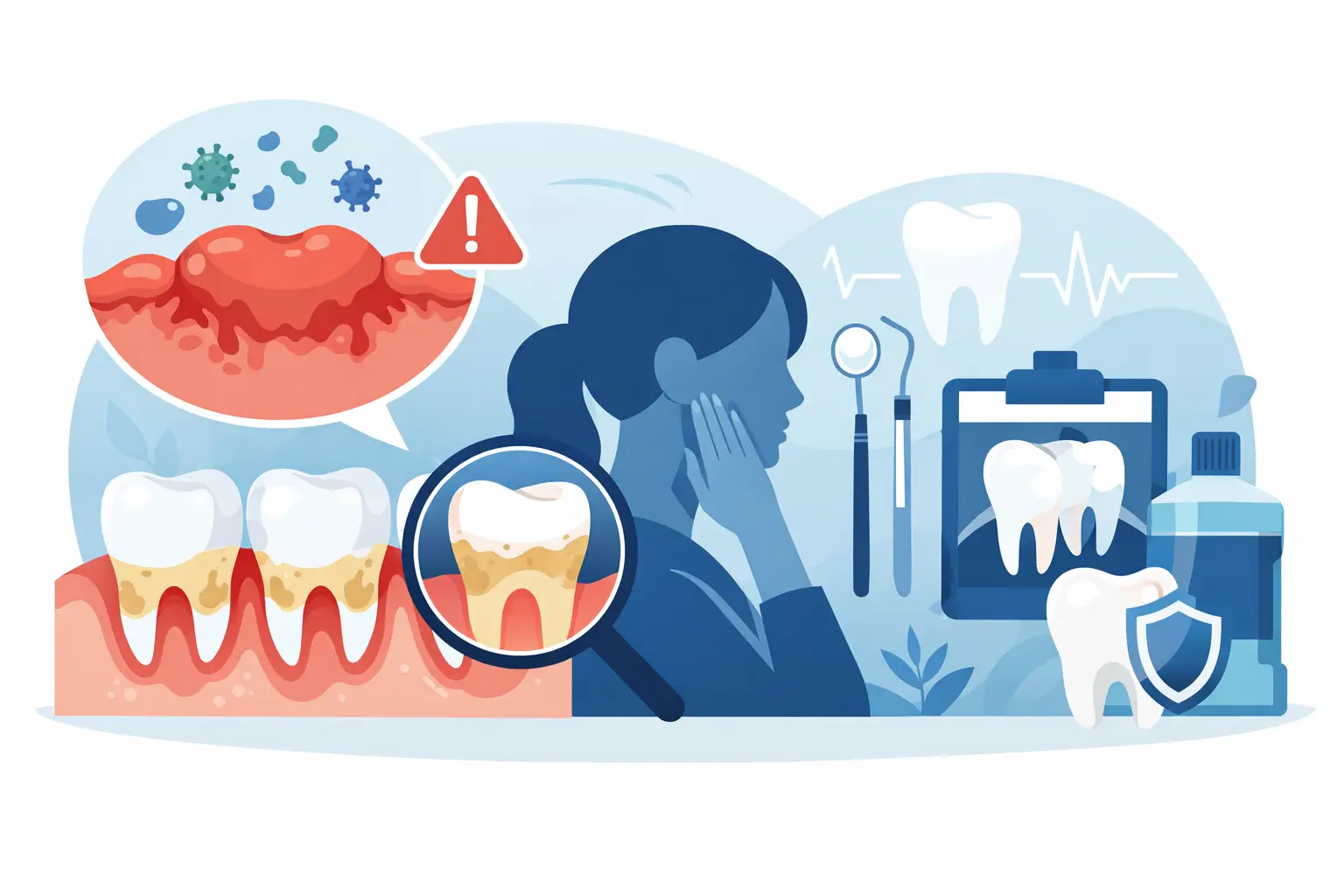
Call a dentist promptly if you have significant pain, facial swelling, bleeding that does not stop, a loose tooth, or a chip caused by a serious fall or blow to the face. The same is true if you see a pink or red spot inside the tooth. This may indicate that the pulp, where the nerve and blood vessels are located, has been exposed.
A chip that causes little or no discomfort still deserves an appointment soon. Enamel does not grow back, and an open or weakened edge can allow bacteria into the tooth over time. Early treatment is usually simpler, more comfortable, and more conservative.
For a child, a chipped baby tooth also warrants a dental exam. Children may not be able to describe sensitivity clearly, and the dentist will want to protect the developing permanent teeth as well as the injured tooth. Bring any tooth fragment you find, but do not attempt to place a knocked-out baby tooth back into the socket.
How to Fix a Chipped Tooth: Your Treatment Options
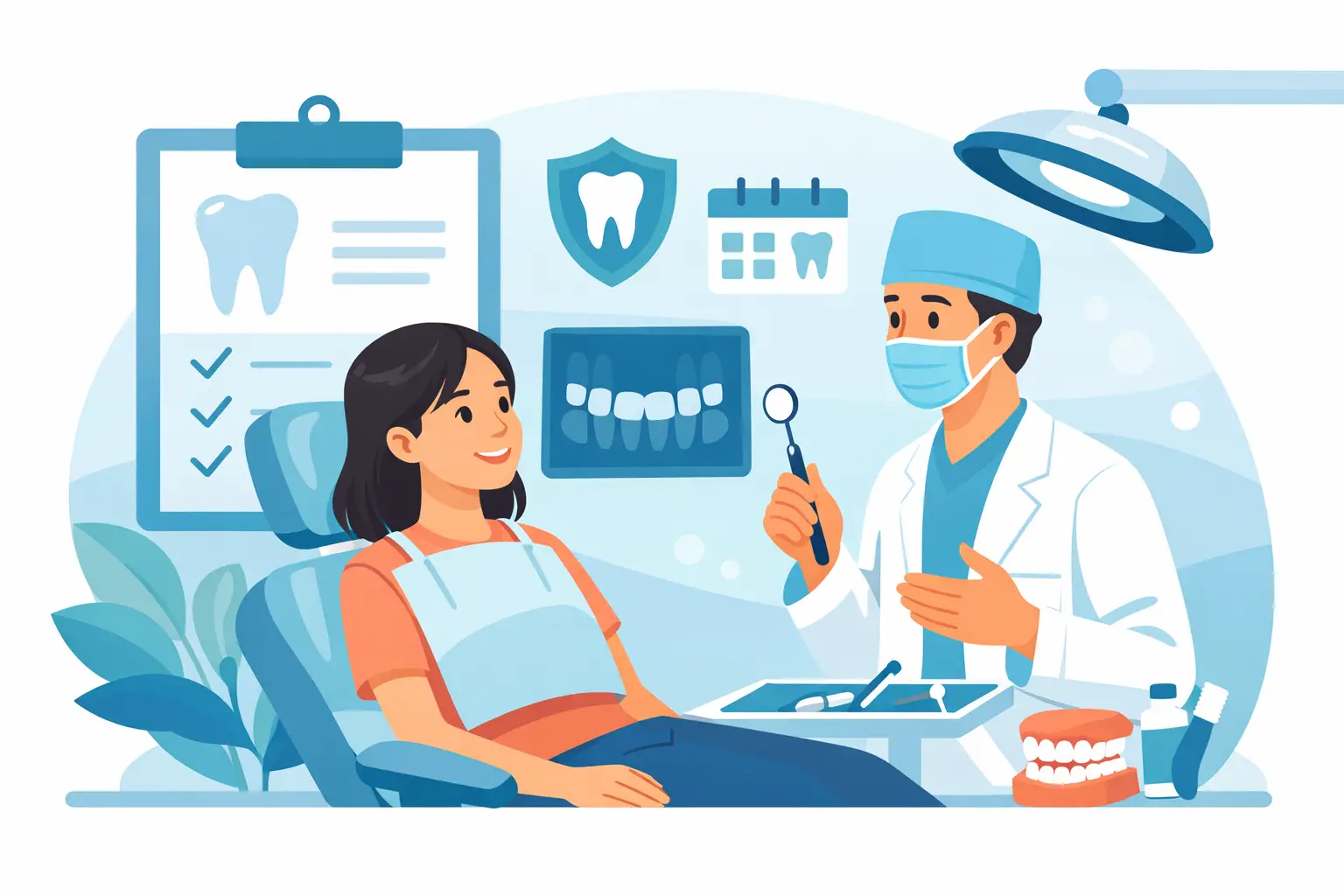
A careful exam may include digital X-rays and bite assessment. The goal is not simply to make the tooth look whole again. Your dentist needs to ensure the repair will hold up when you speak, eat, and bite down.
Contouring or smoothing for a very small chip
If only a tiny amount of enamel has chipped, gentle contouring may be enough. The dentist smooths the rough area and adjusts the shape so it feels comfortable against your tongue and neighboring teeth. This is often a practical choice for a minor edge chip with no weakness or cosmetic concern.
The trade-off is that contouring removes a small amount of enamel, so it is best for very limited damage. If the tooth needs added shape or support, bonding may be a better option.
Dental bonding for a natural-looking repair
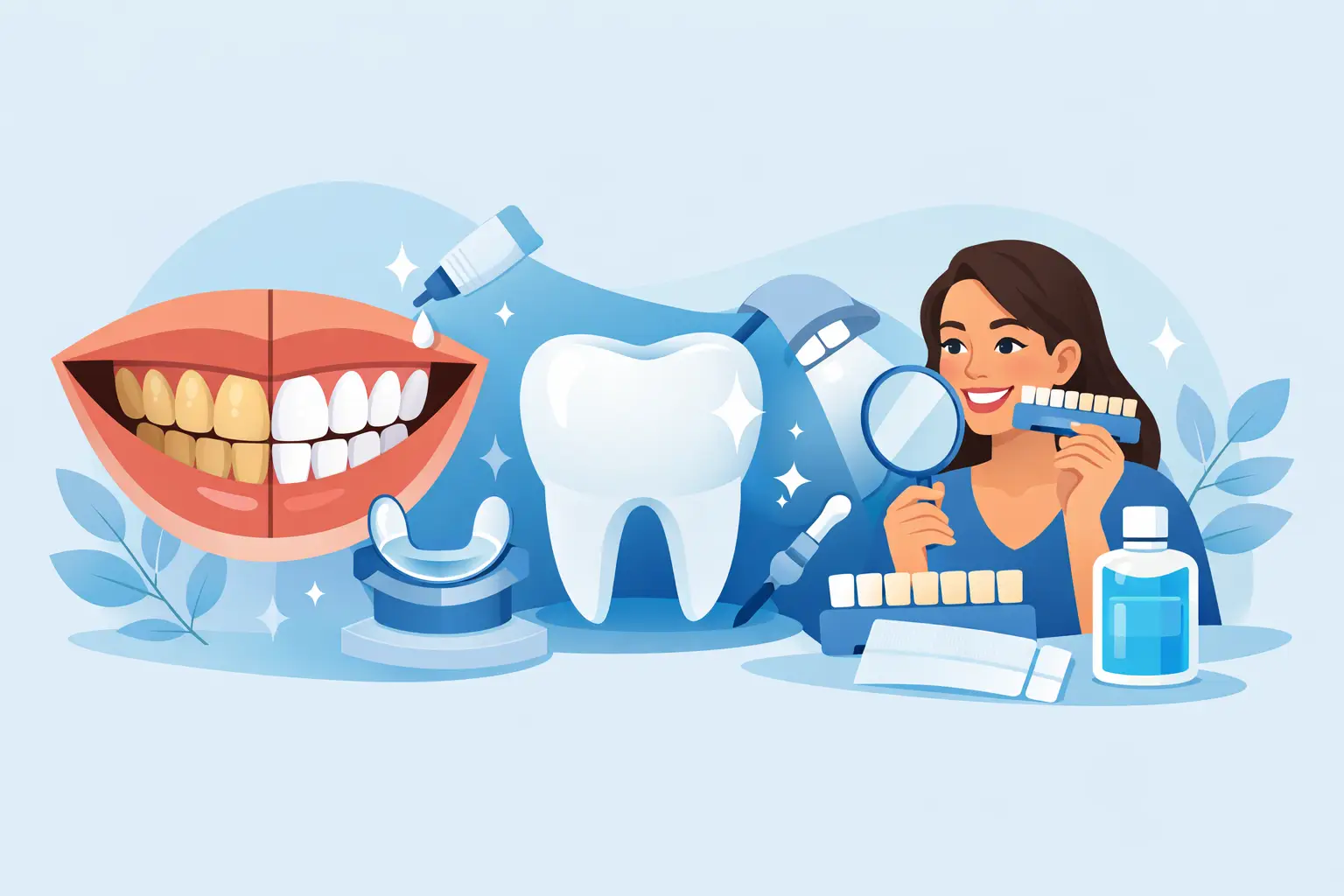
Composite bonding is one of the most common ways to repair a chipped front tooth. The dentist selects a tooth-colored resin, layers it onto the damaged area, shapes it to blend with your smile, and hardens it with a curing light. The final result is polished for a smooth, natural appearance.
Bonding is conservative because it usually preserves more natural tooth structure than a crown or veneer. It can often be completed in one appointment and is useful for small to moderate chips. Because composite can stain or chip over time, especially if you bite your nails, chew ice, or grind your teeth, it may need touch-ups or replacement in the future.
Veneers for cosmetic concerns on front teeth
A porcelain veneer is a thin, custom-made shell bonded to the front surface of a tooth. It can be a strong option when a front tooth has a chip along with discoloration, uneven shape, small gaps, or other cosmetic concerns. Porcelain reflects light in a way that closely resembles natural enamel and resists stains well.
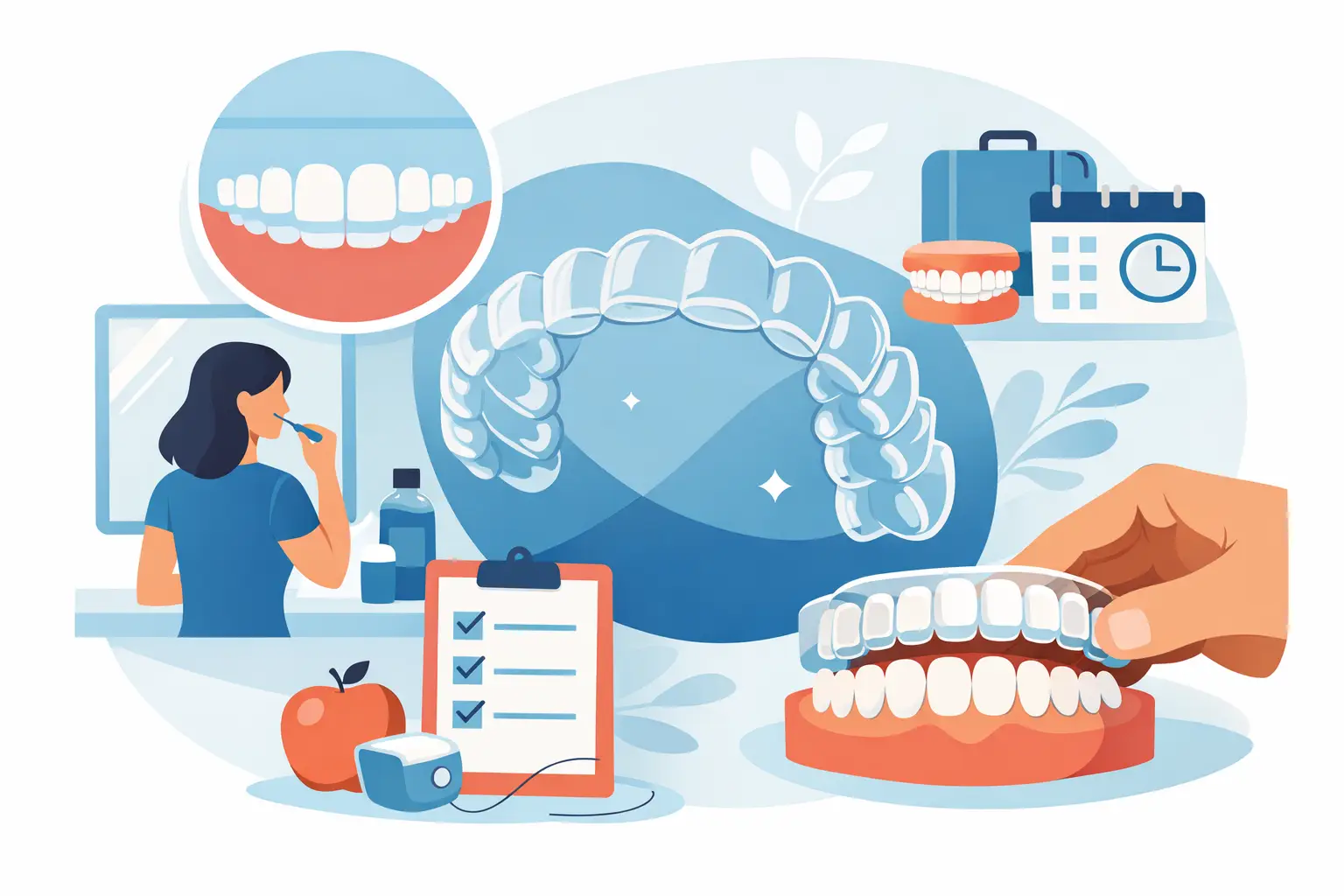
Veneers are not the automatic answer for every chip. They are a more involved cosmetic treatment, and some enamel preparation may be needed. They work best when the underlying tooth is healthy and the bite is stable. If you clench or grind, your dentist may recommend a protective nightguard to help preserve the result.
Crowns, inlays, or onlays for larger breaks
When a substantial portion of the tooth has broken away, the tooth may need more coverage and reinforcement. A crown covers the visible portion of the tooth and is designed to restore its shape, strength, and function. It is often recommended when a chip is large, an old filling has failed, or the remaining tooth walls are too weak for bonding alone.
For some back teeth, an inlay or onlay may be appropriate. These restorations replace damaged areas while preserving healthy tooth structure that does not need full coverage. The best choice depends on the size and location of the fracture, the condition of the tooth, and the forces placed on it during chewing.
Root canal treatment when the nerve is injured
A deep chip or fracture can irritate or expose the pulp inside the tooth. Symptoms may include lingering sensitivity to heat or cold, throbbing pain, pain when biting, or a darkening tooth. In these cases, root canal treatment can remove the infected or damaged tissue, relieve discomfort, and allow the tooth to be restored with a crown or other protective restoration.
Hearing the words “root canal” can make patients nervous, but modern techniques and local anesthesia are designed to keep treatment comfortable. Saving a natural tooth is often preferable when it can be restored predictably.
Why the Location of the Chip Matters
A small chip on a front tooth is often noticed because of appearance, but it may not carry heavy chewing forces. A chip on a molar may be less visible yet more urgent because molars absorb significant pressure every day. Cracks around a filling, a broken cusp, and a chip below the gumline can require different treatment than a simple enamel edge fracture.
Your bite also matters. If a tooth repeatedly hits first when you close your mouth, a beautiful repair can continue to chip. A dentist may make a subtle bite adjustment or discuss a nightguard if grinding is contributing to the damage. Addressing the cause helps your restoration last longer.
Can You Prevent Another Chip?
You cannot prevent every accident, but a few habits reduce the risk. Avoid using teeth to open packages, cut thread, or hold objects. Skip chewing ice and hard candies, and wear a custom mouthguard for contact sports. If you wake with jaw soreness, headaches, or worn tooth edges, ask about nighttime grinding.
Regular exams also matter because they can identify worn fillings, cracks, weakened enamel, and bite changes before they become a noticeable break. At Finesse Family Dental, patients can receive restorative and cosmetic care in one welcoming setting, with treatment planned around their comfort, long-term oral health, and smile goals.
A chipped tooth does not have to stay a source of discomfort or self-consciousness. Arrange an evaluation soon, protect the area in the meantime, and let a personalized repair restore the confidence to smile, speak, and eat comfortably.