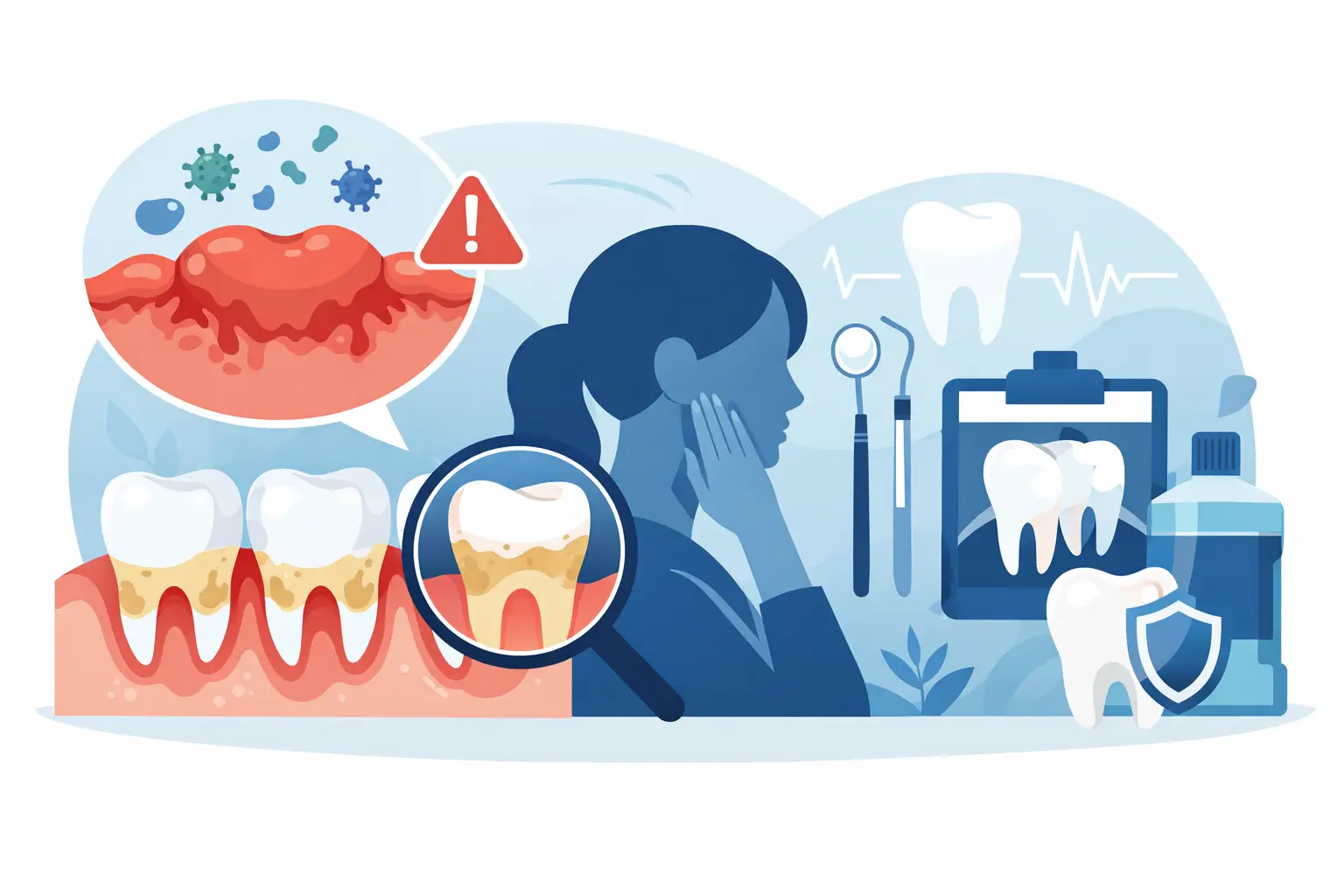
A little pink in the sink after brushing can be easy to dismiss, especially when life is busy. But bleeding, tenderness, or changes in the way your gums look are often early signs you need periodontal care. Gum disease can progress quietly, sometimes without significant pain, which is why paying attention to small changes and keeping regular dental visits matters.
Periodontal care focuses on the tissues that support your teeth: your gums, the bone beneath them, and the fibers that hold teeth in place. When infection and inflammation affect these tissues, prompt treatment can help protect your comfort, your smile, and your long-term oral health.
8 Signs You May Need Periodontal Care
1. Your gums bleed when you brush or floss
Healthy gums generally should not bleed during normal brushing or flossing. Bleeding can occur when plaque buildup irritates the gumline, causing inflammation known as gingivitis. It may also happen if you are brushing too forcefully, but recurring bleeding deserves a professional evaluation rather than a guess.
Some people stop flossing because they see blood. That can allow more plaque to remain between the teeth and make the problem worse. A dental team can determine whether the issue is mild inflammation or a deeper periodontal concern, then recommend the right cleaning and home-care routine.
2. Your gums look red, swollen, or feel tender
Gums that are firm and pale pink are usually a reassuring sign. Redness, puffiness, soreness, or a burning sensation can signal inflammation. You may notice that your gums feel uncomfortable around certain teeth, especially while eating or brushing.
These symptoms do not always mean advanced gum disease. Hormonal changes, certain medications, dry mouth, and a temporary change in oral hygiene can affect the gums, too. Still, if irritation lasts more than a few days or keeps returning, it is worth having it checked before infection has an opportunity to advance.
3. You have persistent bad breath or a bad taste
Morning breath is normal. Breath that remains unpleasant after brushing, flossing, drinking water, and eating can be different. Bacteria below the gumline can produce odors and leave a lingering bad taste, particularly when periodontal pockets have formed around the teeth.
Bad breath can also be related to dry mouth, cavities, tonsil concerns, tobacco use, or some medical conditions. A dental exam helps narrow down the source. Treating the cause is more effective and more comfortable than simply masking the odor with gum or mouthwash.
4. Your gums are pulling away from your teeth
If your teeth look longer than they used to, your gums may be receding. Recession can expose sensitive root surfaces and create spaces where bacteria collect more easily. You might first notice a sharp sensation when you drink something cold or brush near the gumline.
Gum recession has several possible causes, including periodontal disease, aggressive brushing, clenching and grinding, tobacco use, or naturally thin gum tissue. The right treatment depends on why it is happening. A personalized exam is essential because treating sensitivity alone will not address ongoing recession.
5. You see a change in the spaces between teeth
New gaps, darker triangles near the gumline, or teeth that seem to be shifting can be warning signs. As periodontal disease affects the supporting bone and tissue, teeth can gradually lose stability. The movement may be subtle at first, and some patients only notice it when floss feels different or food begins getting trapped in new places.
Orthodontic treatment can move teeth intentionally, but unexpected movement should always be evaluated. Addressing gum health before cosmetic or orthodontic treatment helps create a healthier foundation for the result you want.
6. Your bite feels different or a tooth feels loose
A tooth that feels mobile, changes position, or hits first when you bite is not something to wait on. These changes can occur when the bone and ligament around a tooth have been affected by periodontal disease. Clenching, grinding, trauma, or an infection around a tooth can also contribute.
Loose teeth do not automatically mean tooth loss. The earlier the cause is identified, the more treatment options may be available to stabilize your oral health. If a tooth suddenly feels loose, painful, or out of place, schedule an appointment promptly.
7. You have pus, a gum bump, or pain when chewing
Pus near the gums, a pimple-like bump, facial swelling, or pain while biting may indicate an active infection. These symptoms require timely dental attention. An abscess can be related to gum disease or a problem inside the tooth, and only an examination can tell the difference.
Do not try to pop a gum bump or rely on pain medicine to manage the issue. Pain can fade even when infection remains. Prompt care can relieve discomfort and help prevent the problem from spreading or becoming more complex.
8. It has been a long time since your last dental cleaning
Gum disease often develops without obvious symptoms, especially in its earlier stages. If it has been several years since your last hygiene visit, or if you have been avoiding care because of dental anxiety, a gentle evaluation is a practical place to start.
Regular cleanings remove hardened buildup that brushing and flossing cannot remove at home. If deeper pockets are present, a standard cleaning may not be enough. Periodontal treatment is designed to clean below the gumline, reduce bacterial buildup, and support healing based on your individual needs.
Why Gum Disease Deserves Early Attention
Gingivitis is the earliest stage of gum disease and can often improve with professional cleaning and consistent home care. Periodontitis is more advanced. It can damage the bone and tissues that anchor the teeth, and that loss cannot simply be brushed away.
The good news is that periodontal disease is manageable. Treatment may include a focused hygiene plan, scaling and root planing, ongoing periodontal maintenance, and technology-assisted care when appropriate. At Finesse Family Dental, periodontal treatment can be planned with your comfort in mind, including Waterlase technology for select gum care needs.
Your medical history matters as well. Diabetes, smoking or vaping, pregnancy, stress, dry mouth, certain medications, and a family history of gum disease can raise your risk. Even patients who brush twice daily can develop periodontal concerns if plaque accumulates in hard-to-reach areas or if their gums are more susceptible to inflammation.
What to Expect at a Periodontal Evaluation
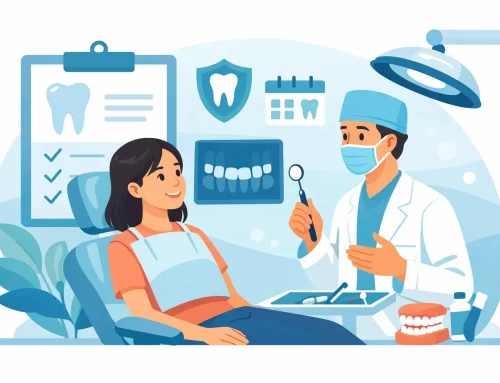
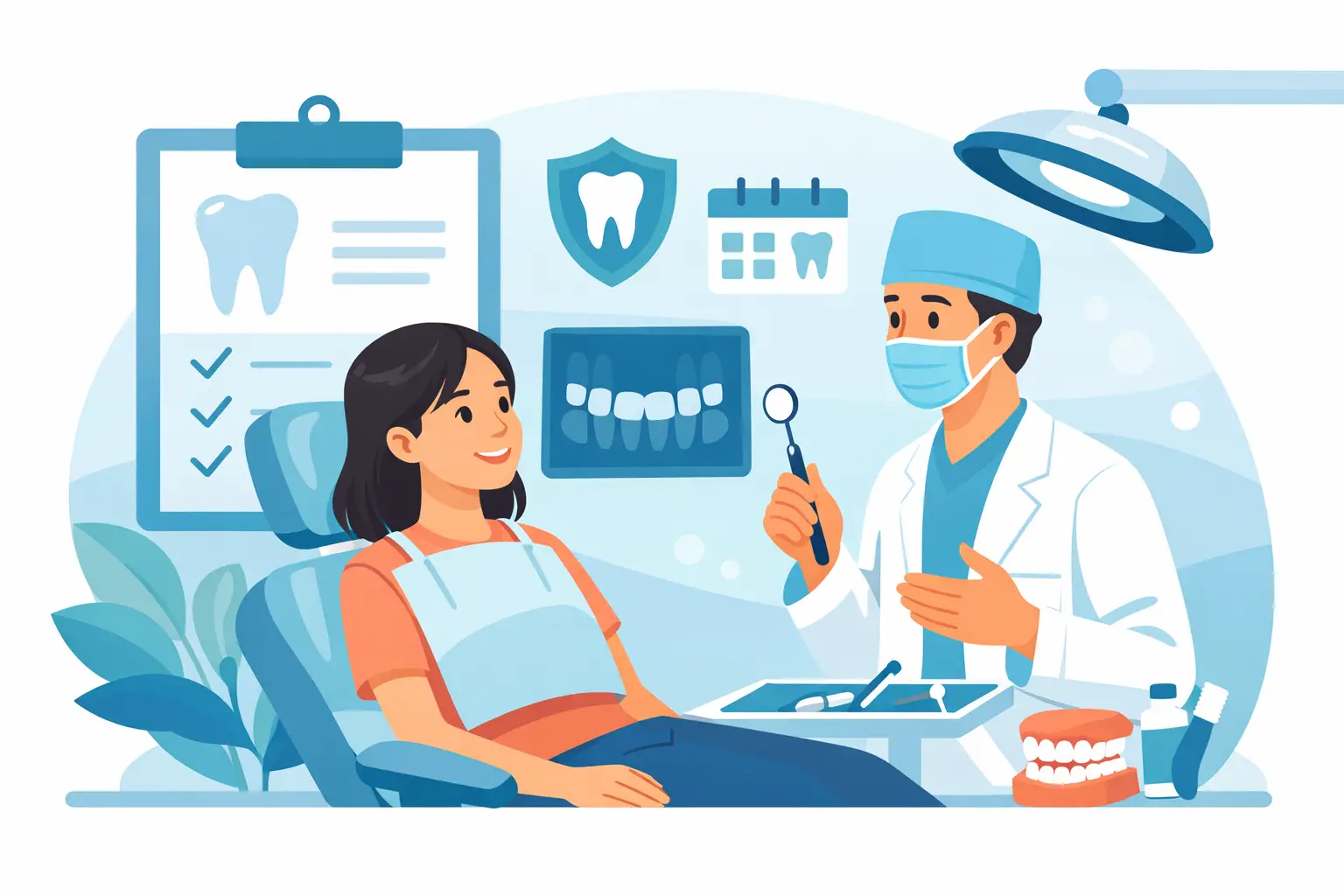
A periodontal evaluation is not about judgment. It is about getting clear answers. Your dentist or hygienist will examine your gums, measure the spaces between gums and teeth, check for bleeding and recession, assess tooth mobility, and review X-rays when needed to evaluate the supporting bone.
From there, recommendations should be specific to what is found. Some patients need a routine cleaning and better techniques at home. Others benefit from deeper cleaning and a maintenance schedule that keeps inflammation under control. The goal is always to preserve healthy tissue and teeth whenever possible, while making the experience calm and manageable.
You can support your gums at home by brushing gently twice daily with a soft toothbrush, cleaning between your teeth every day, staying hydrated, and avoiding tobacco. These habits are powerful, but they cannot remove tartar below the gumline or replace professional care when disease is present.
If you have noticed bleeding, tenderness, recession, persistent bad breath, or changes in your bite, listening to those signals now can make future treatment simpler. A caring periodontal evaluation can give you clarity, relief, and a practical path toward keeping your smile healthy for years to come.