A racing heartbeat, a sensitive gag reflex, a difficult procedure, or years of avoiding the dentist can make even a routine appointment feel overwhelming. So, is dental sedation safe? For most appropriately screened patients, dental sedation is very safe when it is recommended for the right reason, administered by trained professionals, and paired with careful monitoring.
Sedation is not about making patients “tough it out” or taking unnecessary risks. It is a comfort tool that can help people receive the preventive, restorative, and surgical care they need with less fear and stress. The right option depends on your health history, the procedure, your level of anxiety, and the type of sedation being considered.
Is Dental Sedation Safe for Most Patients?
Dental sedation has a strong safety record, but safe care starts before treatment begins. Your dentist should review your medical history, medications, allergies, previous experiences with anesthesia, and any conditions that could affect breathing, blood pressure, or how your body processes medication.
For many patients, sedation is straightforward. Nitrous oxide, often called laughing gas, is commonly used for mild anxiety and wears off quickly. Oral sedation can provide a deeper sense of calm for patients who are especially nervous or facing longer treatment. For more complex needs, IV sedation or general anesthesia may be considered in an appropriately equipped setting with the right provider and level of monitoring.
No form of sedation is completely risk-free. The potential for side effects rises with deeper levels of sedation and with certain health conditions. That is why the question is not simply whether sedation is safe in general. The more useful question is whether a specific sedation plan is safe for you.
What Makes Sedation Dentistry Safer?
A careful process is what turns sedation from a vague reassurance into a responsible part of dental care. Your dental team should explain the recommended option, what you may feel, how long recovery may take, and what preparation is required.
A thorough health review matters because conditions such as obstructive sleep apnea, serious heart or lung disease, liver or kidney problems, pregnancy, and certain medication interactions can affect the plan. This does not automatically mean you cannot receive sedation. It may mean that a lighter option, additional precautions, medical clearance, or treatment in a different setting is more appropriate.
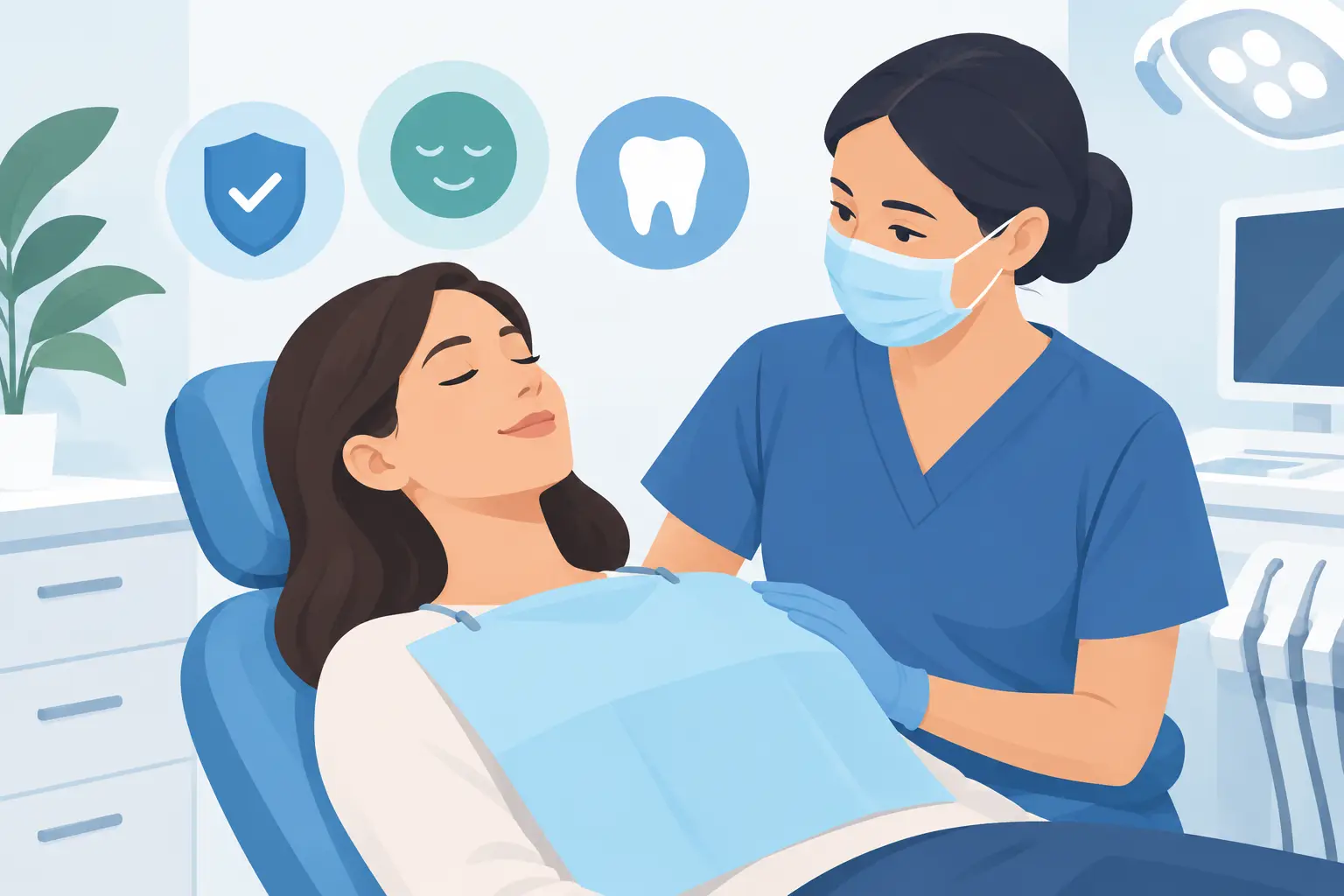
During sedation, the team monitors the patient according to the level of sedation provided. Depending on the method, this can include watching breathing, heart rate, oxygen level, blood pressure, responsiveness, and overall comfort. The goal is not only to keep patients relaxed, but also to recognize and address changes promptly.
The training and preparation of the dental team also matter. Ask who will provide the sedation, what training they have, how patients are monitored, and what emergency procedures are in place. A good dental office welcomes these questions. Clear answers are part of earning your trust.
Understanding Common Types of Dental Sedation
Not every patient needs the same level of help. In fact, choosing the lightest effective option is often the best approach.
Nitrous oxide
Nitrous oxide is breathed through a small mask placed over the nose. Patients usually remain awake and able to communicate, while feeling more relaxed and less focused on the sights, sounds, or sensations of treatment. Its effects generally fade quickly after the mask is removed, and many patients can return to normal activities soon afterward, depending on their dentist’s instructions.
This option can work well for mild to moderate anxiety, children who need help feeling settled, or patients with a sensitive gag reflex. Some people may experience temporary nausea, dizziness, or a headache, particularly if they have not followed pre-appointment eating instructions.
Oral conscious sedation
Oral sedation involves taking a prescribed medication before the appointment. It can create a deeper level of relaxation than nitrous oxide, and some patients remember little of the procedure afterward. You are usually still conscious and able to respond, but you may feel sleepy and unsteady for several hours.
Because the effects last longer, you will need a responsible adult to drive you home and stay with you as directed. Plan to rest rather than return to work, school, or childcare duties immediately after treatment.
IV sedation and deeper anesthesia
IV sedation works more quickly and can be adjusted throughout treatment. It may be recommended for extensive procedures, severe dental anxiety, or patients who have difficulty completing care with lighter sedation. General anesthesia produces a deeper level of unconsciousness and is typically reserved for specific clinical situations.
These options require more extensive planning, monitoring, and provider qualifications. They can be excellent choices for the right patient, but they are not automatically better simply because they are stronger.
Who Should Take Extra Precautions?
Honesty during your health review is essential. Tell your dentist about every prescription medicine, over-the-counter medication, supplement, recreational substance, and alcohol use. Even common medications can interact with sedatives or change how you respond to them.
Extra planning may be needed for people with sleep apnea, chronic respiratory conditions, uncontrolled diabetes, high blood pressure, heart conditions, or a history of complications with anesthesia. Patients who are pregnant, breastfeeding, or may be pregnant should also discuss this before any sedation is scheduled.
Children require especially individualized consideration. Their age, weight, medical history, ability to cooperate, and the complexity of treatment all influence whether sedation is appropriate. Parents should feel comfortable asking why sedation is being recommended, what alternatives exist, and how their child will be monitored.
How to Prepare for a Safe Sedation Appointment
Following instructions is one of the simplest ways to reduce risk. Your dentist will tell you whether to avoid food or drinks before the visit, which medications to take or pause, and when to arrive. Instructions vary by sedation type, so do not rely on advice from a friend or a past appointment.
If you are receiving oral or IV sedation, arrange a ride home before your appointment is confirmed. Do not drive, operate machinery, sign major documents, drink alcohol, or make important decisions until the medication has fully worn off. A patient may feel alert enough to leave the office while still having slowed reaction time or impaired judgment.
Wear comfortable clothing, bring a current medication list, and let the office know if you become sick before your appointment. A cold, respiratory infection, fever, or major change in health may require rescheduling for your safety.
Questions Worth Asking Before You Decide
A caring conversation should leave you feeling informed, not pressured. Ask what level of sedation is being recommended and why it fits your procedure and health history. You can also ask about expected benefits, possible side effects, recovery time, monitoring, costs, and whether there are non-sedation comfort options.
For some patients, a calm explanation of treatment, numbing medication, shorter appointments, headphones, breaks, or a gentle pacing of care may be enough. For others, sedation is what makes it possible to finally address pain, decay, gum disease, or a long-delayed smile restoration. Both choices are valid when they are made thoughtfully.
At Finesse Family Dental, comfort starts with listening. If dental anxiety has kept you from scheduling the care you need, share your concerns openly. A personalized conversation can help you understand your options and choose a path that feels safe, manageable, and right for you.