If you have been putting off tooth replacement because you are worried about pain, you are not alone. One of the most common questions we hear is, are dental implants painful? The short answer is that the procedure is usually much more comfortable than people expect, and most patients say the recovery feels manageable with the right care.
That answer helps, but it is not the whole picture. Dental implant treatment involves several steps, and comfort depends on your health, your jawbone, whether a tooth is being removed at the same time, and how your body heals. Knowing what each stage feels like can make the process feel far less intimidating.
Are dental implants painful during the procedure?
During implant placement, the goal is to keep you comfortable from start to finish. Your dentist numbs the area thoroughly with local anesthetic, so you should feel pressure and movement, but not sharp pain. Many patients compare it to having a filling or other routine dental work once the area is fully numb.
The part that tends to worry people most is the idea of placing a titanium post into the jawbone. In reality, patients are often surprised that the appointment itself is easier than expected. The mouth is anesthetized very well, and modern techniques are designed to be precise and efficient.
If you are especially anxious, that matters too. Fear can make any procedure feel harder before it even begins. A calm environment, clear communication, and a dentist who checks in throughout treatment can make a major difference in how comfortable the experience feels.
What does implant recovery actually feel like?
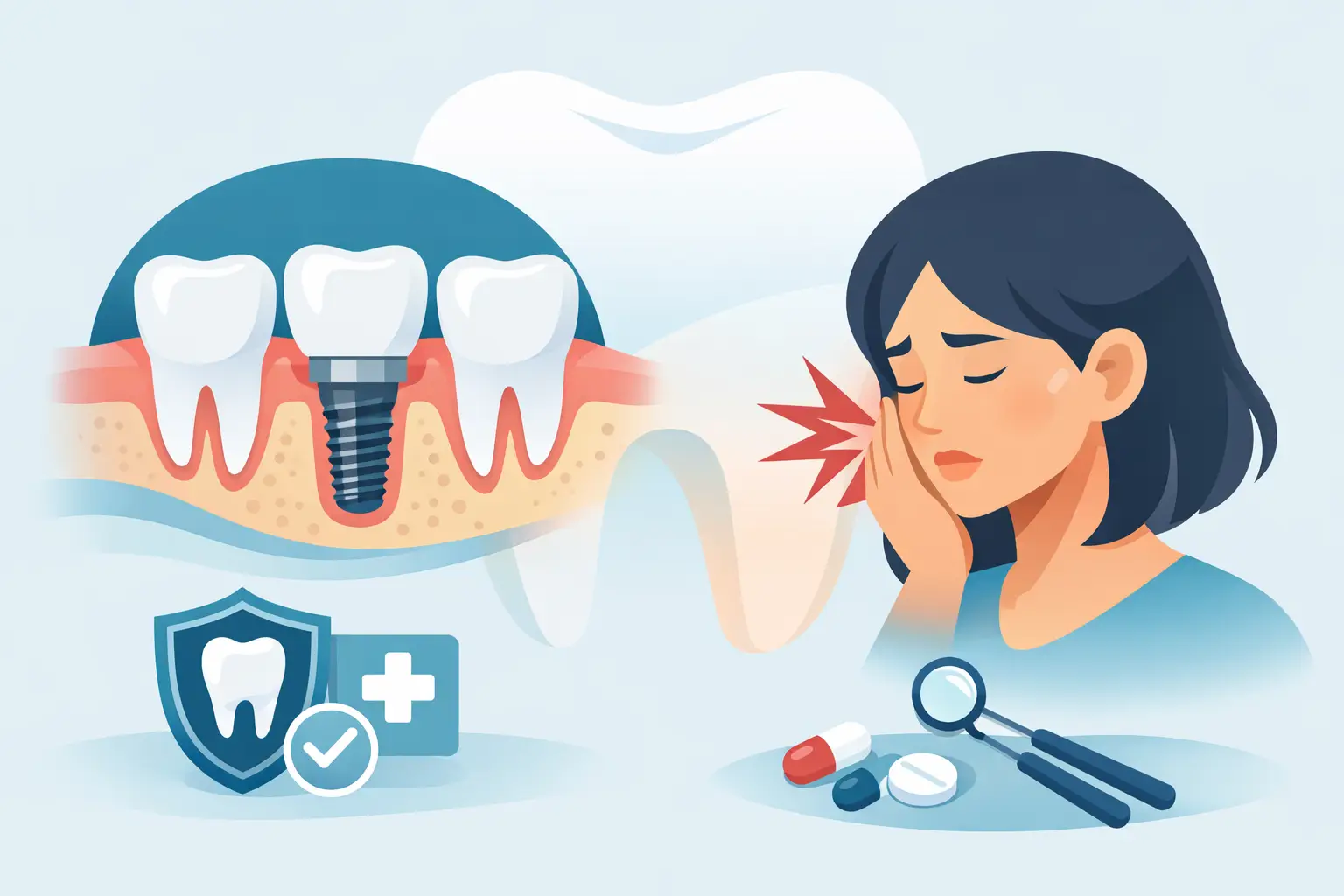
Once the numbness wears off, it is normal to have some soreness, swelling, and tenderness around the implant site. That does not mean something is wrong. It means your body is healing.
Most patients describe the discomfort after a straightforward implant as mild to moderate for the first few days. You may notice gum soreness, slight bruising, or a dull ache in the jaw. If the procedure was more involved, such as placing multiple implants or adding a bone graft, recovery can feel more intense and last a little longer.
This is one reason the question are dental implants painful does not have one answer for everyone. A single implant in a healthy jaw is different from a full-mouth restoration or a case that requires additional surgical steps. Still, even when the procedure is more complex, pain is usually temporary and manageable.
How long does the discomfort last?
For many people, the most noticeable soreness peaks within 48 to 72 hours after surgery and then gradually improves. By the end of the first week, many patients feel significantly better. Mild tenderness can continue a bit longer, especially when chewing near the area.
Healing of the bone and gums takes much longer than the soreness does. The implant needs time to fuse with the jawbone, but that process does not usually mean ongoing pain. In fact, persistent or worsening pain is something your dentist would want to evaluate, because normal healing should move in the direction of less discomfort, not more.
What affects how painful dental implants feel?
Some patients have a very easy recovery, while others need a bit more downtime. Several factors can influence that experience.
The first is the complexity of the case. Replacing one missing tooth is often simpler than rebuilding multiple areas of the mouth. If you need a tooth extraction, bone grafting, or sinus work before or during implant placement, you should expect a more involved recovery.
Your general health matters too. Smoking, uncontrolled diabetes, active gum disease, and poor healing habits can all increase inflammation and make recovery less comfortable. On the other hand, healthy tissue and good home care often support a smoother healing process.
Pain tolerance also varies from person to person. What feels like mild soreness to one patient may feel more significant to another. That is why realistic guidance matters more than one-size-fits-all promises.
What helps reduce pain after dental implants?
Good aftercare can make a real difference in how you feel. Most dentists recommend a combination of rest, cold compresses, soft foods, and any medications prescribed or suggested for post-operative comfort. Taking medication before the numbness fully wears off can also help you stay ahead of discomfort rather than chasing it later.
For the first few days, softer foods are usually best. Yogurt, soup that is not too hot, mashed potatoes, eggs, smoothies, and similar choices can help you avoid irritating the surgical site. It is also wise to avoid smoking, using straws, and chewing directly on the area while it is healing.
Oral hygiene is still important, but you will need to be gentle. Your dentist may recommend a rinse and careful brushing around the site. Keeping the area clean without disturbing it supports healing and lowers the risk of complications.
Are dental implants more painful than extractions?
Many patients assume implants must hurt more than pulling a tooth, but that is not always the case. In fact, some people say the implant procedure feels easier than the extraction that came before it.
An extraction often involves removing a damaged, infected, or deeply compromised tooth, which can mean there was already pain and inflammation before treatment began. Implant placement happens in a controlled, planned setting with the area fully anesthetized. Because of that, recovery may feel more predictable.
Of course, if an extraction and implant are done together, the experience may be a little more involved. Even then, discomfort is usually temporary and can be managed with a clear post-op plan.
When pain is not normal
Some soreness is expected. Sharp, worsening, or lingering pain is not something to ignore.
You should contact your dentist if pain becomes more severe after the first few days, if swelling increases instead of improving, if you have fever or drainage, or if the implant area feels unstable. Those signs may point to infection, bite problems, or healing issues that need prompt attention.
This is another reason choosing an experienced dental team matters. Implant treatment is not only about placing the post. It is about planning, monitoring healing, and making sure the final result is healthy, functional, and comfortable.
Why careful planning makes implants more comfortable
The best implant experiences usually start long before the procedure itself. A thorough exam, quality imaging, and a treatment plan based on your bone levels, gum health, and bite can reduce surprises and support a smoother recovery.
That planning also helps your dentist decide whether additional treatment is needed first. If gum disease is active or bone support is limited, addressing those issues can improve both comfort and long-term success. Rushing into implants without that foundation can lead to more discomfort and more complications later.
At a practice like Finesse Family Dental, comfort is not treated as an extra. It is part of the care plan. Patients tend to feel more at ease when they understand what is happening, why it is being recommended, and what recovery should realistically look like.
Are dental implants worth it if you are worried about pain?
For many patients, yes. A dental implant can restore chewing ability, protect the jawbone, and give you a stable, natural-looking replacement for a missing tooth. The discomfort involved is usually short-term, while the benefits can last for many years.
There is also the bigger picture to consider. Leaving a missing tooth untreated can lead to shifting teeth, bite changes, bone loss, and added stress on other parts of the mouth. When patients weigh a few days of soreness against the long-term value of restoring their smile and function, implants often feel like the worthwhile choice.
If you are nervous, that does not mean you are not a good candidate. It just means you need clear answers and a dental team that takes your concerns seriously. The right conversation can turn a procedure that sounds intimidating into one that feels informed, manageable, and well worth doing.
If dental implants are on your mind, do not let fear of pain make the decision for you. Ask questions, talk honestly about your anxiety, and get a treatment plan built around your comfort as well as your smile.