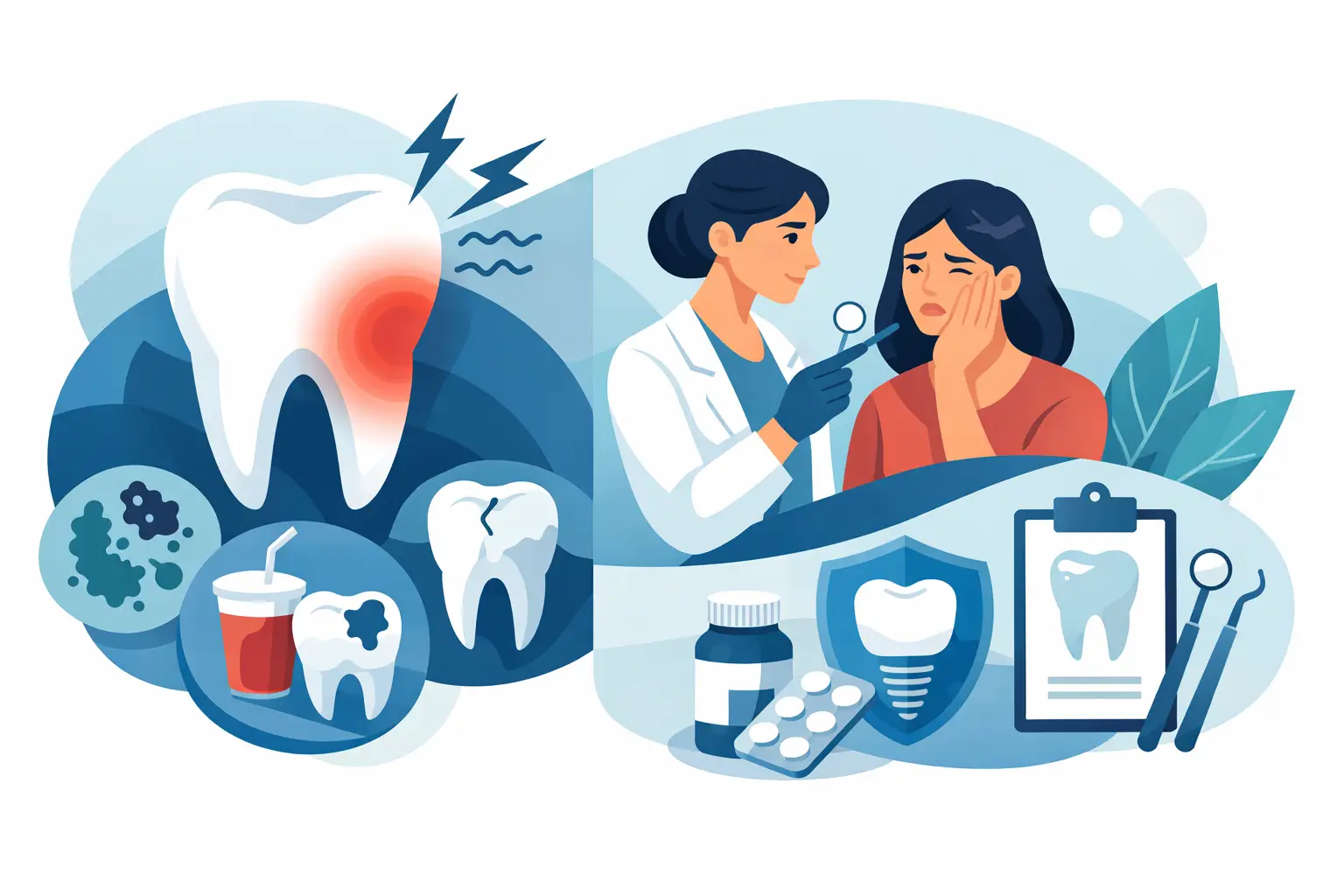
A toothache rarely shows up at a convenient time. It might start as a quick zing with cold water, then turn into a dull throb during a work call or keep you awake long after bedtime. When that happens, understanding toothache causes and solutions can help you act quickly, protect the tooth, and avoid making the problem worse.
Why toothaches happen
Tooth pain is not one condition. It is a symptom, and the reason behind it can range from a minor issue to a problem that needs prompt treatment. The tooth itself contains layers, and once irritation reaches the inner nerve tissue, pain often becomes harder to ignore.
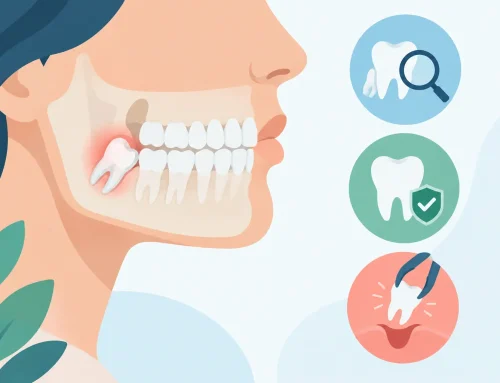
Sometimes the cause is obvious, like biting down on something hard and cracking a tooth. Other times, the source is less clear. Pain may come from decay, infection, inflamed gums, grinding, or even sinus pressure that feels like it is coming from the upper teeth. That is why a proper dental exam matters. The right solution depends on the real cause, not just where it hurts.
Common toothache causes and solutions
Cavities and tooth decay
One of the most common reasons for tooth pain is a cavity. Decay slowly wears through enamel and dentin. Early on, you may only notice sensitivity to sweets, cold drinks, or brushing. As the cavity gets deeper, the pain can become sharper and more frequent.
The solution depends on how far the decay has progressed. A small cavity is often treated with a filling. If the tooth has lost more structure, a crown or inlay may be the better choice. If the decay has reached the nerve, root canal treatment may be needed to remove infection and save the tooth.
Cracked or damaged teeth
Not every crack is easy to see. Some are obvious after trauma, while others are tiny stress fractures caused by clenching, grinding, or chewing hard foods. A cracked tooth may hurt when you bite down, then feel better once the pressure is gone. Temperature sensitivity is also common.
Treatment varies with the size and location of the crack. Minor damage may be repaired with bonding. A deeper crack often needs a crown to protect the tooth from further breaking. If the crack extends into the nerve, root canal therapy may be necessary. In severe cases, the tooth may not be restorable and may need extraction.
Gum disease and gum irritation
People often think gum disease only causes bleeding, but it can also lead to soreness, pressure, and pain around a tooth. Inflamed gums may pull away from the teeth, exposing sensitive root surfaces. Food can get trapped more easily, and infection can develop below the gumline.
The right solution may be a professional cleaning, deeper periodontal treatment, or improved home care. If the problem is caught early, treatment is usually simpler and more comfortable. Waiting can lead to bone loss, loose teeth, and more extensive care later.
Dental abscess or infection
A severe, throbbing toothache that does not let up can be a sign of infection. You may also notice swelling, a bad taste in the mouth, fever, tenderness in the gums, or pain that spreads to the jaw or ear. This is not something to watch for a few weeks.
An abscess usually needs prompt dental treatment. Depending on the tooth, the solution may be root canal therapy or extraction, along with drainage of the infection when needed. Antibiotics can help in certain cases, but they do not fix the source on their own. The infected tooth still needs treatment.
Grinding and clenching
If you wake up with aching teeth, jaw tightness, or headaches, nighttime grinding may be part of the problem. Constant pressure can inflame the ligament around the tooth, wear down enamel, and make teeth more sensitive.
A custom night guard is often one of the best solutions. It cushions the teeth and helps reduce further damage. If a tooth has already been worn, chipped, or cracked, restorative treatment may also be recommended. Stress management can help too, but it usually works best alongside dental protection.
Receding gums and exposed roots
When gums recede, the softer root surface of the tooth becomes more exposed. That can create sharp sensitivity with cold air, cold drinks, sweets, or brushing. Recession may be related to gum disease, overly aggressive brushing, or long-term wear.
Treatment depends on the cause and severity. Desensitizing products may help with mild discomfort. In-office fluoride treatment, bonding, or periodontal care may be recommended if the sensitivity is more persistent. Switching to a soft-bristled toothbrush and gentler brushing technique is often part of the fix.
Sinus pressure and referred pain
Upper back teeth sit close to the sinus cavities. When the sinuses are inflamed, the pressure can feel a lot like a toothache. The pain may involve several upper teeth at once and often gets worse when bending over.
If the teeth themselves are healthy, the solution may involve treating the sinus issue rather than the tooth. Still, it is worth getting checked if you are not sure, because dental infections can also mimic sinus pain.
What you can do at home before your appointment
Home care can ease discomfort, but it should not replace treatment when pain is persistent or severe. Start by rinsing gently with warm salt water to reduce irritation and help clear debris. Floss carefully around the sore tooth in case trapped food is adding pressure.
A cold compress on the outside of the cheek can help with swelling. Over-the-counter pain relievers may also help, as long as you follow the label directions and any advice from your physician. Try to avoid very hot, very cold, sugary, or hard foods if they trigger pain.
One thing to skip is placing aspirin directly on the gum or tooth. That can irritate or burn the tissue and will not solve the underlying problem.
Signs you should call a dentist quickly
Some toothaches can wait a day or two for an appointment. Others deserve urgent attention. If you have swelling in the face or gums, fever, trouble swallowing, a bad taste that will not go away, or pain that keeps getting stronger, do not delay.
A knocked-out tooth, a broken tooth with significant pain, or a toothache that wakes you up and does not respond to basic home care should also be checked promptly. Fast treatment can sometimes mean the difference between saving a tooth and losing it.
Why diagnosis matters more than guessing
This is where many patients get stuck. A sensitive tooth might seem like a cavity, but it could actually be a crack. Gum tenderness might feel minor, yet there may be deeper periodontal infection. Pain in one area can even be referred from another tooth.
A dental exam, X-rays when needed, and a careful conversation about your symptoms help narrow down the cause. That matters because the best treatment for one kind of toothache can be the wrong approach for another. A filling will not solve nerve infection, and antibiotics alone will not fix a cracked tooth.
For families and busy adults, seeing a full-service dental office also makes care easier. If the problem turns out to need anything from a filling to gum treatment to root canal therapy, it is reassuring to know those solutions can often be coordinated efficiently in one place.
Preventing the next toothache
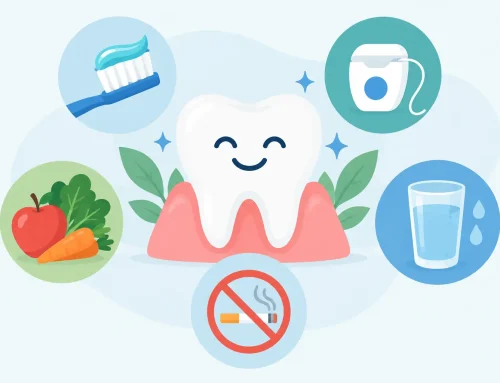
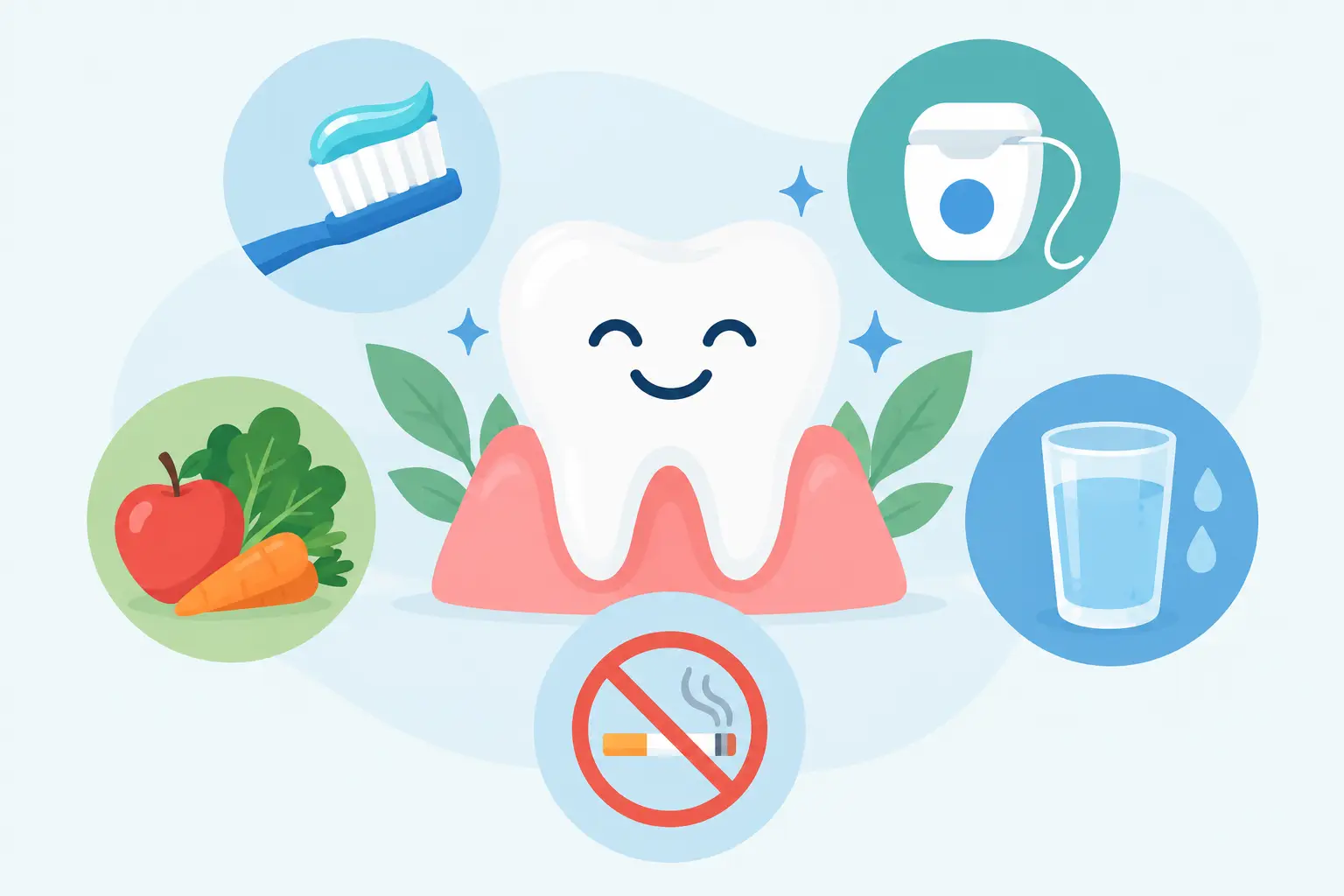
The best toothache solution is prevention when possible. Regular exams and cleanings help catch cavities, worn fillings, gum disease, and bite issues before they become painful. Small problems are usually simpler and less expensive to treat.
Daily habits matter too. Brushing twice a day with fluoride toothpaste, flossing daily, limiting frequent sugary snacks, and wearing a night guard if you grind can make a real difference. If a tooth feels off, even if it is not truly painful yet, it is smart to have it checked before the discomfort escalates.
At Finesse Family Dental, many patients come in feeling nervous about what a toothache might mean. In most cases, the hardest part is waiting and wondering. Once the cause is identified, there is usually a clear path forward and a way to get you comfortable again.
If your tooth has been trying to get your attention, listen to it early. Prompt care often means less pain, less stress, and a better chance of keeping your smile healthy and strong.